Tomatoes
Indeterminate Tomatoes
Indeterminate tomatoes are vining tomato plants that continue to grow, flower, and set fruit throughout the growing season until they are stopped by frost, disease, or severe environmental stress. Unlike compact determinate tomatoes, indeterminate varieties keep producing new stems and fruit clusters over a long period, making them especially valuable for gardeners and growers who want a steady harvest rather than one short flush of fruit.
These vigorous tomato plants often grow 6 to 10 feet tall in temperate climates and can grow much longer in warm or subtropical regions when supported by strong trellising, staking, or cage systems. Their extended production cycle makes them popular for fresh-market growers, greenhouse systems, backyard gardens, and high-yield specialty tomato production.
Indeterminate tomato plants are tomato varieties that grow continuously throughout the season instead of stopping at a fixed height. They keep forming new vines, tomato flowers, and fruit clusters as long as conditions remain favorable. Because of their vigorous growth habit and long harvest window, indeterminate tomatoes usually require staking, trellising, or cages to support the weight of the vines and fruit.
Many of the world’s best-known heirloom and specialty tomatoes are indeterminate varieties. Popular types such as Beefsteak, Brandywine, Cherokee Purple, and Sweet Million cherry tomatoes can continue producing fruit for months when properly supported and maintained. In favorable climates, a single healthy indeterminate tomato plant can yield dozens of tomatoes over one long growing season.
Indeterminate tomatoes are ideal for growers who want maximum seasonal production, continuous fresh harvests, and a wide range of fruit sizes, colors, and flavors. They are especially well suited to Tomato Volcano growing systems because their vining habit makes efficient use of trellises and support structures. When paired with strong soil fertility, consistent watering, pruning, and good airflow, indeterminate tomatoes can become one of the most productive crops in the garden.
| Category | Examples | Fruit Size | Typical Yield |
|---|---|---|---|
| Cherry | Sweet Million, Sun Gold | Small | 100–700 fruits |
| Beefsteak | Brandywine, Beefsteak | Large | 10–20 fruits |
| Green | Green Zebra | Medium | 20–30 fruits |
| Black | Cherokee Purple | Large | 15–20 fruits |
| Paste | Roma, Amish Paste | Medium | 25–40 fruits |
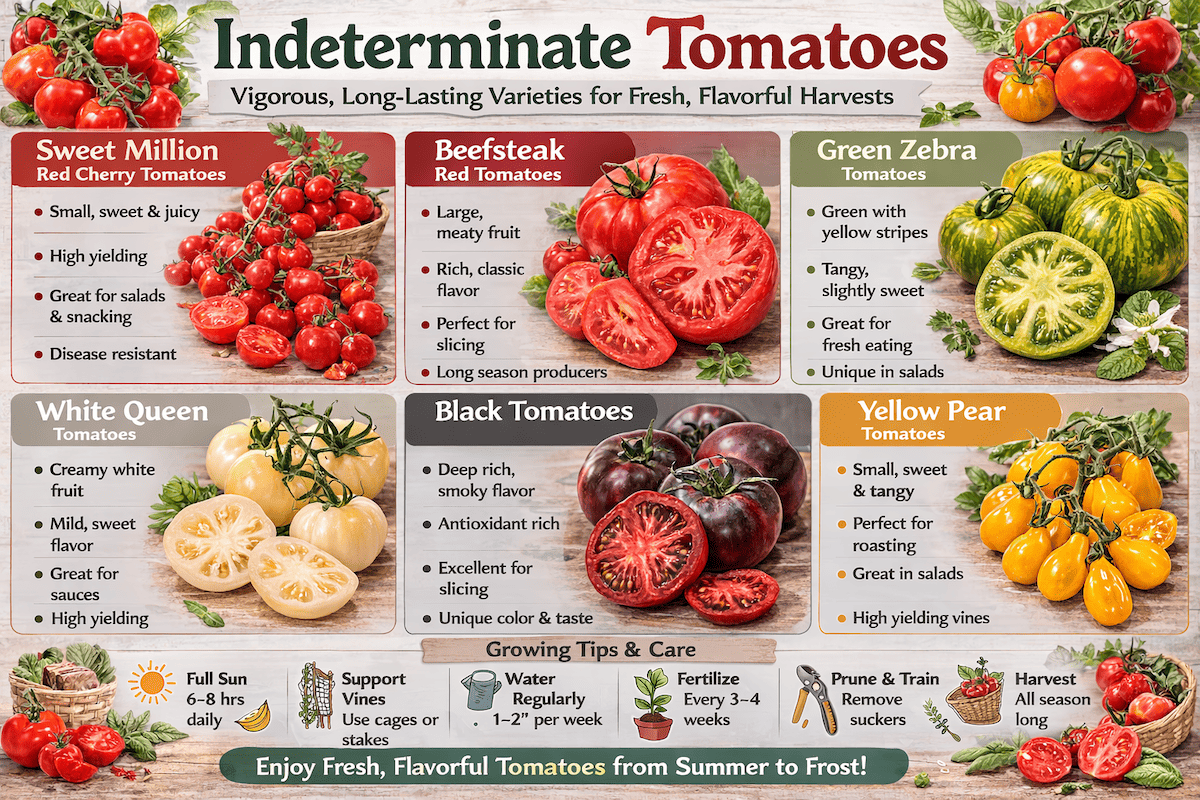
Feel free to share this indeterminate tomatoes infographic on your website or blog. Please include a link back to this page as the source.
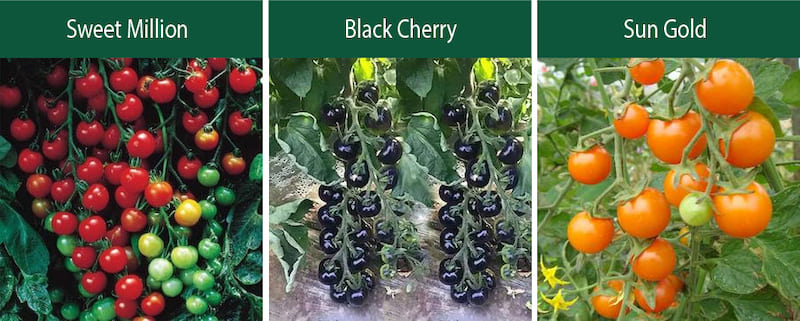
Cherry tomatoes are among the most productive and flavorful tomato varieties grown in home gardens and small farms. These small fruits develop on vigorous indeterminate plants that continue producing clusters of tomatoes throughout the growing season. Cherry tomatoes are prized for their sweetness, bright colors, and exceptional yields, making them ideal for fresh snacking, salads, and garden harvest bowls.
Some popular cherry and small-fruited indeterminate tomato varieties include:
Sweet Million tomatoes are a classic red cherry tomato variety known for their intense sweetness and prolific production. The small, round fruits grow in large clusters and develop a bright red color with smooth skin and juicy flesh. Sweet Million plants are extremely productive, often producing 500–700 tomatoes per plant over a full growing season. They grow well in USDA zones 5–11 and are ideal for fresh snacking and salads.
Super Sweet 100 tomatoes are another highly productive cherry tomato variety famous for their sweet flavor and heavy fruit clusters. The bright red tomatoes grow in long trusses and have a firm, juicy texture. Plants can produce hundreds of fruits throughout the season, often reaching yields similar to Sweet Million varieties. Super Sweet 100 performs well in zones 5–11 and is a favorite among home gardeners.
Sun Gold tomatoes are small golden-orange cherry tomatoes celebrated for their exceptionally sweet, fruity flavor. The round fruits ripen early and are produced in large clusters on vigorous plants. Sun Gold tomatoes are especially well suited to warm climates and perform well in desert regions and zones 5–11. Plants typically produce around 80–120 fruits per season.
Black Cherry tomatoes are a unique heirloom variety producing small round fruits with a deep reddish-brown or purple color. The flavor is rich and complex with subtle smoky undertones. Plants are vigorous growers that produce steady harvests throughout the season, typically yielding dozens of fruits per plant. Black Cherry tomatoes grow well in zones 5–11.
Juliet tomatoes are small, elongated grape-style tomatoes with bright red skin and firm, meaty flesh. The fruits have a slightly sweet flavor and are resistant to cracking, making them excellent for fresh eating, salads, and roasting. Juliet plants are reliable producers and can yield 80–100 fruits per plant during the growing season. They grow well in zones 5–11.
Tomatillos are not true tomatoes but are closely related members of the nightshade family that grow in a similar manner. The small green fruits develop inside a papery husk and have a tangy, slightly citrus-like flavor commonly used in Mexican cuisine, especially for salsa verde. Tomatillo plants typically produce 20–30 fruits per plant and grow best in warm climates within USDA zones 8–11.
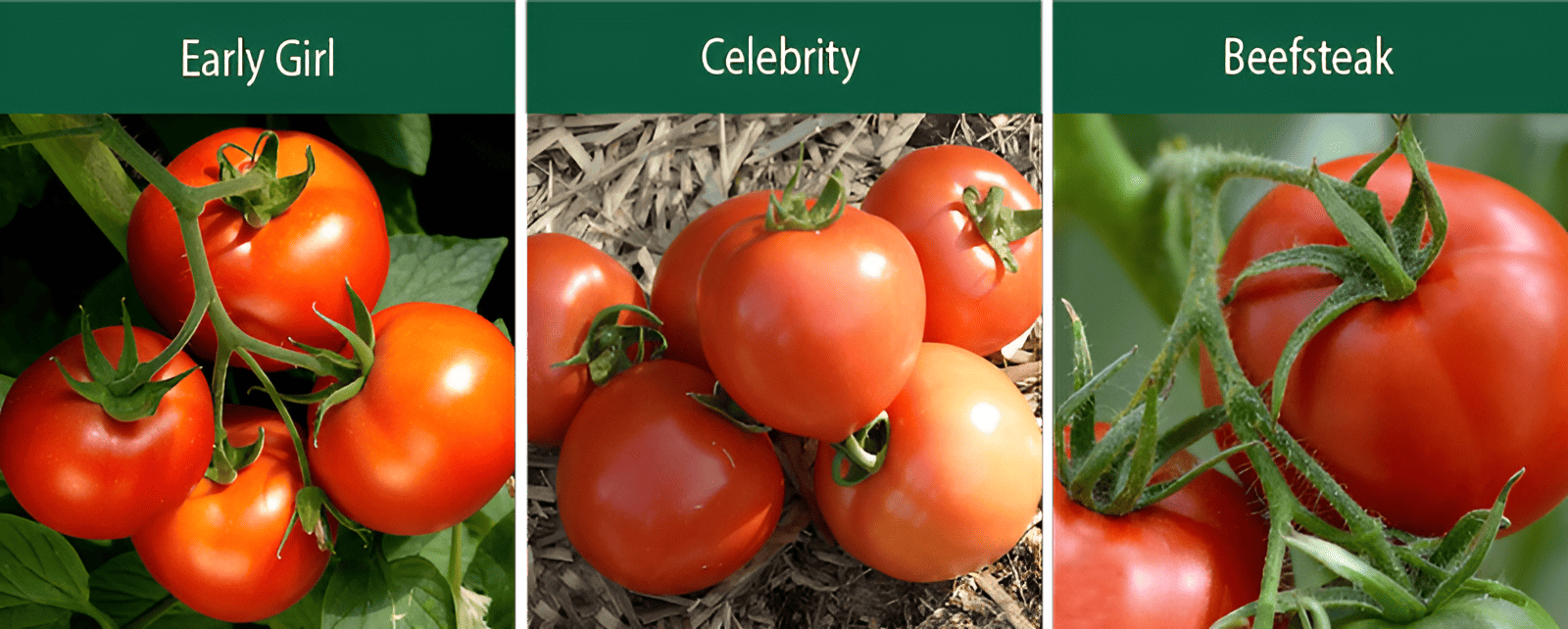
Red tomatoes remain the most widely grown and recognized tomato varieties in gardens and farms around the world. Many classic red tomatoes grow on vigorous indeterminate plants that continue producing fruit throughout the season. These varieties range from large beefsteak slicing tomatoes to medium-sized all-purpose garden tomatoes known for their balanced flavor and reliable yields.
Several popular red indeterminate tomato varieties include:
Beefsteak tomatoes are among the largest and most popular slicing tomatoes. The fruits are broad, slightly flattened, and often gently ribbed, with deep red skin and rich, juicy flesh. Known for their classic tomato flavor, beefsteak tomatoes are ideal for sandwiches, salads, and fresh garden dishes. Plants typically produce moderate yields, usually 10–15 large tomatoes per plant, and grow well in USDA zones 5–11.
Big Boy tomatoes are a well-known hybrid variety that produces large, smooth, bright red fruits with a sweet and balanced flavor. The round tomatoes are excellent for slicing and fresh eating. Big Boy plants are vigorous growers and productive throughout the season, often yielding 40–60 fruits per plant in favorable conditions. They grow well in zones 5–11.
Early Girl tomatoes are valued for their ability to ripen earlier than many other indeterminate varieties. The medium-sized, round tomatoes have bright red skin and a slightly tangy flavor. Plants produce reliable harvests of about 15–25 fruits per season and perform well in a wide range of climates, typically growing in zones 4–10.
Celebrity tomatoes are a dependable garden variety known for their smooth, round fruits and balanced sweet flavor. The bright red tomatoes have firm, juicy flesh and work well for slicing, salads, and cooking. Celebrity plants are productive growers that can yield 40–60 fruits per plant and perform well in USDA zones 5–11.
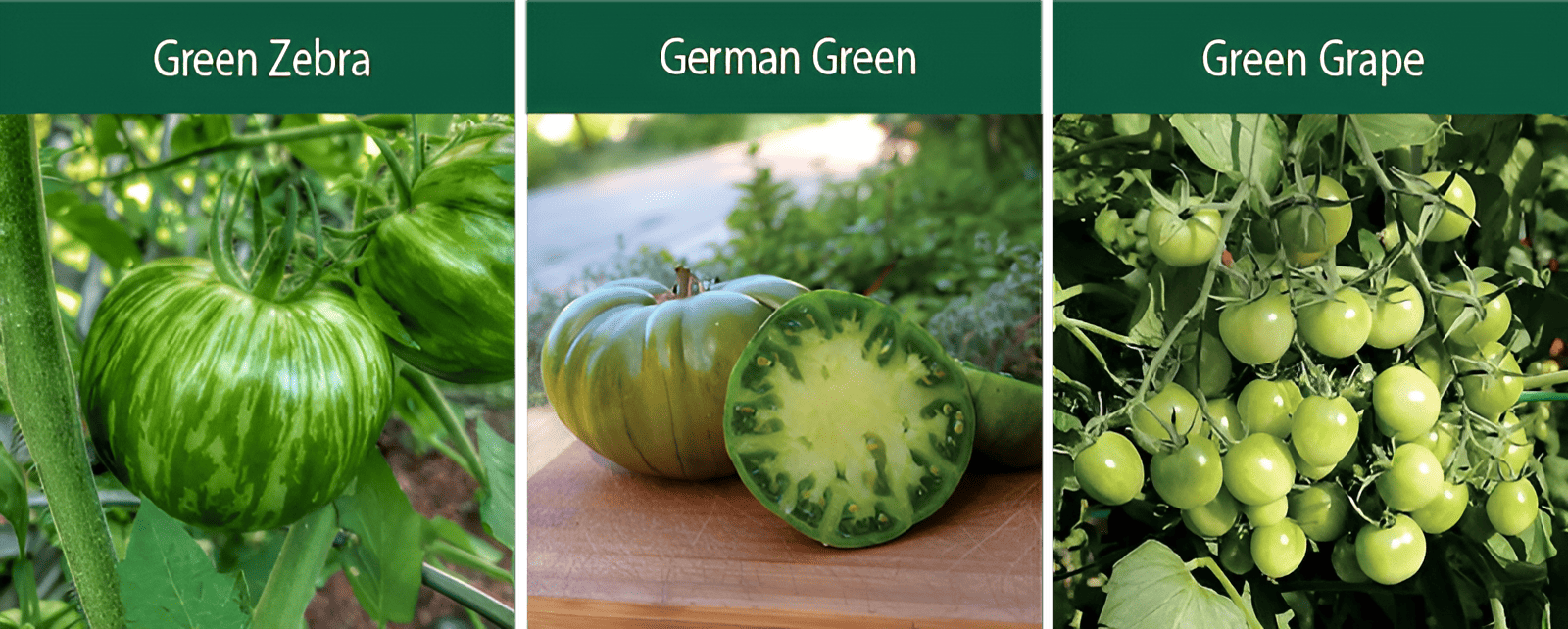
Green indeterminate tomatoes are prized for their distinctive color, complex flavor profiles, and heirloom heritage. Unlike typical red tomatoes, these varieties remain green when fully ripe and often develop sweet, tangy, or slightly citrus-like flavors. Because they are indeterminate plants, they continue growing and producing fruit throughout the season, making them popular choices for home gardens and specialty tomato growers.
Some of the most notable green indeterminate tomato varieties include:
Green Zebra is one of the most recognizable green tomato varieties, known for its vibrant green skin streaked with darker green stripes. The fruit is small to medium-sized with a bright, slightly tart flavor that works well in salads and fresh dishes. Plants are productive indeterminate growers that can produce approximately 20–30 fruits per plant. Green Zebra tomatoes thrive in growing zones 6–11 and have a firm, juicy texture.
This heirloom tomato produces medium to large fruits with a pale green to greenish-pink color when fully ripe. Aunt Ruby’s German Green tomatoes are known for their rich, sweet flavor balanced with a mild tang. The fruits are slightly flattened and may show gentle ribbing. Plants typically yield around 10–15 large tomatoes per plant and perform well in growing zones 5–11. The flesh is soft, juicy, and highly regarded for slicing.
Green Grape tomatoes are small, round cherry-style tomatoes with a bright green color and a sweet, slightly tangy taste. They grow in clusters and are highly productive, often producing 50–60 fruits per plant over the growing season. This variety grows well in zones 5–11 and produces firm, juicy fruits that are excellent for snacking and salads.
Green Vernissage is a small cherry-type tomato with bright green skin and subtle striping. The fruits are slightly elongated and often have a pointed or teardrop shape. Known for their balanced sweet and tangy flavor, these tomatoes are highly productive, with plants capable of producing 50–60 fruits or more per plant. Green Vernissage performs well in zones 5–11 and has a crisp, juicy texture ideal for fresh eating.
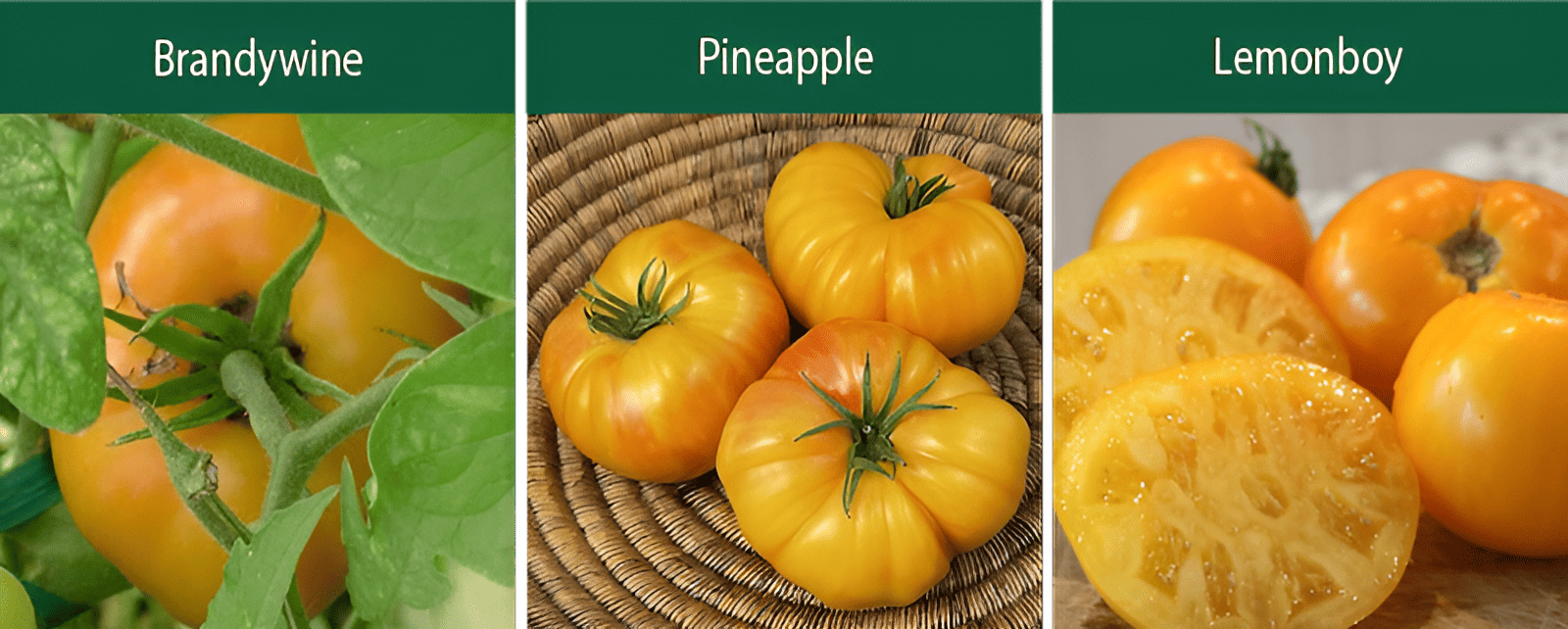
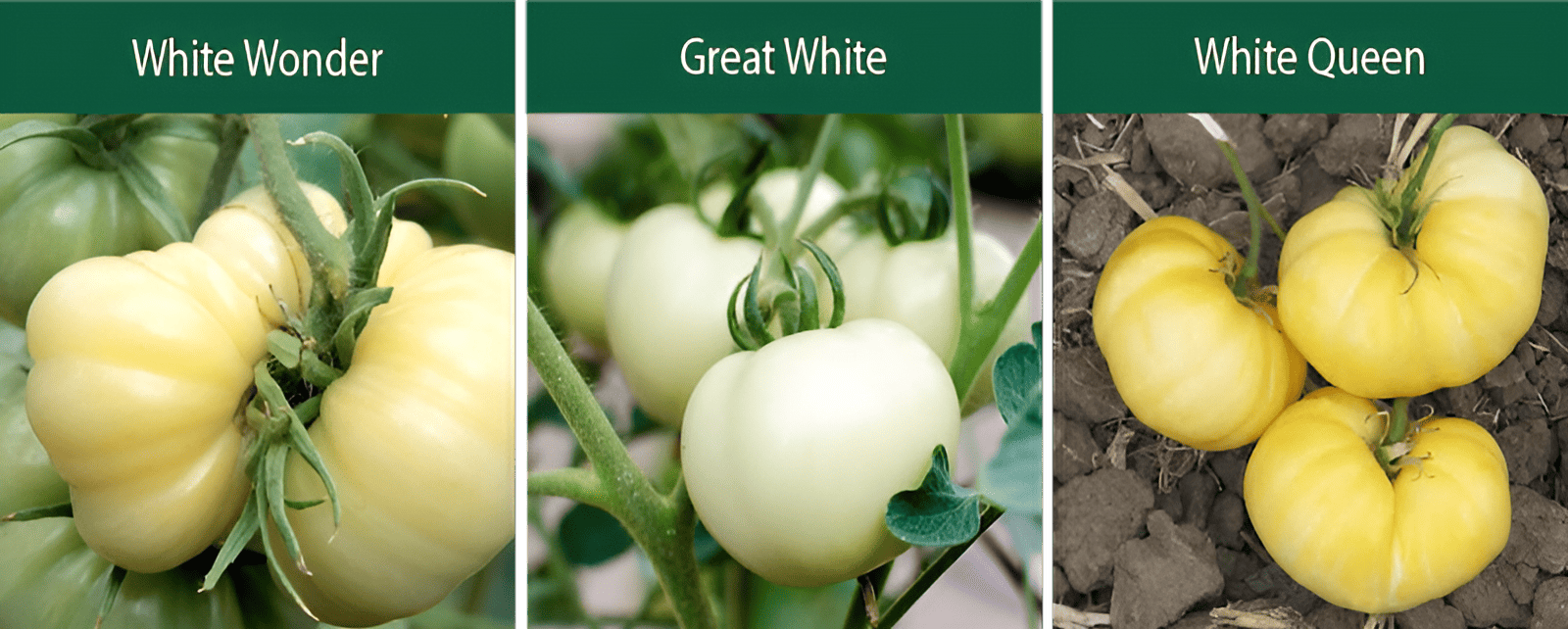
White indeterminate tomatoes are prized for their pale, creamy color and mild, sweet flavor. Unlike traditional red tomatoes, these varieties develop a soft ivory or pale yellow hue when ripe and often contain low acidity, making them popular for fresh eating and slicing. Because they are indeterminate plants, these tomatoes continue growing and producing fruit throughout the season when supported by staking or trellising.
Several well-known white tomato varieties are valued for their unique flavor, appearance, and productivity:
White Wonder tomatoes are medium-sized fruits with a creamy white to pale yellow color and a mild, slightly sweet taste. The fruits are round with smooth skin and a tender, juicy interior. Plants are moderately productive and typically produce around 15–20 tomatoes per plant. White Wonder performs well in growing zones 5–11 and is often used fresh in salads and sandwiches.
Great White is a large heirloom beefsteak tomato known for its creamy ivory color and rich, sweet flavor with very low acidity. The fruits are slightly flattened and may show gentle ribbing typical of beefsteak tomatoes. Plants generally produce 10–15 large fruits per season and grow best in zones 5–11. Because of their size and flavor, Great White tomatoes are excellent for slicing.
White Queen tomatoes are a smaller indeterminate variety producing smooth, pale white fruits with a delicate sweetness. Plants are highly productive, often yielding 50–60 fruits per plant over the growing season. These tomatoes thrive in zones 5–11 and have a soft, juicy texture that works well for fresh eating, salads, and garden harvest baskets.
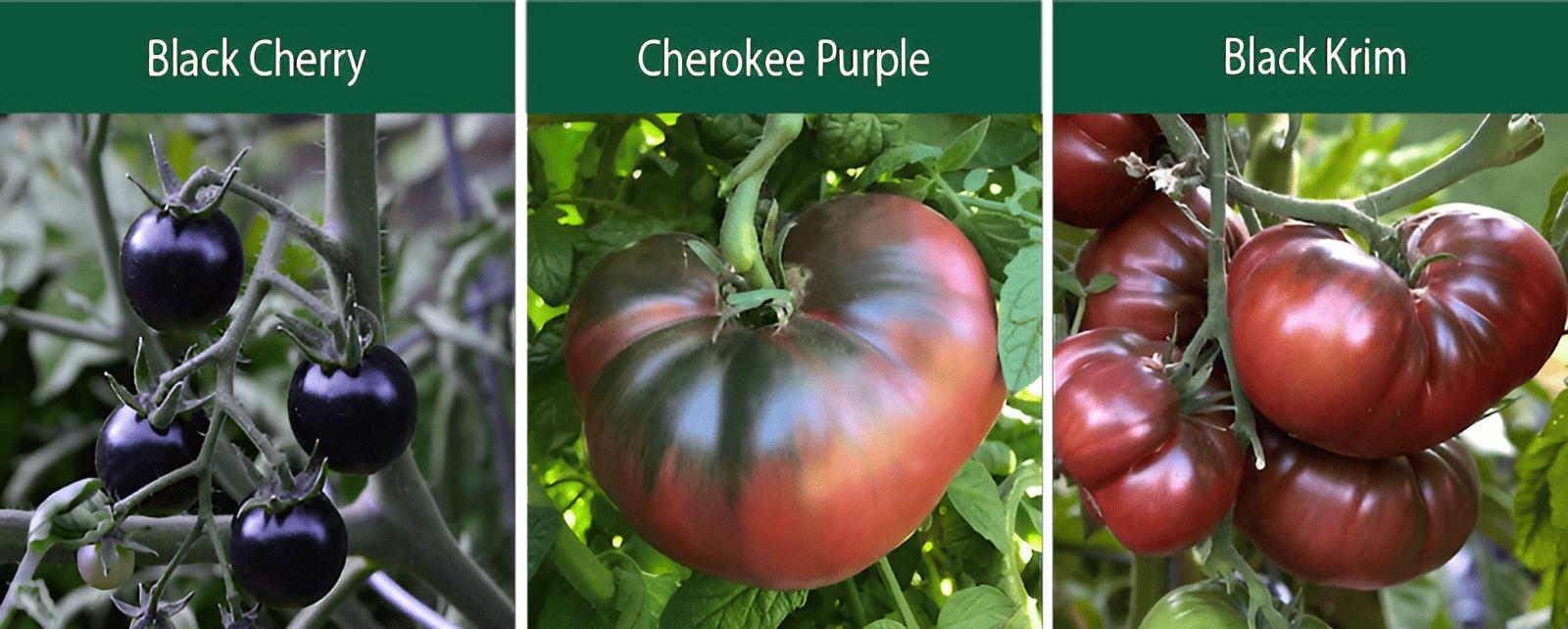
Black indeterminate tomatoes are prized for their deep burgundy, mahogany, or purple-black color and their rich, complex flavor. Many of these tomatoes are heirloom varieties known for their balance of sweetness, acidity, and subtle smoky notes. Because they are indeterminate plants, they continue growing and producing fruit throughout the season, making them a favorite among home gardeners and specialty tomato growers.
Several well-known black tomato varieties stand out for their distinctive color, flavor, and productivity:
Black Cherry tomatoes are small, round cherry tomatoes with a deep purple-brown color and a sweet, complex flavor. These highly productive plants can yield 50–60 fruits or more per plant over the season. Black Cherry tomatoes thrive in growing zones 5–11 and have a firm, juicy texture that makes them excellent for salads, snacking, and fresh garden harvests.
Cherokee Purple is one of the most famous heirloom tomatoes, producing large beefsteak-style fruits with a dusky purple color and exceptional flavor. The tomatoes are slightly flattened and often show gentle ribbing. Plants typically produce around 15–20 fruits per season and grow well in zones 5–11. Cherokee Purple tomatoes are especially valued for slicing and fresh eating.
Black Krim tomatoes originated in the Black Sea region and are known for their rich, slightly salty flavor and dark maroon skin. These large beefsteak tomatoes often have green shoulders and a flattened shape. Plants produce moderate yields of approximately 15–20 fruits and perform well in zones 5–11. Black Krim tomatoes are widely used in salads, sandwiches, and fresh dishes.
Paul Robeson tomatoes are medium to large fruits with a deep reddish-brown color and a distinctive smoky, sweet flavor. The fruits are slightly flattened with gentle ribbing and a firm, meaty texture. Plants typically produce about 12–15 fruits per season and grow successfully in zones 5–11. This heirloom variety is highly regarded for its rich taste and is often used for slicing or gourmet cooking.
Many of the world’s most flavorful heirloom tomatoes originated in Europe, where centuries of seed selection produced varieties prized for their exceptional taste, productivity, and culinary versatility. European indeterminate tomato plants grow continuously throughout the season, producing new flowers and fruit clusters until frost. These varieties range from small cherry tomatoes to large slicing and beefsteak types, each with distinctive flavors and textures suited for fresh eating, salads, sauces, and traditional Mediterranean cooking.
Some well-known European indeterminate tomato varieties include:
Green Zebra tomatoes are a small to medium-sized heirloom variety known for their bright green skin and darker green stripes. The fruits have a slightly tart, tangy flavor and a firm, juicy texture that works well in salads and fresh dishes. Plants are moderately productive, often producing 20–30 fruits per plant. Green Zebra performs well in growing zones 6–11.
German Johnson tomatoes are a large beefsteak-style heirloom with pale pink skin and rich, sweet flavor. The fruits are slightly flattened with gentle ribbing and a soft, juicy interior. Plants typically produce around 15–20 large fruits per season and grow well in zones 5–11. This variety is especially valued for slicing and fresh sandwiches.
Yellow Pear tomatoes are small, pear-shaped cherry tomatoes with bright yellow skin and a mild, sweet flavor. These highly productive plants can yield 50–60 fruits or more throughout the season. Yellow Pear tomatoes grow well in zones 6–11 and are commonly used in salads, snacking, and garden harvest baskets.
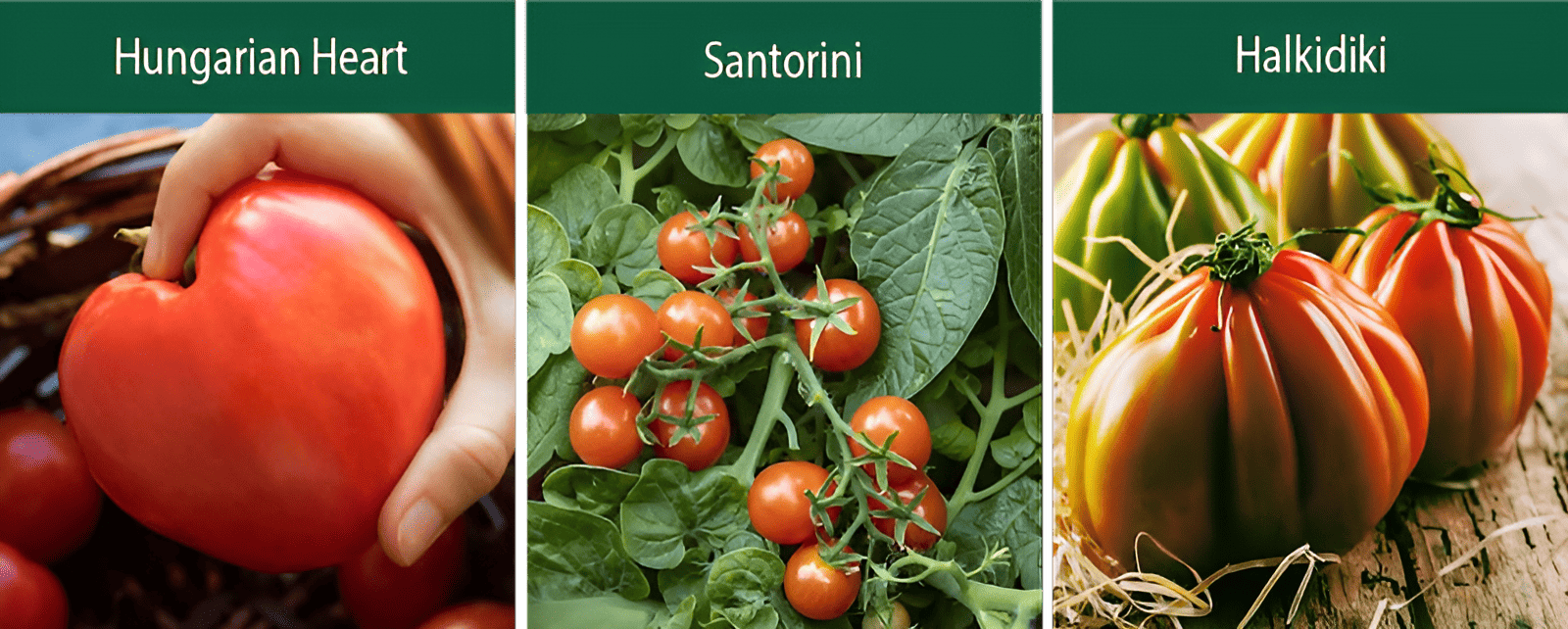
Hungarian Heart tomatoes are large, heart-shaped fruits with deep red skin and dense, meaty flesh. They are known for their rich, sweet flavor and relatively low seed content, making them excellent for slicing and sauces. Plants generally produce about 12–15 fruits per season and thrive in zones 6–11.
Santorini tomatoes originate from the Greek island of Santorini and are adapted to dry Mediterranean growing conditions. The fruits are small to medium-sized with deep red color and concentrated, sweet flavor. Plants typically produce 20–30 fruits and grow well in zones 5–11.
Greek Slicing tomatoes are medium to large red tomatoes known for their balanced sweetness and firm, juicy flesh. These tomatoes are excellent for fresh salads and traditional Mediterranean dishes. Plants are highly productive and can yield 40–50 fruits per plant in favorable conditions.
Halkidiki tomatoes are a Greek heirloom variety producing medium to large fruits with bright red skin and sweet, juicy flesh. The slightly flattened fruits may show gentle ribbing. Plants produce moderate yields of about 20–30 fruits and grow well in zones 5–11.
Amoroso tomatoes are a productive European variety known for their smooth red fruits and sweet, rich flavor. Plants are vigorous indeterminate growers capable of producing 40–50 tomatoes per season in warm climates. The fruits have a firm, juicy texture suitable for fresh eating and cooking.
Gartenperle tomatoes are a small, cherry-style tomato with bright red fruits and a sweet flavor. Plants are extremely productive, often producing 100–150 tomatoes per plant throughout the growing season. Gartenperle performs well in zones 5–11 and is popular for container gardens and fresh snacking.
Japan has developed several highly regarded tomato varieties known for their exceptional flavor, balanced sweetness, and smooth texture. Many Japanese tomato cultivars are bred for fresh eating, with an emphasis on sweetness, uniform fruit shape, and high productivity. Like other indeterminate tomato plants, these varieties continue growing and producing fruit throughout the season until stopped by frost or disease.
Popular Japanese and Japanese-inspired indeterminate tomato varieties include:
Momotaro tomatoes are among the most famous tomato varieties in Japan. These medium-sized tomatoes have smooth red skin, a round shape, and a rich balance of sweetness and acidity. Momotaro plants are highly productive and can yield up to 40–50 tomatoes per plant under ideal growing conditions. The fruits are firm yet juicy, making them excellent for slicing, salads, and fresh eating. They perform best in warm climates and are commonly grown in USDA zones 9–11.
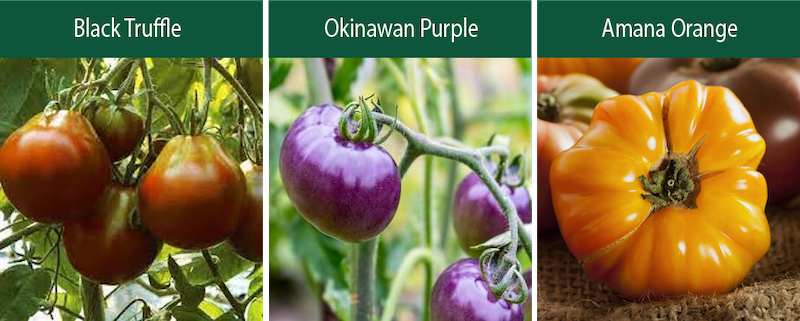
Black Truffle tomatoes are a distinctive heirloom variety prized for their deep, complex flavor and unique pear-shaped fruit. The tomatoes ripen to a dark reddish-brown or purple color and have dense, meaty flesh with a slightly smoky taste. Plants typically produce 20–30 fruits per season and grow vigorously in warm climates. Black Truffle tomatoes are well suited for fresh salads, roasting, and gourmet dishes.
Amana Orange tomatoes are large beefsteak-style tomatoes known for their bright orange color and sweet, mild flavor. Individual fruits can weigh up to one pound or more, with a soft, juicy texture that makes them excellent for slicing. Indeterminate plants are vigorous growers and can produce 15–25 large fruits throughout the season in warm growing zones.
Okinawan Purple tomatoes are a visually striking variety producing small to medium-sized fruits with deep purple coloration. The tomatoes offer a slightly tangy, complex flavor and firm, meaty flesh. Plants are productive and can yield 40–60 fruits per season in favorable conditions. These tomatoes thrive in warm climates and are typically grown in zones 9–11.
The United States has produced many of the world’s most famous heirloom tomato varieties. American indeterminate tomatoes are known for their large fruit size, rich flavor, and extended harvest season. Because these plants continue growing and producing fruit until frost, they are popular with home gardeners, market growers, and small farms looking for steady harvests throughout the summer and fall.
Several classic American indeterminate tomato varieties include:
Cherokee Purple: Cherokee Purple is one of the most celebrated American heirloom tomatoes. The large, slightly flattened fruits develop a deep purple-red color with green shoulders and a rich, complex flavor that balances sweetness and acidity. Plants typically produce 15–20 large beefsteak tomatoes per season. Cherokee Purple grows well in USDA zones 5–11 and is prized for slicing and fresh garden dishes.
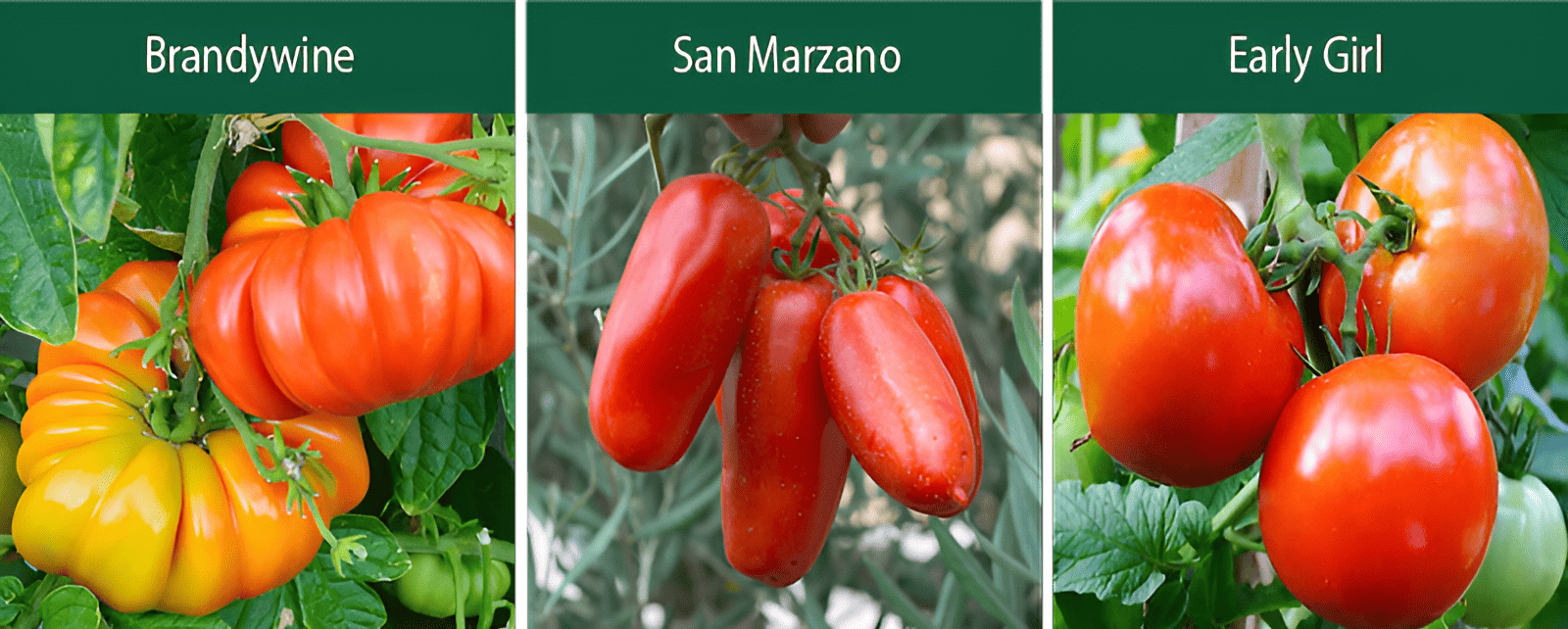
Brandywine tomatoes are legendary among heirloom gardeners for their exceptional flavor and large fruit size. The pink-red beefsteak tomatoes can weigh over a pound and have a sweet, complex taste with a soft, juicy texture. Brandywine plants tend to produce lower yields than many modern varieties, usually around 8–12 large fruits per plant, but the flavor is widely considered among the best of all tomatoes.
San Marzano tomatoes are an elongated, plum-style tomato prized for sauces and cooking. The fruits have bright red skin, dense flesh, and relatively few seeds, producing a rich, slightly sweet flavor when cooked. Indeterminate plants are vigorous producers and can yield 40–50 fruits per plant under favorable conditions. San Marzano tomatoes are commonly grown in zones 5–11.
Early Girl tomatoes are a widely grown variety known for their reliability and early harvest. The medium-sized round fruits ripen earlier than many other indeterminate tomatoes and have a balanced, slightly tangy flavor. Plants are productive, typically yielding 15–25 tomatoes throughout the season. Early Girl performs well in USDA zones 4–10 and produces firm, flavorful tomatoes suitable for fresh eating, salads, and sandwiches.
Italy is famous for producing some of the world’s most flavorful tomato varieties. Many traditional Italian tomatoes are indeterminate plants, meaning they continue growing and producing fruit throughout the season until frost. These tomatoes are valued for their rich flavor, balanced acidity, and excellent performance in sauces, pastes, and fresh dishes. Italian heirloom tomatoes remain staples in Mediterranean cooking and home gardens around the world.
Several well-known Italian indeterminate tomato varieties include:
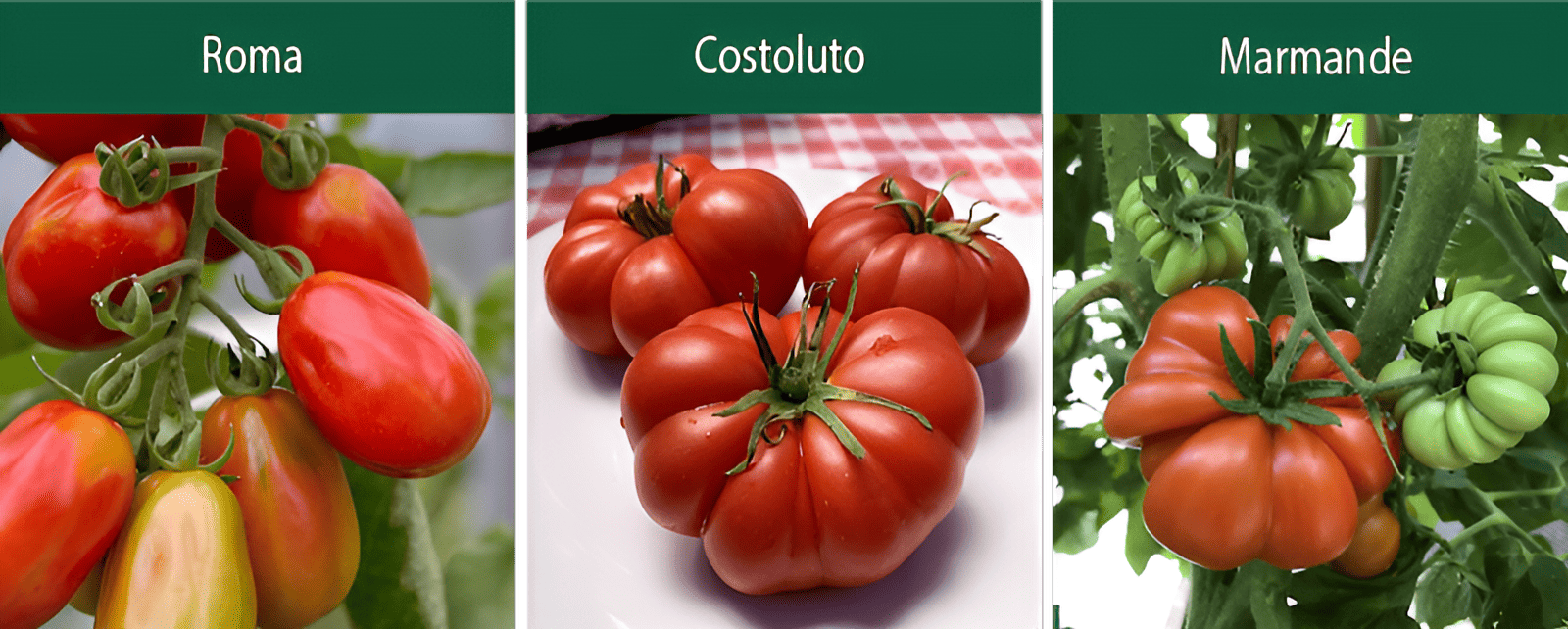
Roma tomatoes are a classic plum-style tomato known for their elongated shape, bright red color, and dense, meaty flesh. Because they contain fewer seeds and less moisture than many slicing tomatoes, they are widely used for canning, tomato paste, and sauces. Roma plants are highly productive and can yield 40–50 fruits per plant in favorable growing conditions. They grow well in USDA zones 5–11.
Costoluto Fiorentino is a traditional Italian heirloom tomato with deeply ribbed fruits and a rich red color. The large, slightly flattened tomatoes have a strong, classic tomato flavor with a balance of sweetness and acidity. Plants typically produce 10–15 fruits per season and grow well in zones 5–11. The juicy flesh makes them excellent for fresh salads, slicing, and rustic Italian cooking.
Marmande tomatoes are medium to large fruits with a flattened shape and gently ribbed shoulders. They develop a deep red color and a rich, slightly tangy flavor that works well for both fresh eating and cooking. Plants produce moderate yields of around 10–15 fruits per season and perform well in zones 5–11.
San Marzano tomatoes are one of the most famous Italian tomato varieties, traditionally grown near Mount Vesuvius. The fruits are elongated with bright red skin, dense flesh, and few seeds. Their sweet, low-acid flavor makes them ideal for sauces, pizza, and pasta dishes. Vigorous indeterminate plants can produce 40–50 fruits per season under good growing conditions and thrive in zones 5–11.
Heirloom tomatoes are open-pollinated varieties that have been preserved and passed down through generations of farmers and gardeners. Many heirloom tomatoes are indeterminate plants, meaning they continue growing, flowering, and producing fruit throughout the growing season until frost. These varieties are prized for their exceptional flavor, unique colors, and distinctive fruit shapes that differ from modern hybrid tomatoes.
Some notable heirloom indeterminate tomato varieties include:
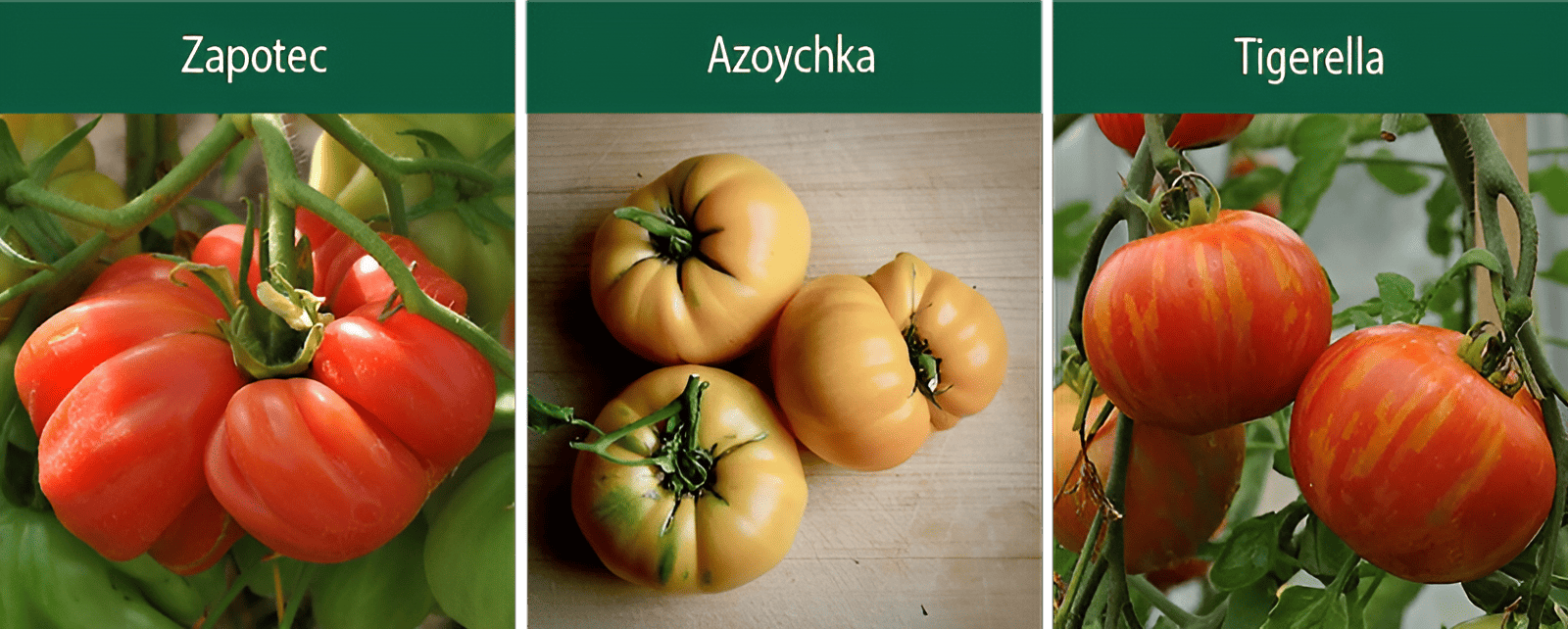
Zapotec Pink Ribbed: Zapotec Pink Ribbed tomatoes are a striking heirloom variety known for their deeply ribbed shape and bright pink skin. The medium to large fruits have a sweet, rich flavor balanced with mild acidity. Plants produce moderate yields, typically generating 20–30 tomatoes per season. Zapotec Pink Ribbed tomatoes grow well in USDA zones 5–11 and have a firm yet juicy texture that works well for slicing and fresh dishes. Preserving heirloom tomato varieties like Zapotec Pink Ribbed helps protect crop genetic diversity and regional food traditions—an important goal highlighted by the The USDA notes that heirloom plants preserve valuable genetic traits that support resilient food systems .
Azoychka is a productive heirloom tomato with smooth, bright yellow fruits and a sweet flavor with subtle citrus notes. The medium-sized tomatoes are slightly flattened and often lightly ribbed. Azoychka plants are vigorous growers capable of producing 40–50 tomatoes per season in favorable conditions. This variety performs well in zones 5–11 and is valued for its firm, juicy flesh and attractive color.
Mexico Midget tomatoes are small cherry-sized fruits with bright red skin and an intense, sweet tomato flavor. These indeterminate plants are extremely productive, often yielding 100–150 cherry tomatoes throughout the growing season. The fruits have a smooth skin and juicy texture, making them ideal for fresh snacking, salads, and garden harvest bowls.
Tigerella tomatoes are a visually distinctive heirloom variety featuring red fruits streaked with golden-orange stripes. The medium-sized tomatoes have a balanced sweet-tart flavor and firm, juicy flesh. Tigerella plants are vigorous and productive, often producing 40–50 fruits per plant during the growing season. They grow well in zones 5–11 and are popular in home gardens for their appearance and flavor.
Roma-style tomatoes—often called paste or plum tomatoes—are prized for their dense flesh, low seed content, and concentrated flavor. These qualities make them ideal for sauces, tomato paste, canning, and drying. Many paste tomatoes grow on vigorous indeterminate plants that continue producing fruit throughout the growing season, providing a steady harvest for gardeners and market growers.
Several popular Roma-style and paste-type tomato varieties include:
The classic Roma tomato is a medium-sized, plum-shaped tomato with bright red skin and dense, meaty flesh. Known for its balanced sweet and slightly tangy flavor, Roma tomatoes are widely used for making tomato sauces, soups, and canned products. Plants produce moderate yields, typically around 20–30 fruits per plant, and perform well in USDA growing zones 5–11.
Amish Paste tomatoes are a well-known heirloom paste variety valued for their large size and rich flavor. The elongated fruits have thick, meaty flesh and relatively few seeds, making them excellent for sauces and tomato paste. Indeterminate plants are vigorous and productive, often yielding 25–35 fruits per season in favorable conditions. Amish Paste tomatoes grow well in zones 5–11.
Roma VF is an improved Roma-type tomato bred for disease resistance, particularly against Verticillium and Fusarium wilts (the “VF” designation). The medium-sized fruits have a classic plum shape, firm texture, and slightly sweet flavor. Roma VF plants are reliable producers that typically yield 25–35 fruits per plant and perform well in zones 5–11. Their dense flesh makes them ideal for cooking, canning, and processing.
Indeterminate tomatoes grow indeterminate tomato vines that continue to grow and produce fruit until killed by frost. Keeping fruit of the vine picked will keep the tomato plant producing until the end of both temperate, sub-tropical and tropical growing seasons. Strategic branch pruning provides room for fruit to size individually or in clusters. Indeterminate tomato vines growing over a Tomato Volcano support maximizes production and provides not only support for the plant but ambient air circulation, which prevents development of waterborne disease.
Turn your 1 acre into a high-yield, profitable farm.
Crop Circle Farms specializes in designing and building fully engineered, low-impact farm systems that use 90% less water, 85% less fertilizer, and deliver two to three times the yield of traditional farming.
Whether you have a vacant lot, an empty field, a resort, school, island community, or small family farm, we’ll build it from the ground up for you. Our team handles everything from farm layout and installation to irrigation, root systems, training, and first planting.
Contact Us to explore a custom Crop Circle Farm design for your property.
Help us expand our mission to revolutionize agriculture globally. We are seeking partners to implement Crop Circle Farms to feed people in need. Together, we can build scalable food production systems that save water, reduce costs, and feed thousands of people. Contact Growing To Give
Indeterminate tomatoes keep vining, flowering, and setting fruit all season until frost or disease stops them. They’re ideal for long, continuous harvests, especially when grown on strong trellises or supports such as Tomato Volcanoes . Determinate tomatoes, by contrast, stay compact and set most of their fruit in a short window, which is useful if you want a big, single harvest for canning. For a broader comparison of tomato growing options, see Growing Tomatoes .
Yes—most indeterminate varieties benefit from pruning and training to one or two main leaders. Removing suckers below the first flower truss improves airflow, reduces disease risk, and keeps vines manageable on string trellises, cattle panels, or Tomato Volcano trellis systems . In very hot climates, you can leave a few strategic suckers to provide extra shade for fruit while still keeping the canopy open.
Popular systems include string-and-clip trellises, Florida weave with heavy stakes, and archways made from livestock or cattle panels. The key is to install supports before vines sprawl. For high-density layouts, pair a strong vertical trellis with circular or spiral beds like those in Crop Circle Gardens so you can walk, prune, and harvest from all sides without compacting the root zone.
Keep soil consistently moist—deep, even watering is more important than watering every day. Drip irrigation under mulch is ideal. For fertility, go light on nitrogen and emphasize balanced nutrition. Build your base fertility with compost tea , mineral sources like nitrogen , phosphorous , and potassium , plus biological boosters such as microbial fertilizers and biochar . Too much nitrogen creates lots of leaves and few fruit.
Flower drop is usually caused by temperature extremes, low humidity, or inconsistent moisture. Keep irrigation steady, avoid letting plants wilt between waterings, and encourage pollination by gently shaking the trellis mid-morning. Companion strips of flowering plants from Companion Plants and pollinator habitat can also improve fruit set.
Cracking often happens when plants go from dry to suddenly wet—keep soil moisture even with mulch and drip, and pick ripe fruit promptly after heavy rain. Blossom end rot is linked to calcium imbalance and irregular watering. Build healthy soil structure with Building Soil , avoid damaging roots with deep cultivation, and don’t overload plants with late nitrogen that outpaces calcium uptake.
Common pests include aphids, whiteflies, hornworms, and spider mites, while diseases include early blight, septoria, powdery mildew, and various wilts and viruses. Practice crop rotation, follow guidance from Farm and Garden Pests and Garden Plant Diseases , use drip irrigation instead of overhead watering, and prune for airflow. Healthy, biologically active soil is your first line of defense.
In greenhouses, indeterminate tomatoes are often trained to single leaders on strings and managed with precise fertigation and humidity control. Outdoors, many growers use Florida weave or panel trellises and choose varieties tolerant of wind and weather. Either system benefits from circular layouts and targeted irrigation like those used in Farm In A Box and other Crop Circle Farms installations.
For maximum flavor, pick when fruit is fully colored and has a slight give to the touch. For better shelf life and fewer cracks, harvest at the “breaker” stage (when fruit just starts to blush) and finish ripening indoors. Regular harvesting encourages continuous flowering and new clusters. To estimate production potential per plant or per bed, you can use the Plant Yield Calculator or Garden Yield Calculator .
Crop Circle layouts place trellised indeterminate tomatoes on inner rings for easy access, efficient pruning, and strong airflow. Zoned drip irrigation and ground-level mulches target water directly to the root zone, saving inputs while improving fruit quality. Learn more about circular layouts and water-smart design in Crop Circle Gardens and Growing Tomatoes .