Microbial Fertilizers
Beneficial Microorganisms for Soil Biology
Microbial fertilizers enhance soil biology by improving nutrient cycling, root development, and stress resilience. They work synergistically with compost and regenerative practices to build long-term soil fertility.
Often referred to as biofertilizers, microbial fertilizers represent a groundbreaking transformation in sustainable agriculture. They offer an innovative alternative or a complement to traditional chemical fertilizers, which are frequently criticized for their adverse environmental impacts. Biofertilizers are founded on the principle of fostering a symbiotic relationship between plants and soil microorganisms, including bacteria, fungi, and algae.
When introduced to nutrient-depleted soils, microbial fertilizers help these microorganisms enhance soil fertility and support plant health, offering an environmentally friendly solution to boost crop growth and productivity.
These advanced fertilizers capitalize on the beneficial properties of soil microorganisms, enabling them to break down organic matter and synthesize vital nutrients essential for plant health. By encouraging root development and optimizing soil conditions for nutrient absorption, microbial fertilizers create a richer and more resilient soil ecosystem, leading to healthier, more productive crops.
The advantages of microbial fertilizers have the potential to revolutionize global farming practices. In addition to improving crop yields, they enhance soil health, retain moisture in arid conditions, and facilitate nutrient cycling, contributing to a more sustainable and adaptable agricultural system. Furthermore, reducing reliance on chemical fertilizers minimizes the negative environmental impacts associated with conventional farming.
As the world grapples with climate change and environmental degradation, transitioning to a more sustainable food production system is vital. Microbial fertilizers offer a promising pathway to achieve more resilient and eco-friendly agricultural practices.
| Factor | Synthetic Fertilizers | Microbial Fertilizers |
|---|---|---|
| Source | Chemical salts | Living organisms |
| Soil Biology | Often suppressed | Enhanced biodiversity |
| Water Retention | Neutral | Improved structure |
| Runoff Risk | Higher | Lower |
| Long-Term Soil Health | Declines | Builds fertility |

Biofertilizers may contain bacteria, fungi and other beneficial microorganisms selected for specific biological functions. For example, certain strains of Rhizobium form symbiotic relationships with compatible legumes such as peas, beans, lentils and alfalfa, where they colonize root nodules and participate in biological nitrogen fixation. Free-living nitrogen-fixing bacteria such as Azotobacter can fix nitrogen independently in the soil without forming these legume root nodules. Mycorrhizal fungi can extend the effective reach of plant roots through networks of fungal hyphae, helping compatible plants access nutrients and water from a larger volume of soil.
These biological processes can support nutrient cycling and plant nutrition, but their effectiveness depends on the microbial strain, host crop, soil conditions, climate and management practices.
Biological nitrogen fixation is the process by which specialized microorganisms convert atmospheric nitrogen into nitrogen compounds that can enter the soil-plant nutrient cycle. In agriculture, this process is especially important in associations between nitrogen-fixing bacteria and compatible crops.
Rhizobium species form specialized relationships with legumes and carry out nitrogen fixation within root nodules. Azotobacter, by contrast, is free-living and can fix atmospheric nitrogen without forming a symbiotic root nodule. Microbial inoculants containing appropriate nitrogen-fixing organisms may complement a broader fertility program, but nutrient requirements should still be managed according to the crop and soil.
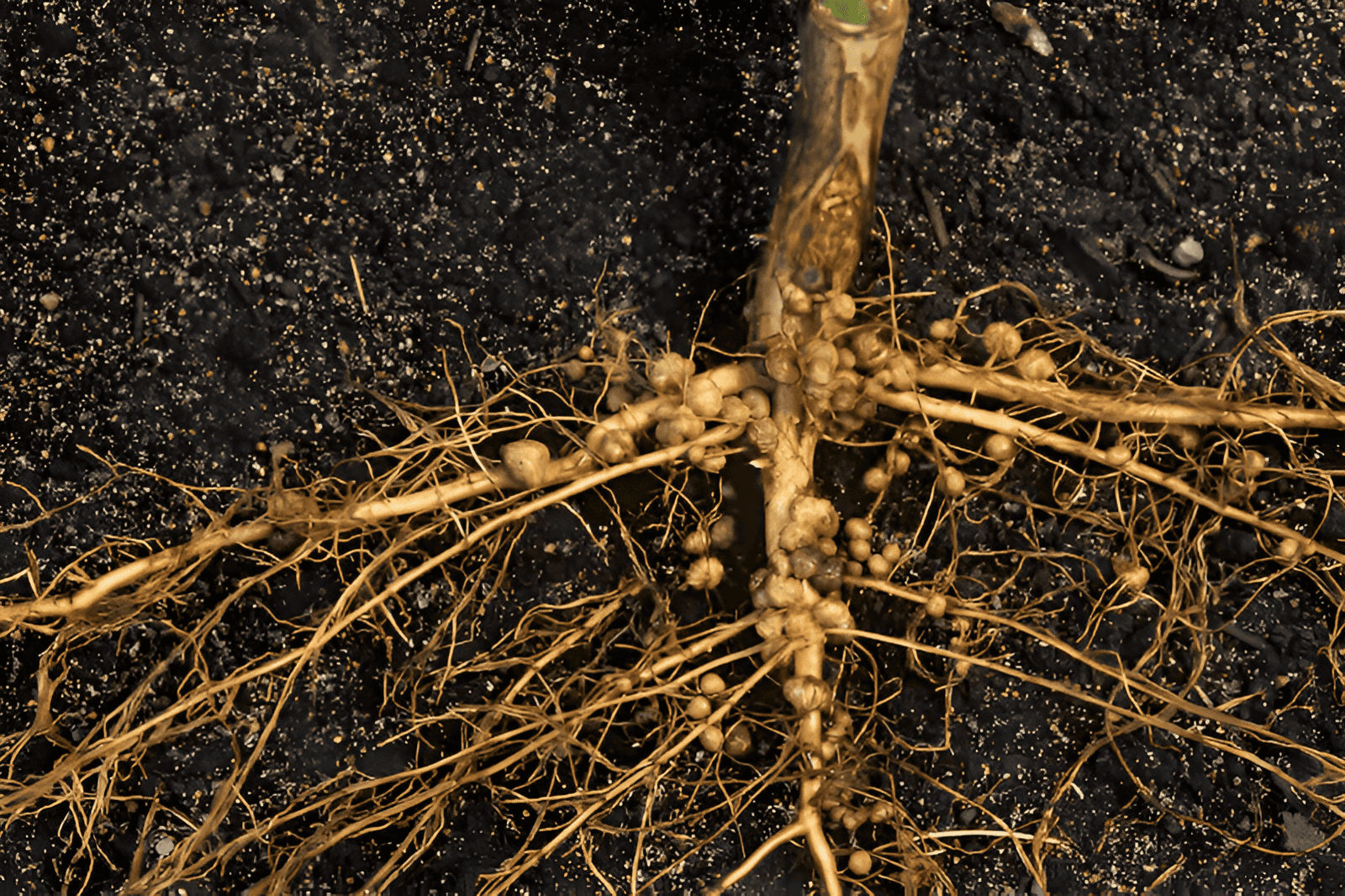
As previously mentioned, Rhizobium bacteria form nodules on plant roots, uniquely capturing nitrogen from the atmosphere as it settles into the soil. This nitrogen-fixing process transforms atmospheric nitrogen into ammonia, which plants can easily absorb and utilize, allowing them to thrive even in nutrient-poor soils.
This symbiotic relationship benefits not only the plants themselves but also a wide variety of leguminous crops, such as peas, beans, lentils, and alfalfa. Thanks to this natural process, these crops can grow robustly without heavy reliance on synthetic nitrogen fertilizers, offering a more environmentally friendly alternative for agricultural practices.
Additionally, this symbiosis enhances soil structure and fertility by replenishing nitrogen content and increasing organic matter. This leads to improved overall soil health, better water retention, and a more sustainable agricultural foundation in the long term.
Azotobacter, though less discussed in nitrogen fixation, plays an important role as a free-living nitrogen-fixing bacterium in microbial fertilizers. Unlike Rhizobium, which depends on a symbiotic relationship with plants, Azotobacter operates independently in the soil, fixing atmospheric nitrogen without the need for a host plant.
Found primarily in neutral or alkaline soils, Azotobacter efficiently contributes to soil fertility by enriching the nitrogen pool, benefiting non-nitrogen-fixing plants. This free-living bacterium provides a continuous supply of bioavailable nitrogen, eliminating the need for synthetic fertilizers.
Furthermore, Azotobacter improves soil structure and health by producing biopolymers that bind soil particles, reducing erosion. Its incorporation into microbial fertilizers supports plant growth and yield while fostering a resilient and sustainable agricultural ecosystem.
Phosphorus is a vital macronutrient for plant growth and development, yet it often exists in inaccessible forms in the soil. Beneficial microbes in microbial fertilizers play a critical role in making phosphorus bioavailable by converting these inaccessible forms into usable ones.
Phosphate-solubilizing bacteria, like Azospirillum, are a prime example of such microbes. These bacteria convert insoluble phosphate compounds in the soil into water-soluble forms, increasing phosphorus availability for plants.
This process, known as phosphate solubilization, enables plants to efficiently absorb and use phosphorus for photosynthesis. Farmers can leverage these bacteria to enhance phosphorus uptake, promote better plant growth, and achieve higher crop yields while reducing reliance on synthetic phosphorus fertilizers.
Azospirillum is a versatile bacterium celebrated for its dual ability to fix nitrogen and solubilize phosphate, making it invaluable for sustainable agriculture. These bacteria live freely in the soil or form loose associations with plant roots, significantly enhancing soil fertility and plant health.
Unlike Rhizobium, Azospirillum establishes a loosely linked symbiosis with plant roots, effectively supporting nutrient cycling. It fixes atmospheric nitrogen into a plant-usable form and simultaneously solubilizes phosphate, converting it into an absorbable form for plants.
This dual functionality enriches the soil’s nutrient profile and directly supports plant growth. By utilizing Azospirillum, farmers can adopt eco-friendly farming practices while reducing dependency on expensive chemical fertilizers.
Fungi play an essential role in microbial fertilizers, contributing to their effectiveness and diversity. Among these, mycorrhizal fungi are particularly important for promoting plant health and productivity through their symbiotic relationships with plant roots.
Mycorrhizal fungi form a symbiotic association known as mycorrhiza, where the fungal hyphae extend the root system’s reach, enhancing the plant’s ability to absorb nutrients. These hyphae access soil regions beyond the reach of roots, improving nutrient uptake—particularly phosphorus and nitrogen.
In exchange, the plant provides the fungi with carbohydrates and sugars from photosynthesis. This relationship not only boosts the plant’s nutrient availability but also enhances its resistance to stressors like diseases, drought, and nutrient deficiencies. Including mycorrhizal fungi in microbial fertilizers can significantly increase crop yields, sometimes by as much as 50%, depending on the crop.
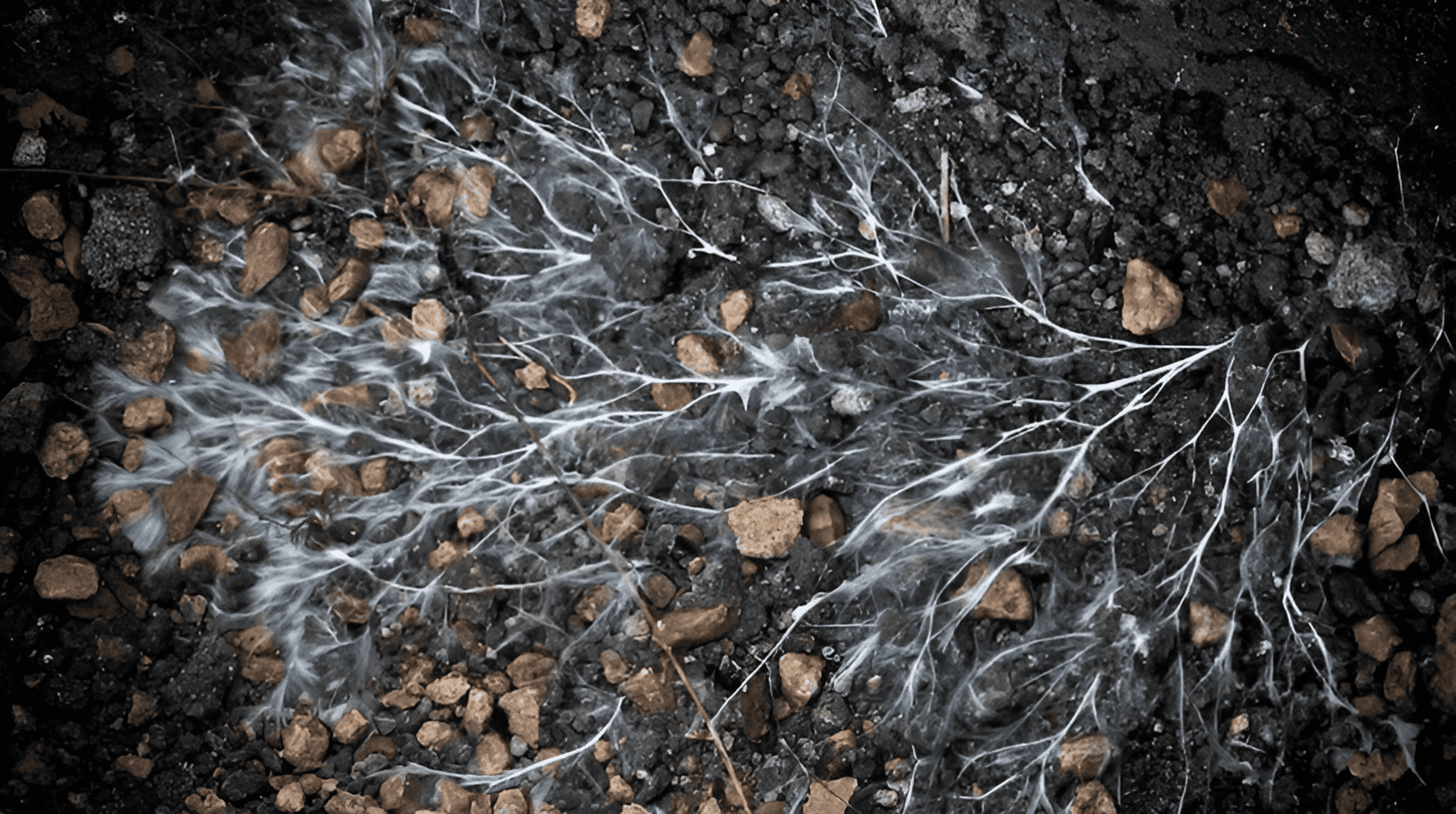
Mycorrhizal fungi form crucial partnerships with the roots of most plant species, establishing a complex symbiotic relationship that is integral to plant health and growth. These fungi significantly enhance a plant’s ability to acquire nutrients, particularly phosphorus—a critical nutrient often rendered unavailable due to its insolubility in soil. Mycorrhizal fungi facilitate the transformation of inaccessible phosphorus into plant-absorbable forms, enriching the nutrient supply available to the host plant.
In addition to nutrient acquisition, mycorrhizal fungi provide protective benefits by shielding plant roots from pathogens. By creating physical and biochemical barriers around the roots, these fungi reduce the risk of infections caused by disease-causing organisms. This protective role allows plants to allocate more resources toward growth and reproduction, improving overall productivity and yield.
The advantages of mycorrhizal associations extend further by improving plant resilience to environmental stressors such as drought. The extensive hyphal networks of these fungi enhance the plant’s access to water and nutrients, mitigating the effects of water scarcity. Mycorrhizal fungi also enable plants to thrive in challenging conditions, including nutrient-poor soils, heavy metal contamination, and extreme temperatures. As such, incorporating mycorrhizal fungi into microbial fertilizers not only promotes plant growth and yield but also bolsters the plant’s adaptability to environmental challenges, making them indispensable for sustainable agriculture.
Bioinoculants, which consist of living microorganisms, are vital to soil microbiology, offering numerous benefits for both soil and plants. When applied to seeds, plant surfaces, or directly into the soil, these microorganisms establish themselves in the rhizosphere—the zone surrounding plant roots—or within the plant itself. Bioinoculants enhance plant growth by improving the availability of essential nutrients like nitrogen, phosphorus, and potassium.
These inoculants also contribute to soil health and biodiversity. By introducing beneficial microbes, bioinoculants enrich the soil microbial community, fostering a complex and interactive ecosystem. This diverse microbial population is essential for processes like nutrient cycling, organic matter decomposition, and pathogen suppression, all of which are critical for maintaining soil fertility.
Healthier plants supported by bioinoculants contribute more organic matter to the soil, feeding microbial populations and improving soil structure. This mutually reinforcing relationship between plants and soil microbes underscores the role of bioinoculants in sustainable agriculture.
Microbial fertilizers are essential in organic farming systems. Given the prohibition of synthetic fertilizers in organic agriculture, microbial fertilizers serve as natural and ecologically sustainable nutrient sources, aligning with the principles of regenerative farming.
These fertilizers enhance soil health by stimulating the growth of beneficial soil organisms, such as bacteria and fungi, which play vital roles in maintaining soil structure and fertility. As these organisms thrive, they create a well-structured, nutrient-rich soil environment that retains moisture and supports robust plant growth.
Microbial fertilizers also facilitate efficient nutrient cycling, breaking down organic matter and releasing nutrients in plant-available forms. This natural process provides a steady supply of nutrients, reduces environmental nutrient loss, and supports a sustainable agricultural system.
Microbial fertilizers often include enzymes, which are biological catalysts that accelerate chemical reactions in the soil. These enzymes play a pivotal role in processes such as nutrient cycling and organic matter decomposition, directly enhancing soil fertility and plant health.
Enzymes break down complex nutrient compounds into simpler, plant-absorbable forms, improving the availability of essential nutrients like nitrogen, phosphorus, and potassium. They also facilitate the decomposition of organic matter, converting plant residues and other organic materials into nutrient-rich humus. This humus enhances soil structure, water retention, and nutrient supply, supporting long-term soil productivity.
Incorporating enzymes into microbial fertilizers amplifies their effectiveness, making them valuable tools for sustainable agricultural practices.
Microbial fertilizers are at the forefront of sustainable agriculture, offering benefits that promote efficient, resilient, and eco-friendly farming systems. They enhance nutrient availability in the soil, directly supporting improved plant growth, disease resistance, and yield.
By fostering a diverse microbial community, microbial fertilizers contribute to the development of fertile soil capable of sustaining long-term productivity. They also help mitigate environmental issues associated with synthetic fertilizers, such as nutrient runoff, soil degradation, and greenhouse gas emissions, providing a sustainable alternative for feeding a growing global population.
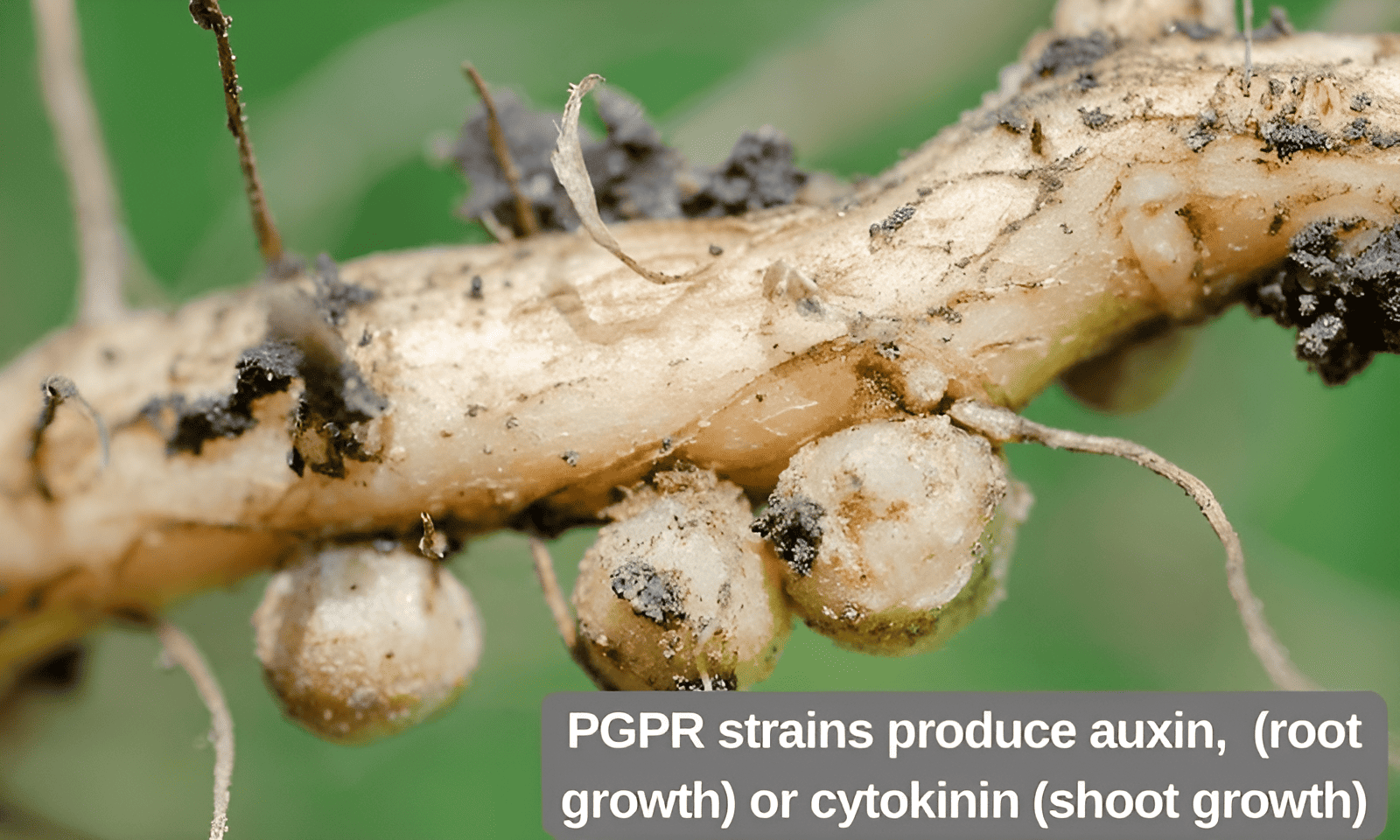
Plant Growth-Promoting Rhizobacteria (PGPR) are among the most effective microorganisms used in microbial fertilizers. These bacteria colonize the rhizosphere, fostering a beneficial microbial environment that enhances plant growth and productivity.
PGPR directly support plant growth by improving nutrient uptake, either by converting nutrients into accessible forms or by enhancing root absorption capabilities. Additionally, they suppress harmful pathogens by competing for resources or producing antimicrobial compounds, protecting plants from diseases.
PGPR also influence plant hormone levels, stimulating growth and development to further optimize yield. Their diverse benefits make PGPR a powerful component of microbial fertilizers, ensuring healthy crops and sustainable soil management.
Microbial fertilizers are integral to promoting and maintaining soil health, a cornerstone of sustainable agriculture. Their contributions significantly influence soil quality, ensuring long-term productivity and ecological balance.
One of the most critical roles of microbial fertilizers is fostering a diverse and resilient soil microbiome. By introducing beneficial microorganisms into the soil, these fertilizers enhance microbial biodiversity—an essential component of soil health. This vibrant microbial community performs vital functions, such as nutrient cycling, organic matter decomposition, and disease suppression, all of which support optimal plant growth and development. The interactions between these microbes and the soil environment create a dynamic ecosystem crucial for agricultural sustainability.
Microbial fertilizers also play a pivotal role in improving soil structure. Certain microbes, including fungi and specific bacteria, facilitate the formation of soil aggregates—clusters of soil particles bound by microbial secretions and plant roots. These aggregates enhance the physical properties of the soil by improving porosity, permeability, and its ability to retain water and nutrients. Enhanced soil structure promotes root penetration and function while reducing compaction, which can otherwise impede nutrient uptake and plant growth.
Another significant contribution of microbial fertilizers is their ability to enhance the soil's nutrient and water retention capacity. Microbial activity helps convert nutrients into plant-available forms while improving the soil’s ability to hold these nutrients for longer periods. Additionally, the microbes contribute to the soil's water-holding capacity, which is especially critical in arid and semi-arid regions, as it boosts plant resilience against drought conditions.
Furthermore, microbial fertilizers accelerate the decomposition of organic matter, a key process in nutrient recycling and soil fertility. The microbes introduced by these fertilizers break down plant residues, dead organisms, and other organic materials, converting them into nutrient-dense humus. This process enriches the soil with essential nutrients, ensuring a continuous supply for growing plants.
By nurturing a healthy soil microbiome, enhancing soil structure, improving nutrient and water retention, and facilitating the decomposition of organic matter, microbial fertilizers are indispensable tools for maintaining soil health and sustainability.
When used alongside compost, microbial fertilizers demonstrate their full potential by creating a synergistic effect. Compost provides a rich source of organic matter and nutrients, while microbial fertilizers amplify its benefits by breaking down complex organic compounds into plant-accessible forms. This combined approach results in a nutrient-rich, biologically active soil environment that supports vigorous plant growth, enhances soil fertility, and promotes sustainable agricultural practices.
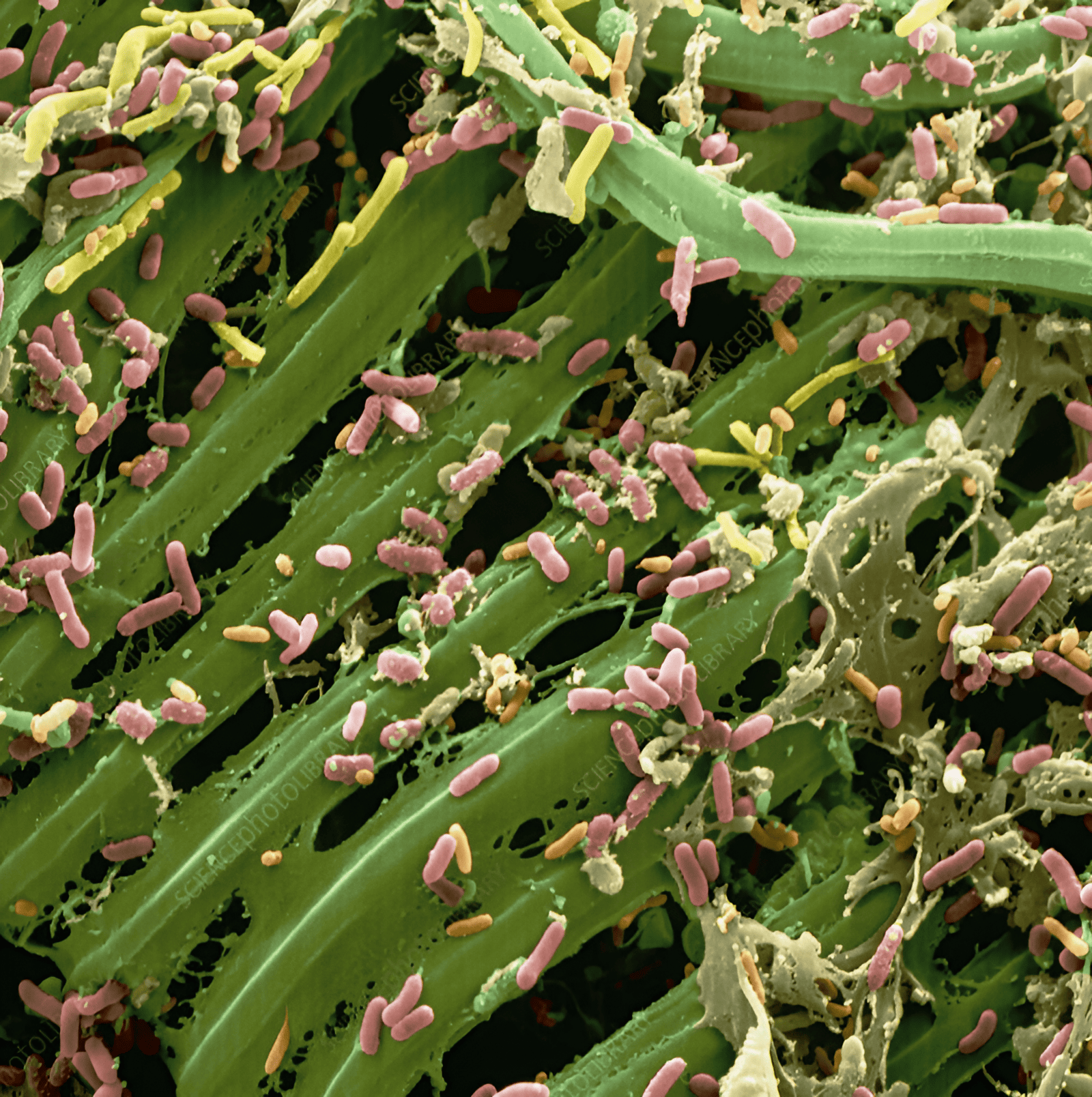
Compost is widely recognized for its rich organic matter and diverse nutrient content. It supplies essential macro- and micronutrients that support plant growth while also improving soil structure and moisture retention. However, many of these nutrients are released gradually as organic matter decomposes and may not be immediately available to plants.
This is where microbial fertilizers play a critical role. The beneficial microorganisms introduced through these fertilizers actively assist in breaking down the organic matter found in compost. Through various biochemical processes, these microbes convert complex organic compounds into simpler, plant-available nutrients. This transformation significantly enhances the bioavailability of nutrients within compost, optimizing its potential to support plant nourishment.
Moreover, the activity of these microbes contributes to the development of a dynamic and thriving soil ecosystem. Beneficial bacteria and fungi introduced by microbial fertilizers proliferate and interact with the existing soil microbiome, amplifying the benefits of compost on soil fertility, structure, and overall health. This enriched microbial activity promotes sustainable soil ecosystems capable of supporting long-term agricultural productivity.
The integration of microbial fertilizers with compost represents a comprehensive approach to soil management. By improving nutrient recycling and fostering a robust soil microbiome, this synergistic strategy enhances soil health, ensures efficient nutrient absorption, and promotes vigorous plant growth. This combination not only supports sustainable agricultural practices but also contributes to the resilience and productivity of farming systems in the face of environmental challenges.
Microbial fertilizers use beneficial microorganisms to support nutrient cycling, root development, soil biology, and plant access to essential nutrients. These frequently asked questions explain how biofertilizers work and the roles of mycorrhizae, PGPR, nitrogen-fixing bacteria, and compost.
Microbial fertilizers, often called biofertilizers, are products containing beneficial living microorganisms that help improve nutrient availability, support plant roots, and strengthen biological activity in the soil.
Beneficial microorganisms can help convert nutrients into forms that plants can absorb more easily. Depending on the organism, these processes can include nitrogen fixation, phosphate solubilization, nutrient mobilization, and the extension of root access through fungal hyphae.
Mycorrhizal fungi form symbiotic relationships with plant roots. Their hyphal networks extend beyond the root system, helping plants access water and nutrients, particularly phosphorus and nitrogen, from a larger volume of soil.
Plant growth-promoting rhizobacteria, or PGPR, are beneficial bacteria that colonize the area around plant roots. They can support nutrient availability, root development, plant growth, and competition against some harmful soil microorganisms.
Nitrogen-fixing bacteria convert atmospheric nitrogen into compounds that plants can use. Rhizobium forms symbiotic relationships with legumes, while free-living bacteria such as Azotobacter can fix nitrogen independently in the soil.
Yes. Compost supplies organic matter and nutrients, while beneficial microorganisms can assist with decomposition and nutrient cycling. Used together, they can help create a biologically active soil environment that supports soil fertility and plant growth.
Ready to improve the biological performance of your soil? Crop Circle Farms can help design a site-specific, water-efficient growing system that integrates soil biology, irrigation, crop selection, compost, and nutrient-management strategies. Contact Us to discuss a growing system tailored to your property and production goals.
Help support projects that strengthen local food production, soil health, and agricultural resilience. We work with partners interested in implementing practical growing systems in food-insecure communities, island regions, and water-stressed areas. Contact Growing To Give to support an initiative or program.