Climate Smart Farming
Advances in Climate Smart Agriculture
Climate-smart agriculture (CSA) is an integrated approach to agricultural development that aims to sustainably improve productivity and livelihoods, strengthen adaptation and resilience to climate change, and reduce or remove greenhouse gas emissions where feasible. Rather than prescribing a single farming method, CSA evaluates practices according to local environmental, economic, and social conditions.
Estimate yield per crop or planting area and compare efficiency gains over time.
Estimate garden-bed production, spacing, and seasonal output.
Model whole-farm output, efficiency, and scenario-based yield assumptions.
Plan container and home-garden setups with Root Tubes—spacing, inputs, and productivity estimates.
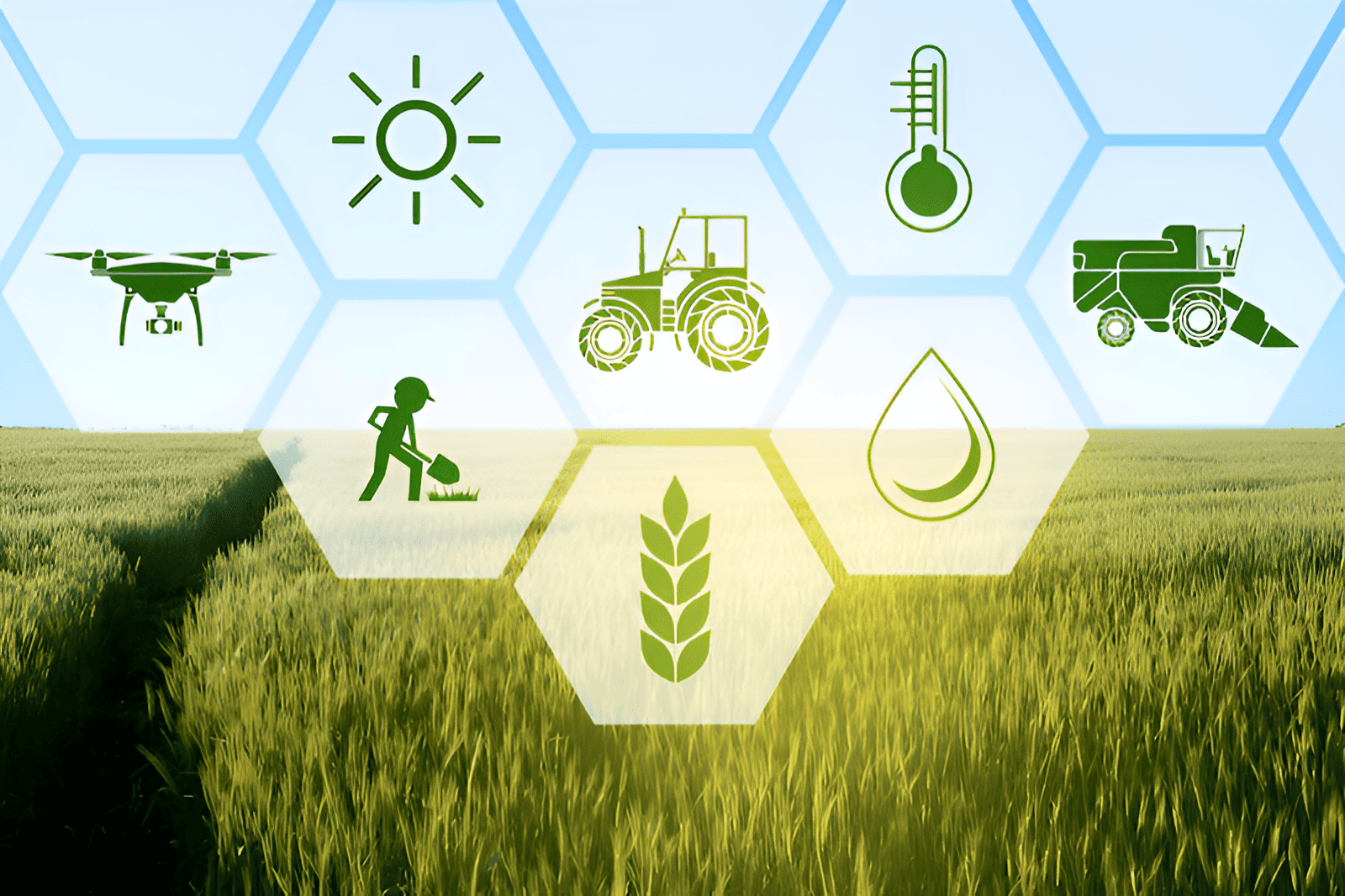
Climate-smart agriculture is commonly organized around three interconnected objectives: sustainably improving agricultural productivity and livelihoods, strengthening adaptation and resilience to climate change, and reducing or removing greenhouse gas emissions where feasible.
Adaptation includes changes that help farms cope with climate risks, such as adjusting crop varieties and planting dates, improving water management, diversifying production, protecting soil, and preparing for extreme weather.
Mitigation focuses on reducing greenhouse gas emissions or increasing carbon storage where practical. The appropriate balance among productivity, adaptation, and mitigation depends on local climate, farming system, resources, and development needs.
Water management is a critical component of climate-smart agriculture. Poorly managed irrigation can waste water, contribute to nutrient losses, increase salinity risks in susceptible areas, and create soil conditions that reduce crop performance.
Precision irrigation uses information about crop demand, soil conditions, weather, and irrigation-system performance to apply water more efficiently. Drip irrigation, soil moisture monitoring, irrigation scheduling, mulching, rainwater harvesting, and drought-adapted crop varieties can all contribute to more resilient water management.
Weather forecasts and soil-moisture measurements can help growers decide when irrigation is needed and reduce unnecessary applications. The usefulness and accuracy of these tools depend on local conditions, equipment, data quality, and management.
Crop diversification can reduce dependence on a single crop and spread production risk across crops with different growth characteristics, climate tolerances, and market uses. Depending on the farming system, diversification may also support soil health, biodiversity, nutrient cycling, and management of some pests and diseases.
Intercropping grows two or more crops together and can make use of different plant heights, rooting patterns, or growth periods. Results depend on crop compatibility, spacing, water and nutrient availability, climate, and management.
Crop rotation provides another form of diversification by changing crops or crop families over time. Well-designed rotations can improve nutrient cycling and help interrupt the life cycles of some crop-specific pests and diseases.
Farmers may also diversify income by combining staple crops, cash crops, livestock, specialty crops, or other agricultural enterprises. Greater diversity can reduce dependence on the performance or market price of a single product.
Agroforestry is a sustainable farming practice that combines the growing of trees and the cultivation of crops. Agroforestry can provide multiple benefits, including improved soil health, increased biodiversity, and enhanced carbon sequestration.
By providing shade, trees can reduce heat stress on crops such as coffee and livestock like cattle, improving their productivity. They can also help conserve soil moisture and reduce soil erosion in areas that experience bouts of heavy downpours. Trees can also provide commercial products like timber, fruits, assorted fungi, and fodder, diversifying farmers' income.
Agroforestry plays a significant role in climate change mitigation due to the fact that trees absorb carbon dioxide from the atmosphere, helping to reduce greenhouse gas emissions. In addition, trees that populate an agroforestry system can provide habitat for a wide range of wildlife species, contributing to biodiversity conservation.
Precision agriculture is a technology-based approach to small-scale farming that involves collecting and analyzing data to guide decision-making. It can help farmers use resources more efficiently, reduce environmental impact, improve crop yield and increase profit.
Farmers can use GPS technology to map their fields, monitor crop growth, and plan their week-to-week farming activities. They can also use remote sensing technology to monitor soil moisture, crop health, and potential for pest and disease outbreaks.
In some instances, precision agriculture uses automated machinery like drones and robotic harvesters, to carry out farming tasks more efficiently. The automation of farming tasks can save time, reduce waste, reduce labor costs, and virtually eliminate human error.
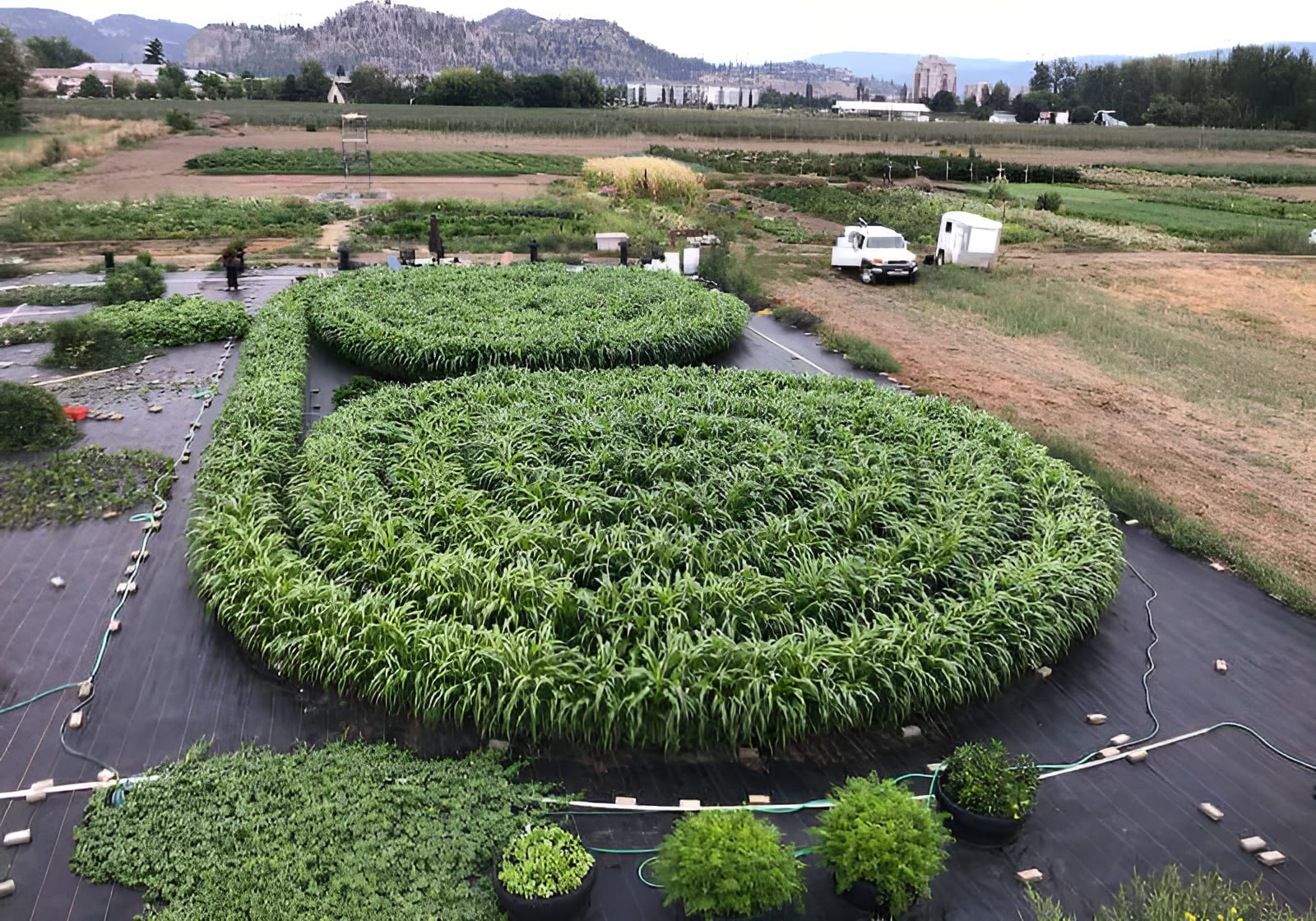
Accurate weather forecasting plays a vital role in climate smart agriculture. It helps farmers plan their seasonal farming activities, manage their water resources, and mitigate the risks associated with extreme weather events.
Farmers can use weekly weather forecasts to decide when to plant and harvest their crops, apply fertilizers and pesticides, and irrigate their fields. They can also use them to prepare for extreme weather events like droughts, floods, and heatwaves, by implementing appropriate adaptation strategies.
Accurate weather forecasting can also help farmers optimize their use of expensive (fertilizer) or scarce (water) resources and reduce their environmental impact. For example, by knowing when rain is expected, farmers can avoid unnecessary irrigation and reduce water wastage.
Renewable energy can play a significant role in improving supply chain efficiency in sustainable agriculture. By using renewable energy sources, like wind and solar power, farmers can reduce their reliance on fossil fuels, decrease their greenhouse gas emissions, and lower their energy costs.
Solar panels can be used to power farm machinery, irrigation systems, and farm buildings while wind turbines can be used to generate electricity for grain drying, water pumping, and other energy-intensive farming activities.
Renewable energy can also be used to power cold storage facilities and transport vehicles, reducing post-harvest losses and improving the quality and shelf life of agricultural products like grain and silage, which protects the integrity and sustainability of the agricultural supply chain.
Climate finance is used to fund agricultural projects that mitigate the harmful effects of climate change. In the context of sustainable agriculture, it supports adoption of climate smart practices, the development of climate-resilient infrastructure, and the research and development of new technologies.
Climate finance can come from public sources, such as government grants and subsidies, and private sources like bank loans, green bonds and social impact investments. It can also come from international sources, such as the Green Climate Fund and the Global Environment Facility.
Farmers can use climate finance to invest in water-efficient irrigation systems, renewable energy technologies, and soil conservation measures. They can also use it to diversify their crops, enhance their storage and processing facilities, and improve access to markets.

Conservation agriculture is a farming system built around three linked principles: minimum mechanical soil disturbance, permanent organic soil cover using crop residues or cover crops, and diversification of crop species through rotations or associations.
Reducing soil disturbance can help protect soil structure and reduce erosion, while maintaining organic cover protects the soil surface and can moderate moisture and temperature conditions. Crop diversification can support nutrient cycling and help interrupt some pest and disease cycles.
The effects on yield, soil carbon, labor, costs, and profitability vary by climate, soil type, crop, management system, and length of adoption. Conservation agriculture should therefore be adapted to local agronomic conditions rather than treated as a guaranteed way to increase yield or income.
Integrated pest management (IPM) is a sustainable approach to managing pests and diseases. It involves a combination of biological, cultural, and chemical methods to keep pest populations under control.
IPM starts with regular monitoring and accurate identification of pests. This is followed by the implementation of preventive measures, such as crop rotation, intercropping, and the use of pest-resistant plant varieties. If the pest problem persists, farmers can use biological control methods like natural predators, parasites, and pathogens, to reduce their numbers.
Only when these measures are insufficient should farmers resort to chemical pesticides. And even then, they should use them judiciously, targeting specific pests and minimizing harm to non-target organisms, particularly in those that live in the soil. By reducing reliance on chemical pesticides, IPM can help protect both the environment and human health.
Nutrient management is also a critical component of climate-smart agriculture. It involves the efficient use of fertilizers to meet crop nutrient needs while minimizing nutrient losses or damage to the environment.
Precision nutrient management, which involves applying the right amount of fertilizer at the right time and in the right place (like what can be accomplished following no-till agriculture practices, for example) can help achieve this balance. Nutrient management can be guided by soil testing, crop monitoring, and nutrient budgeting.
Cover cropping and composting are also effective nutrient management strategies. They can improve soil fertility, increase nutrient recycling, and reduce the need for synthetic fertilizers.
Nutrient management also plays a significant role in climate change mitigation. By reducing nutrient losses, it can help minimize the emissions of nitrous oxide, a potent greenhouse gas.
Agricultural carbon markets can provide incentives for farmers and landowners who adopt eligible practices that reduce greenhouse gas emissions or increase verified carbon sequestration. Depending on the program, qualifying practices may include improved nutrient management, agroforestry, cover cropping, reduced soil disturbance, diversified cropping systems, and other approved land-management practices.
Carbon credits generally represent verified greenhouse gas reductions or removals measured according to an accepted protocol. Farmers may be able to sell qualifying credits into voluntary or regulated carbon markets, but participation requirements, verification costs, contract terms, permanence rules, measurement methods, and payment levels vary among programs.
Carbon markets can create an additional revenue opportunity, but adopting a sustainable farming practice does not automatically create a saleable carbon credit. Projects generally require baseline measurements, documentation, monitoring, verification, and compliance with the rules of the specific carbon program.
Maintaining a diversity of crops, livestock, trees, and natural habitats can strengthen the ecological resilience of agricultural landscapes. Diverse farming systems can provide habitat for pollinators and beneficial organisms, reduce dependence on a single crop or income source, and help farms respond to changing weather, pest pressure, and market conditions.
Crop rotations, intercropping, mixed farming systems, and diversified plantings can also support nutrient cycling and reduce the risk that a single pest, disease, or climate event affects the entire farm. The benefits depend on the crops, livestock, landscape, climate, and management system.
Conserving natural and semi-natural habitats such as hedgerows, woodlands, buffer strips, field margins, and wetlands can provide habitat for wildlife and beneficial insects. These areas may also contribute to ecosystem services such as pollination, biological pest control, erosion reduction, water filtration, and protection of waterways.
Technology can provide farmers with additional tools for improving productivity, managing climate risks, and using water, nutrients, energy, and labor more efficiently. Climate-smart technologies can range from relatively simple soil-moisture sensors and weather stations to remote sensing, precision application equipment, decision-support software, automation, and advanced crop-improvement technologies.
The value of a technology depends on whether it addresses a real farm-management need, produces reliable information, is economically practical, and can be maintained under local conditions. Technology is most effective when combined with sound agronomy, accurate monitoring, farmer knowledge, and appropriate management rather than treated as a substitute for them.
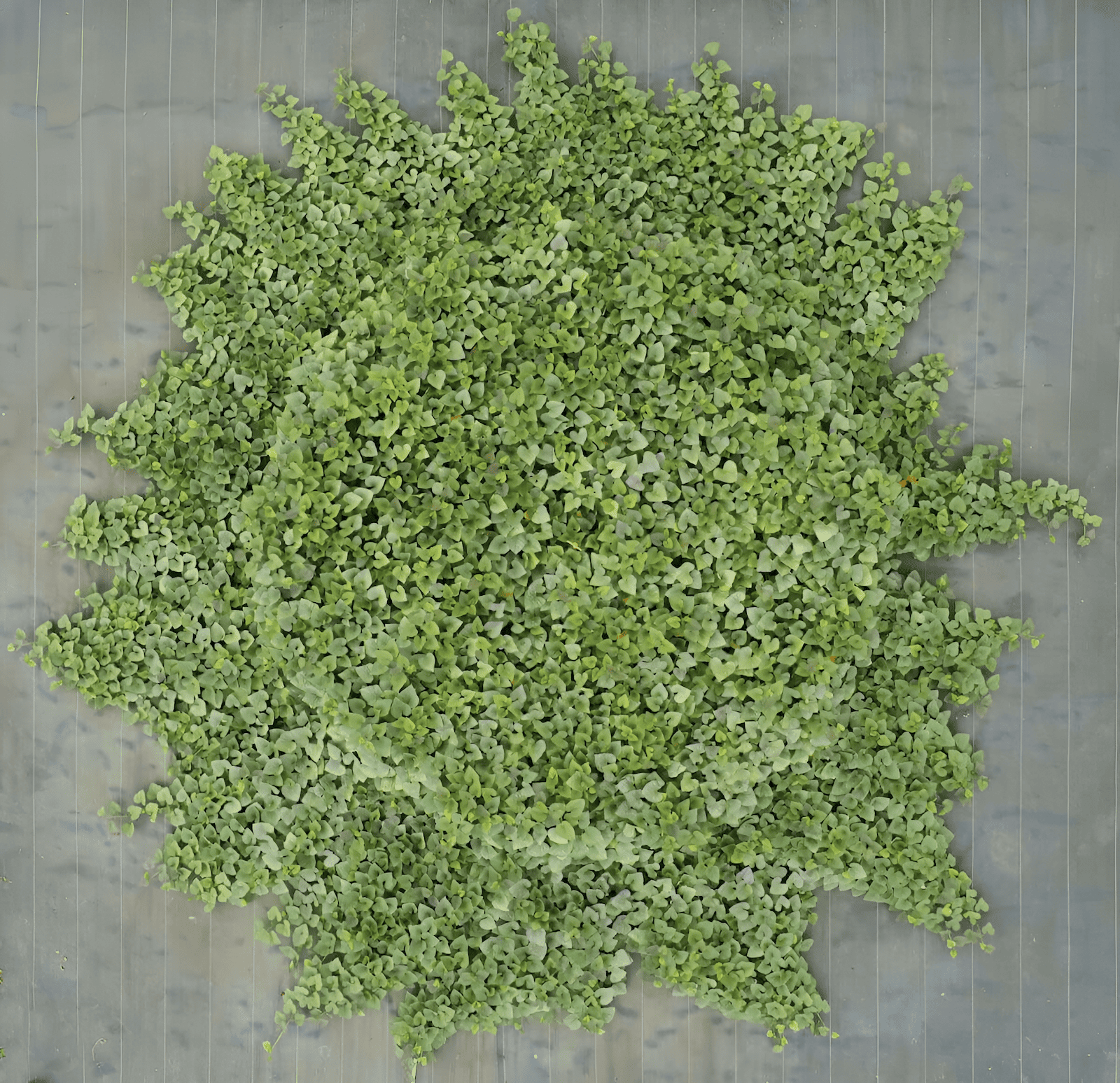
Innovative technologies can range from remote sensing devices and precision farming equipment to biotechnology and nanotechnology, which can help farmers monitor their crops, manage their resources, and effectively control pests and diseases.
In addition, digital technologies, such as mobile apps and online platforms, can provide farmers with access to analytical information, markets, and services. They can also facilitate learning, collaboration, and innovation among farmers, researchers, and other stakeholders from around the world.
By integrating environmental, climate, and productivity considerations, sustainable farming and climate-smart agriculture can help build a resilient and sustainable food system.
Innovation, whether in farming practices, technologies, or financial mechanisms, is key to this transformation. It can provide farmers with new ways to manage their resources, adapt to climate change, and improve their bottom line.
Climate-smart agriculture (CSA) is an approach to agricultural development that aims to sustainably improve productivity and livelihoods, strengthen adaptation and resilience to climate change, and reduce or remove greenhouse gas emissions where feasible.
CSA is not one specific farming method. Practices are selected according to local climate, soil, crops, water availability, economics, technology, and community needs. A practice may contribute more strongly to one CSA objective than another, so trade-offs and local conditions matter.
Useful practices can include efficient irrigation, soil-moisture monitoring, crop diversification, cover crops, improved nutrient management, agroforestry, conservation agriculture, protected cultivation, renewable energy, and weather-informed farm management.
The most appropriate practices depend on the farm. A water-limited farm may benefit most from irrigation improvements, while another farm may gain more from erosion control, crop diversification, soil-cover strategies, or improved nutrient efficiency.
Climate-smart practices can reduce emissions by improving fertilizer efficiency, reducing unnecessary energy and fuel use, improving manure management, using renewable energy, protecting existing soil carbon, and integrating trees or perennial vegetation where appropriate.
Some practices may also increase carbon storage in soils or woody vegetation. Actual greenhouse gas benefits vary with soil, climate, farming system, previous land use, management, and the length of time a practice is maintained.
MRV generally refers to measurement, reporting, and verification. In climate-smart agriculture, this can include tracking inputs, crop yields, irrigation water, soil measurements, fertilizer use, energy consumption, management practices, and other indicators over time.
Good records help farmers evaluate whether a practice is actually improving efficiency or resilience. More formal MRV may also be required for carbon programs, grants, climate-finance projects, certification systems, or other programs that require documented and verifiable outcomes.
Yes. Climate-smart agriculture is not limited to large commercial farms. Small farms, community gardens, and urban growers can apply the same basic principles at a scale appropriate to their resources.
Examples include drip irrigation, rainwater capture where permitted, mulching, diversified planting, shade or season-extension structures, soil improvement, composting, weather monitoring, efficient containers or raised beds, and grouping crops according to water requirements.
Climate-smart, organic, regenerative, conservation, and sustainable agriculture can share many practices, but the terms are not interchangeable. Climate-smart agriculture is primarily a framework focused on productivity, adaptation and resilience, and greenhouse gas mitigation where feasible.
Organic agriculture operates under defined production standards where certification is used, while regenerative agriculture generally emphasizes improving soil and ecosystem function through particular management approaches. A farm may combine practices associated with several of these systems.
Depending on location, farmers may have access to grants, conservation programs, irrigation-efficiency incentives, renewable-energy programs, technical assistance, loans, climate-finance initiatives, or agricultural carbon-market opportunities.
Eligibility varies considerably. Carbon-market participation in particular usually requires approved practices, baseline information, monitoring, documentation, verification, and compliance with the rules of the specific program. Adopting a climate-smart practice does not automatically create a saleable carbon credit.
Crop Circle Farms applies climate-smart principles through farm designs that emphasize efficient irrigation, productive use of growing space, diversified plantings, soil and nutrient management, climate-adapted production methods, and monitoring of farm performance.
Individual systems can also incorporate protected cultivation, compost, biochar where appropriate, rainwater management, renewable energy, precision monitoring, and other technologies according to the location and project. Results depend on crop, climate, soil, system design, management, and available resources.
Related topics: Explore sustainable agriculture, conservation agriculture, precision farming, and renewable energy and agriculture for additional climate-smart farming strategies.
Turn your 1 acre into a high-yield, profitable farm.
Crop Circle Farms specializes in designing and building fully engineered, low-impact farm systems that use 90% less water, 85% less fertilizer, and deliver two to three times the yield of traditional farming.
Whether you have a vacant lot, an empty field, a resort, school, island community, or small family farm, we’ll build it from the ground up for you. Our team handles everything from farm layout and installation to irrigation, root systems, training, and first planting.
Contact Us to explore a custom Crop Circle Farm design for your property.
Help us expand our mission to revolutionize agriculture globally. We are seeking partners to implement Crop Circle Farms to feed people in need. Together, we can build scalable food production systems that save water, reduce costs, and feed thousands of people. Contact Growing To Give