Crop Circle Gardens
Big Garden Production From Small Garden Spaces
Crop Circle Gardens ® are small round gardens that deliver big garden production from small garden spaces. They turn tiny backyards, side yards, patios, and even garden containers into highly efficient small-space vegetable gardens. Whether you’re growing on a suburban lot, an urban courtyard, or a community garden plot, a Crop Circle Garden gives you a compact, high-yield, water-smart bed.
You can use a single garden to test the system or spread several Crop Circle Gardens across your yard to take advantage of every pocket of sun and shade. A sunny spot is ideal for tomatoes and peppers, while a partially shaded corner can grow leafy greens, herbs, and chard. Simple to use and easy to set up, Crop Circle Gardens are a true “plant-and-forget” gardening system—no need to weed, and irrigation is automated, so you get consistent growth without daily hand watering.
Because each garden has a defined circular footprint, it’s easy to plan a small round garden layout for beans, chard, collards, herbs, flowers, and compact tomato plants. You get the benefits of raised beds, drip irrigation, and weed-free production in one tidy package—just set it, plant it, and watch it produce.
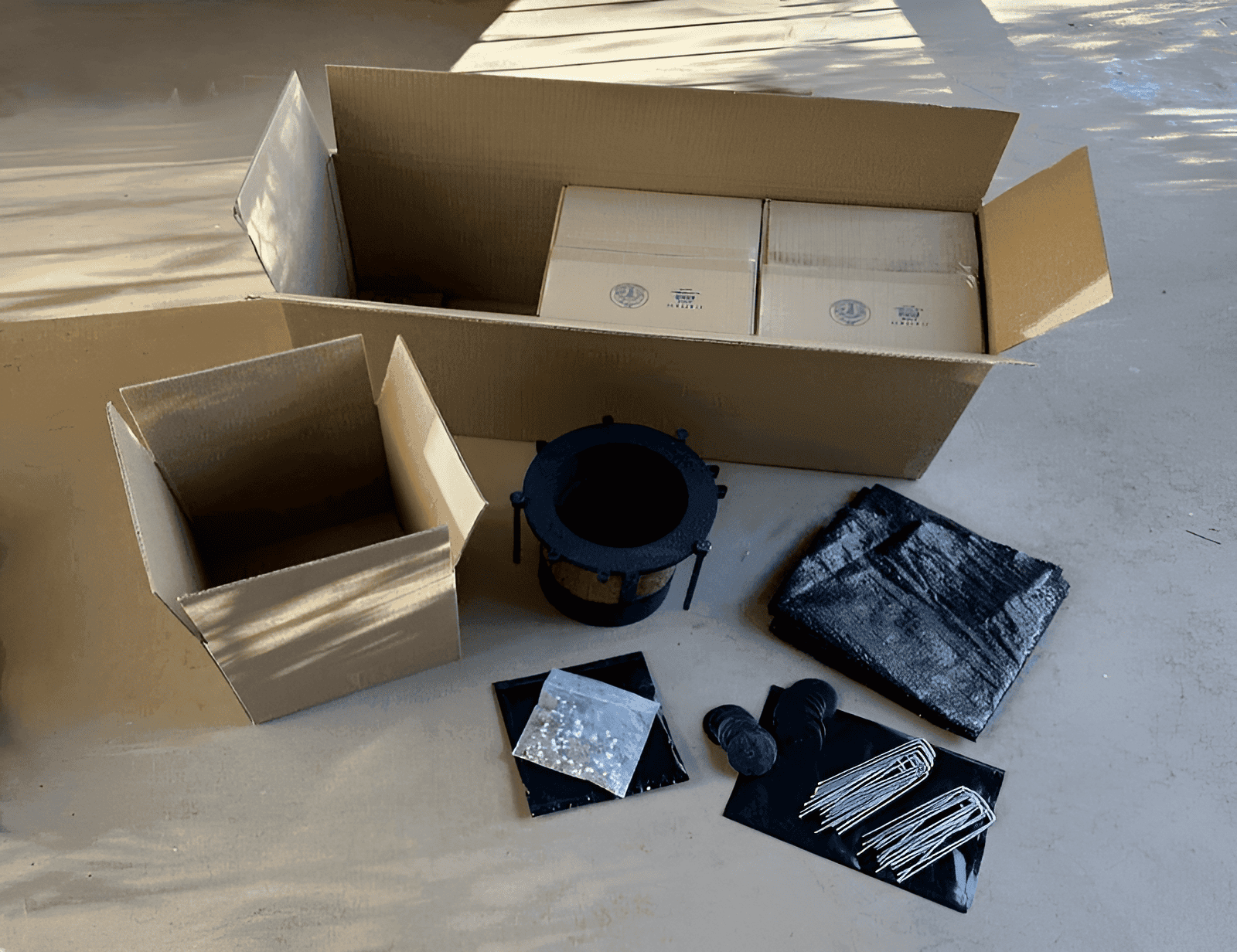
Each Crop Circle Garden kit is designed as a complete small-space raised garden system. You can install it directly on prepared soil or on top of a filled container, making it ideal for renters, balcony gardeners, senior gardeners, and anyone who wants a high-yield garden with low maintenance.
With these components, you can create three independent small round gardens or connect them into a mini micro-farm system. The modular design also makes it easy to expand over time as your production goals and garden confidence grow.
The first step is designing your small round garden layout by deciding where to place each Crop Circle Garden. Sun exposure and available space will determine what you can grow: tomatoes and peppers prefer full sun, while lettuce, chard, and some herbs thrive in partial shade. A roughly 10 x 10-foot area is ideal for vining crops like indeterminate tomatoes, squash, melons, and cucumbers. A 5 x 5-foot area is usually enough for most other vegetables, flowers, and herbs.
Once you’ve chosen one or more locations, lightly till and level the ground or rake a prepared bed smooth. At the center of each area, dig a hole about 30 inches wide and 30 inches deep. Fill this cavity with a nutrient-rich mix of organic fertilizer, aged compost, and loosened soil. This creates a subterranean garden bed that will feed your plants for years and encourages roots to grow deep rather than circling near the surface.
Fill the hole until the mix mounds 4 inches above grade so rainwater and irrigation can drain away from the Crop Circle Garden, not pool at the base. Then lay the ground cover over the area, centering the pre-cut opening over your filled planting zone. Use the included staples to secure the ground cover tightly to the soil, preventing uplift from wind and creating a clean, mud-free, weed-suppressing surface.
Insert the Crop Circle Garden into the ground cover opening and secure it with the three galvanized spike fasteners. Transplant seedlings or sow seeds in the exposed center opening. Attach a garden hose or ¼" drip line to the garden’s inlet. A hose-end timer at your spigot or tap automates watering so your small round gardens receive steady, consistent moisture with minimal effort.
Over time, you can rotate crops within each circle—beans one season, peppers or tomatoes the next—to mimic crop rotation in a traditional garden while still working in a compact footprint.
With many crops, harvesting occurs continuously throughout the season. Leafy greens, beans, herbs, and some peppers can be picked multiple times, turning a single Crop Circle Garden into a steady source of fresh produce. For crops with a more defined harvest window, like certain tomatoes or squash, Crop Circle Gardens can often be replanted to grow a second or even third crop, especially in long-season climates.
To replant a Crop Circle Garden, cut the plant down, leaving about 4 inches of stem as a handle. Disconnect the hose, remove the spike fasteners, and lift off the garden unit to expose the circular planting zone under the ground cover. Pull out the old root system, then use a hand spade to dig an 8-inch deep hole within the soil circle. Cavitate or flare the bottom of the hole to create a gently tapered bowl, which allows more nutrient-rich fill and room for roots to expand.
Refill the hole with a fresh mix of aged compost and organic fertilizer tailored to your next crop. For example, you might add Epsom salt for tomatoes and peppers, or extra phosphorus for root crops. Reinstall the Crop Circle Garden, secure it with spikes, reconnect the hose, and sow seeds or transplant new seedlings. In just a few minutes, you’ve effectively “recharged” your small round garden for another high-yield cycle.
These small round gardens are exceptionally productive, particularly for multi-bearing plants like beans, peppers, eggplant, cucumbers, tomatoes, and cut flowers. Because roots grow into a deep, nutrient-rich core and water is delivered efficiently, plants experience less stress and more steady growth than in typical pots or shallow beds.
The examples below show the production potential from a single Crop Circle Garden. When you multiply those yields across three gardens—or an entire backyard of small round gardens—you get a surprisingly large harvest from a minimal footprint. For more detailed planning, you can also use the Garden Yield Calculator to estimate total pounds of produce per season.
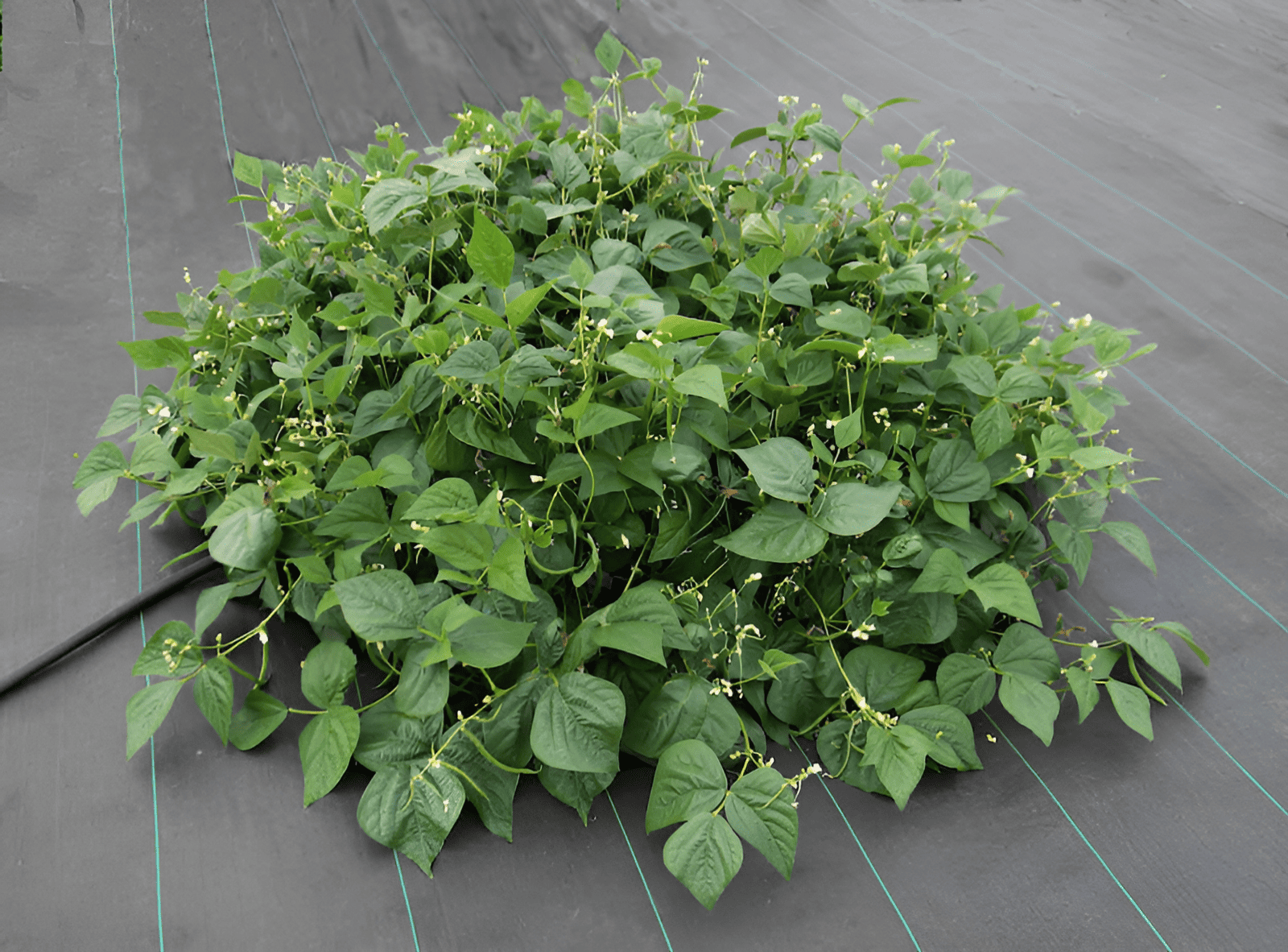
Garden beans are one of the most rewarding crops for a Crop Circle Garden. Bush beans are preferred for small round gardens because the plants are compact and self-supporting—no trellis required. You can plant yellow, purple, and green snap beans, as well as light and dark kidney beans, bush lima beans, and navy beans for soups and winter storage.
Green snap beans are generally more prolific than colored beans, often out-producing by a 2-to-1 margin. A variety such as Contender green bean can produce 70–80 pods per plant under good conditions. A grouping of 10 bush bean plants in one Crop Circle Garden can yield 700–800 pods—or roughly 10 pounds of tender, stringless beans. With succession planting, a single small round garden can provide a continuous harvest of beans for fresh eating, freezing, or canning.
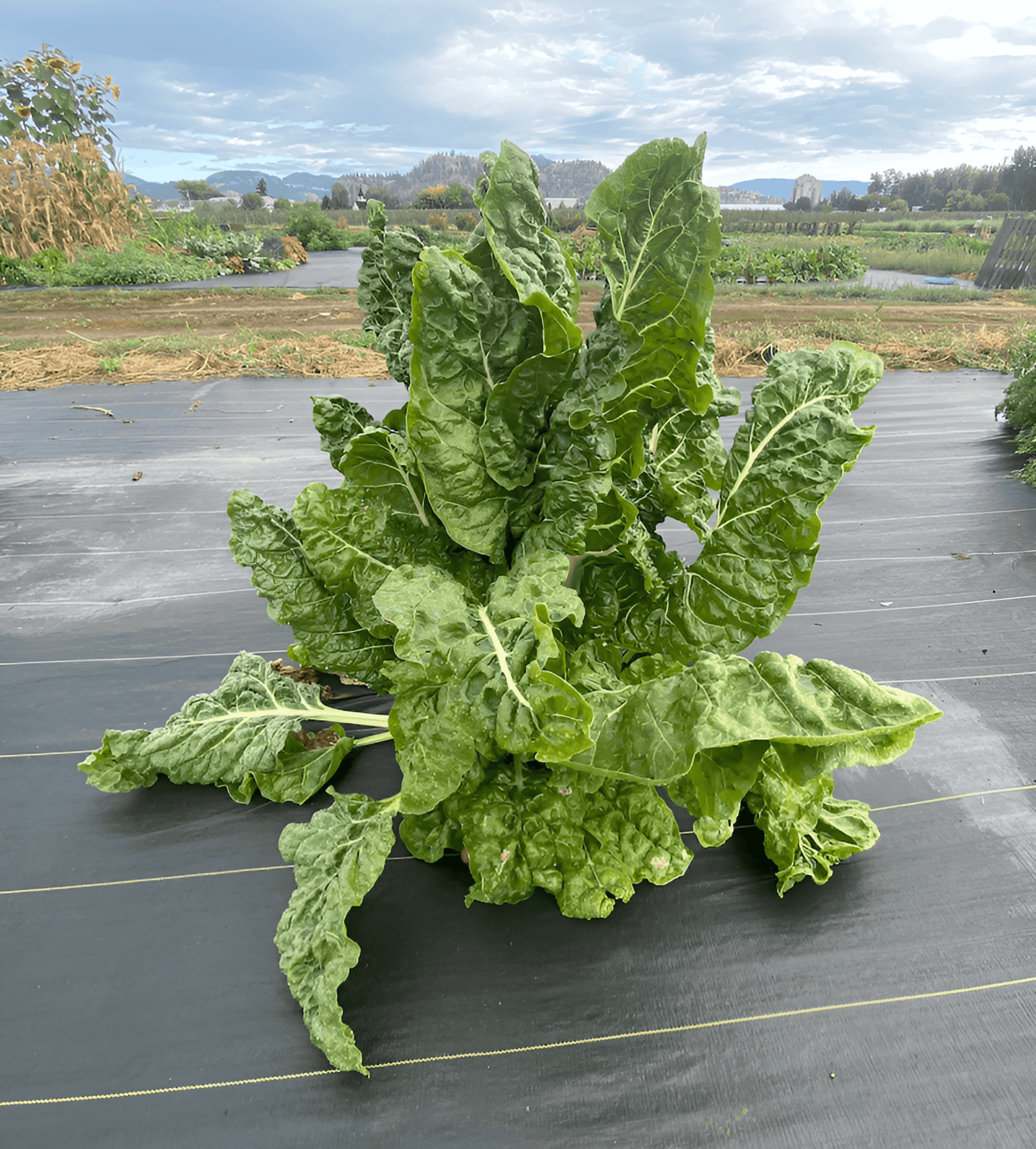
Chard has quickly become a favorite vegetable in modern kitchen gardens and small-space raised beds. New varieties offer both beauty and flavor, making them ideal for edible landscaping and round garden designs. Fordhook Giant, a classic heirloom Swiss chard, can grow over 2 feet tall in a Crop Circle Garden, producing large, tender leaves for sautés, soups, and smoothies.
Colorful varieties like Bright Lights, Rainbow, and Canary Yellow add ornamental interest with their vivid stems and veins. In terms of weight, not all chard leaves are equal—Fordhook leaves are especially hefty, weighing about half a pound each when harvested young. A first harvest of 15 leaves is typical, and because chard re-grows after cutting, you can enjoy up to three cuttings per season. That’s about 45 leaves or more than 22 pounds of chard from a single small round garden.
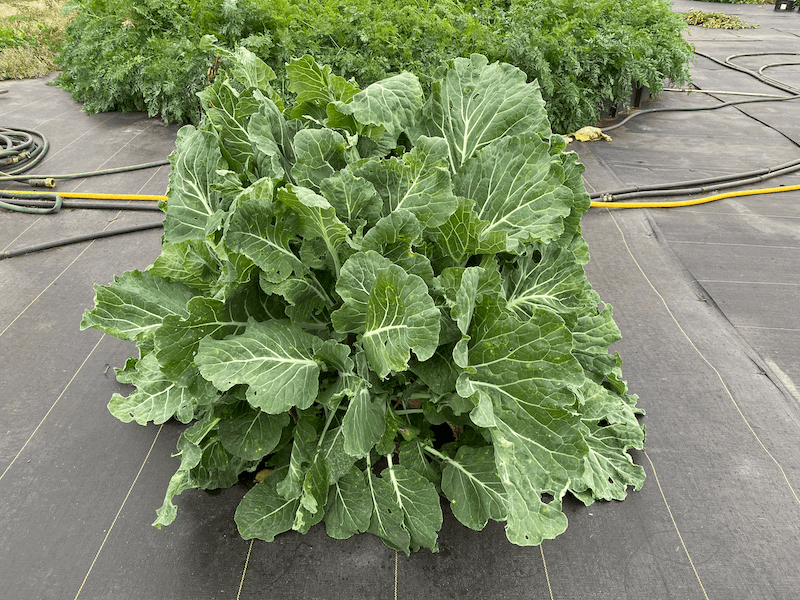
Collards are a staple in many Southern and Southwestern gardens and do exceptionally well in small round gardens and garden containers. There are two main types: heading and loose leaf. Loose-leaf varieties like Georgia Southern and Vates are excellent for containers and Crop Circle Gardens, while Champion and Morris Heading are often chosen for in-ground garden beds.
A Crop Circle Garden growing collards—especially in a garden container—can produce a generous, repeat harvest. A single plant can yield a dozen large leaves that weigh around a pound each. Much like chard, collards re-sprout after cutting; with 2–3 cuttings in a season, one small round garden can produce 30–36 leaves or roughly 17–18 pounds of nutrient-dense greens.
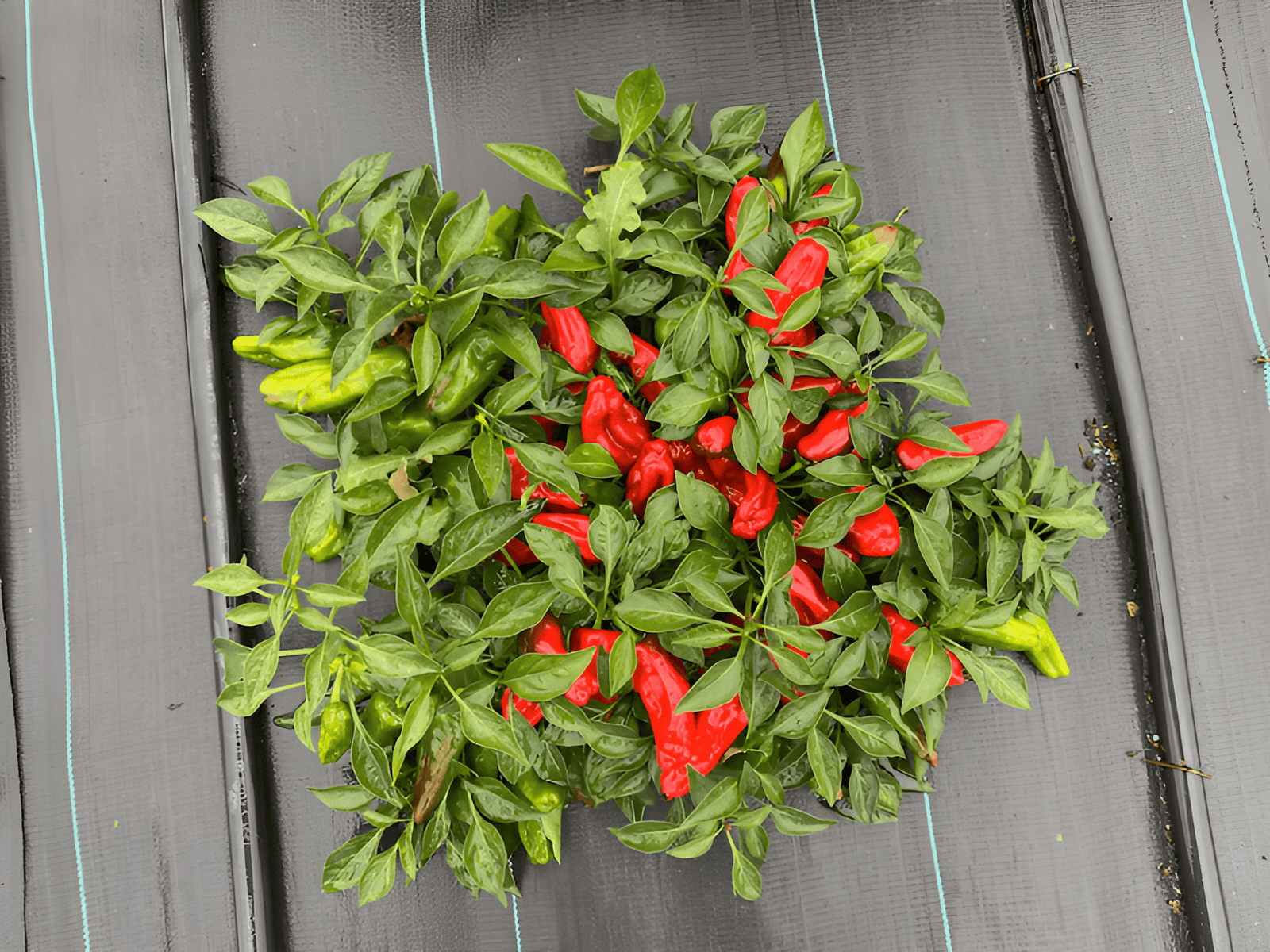
There are two broad categories of peppers to grow in the garden: sweet peppers and hot chile peppers. Bell peppers are the most popular sweet pepper variety, followed by banana peppers and Italian frying peppers. A Crop Circle Garden is perfectly sized for 2–3 pepper plants, giving them enough root depth and canopy space to thrive.
In a well-managed garden, two bell pepper plants can produce around 60 colored bells in a season. Hot peppers—jalapeños, serranos, cayennes, and others—are even more prolific, often yielding 100 or more peppers from two plants. For more detailed pepper advice, you can visit Growing Peppers to dial in spacing, pruning, and irrigation for maximum yield and flavor.
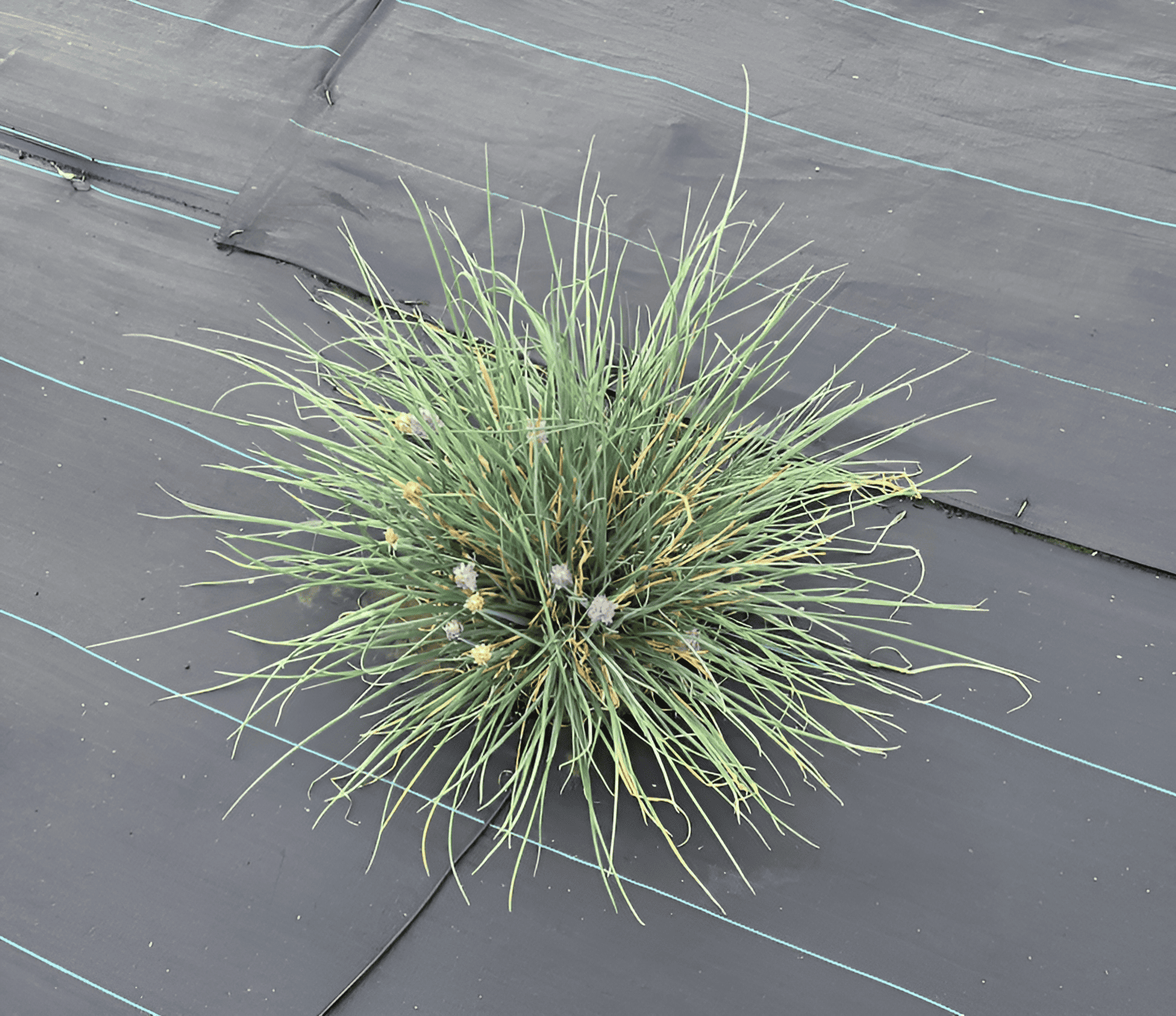
Chives are a perfect herb for small round gardens and containers because they have a small root system and produce abundant top growth. There are two main types: common chives and garlic chives. Both varieties can be grown in Crop Circle Gardens for constant harvests of fresh snips for potatoes, eggs, soups, and salads.
A small 2-inch clump of rooted chives from a nursery will quickly expand to fill the 7-inch diameter of the Crop Circle Garden planting zone, producing more than 100 shoots and sprigs. With regular cutting, chives remain tender and productive, providing a steady supply of fresh herbs from a very small garden footprint.
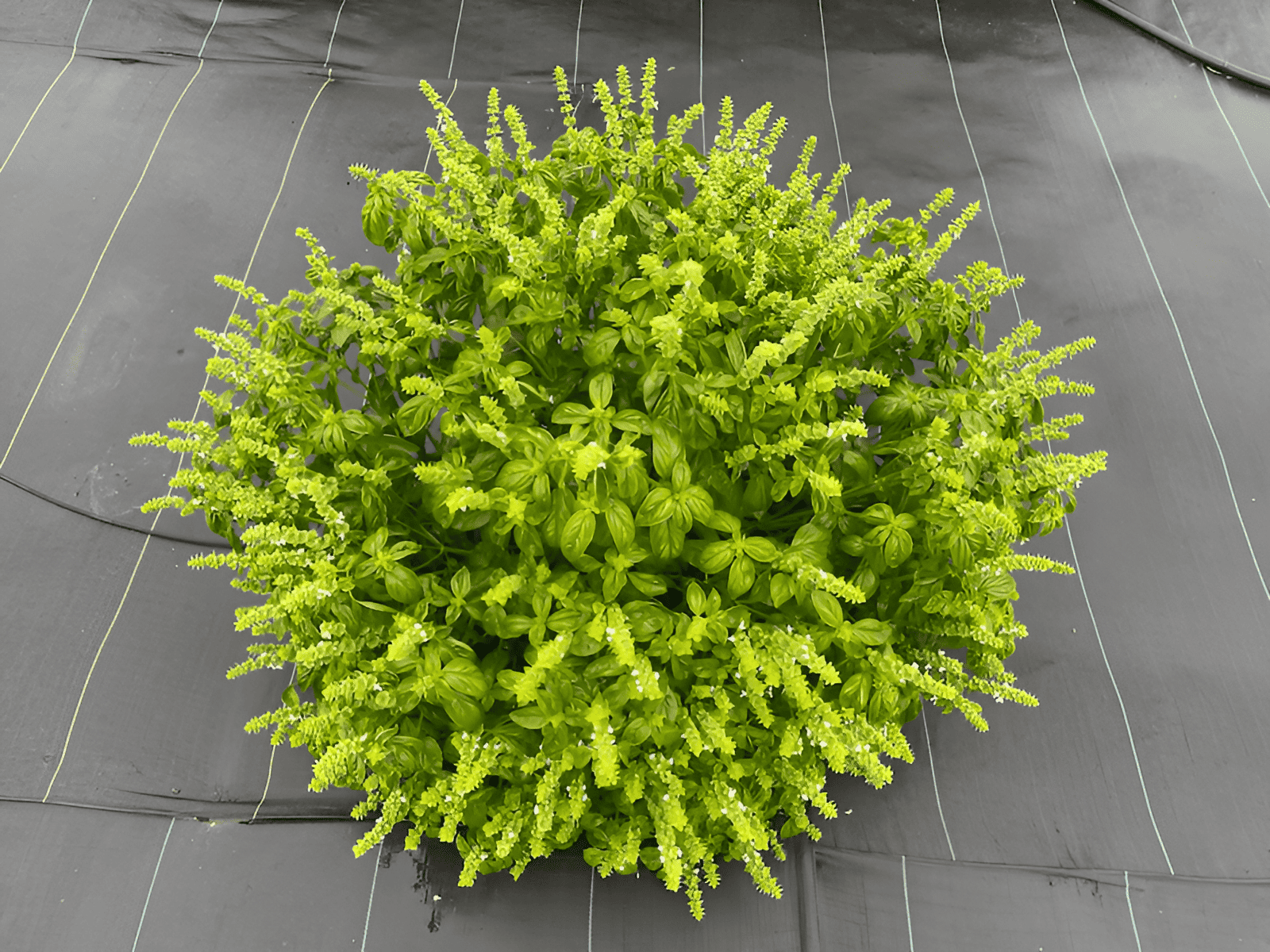
Basil thrives in containers and grows even better in a container equipped with a Crop Circle Garden. Because basil has shallow roots and responds well to frequent trimming, it’s one of the best herbs for a small-space herb garden. The most popular varieties for gardens and containers include Genovese Italian basil, Thai basil, lemon basil, purple basil, and lime basil.
Continuous trimming of basil plants keeps them bushy and prevents early flowering and seed set, which can make leaves bitter. In a Crop Circle Garden, you can grow 3–5 basil plants, depending on the variety and your climate. Over the course of the season, those plants can yield a pound or more of fragrant basil leaves for pesto, salads, sauces, and drying.
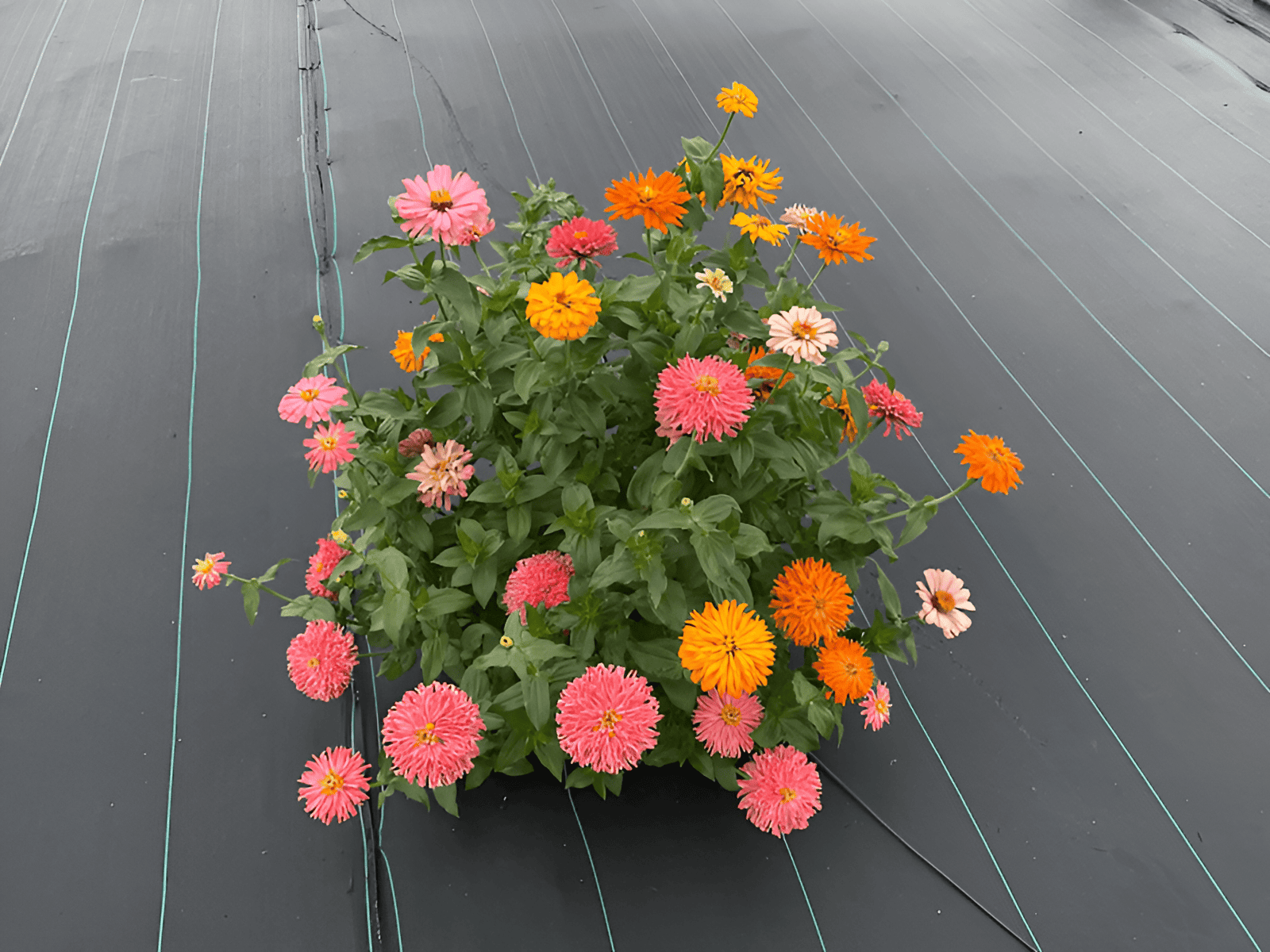
Crop Circle Gardens aren’t just for vegetables and herbs—they also make excellent small round flower beds. The best flowers for containers and small circular gardens include Begonia, Nasturtium, Verbena, Angelonia, Million Bells, Coleus, Pansies, and Black-eyed Susan. In garden beds around the circle you can add Marigolds, Lavender, Borage, Sunflowers, Zinnias, Daisies, Lilies, Tulips, Roses, Daffodils, Petunias, and Peonies.
Some flowers, like Zinnias and certain Marigolds, reward continuous picking with more blooms, making them ideal for cut-flower production. Others, such as Tulips, produce a single flush. A single Crop Circle Garden can easily produce around 60 usable blooms over the course of a season, especially if you choose cut-and-come-again varieties.
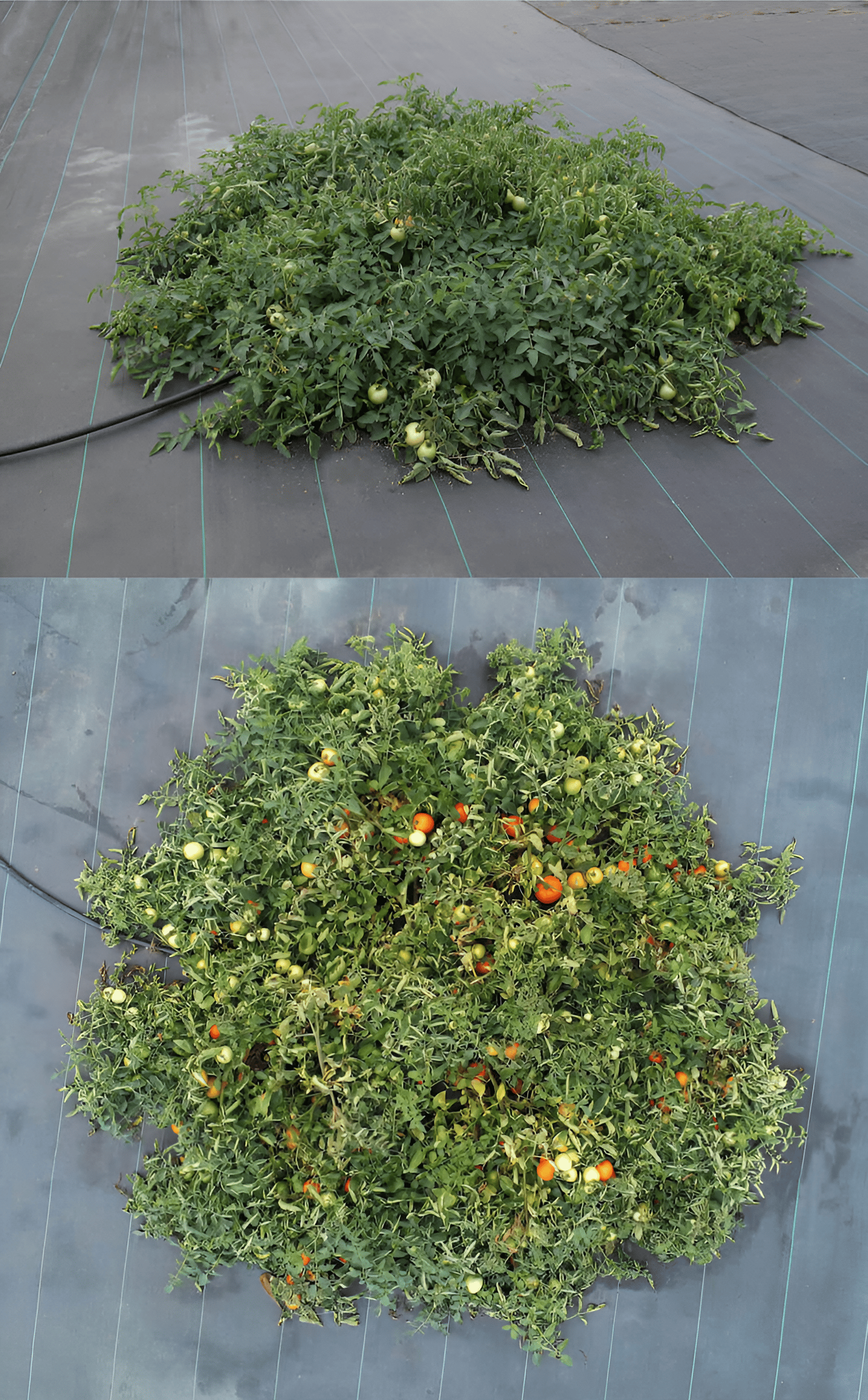
Tomatoes are the star of many small-space gardens. There are four main types commonly grown in gardens and containers: beefsteak (the classic hamburger tomato), cherry (the most popular snacking tomato), globe (salad tomatoes), and paste (sauce and canning tomatoes). Each type can be further divided into determinate (bushy, non-vining plants) and indeterminate (vining plants), which typically require trellising and support.
A single Crop Circle Garden can grow up to three tomato plants, depending on variety and climate. Under good management, one small round garden can yield approximately 50 beefsteak tomatoes, 200 paste tomatoes, 400 globe tomatoes, or 1,000+ cherry tomatoes. For more detail on spacing, pruning, and irrigation, see the full Crop Circle Garden Yield Calculator and the dedicated growing tomatoes guide .
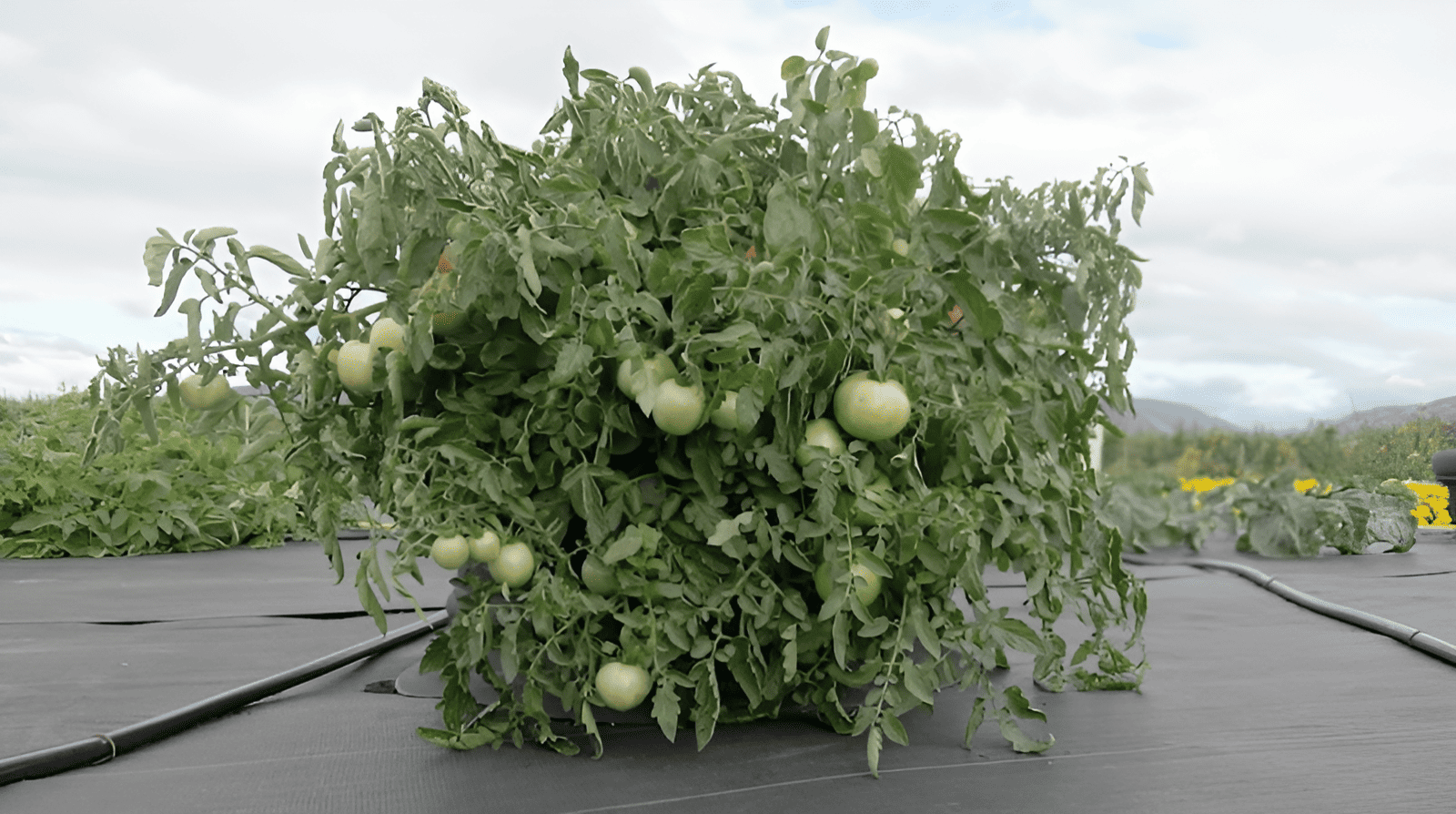
Tomatoes are one of the most popular container crops, but traditional pots and vertical cages often limit root development and overall yield. Growing tomatoes in a container equipped with a Crop Circle Garden removes many of the typical constraints of container gardening. The circular planting zone prevents root-binding and allows deeper rooting, while the integrated irrigation delivers consistent moisture right where roots need it.
When paired with a Tomato Volcano or similar vertical support, tomatoes can grow with their natural vining habit rather than being cramped into a narrow cage. This combination dramatically increases flowering and fruit set. In a properly managed system, 50 or more beefsteaks and over 1,000 cherry tomatoes can be harvested from one tomato plant in a garden container equipped with a Crop Circle Garden and Root Tube-style deep rooting system.
Turn your 1 acre into a high-yield, profitable farm.
Crop Circle Farms specializes in designing and building fully engineered, low-impact farm systems that use 90% less water, 85% less fertilizer, and deliver two to three times the yield of traditional farming.
Whether you have a vacant lot, an empty field, a resort, school, island community, or small family farm, we’ll build it from the ground up for you. Our team handles everything from farm layout and installation to irrigation, root systems, training, and first planting.
Contact Us to explore a custom Crop Circle Farm design for your property.
Help us expand our mission to revolutionize agriculture globally. We are seeking partners to implement Crop Circle Farms to feed people in need. Together, we can build scalable food production systems that save water, reduce costs, and feed thousands of people. Contact Growing To Give
A Crop Circle Garden is a compact round growing system designed to produce vegetables, herbs, and flowers in a small footprint. It combines a concentrated planting area, automated irrigation, and a weed-suppressing ground cover to simplify growing and increase production from small garden spaces. The system applies efficient crop smart irrigation principles by delivering water directly where plants need it.
A Crop Circle Garden kit includes three Crop Circle Garden units, three 8 x 8-foot ground covers, ground-cover staples, nine galvanized spike fasteners, six inline pressure regulators, six pressure-regulator washers, six irrigation adaptors, and three hose end caps.
The three gardens can be installed independently around your yard or connected together as part of a larger small-space garden or micro-farm system.
Space requirements depend on the crop you plan to grow. A roughly 10 x 10-foot area works well for spreading or vining crops such as indeterminate tomatoes, squash, melons, and cucumbers. A 5 x 5-foot area is usually sufficient for many vegetables, herbs, flowers, and more compact plants.
Start by choosing a suitable growing location and preparing and leveling the soil. At the center of the growing area, dig a planting cavity about 30 inches wide and 30 inches deep. Fill the cavity with a nutrient-rich mixture of aged compost, organic fertilizer, and loosened soil.
Position the ground cover over the planting zone, secure the Crop Circle Garden with the supplied galvanized spike fasteners, plant seeds or seedlings in the exposed center opening, and connect the irrigation supply.
A Crop Circle Garden connects to a garden hose or ¼-inch drip line. Inline pressure regulators help maintain consistent water pressure, while a hose-end timer can automate irrigation. This allows plants to receive regular moisture without the need for daily hand watering.
Yes. The three gardens included in a kit can operate independently or be connected using ¼-inch drip line as part of a larger irrigation network. Additional Crop Circle Gardens can also be added over time, making it easy to expand from a few small round gardens into a larger backyard micro-farm system.
Crop Circle Gardens can grow a wide range of vegetables, herbs, and flowers, including beans, chard, collards, peppers, tomatoes, basil, chives, and cut flowers. Crop selection should be based on available sunlight, mature plant size, local climate, and growing season.
For more detailed growing information, visit our growing tomatoes, growing peppers, and growing flowers guides.
Plant capacity depends on the crop. A single Crop Circle Garden can support about 10 bush bean plants, 2–3 pepper plants, 3–5 basil plants, or as many as three tomato plants, depending on variety, climate, and available growing space.
You can also use our Garden Yield Calculator to help estimate production from different crops.
Yes. After a crop is finished, remove the old plant and root system and refresh the planting area with aged compost and organic fertilizer. The Crop Circle Garden can then be reinstalled and planted with a new crop.
In climates with long growing seasons, this makes it possible to produce a second or even third crop from the same small round garden during the year.
Yes. Crop Circle Gardens can be installed directly on prepared ground or incorporated into suitable garden containers. Container installations work especially well for vegetables, herbs, and tomatoes while retaining the system's concentrated growing area and automated irrigation.
For larger projects or custom installations, visit our contact page to discuss your site and growing goals.