Compost Tea
Nutrient-Rich Fertilizer You Can Make Yourself
Compost tea is a liquid extract made by steeping finished compost in water to dissolve soluble nutrients and mobilize microorganisms. Growers use it primarily as a soil drench to supplement biological activity rather than as a replacement for compost or organic matter.
Results from compost tea vary widely and depend on compost quality, sanitation, brewing method, and application timing. While aerated and non-aerated teas differ biologically, neither consistently replaces the benefits of applying finished compost, mulches, and cover crops directly to soil.
This guide explains how compost tea works, the differences between aerated and non-aerated methods, safety considerations, and lower-risk alternatives for building soil health in gardens and farms.
Two variations of compost tea exist: oxygenated and non-oxygenated. Oxygenated compost tea involves introducing air to the water while the compost steeps, fostering the proliferation of advantageous aerobic microbes like bacteria and fungi that assist in decomposing organic substances and converting them into plant-accessible nutrients. Non-oxygenated compost tea, on the contrary, is created by allowing the compost to steep in water without any added air. While still nutrient-dense, it may not possess as many beneficial microbes.
Microorganisms in compost tea are vital in fostering soil health and plant growth. Bacteria contained within the soil decompose organic substances and free up nutrients. Helpful fungi like mycorrhizae and trichoderma aid in enhancing soil texture and boosting nutrient absorption by plants.
Compost tea plays a pivotal role in nutrient cycling, an essential process for soil health. When organic substances are added to the soil, microbes break them down, releasing nitrogen, phosphorus, and potassium. These nutrients are then absorbed by plants, which add organic matter back to the soil upon dying and decomposing. This nutrient intake and release cycle is vital for maintaining fertile soil and promoting plant growth.
A complex network of microbes, fungi, and other living organisms inhabiting the soil, are indispensable to soil health and play a critical role in nutrient cycling. The beneficial microbes contained in compost tea help build this Soil Food Web living right beneath our feet.
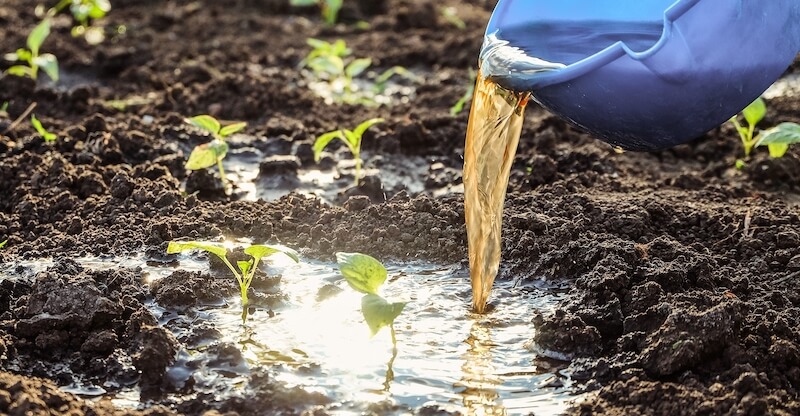
Creating oxygenated compost tea involves some basic ingredients including compost, water, and a brewing container. Here's a detailed guide on preparing oxygenated compost tea:
The ingredients for non-oxygenated compost tea are simple and easily accessible.
Ingredients:
Optional ingredients:
Step-by-Step Method for Making Non-Oxygenated Compost Tea
Compost tea is an excellent medium to improve soil health and support plant growth. Whether you opt for oxygenated or non-oxygenated compost tea, the beneficial microorganisms in the tea will contribute to improved soil structure, promote nutrient cycling, and enhance the soil food web's health.
Turn your 1 acre into a high-yield, profitable farm.
Crop Circle Farms specializes in designing and building fully engineered, low-impact farm systems that use 90% less water, 85% less fertilizer, and deliver two to three times the yield of traditional farming.
Whether you have a vacant lot, an empty field, a resort, school, island community, or small family farm, we’ll build it from the ground up for you. Our team handles everything from farm layout and installation to irrigation, root systems, training, and first planting.
Contact Us to explore a custom Crop Circle Farm design for your property.
Help us expand our mission to revolutionize agriculture globally. We are seeking partners to implement Crop Circle Farms to feed people in need. Together, we can build scalable food production systems that save water, reduce costs, and feed thousands of people. Contact Growing To Give