Raspberries
Types and Varieties of Raspberries
Raspberries are among the most versatile and productive berry crops for home gardens, market farms, and intensive planting systems. Growers can choose from several color groups—including red, black, purple, and golden raspberries—each offering unique flavor profiles, growth habits, and harvest windows.
Successful raspberry production begins with understanding how different varieties fruit. Some raspberries produce berries once per year on mature canes, while others fruit on new growth later in the same season. Matching raspberry types to your climate, pruning strategy, and harvest goals helps ensure consistent yields and manageable plant maintenance.
This guide compares raspberry varieties by color, fruiting habit, and climate adaptability, helping gardeners and growers select cultivars suited for backyard rows, containers, high tunnels, or integrated systems such as Crop Circle gardens and spiral planting layouts.
Raspberry varieties are commonly classified by the canes that produce fruit. Floricane raspberries (often called summer-bearing varieties) produce fruit on second-year canes, typically yielding one large harvest in early to mid-summer. Primocane raspberries—sometimes called fall-bearing or everbearing raspberries— produce fruit on first-year canes, allowing for harvests in late summer and fall. Many raspberry varieties also perform exceptionally well in northern growing regions such as Alaska, where the long summer daylight hours can support vigorous cane growth and fruit development during the relatively short growing season. Choosing cold-hardy cultivars and matching floricane or primocane fruiting habits to local conditions is especially important for growers growing in Alaska.
• Raspberry plants can remain productive for 10–15 years with proper pruning
and soil management.
• Raspberries are an excellent crop for precision farming techniques
because growers can closely monitor soil moisture, irrigation, cane growth, nutrient status,
disease pressure, and harvest performance across individual rows or production zones.
Red raspberries are the most widely cultivated type, while black raspberries often contain higher concentrations of antioxidants.
• By planting both summer-bearing and primocane varieties,
growers can extend the raspberry harvest season for two to three months.
Use this checklist to choose the right raspberry type fast—then confirm with climate fit and pruning strategy.
| Type | Fruits on | Best for | Pruning approach |
|---|---|---|---|
| Summer-bearing (Floricane) | Second-year canes | One big harvest window; preserving; peak-season sales | Remove spent canes after harvest; tie new canes to trellis |
| Fall-bearing (Primocane) | First-year canes (late summer–fall) | Extended season; simpler management; shoulder-season pricing | Single crop: mow to ground in winter; two crops: keep canes for spring fruiting |
Feel free to share this raspberry varieties infographic on your website or blog. Please include a link back to this page as the source.
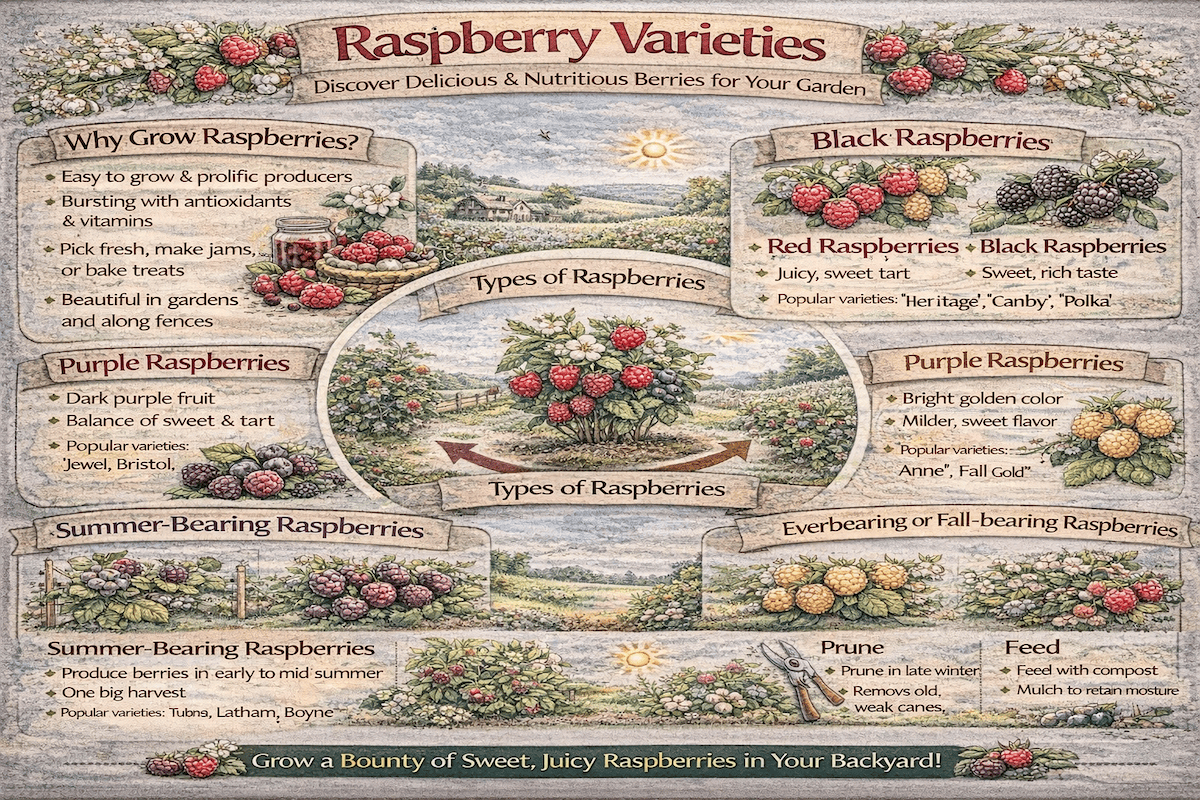
Raspberries come in several distinctive colors and types, each offering unique flavors, growth habits, and harvest periods. While red raspberries are the most widely grown, gardeners can also choose from black, purple, and golden raspberry varieties, each contributing different characteristics to the garden and the kitchen.
Raspberries are also well suited to integrated garden systems and edible landscaping, where fruit-producing plants are incorporated into decorative gardens, backyard orchards, and small farm designs. With proper soil preparation and organic matter, raspberry plants can thrive for many years while producing abundant harvests.
Black raspberries, often called blackcaps, are less common than red raspberries but highly valued for their rich flavor and impressive antioxidant content. Varieties such as Bristol, Jewel, and Cumberland produce glossy black berries with a deep, slightly earthy sweetness that works well in fresh desserts, jams, and baked goods. Their distinctive flavor adds a unique twist to fruit dishes, much like the novelty appeal of black strawberries.
Another interesting group is purple raspberries, which are natural hybrids created by crossing red and black raspberry species. These berries are typically larger and firmer than many other raspberries and have a complex sweet-tart flavor. Well-known cultivars such as Brandywine and Royalty produce deep purple berries that are excellent for preserves, fresh eating, and specialty fruit production.
Adding even more color to the raspberry family are yellow or golden raspberries. Varieties such as Fall Gold and Anne produce attractive pale-yellow to golden berries with a mild, honey-like sweetness. Compared with red raspberries, golden types often have a slightly softer flavor profile and are prized for their unique appearance and dessert-quality taste.
Beyond color differences, raspberries are also classified by their fruiting habits. Most varieties fall into one of two main categories: summer-bearing (floricane) or everbearing (primocane).
Summer-bearing raspberries, sometimes called floricane raspberries, produce one large crop each year, usually in early to mid-summer. Popular varieties such as Canby and Tulameen are known for their large berries and concentrated harvests.
Everbearing raspberries, also called primocane raspberries, can produce fruit on first-year canes. Varieties such as Heritage and Autumn Bliss often yield a summer crop on older canes and a second harvest in the fall on new growth, extending the raspberry harvest season.
Healthy raspberry production also depends on building strong soil biology. Organic matter additions through composting and soil amendments such as humic acid can improve nutrient availability, root development, and long-term plant vigor.
Regardless of the variety chosen, raspberries reward growers with vibrant colors, exceptional flavor, and a wealth of nutritional benefits. Their versatility and productivity make them a valuable addition to home gardens, orchards, and diversified berry plantings.
Use these tools to estimate yield per plant, plan berry rows/beds, and model harvest totals over time.
Estimate the expected harvest from individual plants or small crop groups using this simple planning tool. The Plant Yield Calculator helps gardeners and growers calculate yield per plant and scale those estimates across beds, rows, containers, or small plots. By entering the number of plants and the average production per plant, you can quickly forecast total harvest quantities for fruits, vegetables, and berry crops.
This tool is especially helpful when planning garden layouts, crop rotations, and seasonal harvest targets. Whether you're growing a few raspberry canes in a backyard garden or scaling up a larger planting, the calculator provides a quick way to estimate production and compare different planting densities.
Plan garden layouts, plant spacing, and realistic harvest totals with this easy planning tool. The Garden Yield Calculator helps you estimate total crop production across beds, rows, containers, or larger planting areas by combining plant spacing with expected yield per plant.
This calculator is especially useful when designing raised beds, row gardens, or small market gardens. By adjusting spacing and plant counts, you can forecast harvest volumes, compare planting densities, and optimize your garden layout for higher productivity throughout the growing season.
Tip: Airflow and cane spacing improve berry size and reduce mildew pressure.
Raspberries come in several distinctive colors and types, each offering unique flavors, growth habits, and harvest periods. While red raspberries are the most widely grown, gardeners can also choose from black, purple, and golden raspberry varieties, each contributing different characteristics to the garden and the kitchen.
Raspberries are also well suited to sustainable garden systems and small farms that emphasize organic farming practices. With healthy soil, proper pruning, and consistent watering, raspberry plants can produce abundant harvests for many years.
Black raspberries, often called blackcaps, are less common than red raspberries but highly valued for their rich flavor and impressive antioxidant content. Varieties such as Bristol, Jewel, and Cumberland produce glossy black berries with a deep, slightly earthy sweetness that works well in fresh desserts, jams, and baked goods. Their distinctive flavor adds a unique twist to fruit dishes, much like the novelty appeal of black strawberries.
Another interesting group is purple raspberries, which are natural hybrids created by crossing red and black raspberry species. These berries are typically larger and firmer than many other raspberries and have a complex sweet-tart flavor. Well-known cultivars such as Brandywine and Royalty produce deep purple berries that are excellent for preserves, fresh eating, and specialty fruit production.
Adding even more color to the raspberry family are yellow or golden raspberries. Varieties such as Fall Gold and Anne produce attractive pale-yellow to golden berries with a mild, honey-like sweetness. Compared with red raspberries, golden types often have a slightly softer flavor profile and are prized for their unique appearance and dessert-quality taste.
Beyond color differences, raspberries are also classified by their fruiting habits. Most varieties fall into one of two main categories: summer-bearing (floricane) or everbearing (primocane).
Summer-bearing raspberries, sometimes called floricane raspberries, produce one large crop each year, usually in early to mid-summer. Popular varieties such as Canby and Tulameen are known for their large berries and concentrated harvests.
Everbearing raspberries, also called primocane raspberries, can produce fruit on first-year canes. Varieties such as Heritage and Autumn Bliss often yield a summer crop on older canes and a second harvest in the fall on new growth, extending the raspberry harvest season.
Healthy raspberry production also depends on balanced soil nutrients. Key minerals such as potassium help support strong cane growth, fruit development, and overall plant health. Many berry farms benefit from agricultural programs and policies that support small growers and diversified crop production through mechanisms such as farm subsidies.
Regardless of the variety chosen, raspberries reward growers with vibrant colors, exceptional flavor, and a wealth of nutritional benefits. Their versatility and productivity make them a valuable addition to home gardens, orchards, and diversified berry plantings.
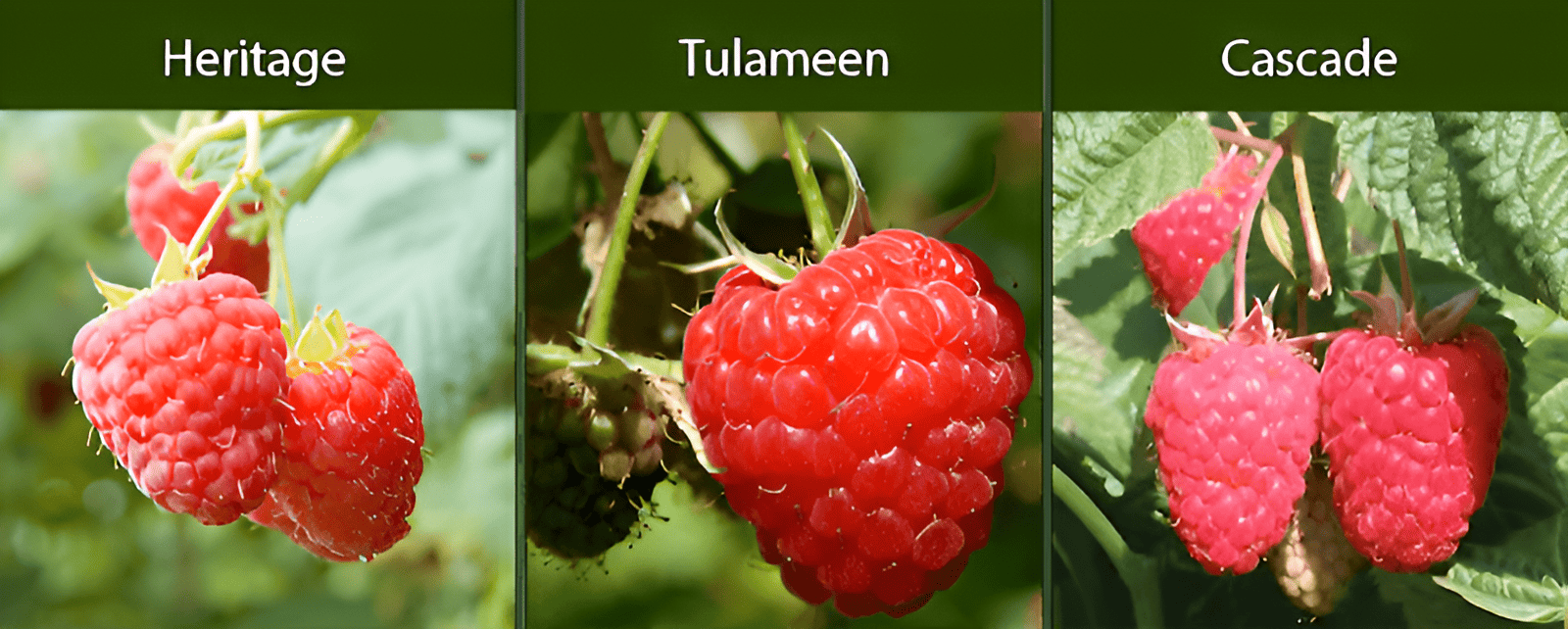
Black raspberries—often called blackcaps—are a distinct species of raspberry known for their deep purple-black color, rich flavor, and high antioxidant levels. Compared with red raspberries, black raspberries typically have a more concentrated, slightly earthy sweetness and firmer texture. These berries are popular for fresh eating, preserves, desserts, and juice concentrates, and they are widely studied for their nutritional benefits.
Black raspberries are part of the broader family of cane berries featured in our berries varieties hub, which highlights the diversity of raspberries, blackberries, strawberries, and other small fruits grown in gardens and farms. These plants also play an important role in supporting agricultural biodiversity by providing food sources for pollinators and beneficial insects.
Most black raspberry plants produce fruit on floricanes (second-year canes), with harvests typically occurring in early to mid-summer. Successful cultivation depends on selecting varieties suited to local conditions. Gardeners and growers often consult regional climate guides, such as the regions and climate zones hub, to determine which raspberry cultivars will thrive in their area.
Like many berry crops, black raspberries benefit from careful soil preparation, proper pruning, and effective weed control to reduce competition for nutrients and moisture. When managed well, these plants can provide strong yields and exceptional fruit quality for many years.
Bristol: One of the most widely grown black raspberry varieties. Bristol produces medium to large glossy black berries with a sweet flavor and is valued for its high yields and good disease resistance.
Blackhawk: A productive variety known for its firm, sweet berries and strong winter hardiness. Blackhawk performs well in cooler climates and offers consistent harvests.
Cumberland: A vigorous heirloom variety producing large, firm berries with excellent flavor. Cumberland is popular for both fresh eating and making jams, syrups, and preserves.
Jewel: Considered one of the best modern black raspberry cultivars, Jewel produces large, sweet berries with outstanding flavor. It is known for its cold hardiness, disease resistance, and reliable productivity.
Mac Black: A late-season variety valued for its firm, glossy berries and sweet flavor. Mac Black helps extend the black raspberry harvest season.
Munger: An older heritage variety producing large, sweet berries with good flavor. While highly productive, Munger can be somewhat more susceptible to certain diseases than newer cultivars.
Allen: A productive cultivar known for its firm berries and strong resistance to diseases such as anthracnose, making it a dependable choice for many growing regions.
Glencoe Purple: Although technically a purple raspberry, this hybrid between red and black raspberries is often included with black raspberry selections. Glencoe produces sweet, flavorful berries on compact, thornless plants that are suitable for small gardens or containers.
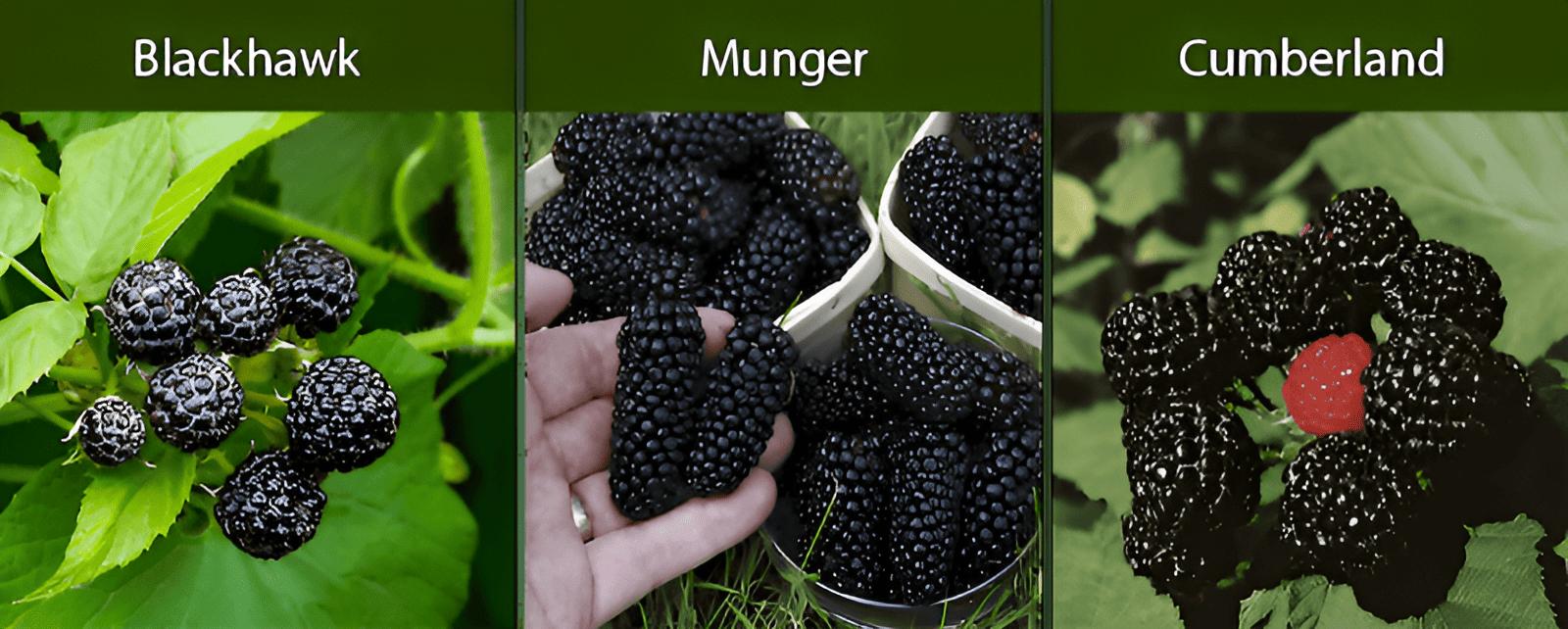
Purple raspberries are distinctive hybrids created by crossing red raspberries with black raspberries. These varieties combine the vigorous growth and productivity of red raspberries with the deep color and rich flavor of black raspberries. Purple raspberries are typically known for their large berry size, firm texture, and complex sweet-tart flavor, making them excellent for fresh eating, preserves, and specialty fruit production.
Because of their strong growth and heavy fruiting potential, purple raspberries are popular among gardeners and small-scale growers looking for productive plants that perform well in a range of climates. Good soil preparation and long-term garden planning can further improve raspberry health and yields. Practices such as crop rotation help reduce soil-borne diseases, while innovative techniques like precision farming allow growers to monitor soil moisture, plant health, and productivity more efficiently.
Some traditional gardeners also follow seasonal planting rhythms based on lunar cycles and cosmic planting methods, which align planting schedules with natural astronomical patterns believed to influence plant growth.
The following are several well-known purple raspberry varieties grown in home gardens and specialty berry plantings:
Brandywine: A vigorous late-season variety that produces large, deep purple berries with a bold, slightly tart flavor. Brandywine is especially valued for making jams, jellies, syrups, and baked desserts.
Royalty: The most widely grown purple raspberry variety. Royalty produces very large, firm berries with a sweet, rich flavor. It is excellent for fresh eating when fully ripe and also performs well for preserves and freezing.
Glencoe (Purple Thornless): A compact, thornless variety developed in Scotland. Glencoe produces medium-sized purple berries with a sweet flavor and is well suited to small gardens, raised beds, or container growing.
Success: An older heirloom variety known for its dependable productivity. Success produces a light early-summer crop followed by a larger late-season harvest of sweet-tart purple berries.
Yellow raspberries—often called golden raspberries—are prized for their distinctive color and exceptionally sweet flavor. Compared with traditional red raspberries, golden varieties typically have a milder acidity and more honey-like sweetness, making them especially popular for fresh eating. These berries range in color from pale yellow to rich golden tones and are valued by gardeners not only for their flavor but also for their attractive appearance in edible landscapes.
Golden raspberries include both everbearing (primocane) and summer-bearing (floricane) varieties, allowing growers to select plants that fit their climate and harvest goals. When integrated into diversified farms and gardens, berry crops like raspberries can contribute to circular agriculture systems that recycle nutrients, reduce waste, and improve long-term soil productivity.
Many modern food production systems also integrate berries into broader regenerative strategies that recover nutrients and organic matter from farming operations. Practices such as agricultural resource recovery help return valuable nutrients to the soil while supporting more resilient food production systems.
In some innovative agricultural models, diversified fruit crops may even be integrated with other food production systems such as land-based recirculating aquaculture systems, where nutrient-rich water from fish production can support plant growth and improve overall farm efficiency.
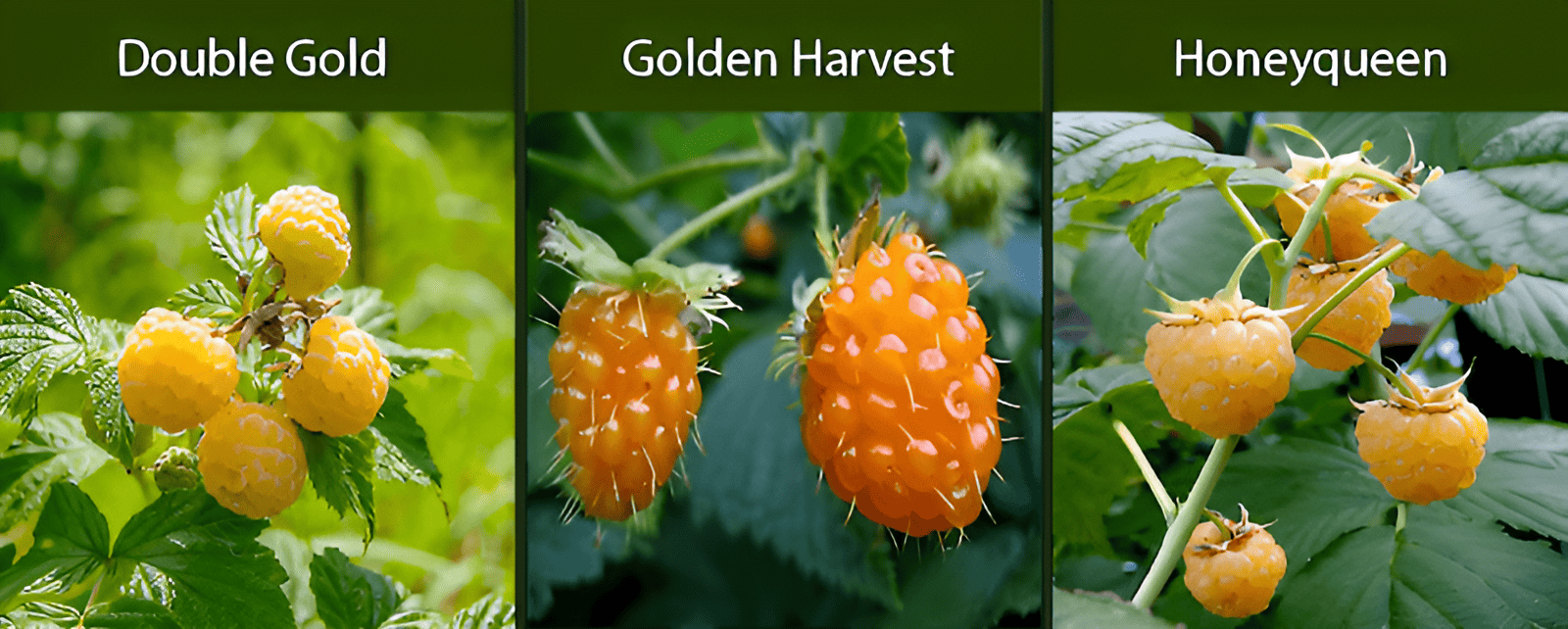
Some of the most widely grown yellow raspberry varieties include:
Fall Gold: A classic everbearing variety producing sweet, golden berries with a delicate flavor. Fall Gold can produce two harvests per season—one in summer and another in fall— making it a favorite for home gardens.
Anne: Often regarded as one of the best-tasting golden raspberries, Anne produces large, pale-yellow berries with exceptional sweetness and a mild, tropical flavor. It is a vigorous primocane variety with reliable fall harvests.
Golden Harvest: A productive summer-bearing variety known for its abundant crop of bright gold berries. Golden Harvest offers excellent flavor and performs well in many temperate climates.
Honey Queen: As the name suggests, this variety is valued for its rich, honey-sweet flavor. Honey Queen is a hardy golden raspberry with good resistance to several common raspberry diseases.
Goldie: A very early and productive everbearing variety that produces large, sweet yellow berries. Goldie continues fruiting through late summer and fall until the first frost.
Kiwi Gold: A unique hybrid derived from red and yellow raspberry parentage. Kiwi Gold produces large, flavorful berries with a warm golden color and balanced sweetness.
Double Gold: A modern variety developed by Cornell University, Double Gold produces berries with a distinctive blush-gold color often described as champagne or peach-toned. The fruit is exceptionally sweet and highly prized for fresh eating.
Summer-bearing raspberries—commonly called floricane raspberries—produce a single, concentrated harvest each year. These plants develop fruit on second-year canes, which typically ripen in early to mid-summer depending on the variety and regional climate conditions. Because the crop matures over a relatively short period, summer-bearing raspberries are popular for gardeners who want large harvests for fresh eating, preserving, or freezing.
Floricane varieties are known for their excellent fruit quality, large berry size, and dependable yields. Many of the most widely grown commercial raspberries fall into this category. When grown in well-designed garden layouts—including innovative planting systems such as crop circle growing patterns—raspberry plants can produce very high yields while making efficient use of space, water, and soil nutrients.
Successful raspberry production also depends on selecting appropriate growing methods, equipment, and management practices. Growers often rely on specialized farming agricultural technologies and cultivation strategies to monitor plant health, irrigation, and productivity. Many of these methods are highlighted in our collection of farming agriculture resources designed to help growers optimize fruit production.
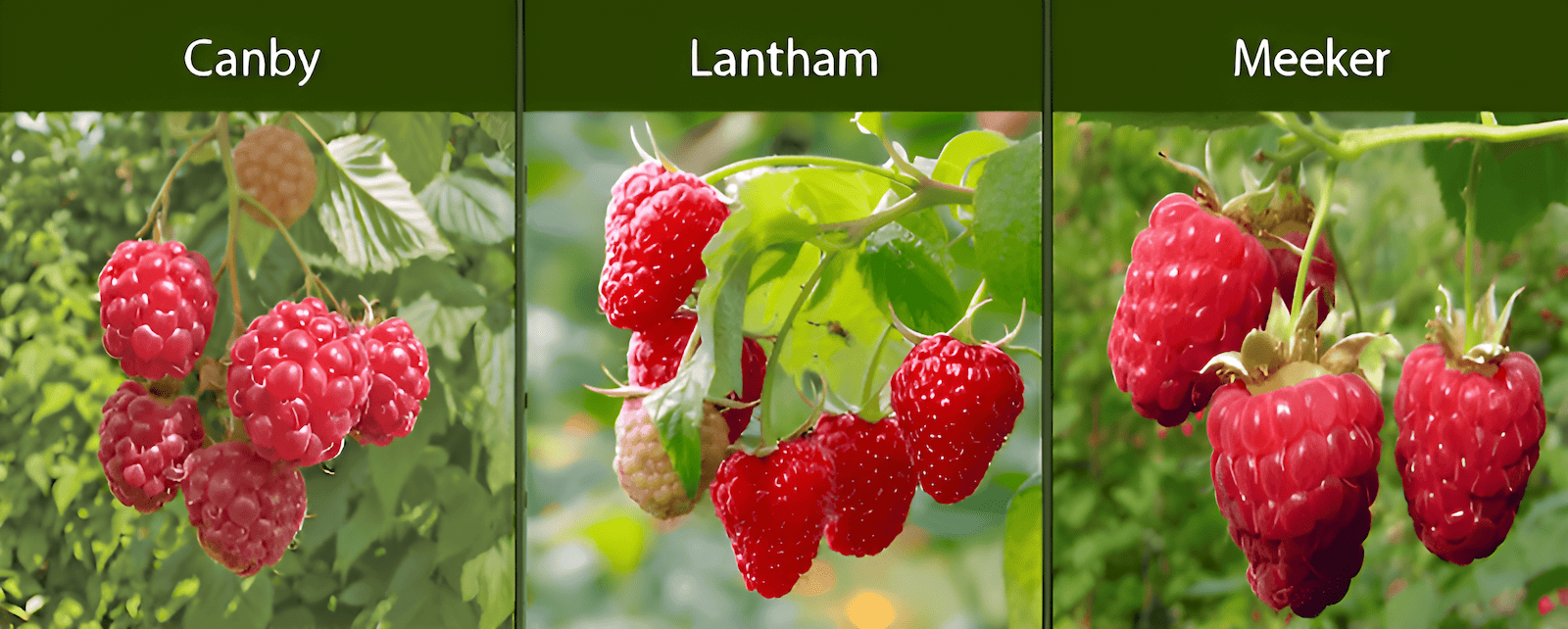
Below are several well-known summer-bearing raspberry varieties widely grown in home gardens and commercial berry farms:
Canby: A nearly thornless variety valued for its large, sweet, and firm red berries. Canby is highly productive and widely appreciated for its cold hardiness and disease resistance.
Cascade Delight: A vigorous variety known for producing large, firm berries with excellent flavor. Cascade Delight is especially valued for its strong resistance to root rot diseases.
Latham: One of the most dependable heritage raspberry varieties. Latham produces medium to large berries with a sweet flavor and is widely grown for its winter hardiness and reliable yields.
Killarney: A cold-tolerant variety that produces bright red, firm berries with excellent flavor. Killarney performs well in northern climates and offers good disease resistance.
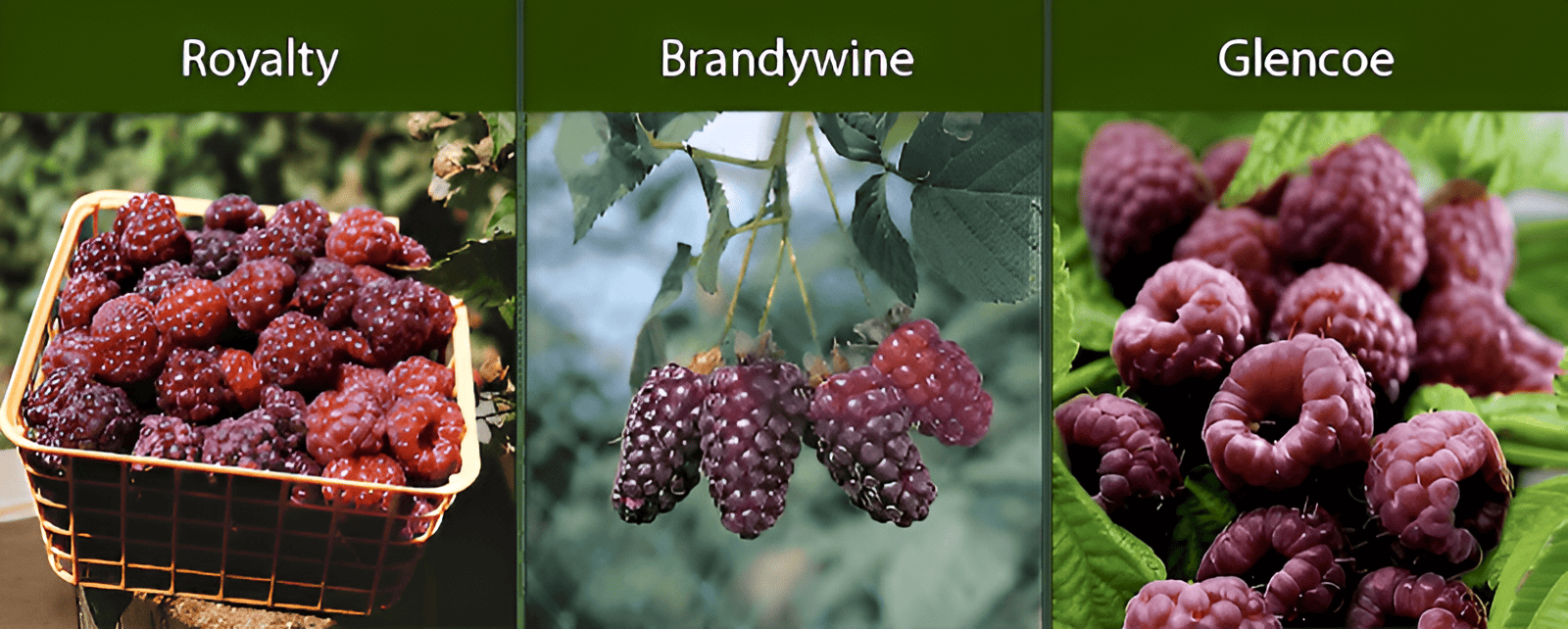
Tulameen: A premium late-season raspberry known for its large, firm berries and exceptional sweetness. Tulameen is widely grown for fresh markets and performs well in regions with warm summers.
Meeker: A classic commercial variety producing dark red, aromatic berries with rich flavor. Meeker is valued for its productivity and resistance to several fruit rot diseases.
Boyne: One of the most cold-hardy raspberry varieties available. Boyne produces medium-sized, deep red berries with excellent flavor and strong disease resistance.
Nova: A versatile and adaptable variety producing bright red, firm berries with balanced sweetness. Nova is known for tolerating both heat and cold and for its resistance to several common raspberry diseases.
Everbearing raspberries—often called primocane raspberries—are prized for their ability to produce fruit on first-year canes. In many climates these plants can deliver two harvests per season: a summer crop on second-year canes and a fall crop on new growth. This extended harvest window makes everbearing varieties especially popular for home gardens and small farms seeking a steady supply of fresh berries throughout the growing season.
Primocane raspberries are also valued for their relatively simple pruning requirements and strong disease resistance compared with many traditional summer-bearing types. Modern berry production systems increasingly integrate tools such as farm automation to monitor irrigation, soil conditions, and plant health, helping growers improve yields while reducing labor and resource use.
Raspberry plantings also play an important ecological role by supporting pollinators and beneficial insects. Healthy pollinator populations are essential for productive berry crops, which is why many growers emphasize pollinator-friendly landscapes and habitat protection. Learn more about the importance of bees and pollination in our guide: To Bee or Not to Bee.
In addition, raspberries are increasingly integrated into sustainable growing systems that focus on soil health and long-term environmental stewardship. Practices associated with carbon-smart farming—such as compost use, reduced tillage, and organic soil amendments—help improve soil structure while supporting productive berry harvests.
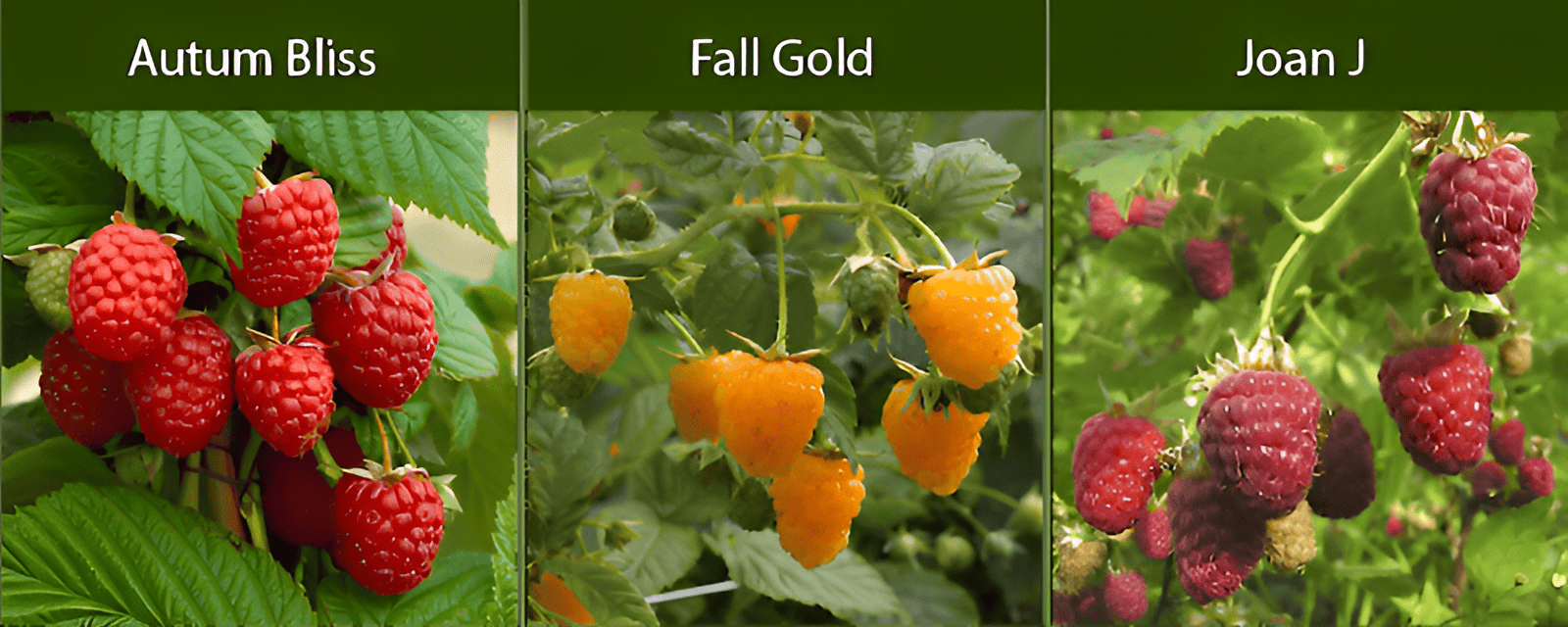
The following varieties are among the most widely grown everbearing raspberries:
Heritage: One of the most reliable and widely planted primocane varieties. Heritage produces medium-sized, firm red berries with excellent flavor and strong disease resistance.
Autumn Bliss: A classic early fall variety known for its heavy yields of firm, richly flavored berries. Autumn Bliss ripens earlier than many everbearing raspberries and shows good resistance to several common raspberry diseases.
Amity: A cold-hardy variety that produces large, firm red berries from late summer into fall. Amity performs well in cooler climates and offers consistent productivity.
Fall Gold: A distinctive yellow raspberry variety that produces sweet, honey-colored berries. Fall Gold offers two harvest periods and is popular for its unique flavor and attractive fruit color.
Caroline: Known for its exceptionally sweet flavor and large berry size, Caroline is a vigorous and productive primocane variety with good resistance to root diseases.
Joan J: A thornless everbearing raspberry that produces large, firm berries with excellent flavor. Its smooth canes make harvesting easier and more comfortable for gardeners.
Anne: Considered one of the best-tasting yellow raspberries, Anne produces large, pale-gold berries with a rich, sweet flavor and dependable fall harvest.
Jaclyn: A high-yielding variety producing large, firm berries suitable for both summer and fall harvests. Jaclyn is valued for its consistent production and good fruit quality.
Polana: An early-ripening primocane raspberry known for its vigorous growth and reliable crops of firm, flavorful red berries.
Crop Circle Farms designs and builds resource-efficient agricultural systems tailored to site conditions, crops, water availability, and production goals. Our field-tested systems have demonstrated up to 90% lower water use, up to 85% lower fertilizer requirements, and two to three times the production with selected crops and configurations compared with conventional layouts.
Services can include farm layout, irrigation planning, root-zone systems, crop selection, production modeling, training, and first planting.
Contact Us to discuss a Crop Circle Farm design for your property.
Through nonprofit and community partnerships, Crop Circle farming systems can support sustainable food production, smallholder agriculture, food security, education, and climate-resilience projects in communities around the world. Contact Growing To Give to explore smallholder farm clusters, school farm hubs, and community Crop Circle projects.
Compare popular berry crops, varieties, climate requirements, growing characteristics, harvest patterns, and production strategies.
Compare June-bearing, everbearing, and day-neutral strawberries by climate, harvest pattern, containers, disease resistance, and yield potential.
Explore Strawberry Varieties →Compare highbush, lowbush, rabbiteye, and other blueberries by climate, chill requirements, soil pH, pollination, fruit quality, and harvest season.
Explore Blueberry Varieties →Explore thorned and thornless blackberries, growth habits, climate fit, trellising, fruit quality, harvest timing, and productive cultivars.
Explore Blackberry Varieties →Compare gooseberry varieties for flavor, fruit color, climate tolerance, disease resistance, garden production, and fresh or culinary use.
Explore Gooseberry Varieties →Raspberries come in four main color groups: red, black, purple, and yellow (or golden). Red raspberries are the classic garden berry and include popular varieties like Heritage, Autumn Bliss, Canby, Cascade Delight, Tulameen, and Latham. Black raspberries (blackcaps) such as Bristol, Jewel, Cumberland, and Mac Black offer rich flavor and high antioxidant levels. Purple raspberries like Brandywine and Royalty are hybrids of red and black raspberries, while yellow or golden raspberries—Fall Gold, Anne, Golden Harvest, Honey Queen, Goldie, Kiwi Gold, and Double Gold—provide very sweet, mild-flavored fruit.
Summer-bearing (floricane) raspberries fruit once per year on second-year canes, usually in early to mid-summer. Examples include Canby, Cascade Delight, Latham, Killarney, Tulameen, Meeker, Boyne, and Nova. Everbearing or fall-bearing (primocane) raspberries can give two crops—one lighter crop in summer on last year’s canes and a heavier crop in late summer to fall on current-year canes. Heritage, Autumn Bliss, Amity, Fall Gold, Caroline, Joan J, Anne, Jaclyn, and Polana are common primocane types.
For colder regions, choose varieties noted for winter hardiness and disease resistance. Red raspberries such as Latham, Killarney, Boyne, and Nova are well-known for tolerating cold winters while still producing reliable crops. Many black raspberries—like Bristol, Jewel, and Blackhawk—also offer good cold hardiness when planted in well-drained soil and protected from extreme wind exposure.
In warmer climates or sites with hot summers, varieties like Tulameen and Nova handle heat better than many older cultivars. Fall-bearing raspberries such as Heritage, Autumn Bliss, Caroline, and Polana can perform especially well when given mulch, consistent moisture, and light afternoon shade, producing high-quality berries from late summer into fall even where summers are hot.
Yes. Some red raspberries like Canby are nearly thornless, which makes pruning and harvest more comfortable. Among purple raspberries, Glencoe (often sold as Purple Thornless) provides compact growth and thornless canes, making it a great option for smaller gardens and high-traffic picking areas.
Large, firm, sweet berries from red cultivars such as Tulameen, Glen Ample, Heritage, Amity, and Nova are excellent for fresh eating, baking, or freezing. Tart, intensely flavored varieties like Brandywine and many black raspberries (Bristol, Jewel, Cumberland) shine in jams, jellies, sauces, and desserts. Yellow raspberries like Anne, Fall Gold, and Double Gold are exceptionally sweet and mild, ideal for fresh snacking or mixed-berry desserts, especially when paired with other berries like strawberries or blueberries.
Black raspberries (blackcaps) such as Bristol, Jewel, Cumberland, and Mac Black have a deep, winey, almost wild flavor and very high antioxidant content. Purple raspberries like Brandywine and Royalty combine traits of red and black raspberries, yielding large berries with a complex, sweet-tart flavor that works well for preserves. Yellow raspberries—Fall Gold, Anne, Golden Harvest, Honey Queen, Goldie, Kiwi Gold, and Double Gold—are typically milder and very sweet, with less acidity than most reds.
If you prefer a single concentrated harvest window, plant summer-bearing (floricane) types. Canby, Cascade Delight, Tulameen, Meeker, Boyne, Killarney, Latham, and Nova are all strong choices, offering one large early- to mid-summer crop that’s easy to plan around for freezing, canning, or farm-stand sales.
For extended picking through late summer and fall, focus on everbearing/primocane raspberries. Heritage, Autumn Bliss, Amity, Caroline, Joan J, Jaclyn, Polana, Fall Gold, and Anne can provide fruit over many weeks. In many climates, you can prune primocanes to the ground each winter and enjoy a large, simplified fall crop with minimal pruning complexity.
Yes. Compact or thornless varieties like Glencoe Purple and Canby work particularly well in tight spaces and large containers. Choose a sunny site with well-drained soil or a high-quality potting mix, add sturdy stakes or a short trellis for support, and maintain regular watering. For mixed berry plantings, pair raspberries with other cane fruit, or plant them near strawberry varieties for a long season of fresh berries from early summer through fall.
In a Crop Circle or spiral layout, raspberries are often placed on outer or leeward arcs so they don’t shade lower crops. Running raspberries along curved trellis lines creates efficient harvesting lanes and keeps canes supported and well-aerated. Drip irrigation and deep mulch around the root zone help stabilize moisture, limit weeds, and improve overall berry size and quality while integrating raspberries into a diverse, high-yield garden system.