Weed Control
How to Control Weeds
Weed control is the practice of managing unwanted plants so crops receive adequate light, water, nutrients, and space to grow. Effective weed management reduces competition early, protects soil structure, and prevents weed seedbanks from building year after year.
Rather than relying on a single method, successful weed control uses a prevention-first approach: keeping soil covered, minimizing disturbance, delivering water precisely to crops, and intervening early when weeds are small and vulnerable. These strategies reduce labor, limit chemical inputs, and improve long-term soil health.
This guide explains practical weed control methods for gardens and farms—including mulches, fabrics, cultivation timing, cover crops, flame and mechanical options, and safe, label-directed herbicide use where appropriate.
Organic weed management employs natural products and procedures to regulate weeds circumventing the application of artificial chemicals. Several natural approaches encompass manual weeding, mulching, hand-pulling, hoeing, and flame weeding. Manual weeding, although laborious and time-intensive, is an efficient strategy for smaller gardens or isolated spaces. Mulching involves overlaying the soil with organic substances, like wood chips, straw, or leaves, thereby suppressing weeds and conserving soil moisture. Hand-pulling and hoeing are other physical methods effective in eradicating weeds from garden beds and small regions. Flame weeding, utilizing propane torches, burns away weed foliage, but demands careful operation to avoid damaging surrounding plants.
Chemical weed control employs synthetic herbicides to exterminate weeds. These herbicides can be sprayed, scattered as granules, or applied as liquids, functioning by disrupting the plant's growth and development. Many herbicides are available in the market, including herbicides that prevent weed seeds from germinating. Glyphosate, a broad-spectrum herbicide, is the most popular but its potential to harm the environment is raising concerns.
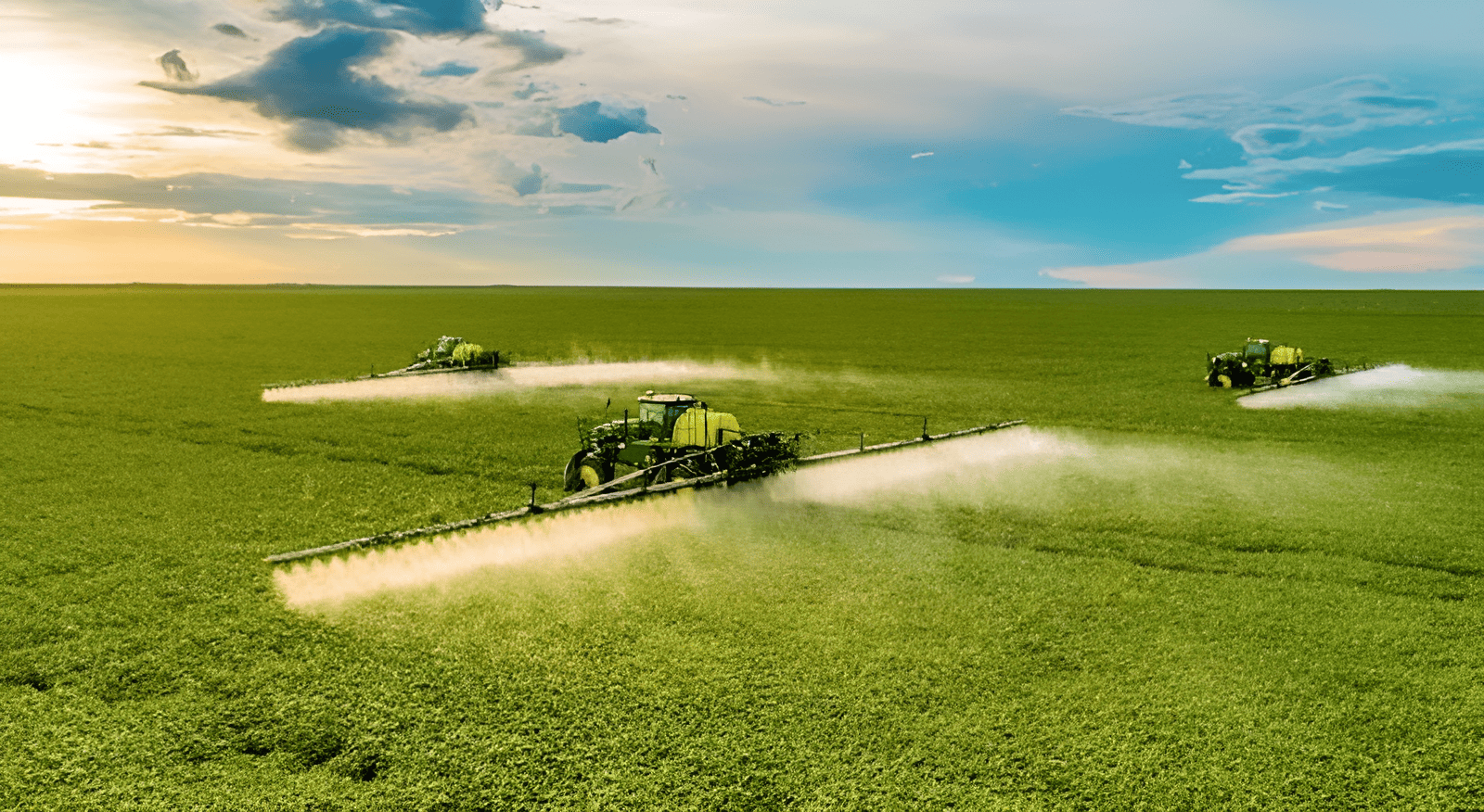
Weed killer application systems encompass backpack sprayers, handheld sprayers, and tractor-towed sprayers. Backpack and handheld sprayers are apt for small gardens and isolated spaces, while tractor-towed sprayers are utilized for large fields and commercial operations. These application systems can deliver both organic and chemical weed killers.
Both manual and tractor-towed weed suppression are potent strategies for weed growth control. Manual suppression incorporates hoeing, hand-pulling, and other physical weed removal techniques. Tractor-towed weed suppression deploys mechanical tools, like cultivators, rotary hoes, and disk harrows, to disrupt soil and destroy weeds. However, these methods necessitate considerable labor and machinery.
The type of herbicide used depends on the target weed species, crop, application site, and desired result. Herbicides such as glyphosate, 2,4-D, dicamba, and atrazine have different modes of action and different environmental and human-health risk profiles. When chemical weed control is necessary, growers should follow product labels and local regulations, protect non-target plants and wildlife, and use the least-intensive effective treatment.
Weed management plays a pivotal role in plant care, with options for both organic and chemical weed control. While organic methods employ natural products and techniques, chemical methods use synthetic herbicides. Weed killer delivery systems include backpack sprayers, handheld sprayers, and tractor-towed sprayers, along with manual and tractor-towed weed suppression for weed growth control. Nonetheless, the use of chemical weed control agents can lead to harmful long-term consequences for both the environment and human health. These potential risks must be carefully considered before deciding on a weed control strategy.
Turn your 1 acre into a high-yield, profitable farm.
Crop Circle Farms specializes in designing and building fully engineered, low-impact farm systems that use 90% less water, 85% less fertilizer, and deliver two to three times the yield of traditional farming.
Whether you have a vacant lot, an empty field, a resort, school, island community, or small family farm, we’ll build it from the ground up for you. Our team handles everything from farm layout and installation to irrigation, root systems, training, and first planting.
Contact Us to explore a custom Crop Circle Farm design for your property.
Help us expand our mission to revolutionize agriculture globally. We are seeking partners to implement Crop Circle Farms to feed people in need. Together, we can build scalable food production systems that save water, reduce costs, and feed thousands of people. Contact Growing To Give