Farm Automation
Transforming Modern Agriculture Through Robotics
Farm automation is reshaping agriculture by integrating robotics, artificial intelligence, GPS guidance, sensors, and data analytics into everyday farm operations. What was once dependent entirely on human labor and mechanical horsepower is now evolving into a coordinated system of autonomous machinery, real-time monitoring platforms, and intelligent decision-making tools. As global food demand rises and labor availability tightens, farm automation is becoming less of a technological luxury and more of an operational necessity.
Modern farm automation systems are designed to increase efficiency, reduce waste, improve yields, and enhance sustainability. From autonomous tractors and robotic harvesters to drone spraying systems and sensor-driven irrigation, automation technologies are now being deployed across row crops, orchards, greenhouses, livestock operations, and specialty crop farms worldwide.
Farm automation refers to the use of technology to perform agricultural tasks with minimal human intervention. These systems often combine:
Rather than replacing farmers, automation shifts their role from manual operators to strategic managers. Instead of driving equipment for long hours, farm managers oversee systems, monitor dashboards, analyze field data, and make higher-level decisions based on real-time insights.
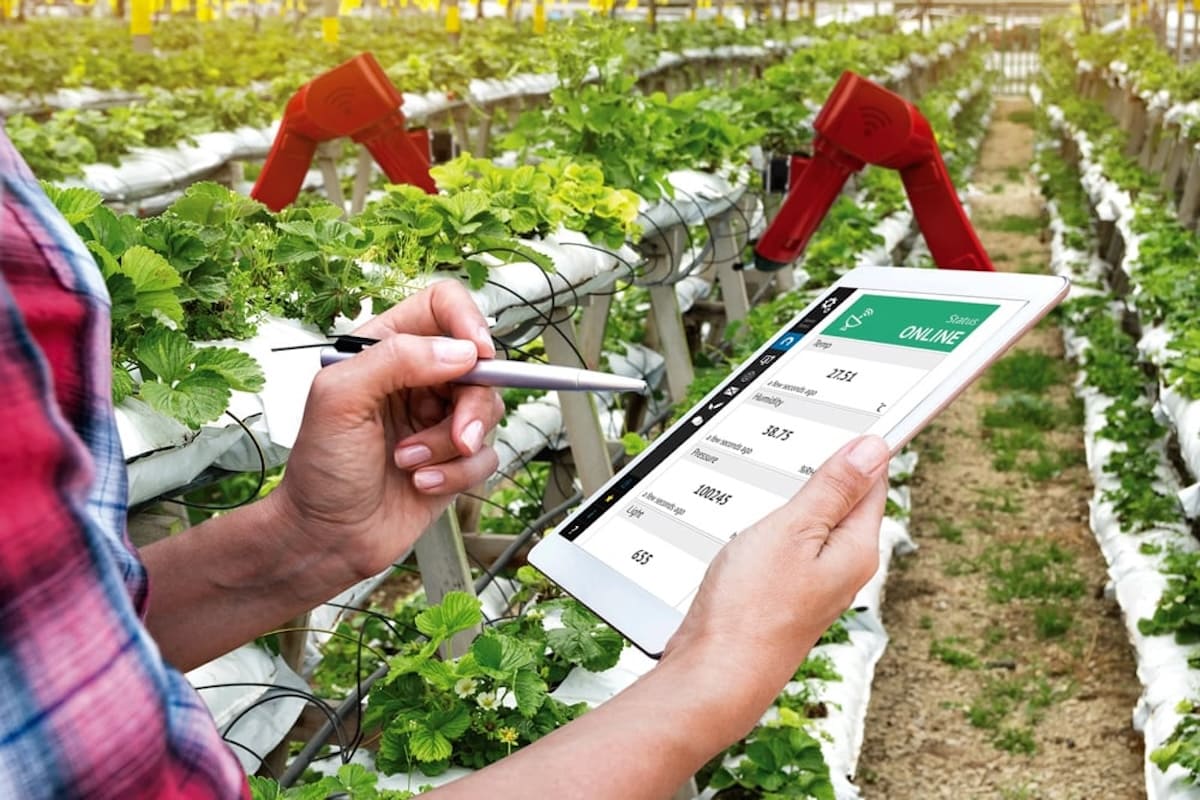
Farm automation technologies are central components of modern smart agriculture systems.
One of the most visible examples of farm automation is the rise of autonomous tractors in large-scale row crop farming. In the American Midwest, farms spanning thousands of acres are deploying self-driving tractors equipped with RTK GPS systems that allow centimeter-level precision. These machines perform planting, tillage, and fertilizer application with minimal overlap and reduced input waste.
For example, farms in Iowa and Illinois have adopted autonomous John Deere 8R tractors retrofitted with autonomy kits. These systems allow operators to schedule nighttime planting operations during optimal soil moisture windows. By extending operating hours without increasing labor, farms improve timing efficiency and protect yield potential.
Similarly, European grain operations are experimenting with coordinated fleet systems, where multiple smaller autonomous units work in tandem. Instead of relying on one large tractor, these fleets distribute workload across machines, improving soil health by reducing compaction and increasing operational flexibility.
Labor-intensive specialty crops such as strawberries, lettuce, apples, and tomatoes are increasingly benefiting from robotic harvesting systems. In California’s Central Valley, strawberry farms have deployed robotic pickers equipped with machine vision capable of identifying ripe fruit based on color and size. These robots harvest selectively, reducing damage and maintaining quality standards for fresh market distribution.
Apple orchards in Washington State are testing autonomous harvest platforms that move through rows while robotic arms gently pick fruit and place it into collection bins. These systems reduce labor bottlenecks during peak harvest windows and improve consistency in fruit handling.
Vegetable growers are also exploring selective harvesting robots for crops such as green beans and peppers. These systems are designed to identify mature produce while leaving immature fruit untouched, enabling multiple harvest passes throughout a season and maximizing yield potential.
While many harvesting machines prioritize speed and bulk throughput, Bean Strider™ represents a different model of farm automation — one built around plant health, soil preservation, and hand-style selective harvesting.
Designed for bush beans planted in continuous spiral rows, Bean Strider™ walks on four articulated legs, straddling the crop band so it never drives on roots or compacting soil. Dual soft-picking arms use computer vision and AI confidence scoring to identify and gently harvest only mature pods.
Bean Strider™ demonstrates how automation can be crop-specific, regenerative, and economically viable — aligning robotics with how plants actually grow rather than forcing plants to adapt to machinery.
Explore the Full Bean Strider™ Feature →Farm automation extends beyond ground equipment. Drone spraying systems are now widely used in Asia, Europe, and North America for precision pesticide and fertilizer application. In rice fields across Southeast Asia, drones apply fungicides at low altitude, reducing drift and minimizing water usage compared to traditional aerial spraying.
In vineyards in California and Italy, drones navigate narrow rows and steep slopes where tractor access is limited. By targeting specific disease hotspots rather than blanket-spraying entire fields, farms reduce chemical usage and environmental impact.
Corn and soybean operations in the United States are also using drones for spot treatments identified through NDVI imagery. Instead of spraying entire 100-acre fields, drones treat only affected areas, improving efficiency and reducing costs.
Water management is another area where farm automation is delivering measurable impact. In Israel, a global leader in agricultural technology, farms use soil moisture sensors and automated drip irrigation systems to deliver precise water quantities directly to plant root zones. These systems adjust irrigation schedules dynamically based on weather forecasts and real-time soil conditions.
California almond growers use sensor networks to monitor evapotranspiration rates and tree stress levels. Automated irrigation valves respond to sensor inputs, ensuring trees receive water only when necessary. This approach reduces water consumption while maintaining productivity in drought-prone regions.
Greenhouse operations in the Netherlands have taken automation even further. Climate-controlled facilities rely on AI-driven systems that regulate temperature, humidity, CO₂ levels, and irrigation simultaneously. These automated environments optimize growth conditions while minimizing resource waste.
Farm automation is not limited to crops. Dairy operations in the United States and Europe increasingly rely on robotic milking systems that allow cows to enter milking stations voluntarily. These systems monitor milk yield, detect health anomalies, and track herd performance without requiring manual milking labor.
Wearable livestock sensors track movement, feeding behavior, and vital signs. In Australia, cattle operations use GPS-enabled collars to monitor grazing patterns and ensure animals remain within designated boundaries. Alerts notify managers of unusual behavior that could indicate illness or injury.
Automated feeding systems in poultry and swine facilities adjust rations based on growth metrics and environmental conditions, optimizing feed conversion ratios and improving overall productivity.
Farm automation delivers benefits across multiple dimensions:
Labor Efficiency: Reduces dependence on seasonal or hard-to-find labor.
Precision: Minimizes overlap, reducing seed, fertilizer, and fuel waste.
Extended Operating Hours: Enables night operations and weather-based scheduling.
Data Integration: Captures field-level insights for continuous improvement.
Sustainability: Reduces chemical drift, water waste, and soil compaction.
While initial investment costs remain significant, many farms report improved long-term efficiency and resilience. Automation also supports traceability and compliance with environmental standards, which are increasingly important in global markets.
Despite its promise, farm automation faces challenges. High upfront costs can limit adoption among smaller farms. Connectivity issues in rural regions may restrict real-time data transmission. Regulatory frameworks for autonomous equipment continue evolving, particularly regarding safety and liability.
Additionally, successful implementation requires training and technical support. Automation shifts labor roles rather than eliminating them, requiring farm managers to develop data analysis and systems oversight skills.
The future of farm automation lies in integration. Autonomous tractors, robotic harvesters, drone systems, irrigation controls, and livestock monitoring platforms are increasingly being connected through centralized farm management software. Artificial intelligence will play a larger role in predictive decision-making, identifying stress patterns before they become visible.
Swarm robotics, digital twin modeling, and real-time climate risk forecasting will further enhance the precision and adaptability of automated farms. As technologies mature and costs decrease, automation is likely to expand beyond large-scale commercial farms into mid-sized and diversified operations.
Farm automation represents the convergence of engineering, biology, and data science. By combining machinery with intelligence, modern agriculture is evolving into a system that is not only more productive, but more responsive, resilient, and sustainable in a resource-constrained world.
Actual results vary by crop type, field design, and system configuration. The figures below reflect common industry performance targets associated with farm automation technologies.
*Performance outcomes depend on climate, terrain, crop system, supervision level, and technology integration.*
| Category | Traditional Farming | Automated Farming |
|---|---|---|
| Labor Model | Manual equipment operation | Autonomous and remotely supervised systems |
| Precision | Dependent on operator skill | RTK GPS and AI-driven accuracy |
| Input Efficiency | Higher overlap and variability | Optimized application and reduced waste |
| Data Collection | Limited manual tracking | Integrated telemetry and analytics |
| Operating Hours | Limited to human shifts | Extended and night operations possible |
| Sustainability Impact | Higher soil compaction and resource waste | Reduced compaction and targeted inputs |
*Reported figures vary by crop system, climate, and technology configuration.*
According to the USDA Economic Research Service, farms adopting precision technologies have reported input cost reductions of up to 15 percent.
Farm automation refers to the use of autonomous machinery, robotics, GPS guidance, AI systems, and sensor-based technologies to perform agricultural tasks with minimal human intervention. It includes automated tractors, robotic harvesting systems, drone spraying, and smart irrigation platforms.
Farm automation improves efficiency by reducing input overlap, optimizing field routes, extending operating hours, and using data analytics to guide decisions. Automated systems operate with repeatable precision, minimizing waste and improving consistency across planting, spraying, and harvesting operations.
Upfront costs can be significant, especially for autonomous tractors or robotic harvesting systems. However, many farms offset these investments through labor savings, improved fuel efficiency, reduced input waste, and increased operational scalability over time.
Large-scale row crops such as corn and soybeans benefit from autonomous tractors and precision guidance, while high-value specialty crops like strawberries, tomatoes, peppers, and bush beans benefit from robotic harvesting and selective automation systems.
Farm automation reduces repetitive manual labor requirements but does not eliminate the need for skilled farm management. Instead, it shifts labor toward system oversight, data analysis, and strategic planning.
When implemented effectively, farm automation can reduce chemical drift, minimize soil compaction, conserve water through precision irrigation, and optimize fertilizer use—supporting more sustainable agricultural practices.
Farm automation and precision agriculture are closely related but not identical. Precision agriculture focuses on using data, GPS guidance, sensors, and analytics to make better decisions about planting, irrigation, fertilization, and crop protection. It improves accuracy and input efficiency by applying the right amount of resources in the right place at the right time.
Farm automation goes a step further by using autonomous machinery, robotics, and AI-driven systems to physically perform agricultural tasks with minimal human intervention. While precision agriculture informs decisions through data, farm automation executes those decisions automatically through self-driving tractors, robotic harvesters, automated irrigation systems, and drone platforms.
In simple terms: precision agriculture improves how decisions are made, while farm automation improves how work is carried out.