Humic Acid
Grow Bigger, Better Plants
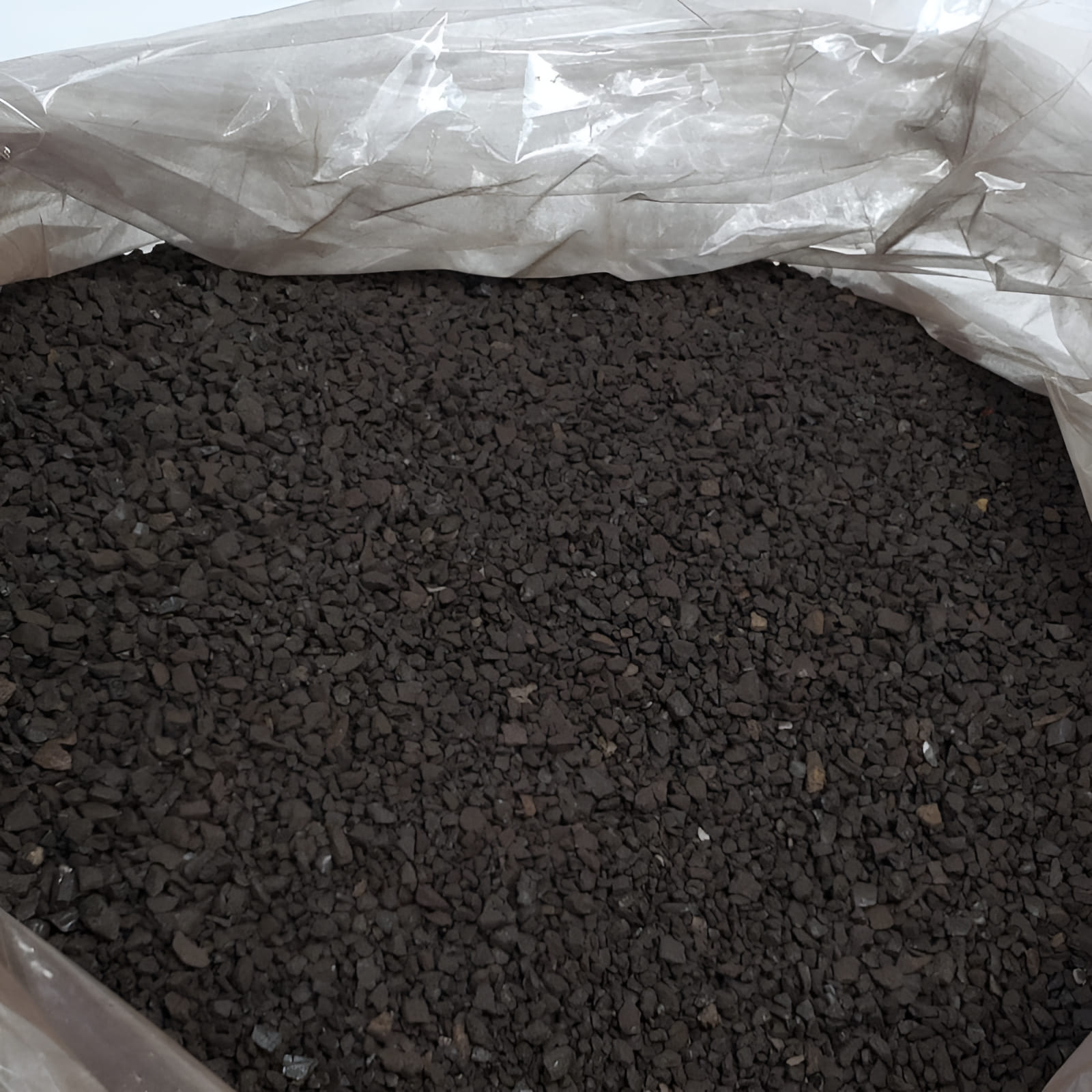
One term that has both past and present agricultural relevance is 'humic acid.' This multifaceted organic molecule found in nutrient-rich soil, has the ability to transform an unproductive farm into a high-yielding, money-making enterprise in just a matter of months.
Humic acid isn't just an isolated element; it's a foundational piece of substances that are essential to the makeup of soil, peat, and coal. It is the dominant factor in the decomposition of plant materials. Its presence and interactions with the subterranean environment play a vita; role in boosting soil fertility and ensuring optimum plant growth and production.
Ancient civilizations tapped into the power of this natural compound, amending their less than fertile soils to increase harvests. Today, we see the same compound doing the same thing but with the aid of modern agricultural methods.
Join us on a journey through time and discover its intricate composition, and its transformative influence on the agriculture in the 21st century and grow bigger, better plants.
Humic acids have an exceptionally intricate structure that are made up of both aromatic rings and aliphatic chains. These aromatic rings are fascinating constructs, comprised of carbon atoms neatly organized in a closed loop. In contrast, aliphatic chains appear either as linear arrangements or as branched mazes of carbon atoms. Together, these components bestow humic acid with its unique suite of characteristics, notably its remarkable capacity to engage with a variety of elements and compounds present in the soil.
Aromatic rings capture and retain vital nutrients while aliphatic chains contribute to the acid's inherent solubility and dynamic reactivity to plant beneficial elements in the soil. The harmonious blend of aromatic rings and aliphatic chains in the soil makes humic acid an agricultural powerhouse, able to improve and amplify soil fertility and grow bigger more productive plants.
Humic acid contains a variety of functional groups, including carboxyl, hydroxyl, carbonyl, and phenolic groups. These functional groups play a pivotal role in the behavior of humic acid in soil. For instance, carboxyl and phenolic groups contribute to the acid’s ability to bind with minerals and nutrients, enhancing nutrient availability to plants.
The presence of these functional groups also influences the acid’s ability to interact with other compounds in the soil. For example, the hydroxyl group in humic acid can form hydrogen bonds with water molecules, helping to improve soil water-holding capacity, which is important in regions that struggle with water scarcity.
Humic acid is formed through a natural process known as humification. This is the transformation of organic material, primarily plant matter, into humic substances through biological decomposition.
This process involves the breakdown of cellulose and lignin, two major components of plant material, into smaller molecules. These molecules break-down further into humic substances, including humic and fulvic acids.
As mentioned previously, humic acid plays a pivotal role in enhancing soil fertility. It does so by improving soil structure, increasing water retention, and enhancing the availability of nutrients to plants.
Humic acid also plays a crucial role in nutrient uptake by plants. It does so by a process known as chelation, where it binds to minerals in the soil, making them more available for plant uptake.
This process can enhance the nutrition of plants, leading to healthier, more productive crops. Moreover, humic acid can also stimulate root development, further enhancing nutrient uptake and therefore plant growth.
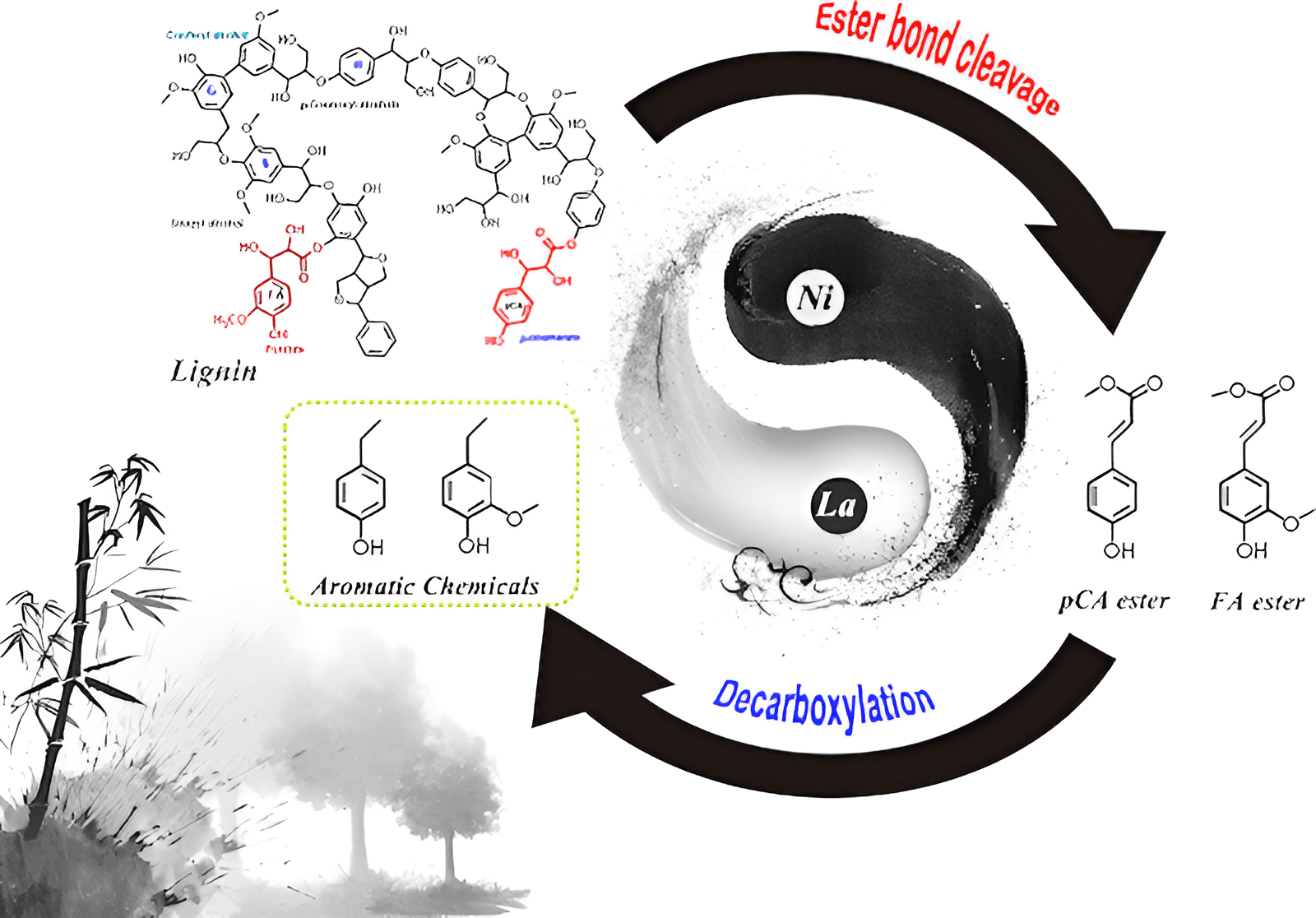
Humic acid is predominantly composed of carbon, hydrogen, and oxygen, along with smaller amounts of nitrogen and sulfur. These elements are connected through various linkages, including ester and ether linkages.
Ester linkages involve the bonding of a carboxyl group to an oxygen atom, while ether linkages involve an oxygen atom bonding two carbon atoms. These linkages contribute to the complex structure of humic acid, influencing its properties and behavior in the soil.
Humic acid is formed through a natural process known as humification. This is the transformation of organic material, primarily plant matter, into humic substances through biological decomposition.
This process involves the breakdown of cellulose and lignin, two major components of plant material, into smaller molecules. These molecules break-down further into humic substances, including humic and fulvic acids.
As mentioned previously, humic acid plays a pivotal role in enhancing soil fertility. It does so by improving soil structure, increasing water retention, and enhancing the availability of nutrients to plants.
Humic acid also plays a crucial role in nutrient uptake by plants. It does so by a process known as chelation, where it binds to minerals in the soil, making them more available for plant uptake.
This process can enhance the nutrition of plants, leading to healthier, more productive crops. Moreover, humic acid can also stimulate root development, further enhancing nutrient uptake and therefore plant growth.
When humic acid is introduced to the soil ecosystem, it acts much like a natural adhesive, binding individual soil particles into more significant aggregates. This binding property is pivotal in the formation of a granulated, crumb-like texture, known to soil scientists as 'soil tilth'.
Enhanced aggregation, or better tilth, facilitates superior water retention, which means soils enriched with humic acid can absorb and store more water, proving invaluable especially during dry spells or in arid regions. This water retention capability not only ensures that plants have a steady supply of water but also aids in the slow release of nutrients, ensuring that they are available during the life cycle of the plant.
Beyond water retention, the role that humic acid plays in creating better soil aeration cannot be understated. As humic acid binds soil particles, it creates minuscule pockets and channels with spaces that allow air to infiltrate and move through the soil more effectively. Adequate aeration is indispensable for root health, as it allows roots to breathe, absorb nutrients more efficiently, and easily grow throughout the soil without resistance.
Humic acid also plays a role in lignin degradation, a process that is crucial to the cycling of nutrients in the soil. By aiding in the breakdown of lignin, humic acid can help to release valuable nutrients back into the soil, enhancing its fertility.
Furthermore, humic acid acts as a catalyst in the intricate world of soil microbiology. It fosters a thriving environment for beneficial microorganisms, creating a microbial hub beneath the soil's surface. These beneficial microbes play pivotal roles in the ecosystem: they facilitate nutrient cycling, converting elements into forms readily accessible for plant uptake, and create a protective barrier against pathogenic organisms. This microbial shield, enhanced by the presence of humic acid, actively suppresses the onset of disease, ensuring robust and healthy plant growth.
The pH level of the soil is a vital factor in determining the bioavailability of nutrients, acting as a gatekeeper for plants' nutritional access. An extreme pH—whether too acidic or too alkaline—can prevent the release of vital nutrients, making them inaccessible to plants regardless of their abundance in the soil. Each nutrient has its own pH range where it is most readily available, and for many essential nutrients, this range often hovers around the neutral mark. Consequently, maintaining a balanced soil pH is paramount to ensure plants can effectively assimilate the nutrition they need for growth, health, yield, and reproduction.
Enter humic acid, nature's own soil regulator. This remarkable compound has the innate ability to stabilize soil pH, ensuring it doesn't stray far from the optimal range. By acting as a buffer, humic acid can neutralize overly acidic or alkaline soils, steering them closer to the sweet spot of pH 6 to 7 – the ideal range for most edible crops. Within this pH window, a myriad of nutrients, from nitrogen to phosphorus and potassium, becomes readily available for plant roots to absorb.
Humic acid, often described as nature's 'black gold,' plays a pivotal role in shaping the course of sustainable agriculture. Its significance goes beyond mere soil conditioning; it champions a holistic approach to farming, ensuring that agricultural practices are both productive and environmentally conscious. Here's a deeper look into why humic acid is paramount for sustainable agriculture and how it can drive down the reliance on chemical fertilizers.
1. Soil Structure and Water Retention: Humic acid improves the overall texture and structure of the soil. When introduced into the soil, it encourages the formation of crumb structures or aggregates. These aggregates create spaces or pores in the soil, which enhances aeration and, importantly, the soil's ability to retain water. With better water retention, there's reduced need for frequent irrigation, leading to water conservation - a cornerstone of sustainable agriculture.
2. Natural Nutrient Boost: Humic acid, rich in a plethora of essential minerals and trace elements, acts as a natural fertilizer. By increasing the soil's organic content, it ensures that plants receive a steady supply of nutrients. This innate fertility of the soil, enhanced by humic acid, reduces the dependency on external synthetic fertilizers.
3. pH Balancing Act: As previously mentioned, humic acid plays a vital role in moderating soil pH levels. By maintaining a balanced pH, it ensures that essential nutrients are readily available for plant uptake. A balanced pH negates the need to use chemical adjusters to rectify overly acidic or alkaline soils.
4. Enhanced Microbial Activity: A healthy soil is teeming with beneficial microbes. Humic acid promotes the growth of these microorganisms that aid in nutrient cycling, converting raw elements into forms plants can easily absorb. This microbial activity reduces the need for chemical fertilizers since the soil's resident microbes naturally produce and cycle nutrients.
5. Detoxifying the Soil: Over time, soils can accumulate salts and toxins, especially if chemical fertilizers and pesticides are frequently used. Humic acid can chelate these harmful compounds, rendering them non-toxic and ensuring they don’t interfere with plant growth. This detoxifying effect further emphasizes the shift away from chemicals towards more organic, sustainable farming practices.
In conclusion, humic acid is more than just a soil conditioner; it's a way to grow bigger, better plants naturaly. By embracing humic acid and its myriad benefits, agriculture can move towards an era where the earth's health and bountiful yields coexist harmoniously, with diminished reliance on chemical fertilizers.
Turn your 1 acre into a high-yield, profitable farm.
Crop Circle Farms specializes in designing and building fully engineered, low-impact farm systems that use 90% less water, 85% less fertilizer, and deliver two to three times the yield of traditional farming.
Whether you have a vacant lot, an empty field, a resort, school, island community, or small family farm, we’ll build it from the ground up for you. Our team handles everything from farm layout and installation to irrigation, root systems, training, and first planting.
Contact Us to explore a custom Crop Circle Farm design for your property.
Help us expand our mission to revolutionize agriculture globally. We are seeking partners to implement Crop Circle Farms to feed people in need. Together, we can build scalable food production systems that save water, reduce costs, and feed thousands of people. Contact Growing To Give
Practical answers about humic substances, fulvic acid, soil structure, nutrient interactions, chelation, soil biology, pH and agricultural use.
Humic acid is part of the complex group of organic materials known as humic substances, which form as plant and other organic materials decompose and undergo humification. Humic substances are commonly associated with soils, peat and other organic-rich materials and contain functional groups that can interact with minerals, nutrients and soil particles.
Humic and fulvic acids are both fractions of humic substances formed from decomposed organic matter. Humic acid is generally associated more strongly with soil-conditioning and nutrient-retention functions, while fulvic substances are smaller and more soluble and can interact readily with dissolved minerals and micronutrients.
Humic substances contain functional groups such as carboxyl, hydroxyl, carbonyl and phenolic groups. These groups can bind with minerals and nutrients in the soil. One important interaction is chelation, in which humic substances form associations with mineral elements that can influence their mobility and availability within the root zone.
Humic substances can interact with soil particles and contribute to the formation and stability of soil aggregates. Better aggregation can create pore spaces for air and water movement and support the crumb-like structure commonly associated with good soil tilth. The degree of response depends on the soil, organic matter, product characteristics and management practices.
Improvements in soil aggregation and organic-matter interactions can influence how water moves through and is retained within soil. Humic substances may therefore support soil-water management in some soils, particularly when used as part of a broader soil-building program. They should not be treated as a guaranteed substitute for appropriate irrigation or moisture management.
No. Humic products are generally used to complement rather than replace crop nutrition and organic-matter management. They can interact with nutrients and the soil environment, but crops still require appropriate nitrogen, phosphorus, potassium, micronutrients and other inputs based on crop demand and soil conditions.
Humic substances have chemical groups that can contribute to buffering within the soil environment, but humic acid should not be considered a replacement for lime, sulfur or other materials used specifically to correct soil pH. Significant pH problems should be managed according to soil-test results and the requirements of the crop being grown.
Humic and fulvic products may be incorporated into soil-management, transplanting or irrigation programs depending on the formulation. Some products are applied to the soil or through fertigation, while others are formulated for different application methods. Because concentrations vary considerably among commercial products, application rates and timing should follow the manufacturer’s label and the needs of the crop and soil.
Some humic products are designed for use alongside fertilizers or biological inputs, but compatibility depends on the formulation, concentration, water chemistry and other materials in the tank. Follow product-specific mixing instructions and use a small compatibility or jar test when combining products for the first time.
Humic substances can be considered alongside compost, crop residues, nutrient management, irrigation and other practices intended to maintain productive soils. Depending on the product, they may be applied to the root zone or delivered through compatible irrigation systems. Their value should be evaluated as one component of a broader sustainable agriculture and soil-management strategy rather than as a stand-alone solution.