Artisanal Foods
A form of Expression in Food
Artisanal foods celebrate craftsmanship, tradition, and the natural flavors of carefully selected ingredients. Rather than focusing on mass production, artisanal producers emphasize quality, authenticity, and hands-on preparation. Each product reflects the skill and creativity of the maker, transforming food from a simple necessity into an expression of culture, heritage, and culinary artistry.
Most artisanal foods are crafted in small batches using traditional methods and often rely on locally sourced or seasonal ingredients. From naturally fermented breads and hand-crafted cheeses to small-batch chocolates, preserves, and specialty beverages, these foods prioritize flavor, freshness, and sustainability over uniformity and large-scale output.
Behind every artisanal product are the people who bring it to life—farmers who nurture the soil, bakers who perfect their sourdough starters, cheesemakers who refine aging techniques, brewers who experiment with unique ingredients, and chocolatiers who transform cocoa into carefully balanced flavors. Their dedication keeps culinary traditions alive while introducing new interpretations of time-honored recipes.
Artisanal foods are products made primarily by skilled producers using traditional or craft-based methods. They are typically prepared in small batches with careful attention to ingredient quality, flavor development, and authenticity. Unlike industrially manufactured foods, artisanal products often emphasize regional identity, seasonal ingredients, and sustainable sourcing.
• The modern artisanal food movement grew rapidly in the late 20th century as consumers began seeking
locally produced and minimally processed foods.
• Many famous foods—such as traditional cheeses, sourdough bread, and craft chocolate—originated as
regional artisanal specialties before becoming globally recognized products.
• Small-batch artisanal production often allows for greater control over ingredients and fermentation,
which can enhance both flavor complexity and nutritional quality.
Feel free to share this artisanal foods infographic on your website or blog. Please include a link back to this page as the source.
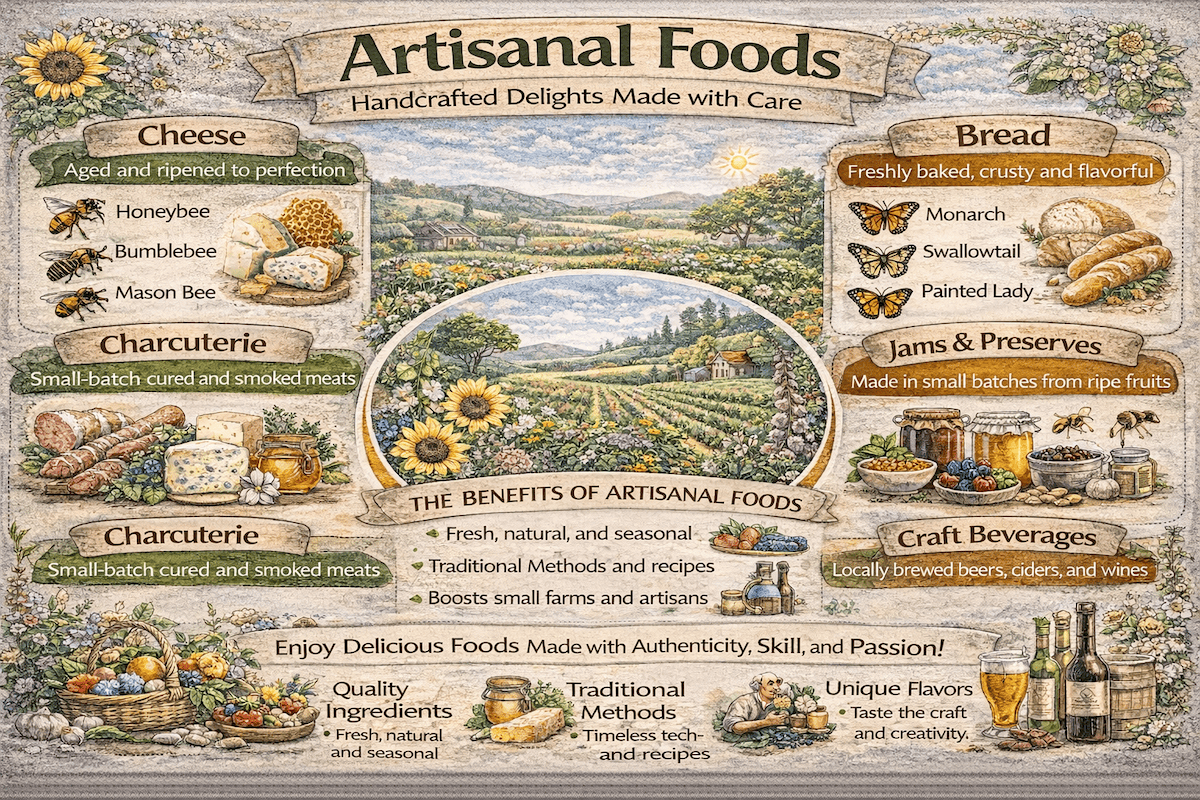
Artisanal food preparation is both a craft and a form of cultural expression. It requires skill, patience, creativity, and a deep understanding of ingredients, methods, and processes. The artistry of artisanal foods is evident in the care taken with each preparation and presentation. But the value of artisanal foods goes far beyond appearance. These foods often reflect regional traditions, agricultural heritage, and the principles of sustainable agriculture, creating dishes that celebrate both land and culture while offering something memorable for people to share and talk about.
Artisans are not simply producers of food; they are storytellers. Each handcrafted product reflects its origin, the ingredients used, and the journey from farm to table. This narrative is central to the modern farm-to-table movement, which emphasizes transparency, local sourcing, and a deeper connection between farmers, chefs, and communities. These stories add meaning and authenticity to the dining experience, transforming food into a connection with a place, a season, and the people who produce it.
Food artisans are also innovators. They continually experiment with flavors, ingredients, and techniques while respecting the traditions that shaped their craft. Many artisans are rediscovering heritage ingredients such as ancient grains, traditional fermentation methods, and locally adapted crops to create foods that are both historically rooted and creatively modern. This spirit of experimentation keeps the artisanal food scene vibrant and dynamic as customers look forward to discovering new flavors and products.
Artisanal foods are often steeped in tradition, particularly breads, cheeses, and pastas. The use of traditional methods is one of the defining characteristics of these foods. Techniques passed down through generations are time-tested and reliable, contributing to the authenticity and quality that distinguish handcrafted food products from mass-produced alternatives.
Traditional methods also support a slower, more mindful approach to food production. Many artisanal foods require manual labor, careful observation, and attention to detail. This process may involve long fermentation times, slow cooking, natural aging, or careful ingredient preparation. These slower methods allow flavors and textures to develop fully, producing foods that are richer in taste and nutritional value.
The process itself is also meaningful. Kneading dough, stirring fruit preserves, aging milk into cheese, or fermenting grains into beer connects artisans with centuries of culinary tradition. These practices reflect a deep respect for ingredients and the natural processes that shape them. In many ways, they mirror the values of modern regenerative food systems, including innovative growing models such as crop circle market gardens, which combine traditional farming knowledge with modern ecological design.
The terms handcrafted and small-batch are often used to describe artisanal foods, but these concepts represent more than marketing language. Handcrafted foods are made primarily by hand rather than through large-scale industrial automation. This allows artisans to monitor each stage of the process carefully, ensuring that quality, flavor, and texture meet their standards.
Small-batch production refers to producing limited quantities at a time. This approach allows artisans to maintain freshness and attention to detail while adapting to seasonal ingredients and local supply. In contrast to mass-produced foods manufactured for maximum efficiency, small-batch foods prioritize quality, authenticity, and craftsmanship.
Handcrafted and small-batch foods ultimately represent a labor of dedication and passion. They reflect the artisan’s commitment to preserving culinary traditions while delivering unique and memorable flavor experiences. For many consumers, these foods represent a return to authenticity and a deeper appreciation for how food is grown, prepared, and shared.
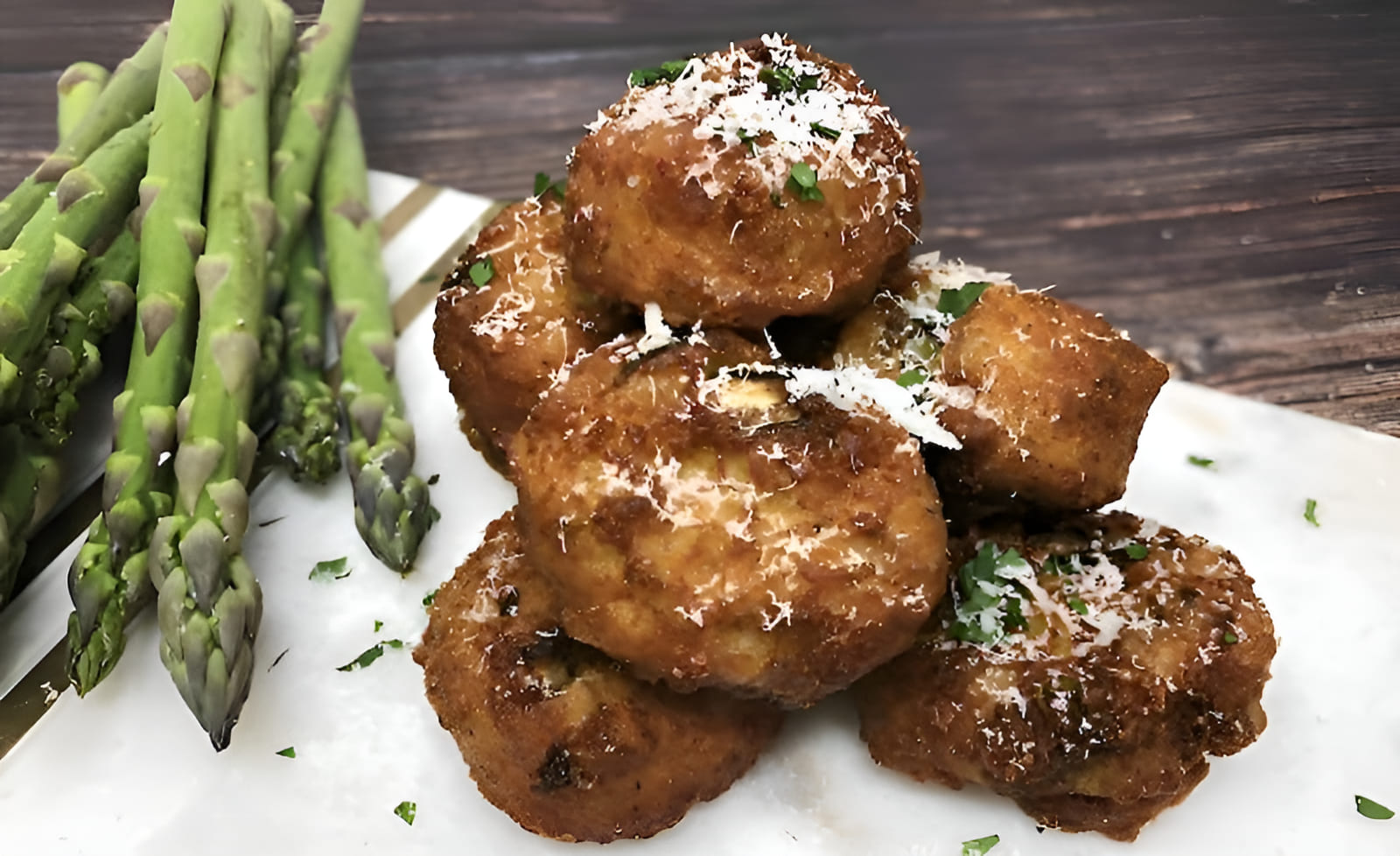
The use of local ingredients is a cornerstone of artisanal food production. Local ingredients are fresh, flavorful, and closely connected to the land where they are grown. They reflect the season, the climate, the soil, and the biodiversity of a region. In many ways they embody the concept of terroir — the unique environmental conditions that influence the flavor and character of foods produced in a specific place.
Sourcing ingredients locally also strengthens regional food systems by supporting farmers, growers, and small-scale producers. Local food networks are often connected to initiatives such as urban agriculture and community gardens that shorten supply chains and bring food production closer to the people who consume it. By reducing long-distance transportation, local food systems help minimize so-called “food miles” and reduce environmental impacts such as agricultural carbon footprints.
Local ingredients also add authenticity and identity to artisanal foods. They provide a true taste of place and create a deeper connection between the land, the farmer, and the community. Whether ingredients are harvested from rural farms, urban gardens, or innovative growing systems like crop circle raised gardens, locally sourced foods help preserve regional character while strengthening resilient food systems.
The farm-to-table movement emphasizes transparency, integrity, and sustainability in food production. It focuses on understanding where food comes from, how it is grown, and who produces it. Authentic farm-to-table artisanal foods maintain a close relationship between farmers, growers, chefs, and consumers, ensuring that food is fresh, nutritious, and responsibly produced.
Artisanal foods naturally align with farm-to-table principles because they rely on seasonal, locally sourced ingredients and emphasize craftsmanship over industrial production. These foods celebrate the relationship between producers and the land, while encouraging agricultural practices that protect soil, water, and biodiversity.
In many cases, farm-to-table meals are served close to where ingredients are grown — sometimes even outdoors in gardens or farms themselves. Experiences like those found in American gardens showcase how food can move directly from harvest to table, allowing diners to experience the full journey from seed to plate. These experiences help educate consumers about food production, encourage mindful eating, and support healthier, more sustainable food systems.
Artisanal foods come in many forms and styles, including heirloom and gourmet varieties. Heirloom foods refer to traditional varieties of fruits, vegetables, grains, and livestock that have been preserved through generations of careful cultivation. These foods often feature distinctive flavors, colors, and textures that are rarely found in modern commercial varieties.
Growing heirloom varieties frequently requires thoughtful garden planning and careful crop selection. Resources such as guides for choosing the perfect greens for your garden can help growers select plant varieties that thrive locally while maintaining flavor and nutritional value.
Gourmet artisanal foods, by contrast, emphasize exceptional quality, craftsmanship, and culinary creativity. These foods are often made using premium ingredients and refined techniques that elevate simple ingredients into memorable culinary experiences. Whether it’s an heirloom Brandywine tomato, a handcrafted cheese aged to perfection, or a rustic loaf of naturally fermented sourdough bread, artisanal foods celebrate the richness of agricultural heritage and the artistry of food preparation.

In a world where highly processed, artificial, and genetically modified foods are increasingly common, natural artisanal foods offer a refreshing return to simplicity. These foods are created with minimal intervention using ingredients that are pure, wholesome, and free from unnecessary additives or preservatives. Natural artisanal foods focus on the integrity of the ingredient itself, allowing the natural flavors, textures, and nutrients of the food to shine.
The return to simplicity is not only about the ingredients but also about the production process. Natural artisanal foods are often prepared using traditional techniques that emphasize patience, craftsmanship, and respect for natural food systems. These methods contrast sharply with many traditional agriculture systems that have evolved toward large-scale industrial production and standardized processing.
Natural artisanal foods reflect the artisan’s respect for nature, commitment to health and wellness, and dedication to authenticity and transparency. In an era where consumers are increasingly concerned about how their food is produced, these foods represent what many people simply call “real food.”
The slow food movement is a global initiative that advocates for food that is good, clean, and fair for everyone. It promotes traditional food cultures, biodiversity, ethical consumption, and agricultural practices that protect soil, water, and ecosystems. Artisanal foods play a central role in this movement because they prioritize quality, heritage, and craftsmanship over mass production.
The principles of slow food align closely with many modern agricultural reforms that emphasize transparency and sustainability in the food system. Efforts to improve farm transparency systems are helping consumers understand where their food comes from, how it is produced, and how it reaches the table. At the same time, discussions about agricultural policy, including programs related to farm subsidies, continue to shape how food is grown and distributed around the world.
The slow food movement encourages a deeper connection between people and their food sources. By supporting local producers, protecting culinary traditions, and promoting ecological farming methods such as nutrient cycling, the movement is helping build a more resilient and sustainable food system — one meal at a time.
Homestyle artisanal foods evoke comfort, nostalgia, and a sense of belonging. These foods are often inspired by family recipes, regional traditions, or childhood memories passed down through generations. They are made with care, patience, and a deep appreciation for the cultural traditions that shape our culinary identities.
Homestyle foods celebrate simplicity and authenticity. They remind us of home-cooked meals, family gatherings, and community traditions that bring people together around the table. These foods connect generations through shared experiences and memories, reinforcing the emotional and cultural value of food.
Whether it is a bowl of homemade soup, a freshly baked pie, or a jar of hand-crafted pickles, homestyle artisanal foods offer more than nourishment. They provide warmth, familiarity, and a sense of connection to the traditions that shape our lives.
Boutique artisanal foods represent a blend of culinary luxury and traditional craftsmanship. These products are often produced in limited quantities and crafted with exceptional attention to detail. Artisans who create boutique foods typically prioritize quality, flavor, and originality over large-scale production.
These high-end artisanal foods often feature rare ingredients, refined techniques, and creative presentation. From small-batch cheeses and handcrafted chocolates to specialty oils and fermented products, boutique foods offer consumers unique culinary experiences that cannot be easily replicated by industrial food production.
Boutique artisanal foods celebrate the artistry of food preparation. They showcase the passion, skill, and creativity of the artisan while offering a sophisticated dining experience that highlights the richness of culinary tradition.
Old-world techniques continue to play a vital role in modern artisanal food production. These techniques, often preserved through centuries of practice, bring depth, complexity, and authenticity to artisanal foods. Methods such as fermentation, curing, aging, and slow baking rely on natural biological processes that enhance flavor and texture over time.
The art of fermenting vegetables, baking sourdough bread, aging cheese, or brewing beer reflects traditions that have been refined across generations. These time-honored methods allow artisans to transform simple ingredients into foods with rich character and cultural significance.
Today’s food artisans respect and preserve these old-world techniques, while also exploring new ideas and innovations. By blending traditional knowledge with modern creativity, they create foods that honor the past while embracing the future. This balance of tradition and innovation keeps the artisanal food landscape vibrant, dynamic, and continuously evolving.
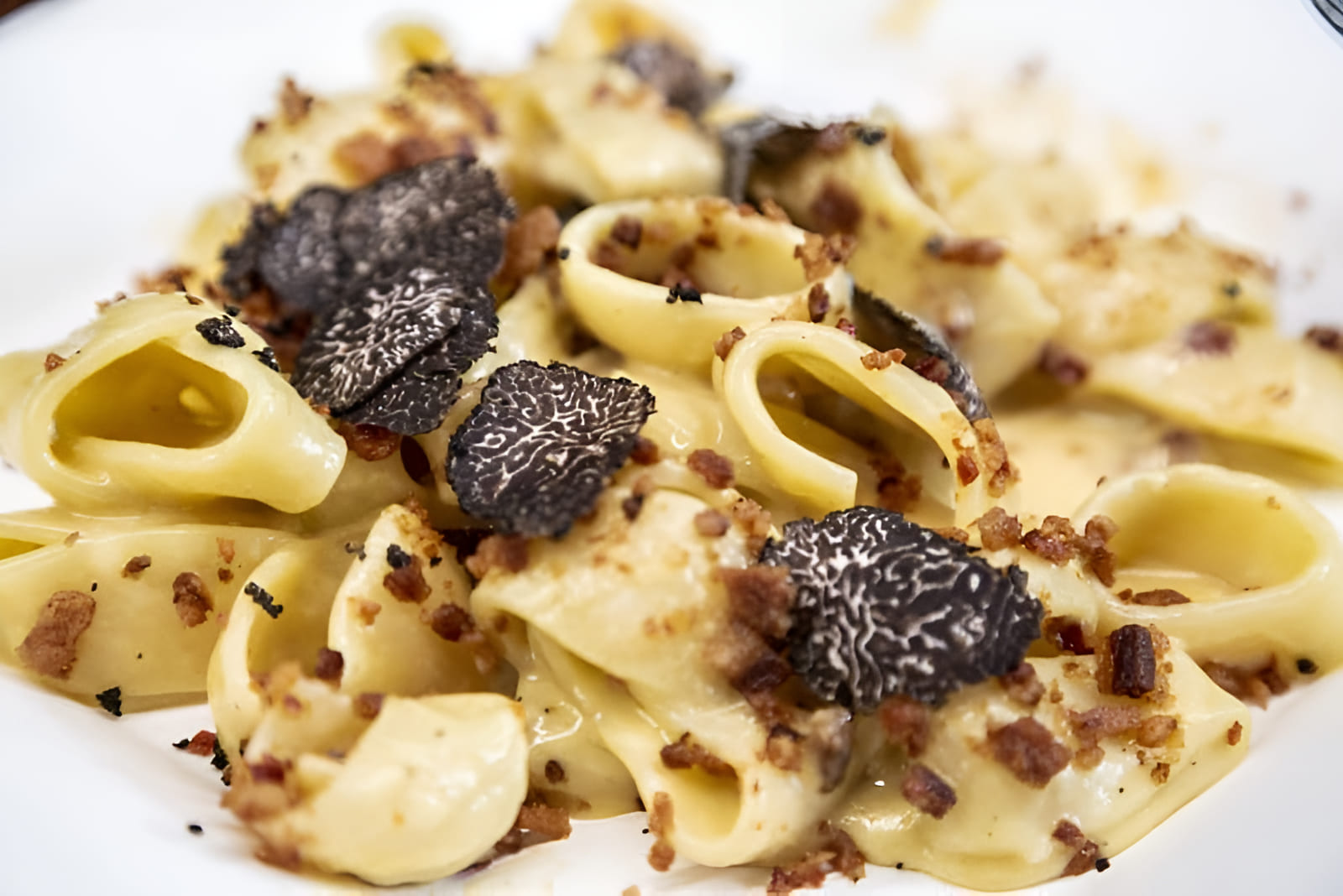
Seasonality is a foundational principle in artisanal food production. Seasonal foods are those harvested at the time of year when they naturally reach their peak in flavor, nutritional value, and abundance. When artisans work with seasonal ingredients, they are able to capture the best qualities of each harvest while honoring the natural rhythms of the growing cycle.
Artisanal foods made with seasonal ingredients are typically fresher, more flavorful, and more sustainable than foods produced outside their natural growing period. Seasonal produce reflects the climate, soil conditions, and biodiversity of a region, contributing to distinctive local flavors. For example, many seasonal desserts and preserves highlight locally harvested fruits such as those featured in the berries varieties hub, where different berry types offer unique tastes, colors, and textures throughout the growing season.
Seasonality also encourages creativity in the kitchen. As available ingredients change throughout the year, chefs and food artisans continually adapt their recipes and techniques. This evolving approach reflects agricultural cycles and is often connected to regenerative practices such as closed-loop farming, where nutrients and resources are recycled within the farm ecosystem, supporting both sustainability and long-term soil health.
Artisanal foods play an important role in preserving culinary heritage. By maintaining traditional recipes, preparation techniques, and locally adapted ingredients, food artisans help safeguard cultural food traditions that might otherwise disappear in an age of industrial food production.
Many traditional foods are closely tied to regional agriculture and sustainable land stewardship. Practices such as organic farming emphasize soil health, biodiversity, and natural growing methods that protect both the environment and traditional food cultures.
Through their dedication to authenticity, quality, and tradition, artisanal food producers ensure that our culinary heritage remains vibrant and relevant. Their work connects past generations with future ones, allowing communities to celebrate their culinary identity while continuing to innovate and adapt.
Bespoke artisanal foods are custom-crafted to suit individual preferences, dietary needs, or special occasions. These foods are produced with exceptional care and attention to detail, allowing artisans to create unique products that reflect personal tastes and creative presentation.
This level of customization allows food artisans to develop highly personalized culinary experiences. Whether adapting recipes for dietary restrictions, experimenting with specialty ingredients, or designing visually striking presentations, bespoke foods highlight the craftsmanship and creativity that define artisanal production.
From gluten-free artisanal breads and plant-based cheeses to made-to-order celebration cakes and curated gourmet gift baskets, bespoke artisanal foods offer something truly distinctive. Each creation reflects a blend of tradition, creativity, and individual expression, resulting in visually stunning and one-of-a-kind food experiences.

Terroir is a French term used to describe the unique environmental characteristics of a specific place that influence the flavor and quality of the food produced there. These characteristics include climate, soil composition, topography, local biodiversity, and traditional farming practices that shape how crops and ingredients develop.
Artisanal foods often embody the concept of terroir because they are produced with local ingredients grown in the conditions that define a particular region. These foods provide a true taste of place, reflecting the natural environment, cultural traditions, and agricultural practices of the communities where they originate.
When farmers cultivate crops using regenerative systems such as polyculture farming or soil-protecting approaches like conservation agriculture, the resulting ingredients can express even greater depth and complexity. Terroir ultimately gives artisanal foods their distinctive identity, making each product a reflection of its environment and a celebration of local food landscapes.
Ethical sourcing is an essential principle in artisanal food production. It refers to the practice of obtaining ingredients in ways that respect farmers, workers, animals, and the environment. Ethical sourcing emphasizes transparency, fairness, and responsible stewardship of natural resources.
Artisanal foods made with ethically sourced ingredients not only deliver exceptional flavor but also reflect values that support healthy communities and ecosystems. Many artisans prioritize agricultural practices that protect soil, water, and biodiversity while maintaining safe and responsible production standards such as those promoted through food-safe agriculture.
By prioritizing ethical sourcing, artisanal food producers help promote fair trade, animal welfare, and environmental stewardship. Each product becomes more than just food—it becomes a symbol of responsibility and a step toward a more sustainable food system.
Many artisanal food producers are family-owned businesses that pass down knowledge, techniques, and recipes from one generation to the next. These businesses are often rooted in traditions that span decades or even centuries and are driven by a shared passion for quality food and skilled craftsmanship.
Family-run food businesses contribute significantly to the diversity and authenticity of the artisanal food landscape. They preserve traditional skills, support local economies, and maintain close relationships with farmers, growers, and communities.
These businesses represent the human side of food production. Behind every handcrafted product is a story of dedication, heritage, and pride in the craft of creating meaningful food experiences.
Hand-harvested and single-origin are two terms frequently associated with artisanal foods. Hand-harvested ingredients are carefully picked by hand, allowing producers to select crops at the optimal stage of ripeness while minimizing damage to the plant and surrounding ecosystem.
Single-origin foods come from a single farm, region, or producer. This traceability allows consumers to experience the unique characteristics of a specific growing location while strengthening transparency within the food system.
Together, hand-harvested and single-origin ingredients reinforce the purity and authenticity of artisanal foods. They highlight the connection between the food we eat and the land where it was grown.
Direct trade is a business model that encourages direct relationships between producers, artisans, and consumers. By shortening supply chains, direct trade ensures fair compensation for farmers while providing greater transparency about how food is produced and distributed.
Artisanal food producers frequently adopt direct trade practices because they value close relationships with farmers and ingredient suppliers. These partnerships promote fair prices, encourage responsible farming practices, and support local communities.
Direct trade strengthens the authenticity and integrity of artisanal foods while creating a more equitable food system that benefits both producers and consumers.
The culinary artisan plays a central role in the modern artisanal food movement. These individuals are passionate about food, dedicated to mastering their craft, and committed to producing foods that reflect authenticity, quality, and creativity.
Culinary artisans are not only producers—they are storytellers, innovators, and community builders. They transform simple ingredients into memorable culinary experiences while sharing the traditions and values that shape their craft.
The growing popularity of artisanal foods reflects a broader shift toward mindful consumption and sustainable food systems. Consumers increasingly value foods that are responsibly produced, thoughtfully prepared, and connected to the land and the people who cultivate it.
Artisanal foods represent more than a culinary trend. They reflect a philosophy centered on craftsmanship, heritage, and sustainability. By supporting artisans, consumers help preserve traditional food cultures, encourage responsible agriculture, and celebrate the diversity and richness of the global food landscape.
Turn your 1 acre into a high-yield, profitable farm.
Crop Circle Farms specializes in designing and building fully engineered, low-impact farm systems that use 90% less water, 85% less fertilizer, and deliver two to three times the yield of traditional farming.
Whether you have a vacant lot, an empty field, a resort, school, island community, or small family farm, we’ll build it from the ground up for you. Our team handles everything from farm layout and installation to irrigation, root systems, training, and first planting.
Contact Us to explore a custom Crop Circle Farm design for your property.
Help us expand our mission to revolutionize agriculture globally. We are seeking partners to implement Crop Circle Farms to feed people in need. Together, we can build scalable food production systems that save water, reduce costs, and feed thousands of people. Contact Growing To Give
Artisanal foods are foods produced primarily through skilled, craft-based methods with close attention to ingredients, preparation, flavor and quality. They are commonly associated with small-batch production, traditional techniques, regional identity and a strong connection between the maker and the finished product.
Small-batch production means making limited quantities at one time rather than producing food continuously at industrial scale. Smaller batches can allow artisans to monitor preparation closely, adapt to seasonal ingredients and maintain the flavor, texture and character they want in each product.
Local ingredients can connect artisanal foods to the farms, climate, seasons and food traditions of a particular region. Working directly with nearby growers can also shorten supply chains and help artisans build stronger relationships with the people producing their ingredients.
Artisanal foods often fit naturally within farm-to-table systems because both emphasize ingredient origin, seasonal sourcing, transparency and relationships between farmers, food producers, chefs and consumers. The goal is to maintain a clearer connection between where ingredients are grown and how the finished food is prepared.
Traditional artisanal techniques can include fermentation, curing, aging, slow baking, hand mixing, preserving and other methods that rely on time, skill and careful observation. These techniques are often adapted from regional or family food traditions that have developed over generations.
Seasonal ingredients allow artisans to work with foods when they are naturally available in a particular region. Changing harvests throughout the year can influence recipes, flavors and product availability while encouraging artisans to adapt their work to agricultural growing cycles.
Terroir describes the influence of place on agricultural ingredients and foods. Climate, soil, topography, biodiversity and local production traditions can all contribute to distinctive characteristics associated with a particular farm, landscape or region.
Bespoke artisanal foods are custom-made products created for individual preferences, occasions or specific requirements. Examples can include made-to-order baked goods, specialty gift collections or customized recipes developed around particular ingredients or dietary preferences.
Ethical sourcing means considering how ingredients are produced and obtained, including relationships with farmers and workers, environmental stewardship, animal welfare where relevant and transparency within the supply chain. Individual artisans may apply these principles differently depending on their products and suppliers.
Single-origin generally describes an ingredient or product associated with one farm, producer or geographic region, giving consumers a clearer connection to its source. Direct trade emphasizes closer relationships between producers and buyers, often shortening the supply chain and improving transparency about where ingredients come from.