Crop Circle Farms
Changing the Shape of Agriculture
Conservation agriculture is a practical farming system designed to protect soil, conserve water, and sustain yields over the long term. Built on three core principles—minimal soil disturbance, permanent soil cover, and diverse crop rotations—it works with natural processes rather than against them to improve resilience and profitability.
By reducing or eliminating tillage, maintaining crop residues or living cover crops, and rotating diverse plant families, conservation agriculture improves soil structure, increases organic matter, and enhances water infiltration. These changes reduce erosion, moderate soil temperature, and support beneficial soil biology that drives nutrient cycling.
This guide explains conservation agriculture principles, techniques, and transition strategies for farms, gardens, and Crop Circle layouts—showing how soil health, water efficiency, and economic performance can improve together.
Conservation agriculture often improves margins by reducing inputs while stabilizing yields. Use these tools to estimate production, growing space, food output, and efficiency gains.
Estimate yield per crop or planting unit.
Model whole-field and farm-scale output.
Calculate how much space you need to grow vegetables, herbs, and staple crops using conservation and no-till layouts.
Estimate how much food a garden or farm can produce and how that harvest translates into meals and servings.
Tip: Pair residue cover with precise nutrient placement to reduce fertilizer losses and improve overall production efficiency.
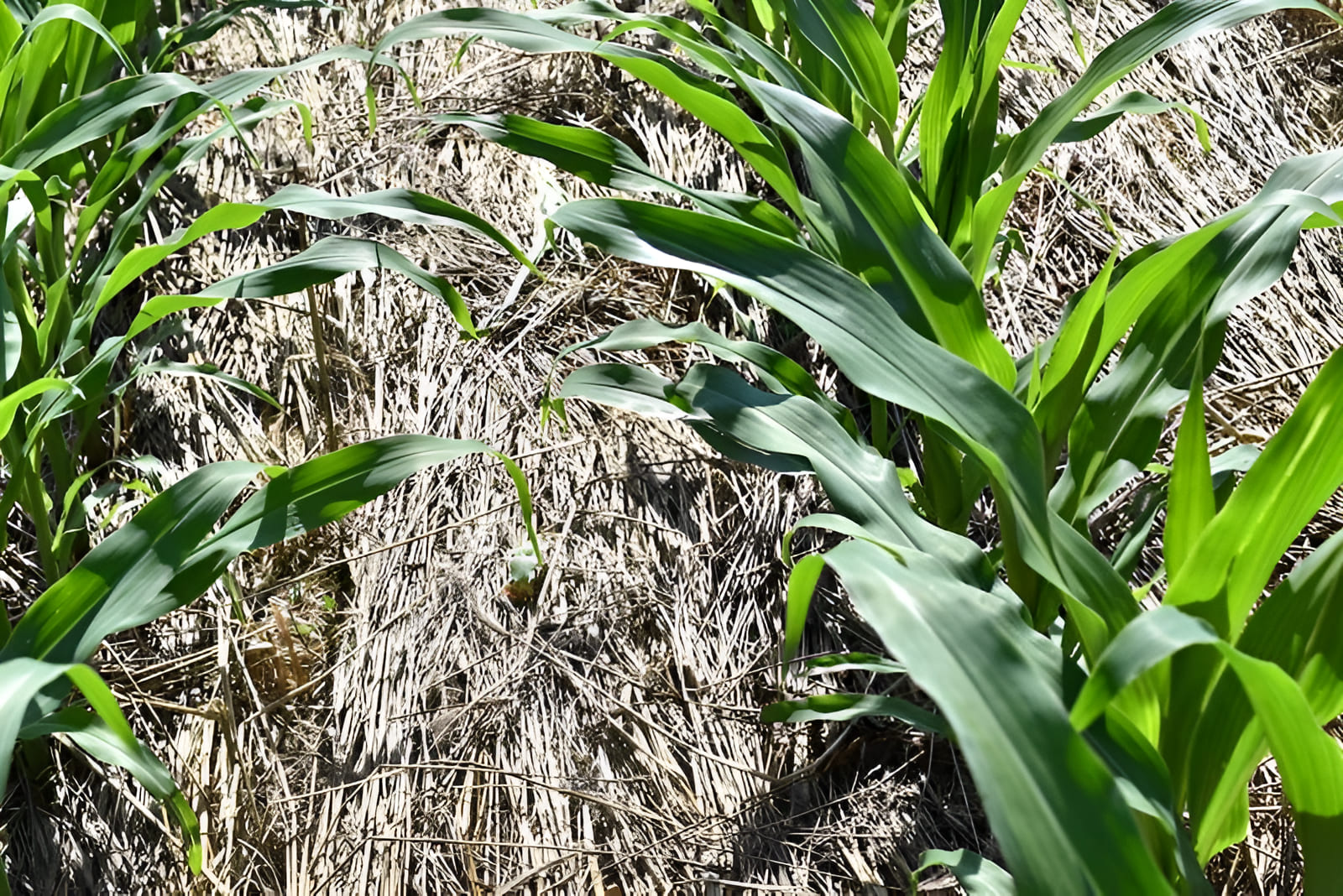
The first principle of Conservation Agriculture is minimum soil disturbance. This means that the soil is rarely, if ever, tilled. Instead of plowing the field before planting, seeds are sown directly into the soil. This no-till or zero-till approach prevents soil erosion, preserves the structure, of the soil and protects subterranean ecosystems thereby enhancing its ability to retain water and nutrients.
The second principle is permanent soil cover. This involves leaving crop residues in the field after harvest or growing cover crops to protect the soil from erosion and evaporation. Soil cover also helps build soil organic matter and fosters biodiversity, both of which contribute to the overall health of the soil and fertility.
The third principle is diversified crop rotations. This involves growing a variety of crops in a sequential manner on the same plot of land. Crop rotation increases soil fertility, reduces the potential for attack from pests and disease, and enhances biodiversity. It also minimizes the risk of crop failure and thus potentially increase farm profitability.
Conservation Agriculture also reduces environmental impact. By minimizing soil disturbance and maintaining permanent soil cover, it improves water quality by filtering out pollutants typically felt by artificial fertilizers. pollution. It also reduces greenhouse gas emissions by sequestering carbon in the soil.
No-till (or Zero-till): This method plants crops straight into the ground without resorting to the traditional practices of plowing or tilling. By not cultivating, the intrinsic structure and composition of the soil remains intact, resulting in a significant decrease in soil erosion. Not tilling the soil also reduces the soil's exposure to the sun, conserving moisture and providing a subterranean environment where beneficial microbes can thrive.
No-till farming proves financially advantageous as well, cutting down on labor hours and fuel. As farmers reduce the use of machinery, they not only save on operational costs but also lower the carbon foot print of their farm reducing greenhouse gas emissions.
Selecting the right plants is important to maximize the benefits of no-till farming within Conservation Agriculture. In an undisturbed soil environment, it becomes essential to choose plants that will naturally enrich and aerate the soil.
Legumes like beans and peas for example, have root systems that foster nitrogen fixation to naturally enhance soil fertility. Deep-root crops like daikon radish can act as natural bio-drills, breaking compacted soil layers and improving water and ambient air permeability.
Cover Crops, including alfalfa, clover, and barley, offer protective canopy to the soil while also inhibiting the proliferation of weeds and when cover crops break down, they feed the soil with organic matter, fostering a nutrient-rich environment for follow season plantings.
Soil cover: Preserving a continuous soil cover is an integral component of Conservation Agriculture, acting as a protective blanket for the land. This can be achieved in various ways, such as by allowing the remnants of harvested crops to remain on the field or by cultivating specific cover crops.
The primary advantage of this practice is to shelter the surface of the soil to reduce or eliminate soil erosion and reduce the impact of heavy rains and the blowing wind. In addition, a consistent soil cover acts as a barrier to the sun's intense heat to inhibit evaporation and prevent soil compaction.
This creates an optimal environment for plant roots, ensuring they have access to a consistent supply of moisture and adequate air circulation.
Moreover, as these crop residues or cover crops decompose, they infuse the soil with organic matter, leading to enhanced soil fertility and promoting a thriving microbial ecosystem beneath the surface.
In the quest for maintaining effective soil cover, the choice of plants plays a pivotal role. Cover crops such as clover, rye, and buckwheat are not only adept at shielding the soil from the elements but they also contribute essential nutrients as they decay, revitalizing the land. Mulch crops like straw and hay, can be interspersed among other crops to offer additional protection and enrichment of the soil. For regions that face prolonged dry spells, drought-resistant plants like millets or sorghum can be employed as cover crops.
Embracing the strategy of a persistent soil cover, combined with the cultivation of suitable plants, ensures that Conservation Agriculture both protects and nourishes the land, establishing an earthy foundation for sustainable and productive farming.
Crop Rotation: Crop Rotation, the rhythmic dance of diversity in Conservation Agriculture, thrives on the principle of growing different crops in sequence on a singular piece of land season after season.
This rhythmic succession offers multifaceted benefits, one of which is the rejuvenation of soil fertility. Each crop has a distinct nutrient uptake pattern, and by planting different crops season to season, the soil gets the chance to replenish specific nutrients, ensuring that no single nutrient is depleted over time.
Many pests and diseases are crop-specific. By changing the type of crop each season, the life cycles of these pests and diseases get interrupted, thereby naturally reducing their spread and impact. This not only boosts overall crop health but also minimizes dependency on chemical pesticides.
From a financial perspective, crop rotation provides farmers with a diversified portfolio of cropping. By cultivating a range of crops, they insulate themselves against fluctuations in price.
Strategic plant selection is paramount in Conservation Agriculture, particularly when it comes to crop rotation. Legumes like beans, lentils, and peas can be interchanged with cereals such as wheat, barley, or corn to naturally fertilize the soil with nitrogen.
Root crops like potatoes or beets can be followed by leafy crops like spinach or lettuce, each nutritionally complementing the other.
Brassicas, which include crops like broccoli, cabbage, or cauliflower, can follow grains, helping to disrupt the pest cycles specific to grain crops.
By incorporating cash crops, like sunflower or soybean, farmers can tap into lucrative markets while they grow staple crops like wheat and barley.
Cover Crops: Often considered the unsung heroes of sustainable agriculture, cover crops are cultivated primarily for their contribution to soil health rather than as a harvestable crop. By forming a living canopy over the soil, these plants act as guardians against the relentless forces of the elements.
As they are tilled under and decompose, they enrich the soil with organic matter, benefiting a host of microbes and worms. It also increases biodiversity, attracting pollinators and beneficial insects, which play a pivotal role in maintaining a balanced ecosystem.
When selecting suitable cover crops, it's essential to identify how the soil is to fortified and what specific nutrient crops will need at planting.
Clover, vetch, and peas, are chosen if the soil requires nitrogen to grow corn, for example. Grasses, like rye, barley, or oats provide potassium for potatoes and radishes, mustard, and turnips provide phosphorous.

Mulching: Mulching, one of the foundational practices in sustainable agriculture, revolves around blanketing the soil with layers of organic materials. This protective shield, whether made of straw, decomposing leaves, or rich compost, serves as a frontline defense against the abrasive forces of nature.
In heavy rainfall, a mulch layer can diminish the direct impact penetrating raindrops, reducing the potential for soil erosion. On sun-scorched days, a mulch cover proves invaluable in conserving soil moisture, preventing the rapid evaporation that can leave plants water starved.
By obstructing sunlight, mulching inhibits weed germination and growth, allowing the primary crops to thrive without competition.
Over time, as mulch materials break down, they release essential nutrients back into the soil, which increases fertility of the soil.
Straw, often a byproduct of cereal grain harvesting, offers excellent insulation against temperature fluctuations while also providing a dense barrier against the proliferation of weeds.
Leaves can be shredded and spread to form a nutrient-rich layer that slowly decomposes, releasing composted minerals back to the earth. Wood chips and bark, when decomposed, acidify the soil, making them ideal for acid-loving plants like blueberries and potatoes. Choosing the right type of mulch, tailored to the specific needs of the soil and plants, makes mulching indispensable in the practice of Conservation Agriculture.
Agroforestry: Agroforestry stands as a testament to the synergistic relationship between trees and traditional farming systems. By weaving the world of forestry and agriculture together, a dynamic ecosystem that benefits both the environment and the farmer is created.
Trees, with their towering canopies, offer a respite from the scorching sun, provides shade that benefits an understory of crops and livestock, helps to conserve moisture and mitigates the effects of temperature extremes.
Trees also serve as a natural barrier against the relentless forces of wind, permanently eliminating soil erosion and the removal of the topsoil.
Below the surface, trees continually enrich the soil. As trees shed their leaves, they decompose to form a nutrient-rich litter layer on the forest floor.
Organic Farming: With its roots deeply embedded in nature's own processes, organic farming champions a holistic approach to agriculture. Shunning synthetic inputs, such as chemical fertilizers and pesticides, it leans heavily on feeding the land with natural inputs like compost, ensuring that the land remains untainted and the food it grows is as natural as it can be.
Recognizing the soil as a living entity teeming with microorganisms, organic farming seeks to nourish it through organic matter, composting, and green manure, fostering a rich and thriving underground ecosystem, which when healthy builds fertile soil. By promoting biodiversity - from the crops themselves to the beneficial insects and birds that naturally control pests - organic farming creates a self-regulating environment where nature's checks and balances eliminating the need for chemical interventions.
The principles that drive Conservation Agriculture, such as minimizing soil disturbance, maintaining a permanent soil cover, and promoting crop rotation, dovetail seamlessly with the tenets of organic farming.
For instance, avoiding tillage and chemical inputs can lead to increased soil microbial activity, which in turn can enhance nutrient cycling and soil fertility. Similarly, crop rotation, a common practice in both methods, ensures that pests and diseases are kept at bay without resorting to chemical treatments.
Integrated pest management (IPM): IPM is a pest management strategy that emphasizes the growth of a healthy crop with the least possible disruption to agro-ecosystems. It involves monitoring pests, using biological control methods, and using synthetic pesticides as a last resort.
In addition to the core techniques, other practices can enhance Conservation Agriculture. Direct seeding, for example, involves planting seeds directly into the soil without prior tillage. This saves time and resources and is less damaging to the soil.
Terracing is a technique used on sloping lands to prevent soil erosion and conserve water. Terraces are stepped platforms built into the slope, which slow down water runoff and allow it to infiltrate the soil.

Rainwater harvesting involves collecting and storing rainwater for use in dry periods. This can be done through rooftop collection systems, ponds, or underground tanks. It's a valuable practice in arid regions where water is scarce.
Organic matter plays a crucial role in Conservation Agriculture. It improves soil structure, enhances nutrient availability, and increases soil water retention. Organic matter is increased through practices like leaving crop residues in the field, growing cover crops, and adding compost.
Biodiversity is also key to Conservation Agriculture. A diverse ecosystem is more resilient and productive. It enhances natural pest and disease control, pollination, and soil fertility. Biodiversity is fostered through practices like crop rotation, agroforestry, and the maintenance of natural habitats.
Carbon sequestration is another important aspect of Conservation Agriculture. By storing carbon in the soil, it helps to mitigate climate change. Carbon sequestration is enhanced through practices like no-till farming and maintaining permanent soil cover.
Residue management involves managing the crop residues left in the field after harvest. These residues protect the soil from erosion, add organic matter to the soil, and help to control weeds and as such is an essential part of Conservation Agriculture.
The ultimate goal of Conservation Agriculture is sustainable agriculture. This means farming in a way that meets our current food needs without compromising the ability of future generations to meet their own needs. Sustainable agriculture is not just about producing food; it's also about conserving resources, protecting the environment, and improving livelihoods.
Conservation Agriculture offers a promising path towards sustainable farming. While it may require a shift in mindset and practices, the benefits are well worth the effort. As stewards of the land, it's our responsibility to adopt farming methods that protect our precious resources for future generations.
If you're interested in learning more about Conservation Agriculture or how to implement it on your farm, please reach out to us. We're here to support you in your journey towards sustainable farming.
Crop Circle Farms designs site-specific agricultural systems that can incorporate water-efficient irrigation, permanent growing beds, improved root-zone management, crop-access planning, and other low-impact production strategies.
Depending on the crop, climate, soil, irrigation method, planting density, and comparison baseline, these systems may reduce water and input requirements while supporting productive use of the available land. Actual results vary by site and management.
Whether you have a vacant lot, open field, resort, school, island community, or small family farm, we can help develop a layout suited to your production goals, water availability, equipment access, irrigation needs, and growing conditions.
Contact Us to explore a custom Crop Circle Farm design for your property.
Growing To Give works with communities and partners to develop practical food-production projects focused on food access, water efficiency, soil health, and agricultural resilience.
Learn More about supporting a Growing To Give initiative.
Practical answers about reduced tillage, soil cover, crop rotation, cover crops, erosion control, water management and long-term soil health.
Conservation agriculture is a farming approach built around three closely connected principles: minimizing unnecessary soil disturbance, maintaining protective soil cover, and diversifying crops through rotations or associations. Together, these practices can help reduce erosion, protect soil structure, support biological activity, improve water infiltration, and build a more resilient production system over time.
No. No-till is one important soil-management technique, but conservation agriculture is broader. A farm can reduce or eliminate tillage while still leaving soil bare or repeatedly growing the same crop. Conservation agriculture combines reduced soil disturbance with continuous or substantial soil cover and crop diversification. These practices work together rather than functioning as isolated techniques.
Soil cover from crop residues, mulch, living plants, or cover crops helps protect the soil surface from wind, intense rainfall, crusting, and rapid moisture loss. Covered soil can also provide a more favorable environment for earthworms and other soil organisms. The amount and type of cover needed varies with climate, crop, residue availability, and production system.
Diverse crop rotations expose the soil to different rooting patterns, residue types, nutrient demands, and planting schedules. Rotation can also interrupt some pest, disease, and weed cycles and reduce the biological risks associated with repeatedly growing the same crop. Legumes, grasses, broadleaf crops, and cover crops can each play different roles in a well-designed rotation.
It can significantly reduce erosion risk when soil disturbance is limited and the ground remains protected by vegetation or crop residue. Cover intercepts rainfall, slows surface runoff, and protects soil particles from being detached by wind or water. On sloping land, conservation practices may also be combined with contour planting, buffer strips, terraces, or other erosion-control measures appropriate to the site.
Not automatically. Residue cover and improved soil structure can reduce evaporation and improve infiltration in many systems, which may improve soil-water availability. Actual irrigation requirements, however, depend on crop type, weather, soil, rooting depth, planting density, irrigation efficiency, rainfall, and management. Conservation agriculture should therefore be viewed as a water-management strategy rather than a guaranteed percentage reduction in water use.
Reducing unnecessary tillage can help preserve soil aggregates, fungal networks, pore spaces, and biological habitat while slowing the breakdown of organic matter. Benefits vary by soil and climate, and reduced tillage can introduce new management challenges involving weeds, residue, compaction, or planting equipment. The goal is not simply to eliminate tillage, but to disturb the soil only as much as the production system requires.
Precision farming tools can help farmers apply water, fertilizer, seed, and crop-protection products more accurately. GPS guidance, soil sensors, variable-rate equipment, moisture monitoring, and field mapping can support conservation goals by identifying variation within a field and reducing unnecessary passes or inputs. Technology works best when it supports sound agronomic decisions rather than replacing them.
Yield responses vary. Some farms maintain or improve yields as soil structure, water infiltration, residue management, and biological activity improve, while others can experience a transition period or different results depending on crop, climate, soil, equipment, weed pressure, and management. Conservation agriculture should not be treated as a guaranteed yield-increase system; its broader goal is to protect the productive capacity and resilience of the soil over time.
Yes. The principles can be adapted to many scales. Small farms and gardens can reduce unnecessary soil disturbance, keep beds covered with mulch or living plants, rotate crop families, grow cover crops, maintain permanent paths, and use targeted irrigation. These practices also fit naturally with broader sustainable agriculture strategies focused on protecting soil, water, and long-term productivity.