Farm Transparency Systems
Building Trust From Farm To Plate
Agriculture is entering a new era where consumers, governments, investors, and supply chain partners increasingly want to know not only what food is produced, but how it is produced. Questions surrounding sustainability, environmental impact, labor practices, food safety, and carbon emissions are becoming central to global food systems. In response, farm transparency systems are emerging as one of the most important innovations shaping the future of agriculture.
Farm transparency systems are digital frameworks that collect, verify, and share real-time information about farming operations—from planting and irrigation practices to harvest data, environmental performance, and product traceability. These systems transform agriculture from an opaque production process into a measurable, accountable, and data-driven ecosystem.
Simply put, farm transparency allows stakeholders to see the story behind food production.
A farm transparency system integrates technologies such as sensors, satellite monitoring, blockchain records, digital mapping, artificial intelligence, and supply chain tracking platforms to document agricultural activity across the life cycle of a crop or livestock operation.
These systems typically track:
Information collected from farms can then be securely shared with buyers, regulators, certification bodies, investors, or consumers through digital dashboards or verification platforms.
Rather than relying solely on certifications issued periodically, transparency systems provide continuous visibility.
For most of human history, agriculture operated locally. Consumers purchased food directly from nearby farms, and trust was built through personal relationships. As global supply chains expanded, food began traveling thousands of miles before reaching consumers, creating distance between production and consumption.
This globalization introduced several challenges:
Traditional auditing systems often rely on inspections conducted once or twice per year. However, modern agriculture changes daily due to weather, pest pressure, irrigation decisions, and market demands. Static certification models struggle to reflect real operational conditions.
Farm transparency systems solve this problem by enabling continuous verification instead of periodic inspection.
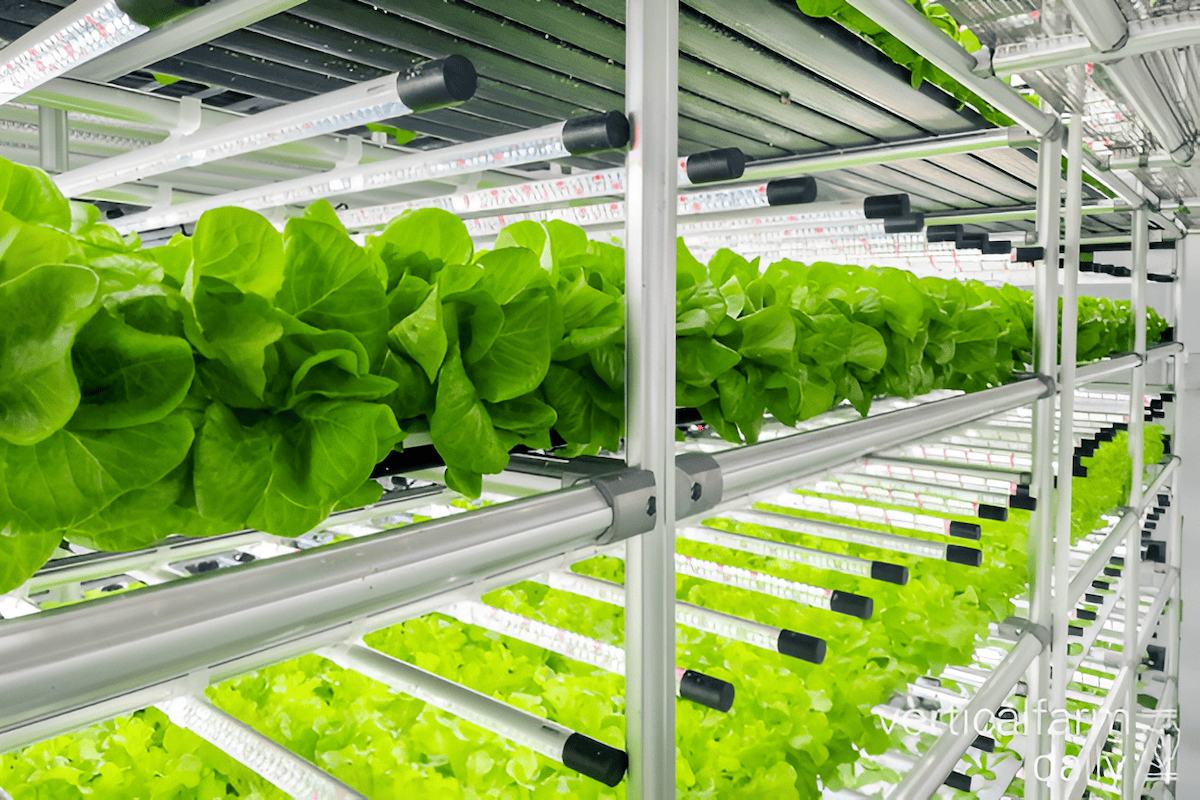
Modern transparency platforms combine multiple technologies working together.
Satellite imagery monitors crop growth, land use changes, irrigation patterns, and vegetation health at large scales. These tools help confirm that reported farming activities match observed field conditions.
Field sensors measure soil moisture, temperature, nutrient levels, and environmental conditions in real time. Data flows automatically into farm management platforms, reducing manual reporting errors.
AI systems analyze collected data to detect anomalies, forecast risk, and validate production patterns. Machine learning helps ensure reported yields or sustainability metrics remain consistent with environmental realities.
Blockchain technology is increasingly used to create tamper-resistant records of agricultural activity. Once data is recorded, it becomes extremely difficult to alter, improving trust across supply chains.
Geospatial mapping assigns farms unique digital identities linked to coordinates, allowing precise monitoring of land stewardship, conservation practices, and crop performance over time.
Several global trends are accelerating the need for transparency in agriculture.
Modern consumers increasingly want proof that food is produced responsibly. Labels such as organic, regenerative, climate-smart, or sustainably grown carry growing importance—but buyers now expect verification backed by data rather than marketing claims.
Transparency systems allow consumers to trace food back to its origin, strengthening trust in agricultural brands.
As agriculture becomes central to climate solutions, accurate measurement of carbon sequestration, soil health improvements, and emissions reductions is essential.
Farm transparency platforms enable verified environmental reporting, which is critical for participation in carbon credit markets and sustainability financing programs.
Without reliable measurement systems, climate-smart agriculture cannot scale globally.
Food recalls and contamination events can cost billions of dollars and undermine public confidence. Transparency systems allow rapid tracking of products through supply chains, helping isolate problems quickly and reduce widespread disruption.
Real-time traceability improves both safety and operational efficiency.
Investors increasingly evaluate farms based on environmental performance, production stability, and risk exposure. Transparent operational data helps lenders and investment groups assess farm resilience more accurately.
Data-backed agriculture reduces uncertainty, attracting capital needed to modernize food production systems.
Transparency systems also benefit smaller farms by allowing them to demonstrate verified sustainability practices and production quality. This can unlock access to premium markets, international buyers, and climate-focused funding opportunities previously unavailable to smaller producers.
Transparency can become a tool for economic inclusion.
Farm transparency does not mean surveillance or loss of farmer independence. Instead, it represents a shift toward shared intelligence and verified stewardship.
Farmers retain control of their operations while gaining tools that document performance automatically. Over time, transparency systems may operate much like financial accounting systems—standardized frameworks that help agriculture communicate value clearly across markets.
As digital agriculture evolves, transparency will likely integrate with predictive yield modeling, AI-driven farm management, and climate-risk forecasting systems, creating fully observable agricultural ecosystems.
The future of agriculture depends not only on producing enough food but on producing it responsibly, efficiently, and transparently. Farm transparency systems provide the infrastructure needed to build trust between producers and the global community that depends on them.
In the coming decades, farms may operate with live environmental dashboards, verified sustainability metrics, and traceable supply chains accessible from seed to consumer. Food will no longer arrive as an anonymous product—it will arrive with a measurable history.
Farm transparency systems ultimately represent more than technology. They represent a new social contract between agriculture, the environment, and society—one built on visibility, accountability, and informed stewardship of the land.