Perfect Greens
Grow the Perfect Green in your Garden
Leafy greens are among the highest-return crops for small spaces—fast to harvest, easy to succession plant, and ideal for containers and raised beds. Use the snapshot below for quick variety selection and to improve Google snippet extraction.
| Crop | Days to Baby Leaf | Heat Tolerance | Regrowth | Typical Spacing | Container Yield (20" pot) |
|---|---|---|---|---|---|
| Lettuce | 25–35 | Low–Medium (bolt risk) | Good (cut-and-come-again) | 6–10" (heads) / 3–6" (leaf) | 2–4 heads or 12–20 leaf plants per cycle |
| Spinach | 25–35 | Low (prefers cool) | Moderate | 4–6" | 10–18 plants per cycle |
| Swiss Chard | 30–40 | High | Excellent | 8–12" | 2–3 plants (months of harvest) |
| Kale | 30–45 | Medium | Good | 10–18" | 1–2 plants (long harvest window) |
| Arugula | 20–30 | Low–Medium | Good | 4–6" | 12–24 plants per cycle |
| Beet Greens | 30–45 | Medium | Moderate | 4–6" | 8–14 plants per cycle |
Container yields vary by variety, cut frequency, light, and nutrition. For project modeling, use the Garden Yield Calculator or Plant Yield Calculator.
Choose greens by temperature pattern and daylight. In hot regions, prioritize bolt-resistant varieties and use shade cloth in peak heat.
Water-smart pairing: Crop-Smart Irrigation and Root Tube Gardens.
Related: Microbial Fertilizers • Cover Crops • Sustainable Agriculture • Circular Agriculture • Farm-to-Table • Ancient Grains • Alfalfa Cover Crop.
Whether you're a seasoned grower or just starting your first container garden, choosing the right leafy greens can make a huge difference in flavor, nutrition, and yield. Lettuce, spinach, beet tops, chard, and kale are all easy-to-grow cool-season crops that fit beautifully into Crop Circle Raised Gardens, patio containers, and small backyard beds. These greens not only provide a healthy and delicious addition to your meals, but they also enhance the aesthetic appeal of any garden space with vibrant colors and textures. Below is an in-depth look at popular leafy greens, including romaine lettuce, butterhead lettuce, loose leaf lettuce, crisphead lettuce, spinach, beet greens, Swiss chard, and kale, along with tips that help you match the right green to your climate, garden size, and kitchen preferences.
Lettuce is one of the most popular cool-season vegetables for container gardening and raised beds. It’s fast-growing, compact, and available in a wide range of forms, sizes, and colors. For planning density and harvest timing in a small-space garden, you can also connect your lettuce choices with our Garden Yield Calculator or Plant Yield Calculator to estimate lettuce yield per pot, raised bed, or Crop Circle Garden.
Lettuce is typically grouped into four main types—romaine (cos), butterhead, loose leaf, and crisphead. Each type offers a unique texture, flavor, and growth habit, giving home gardeners a lot of flexibility. You can mix types in the same container for a cut-and-come-again salad bowl, or dedicate an entire Crop Circle section to a single variety for higher market yields.
Romaine lettuce features long, sturdy leaves with a slightly bitter, crunchy texture, making it an excellent choice for Caesar salads, grilled hearts, or as a nutrient-dense wrap for sandwiches and tacos. It holds up better than soft lettuces under salad dressings and in meal prep containers. Gardeners can choose from numerous romaine lettuce varieties, each with distinct growth habits and color tones. Popular romaine lettuce varieties for home and market gardens include:
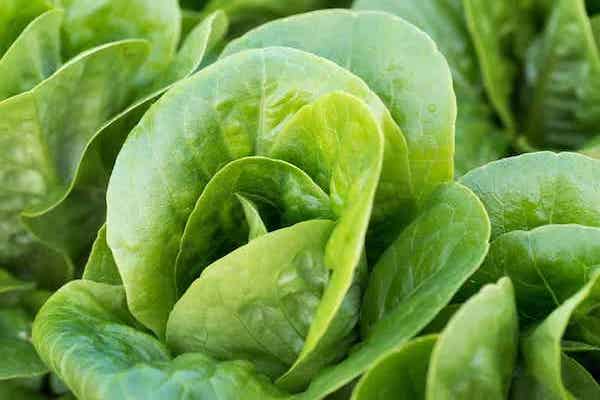
Time of Year to Plant: Romaine lettuce is a cool-season crop that thrives in mild temperatures. It performs best in spring and fall, when heat stress and bolting are less of a concern. In temperate zones, sow lettuce seeds 4–6 weeks before the last expected frost in spring, or use transplants for a quick jump. For a fall harvest, plant seeds 6–8 weeks before the first expected frost so heads can size up before cold weather. Romaine lettuce prefers full sun to light afternoon shade and well-draining soil with a pH between 6.0 and 7.0. Maintaining consistent soil moisture throughout the growing season is essential for crisp, sweet leaves.
Suggested Fertilizers: Proper fertilization is vital for growing robust romaine lettuce, especially in raised beds and container gardens where nutrients are limited to the volume of the pot. A balanced fertilizer with an N-P-K ratio around 10-10-10 works well when applied at planting and mid-season, following package rates. Organic options like compost, aged manure, worm castings, or fish emulsion enrich the soil while improving its structure and water-holding capacity. Avoid excessive nitrogen, which can cause overly soft growth and reduce shelf life. Periodic soil tests help fine-tune your fertility program.
Days to Maturity: Romaine lettuce requires consistent sunlight—typically 6–8 hours daily—for healthy development. Depending on the variety, romaine can reach harvest size in roughly 45 to 85 days. Early-maturing types like Little Gem are ready faster, while tall varieties such as Parris Island Cos take longer to form full hearts. Check seed packets for specific days-to-maturity to time planting in sequence and maintain continuous harvests.
Regrow Capability: Romaine lettuce can regrow after harvesting, which makes it a strong candidate for cut-and-come-again gardening. You can harvest individual outer leaves or cut the head 1–2 inches above the crown, leaving the central growing point intact. With steady moisture and mild weather, new leaves emerge within a couple of weeks, giving you multiple harvests from the same plant.
Sweet to Bitterness Scale: Romaine tends toward mildly bitter, but growing conditions strongly influence flavor. Cool temperatures, steady watering, and timely harvests keep leaves sweet and crisp. Heat waves, drought, or prolonged maturity can increase bitterness and tip leaves toward a more pronounced “cos” flavor. For sweeter salads, harvest in the cool of the morning and chill heads promptly.
Preferred Soil: Romaine thrives in loose, well-drained sandy loam enriched with organic matter. Aim for a pH of 6.0–7.0 and avoid heavy, compacted clay that restricts roots and holds too much water. Incorporate compost, well-rotted manure, or peat moss to improve tilth, and consider using raised beds or Crop Circle Raised Gardens if your native soil is poor.
Typical romaine plants grow 10–12 inches tall and 6–8 inches wide. Larger varieties like Parris Island Cos can reach 16–18 inches, while compact types like Little Gem stay petite—perfect for patio planters and small balcony gardens.
Average Number of Leaves per Plant: A romaine plant generally produces 12–16 long, crunchy leaves, often more when grown in rich soil with consistent moisture. These leaves are packed with vitamins A, C, and K, folate, potassium, fiber, and antioxidants—making romaine one of the healthiest greens you can grow in a small-space garden.
Potential Seed Production per Plant: Once romaine is allowed to bolt and flower, each plant can produce hundreds of seeds. Seed heads form at the top of tall flower stalks and mature into fluffy seed clusters. Because leaves become bitter at this stage, it’s wise to dedicate specific plants for seed saving while harvesting others for eating. Properly dried and stored seed can provide romaine for future seasons at very low cost.
Soft lettuce varieties—often grouped as butterhead lettuces—are known for their tender, silky leaves and mild, buttery flavor. These are ideal for delicate salads, lettuce wraps, and gourmet mixes. Butterhead types form loose, cupped heads that thrive in containers, Crop Circle Market Gardens, and raised beds. Popular varieties include:
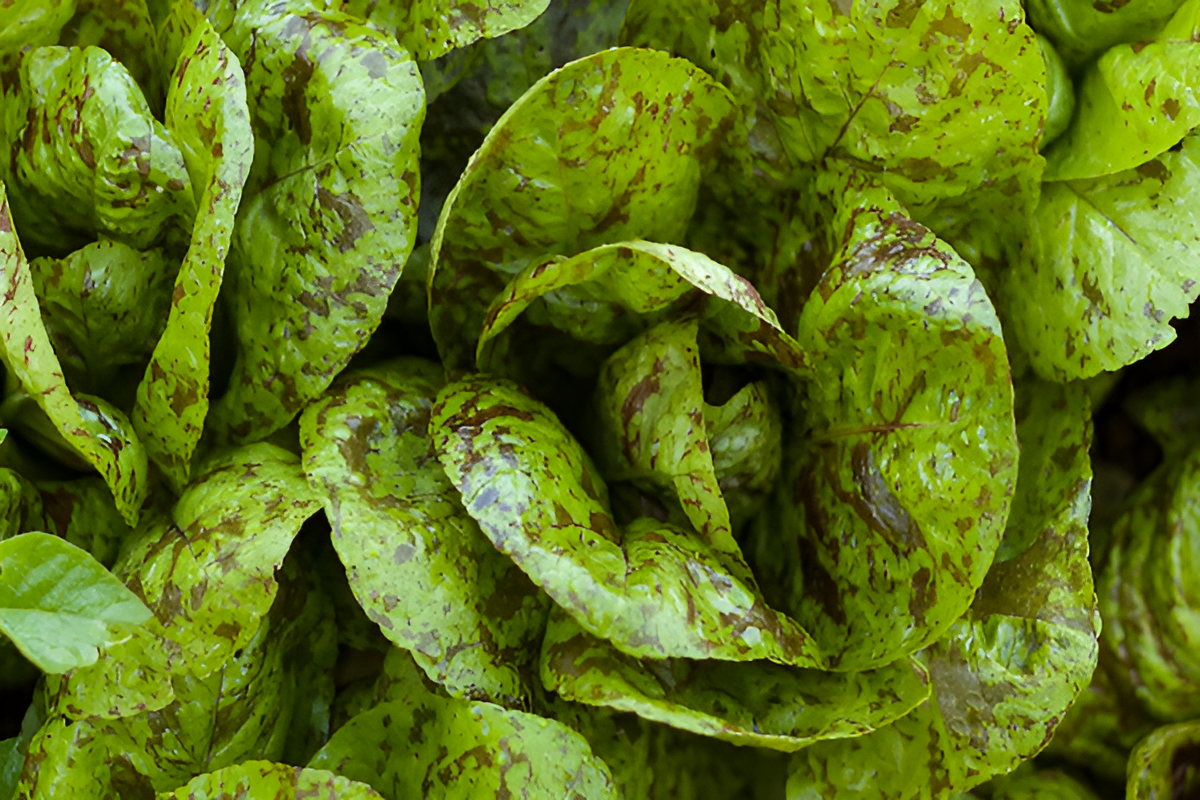
Best Time of Year to Plant: Butterhead lettuce is a classic cool-season leafy green that thrives in mild temperatures. Plant in early spring or fall when daytime highs are below 75°F. Sow seeds directly into the garden or containers 4–6 weeks before your last spring frost, or start indoors for earlier transplants. For fall crops, sow 6–8 weeks before your first frost, taking advantage of cooler weather that brings out the sweetest flavor.
Transplants from nurseries or your own seed-starting trays can go into the garden once plants have 2–3 true leaves and frost risk has passed. Space heads 8–12 inches apart for full-size harvests, or closer together for mini-head production in intensive container gardens.
Fertilizers: Butterhead lettuce responds well to a steady supply of nitrogen for leafy growth, along with adequate phosphorus and potassium for root health and overall vigor. Apply a balanced granular fertilizer or use organic inputs like compost, aged manure, or fish emulsion. In water-smart systems and hydroponics, use a leafy-green nutrient blend and monitor pH closely to keep plants tender and sweet.
Number of Days to Maturity: Most butterhead varieties mature in 60–75 days from seed, or 50–60 days from transplant. For baby heads or loose leaves, you can begin harvesting much earlier. Provide a minimum of 6 hours of sun daily, with afternoon shade in hot climates, to minimize bolting and bitterness.
Cut-and-Regrow Capability: Butterhead lettuce is excellent for the cut-and-come-again method. Harvest outer leaves while leaving the central “heart” intact, or cut just above the crown and allow new leaves to flush. This approach stretches your harvest window and keeps containers and Crop Circle Raised Gardens looking full.
Soil: Butterhead prefers fertile, well-draining soil in the 6.0–6.8 pH range. In containers, choose a high-quality potting mix enriched with compost and perlite or vermiculite to keep roots well-aerated. In garden beds, build soil with compost and rotate lettuce with other crops to minimize disease and insect pressure.
Plant Size: Most butterhead varieties reach 6–8 inches across and 4–6 inches tall, which makes them ideal for container gardens and balcony planters. Compact types like Tom Thumb fit beautifully into small pots or the inner rings of Crop Circle layouts.
Leaves and Seeds: Butterhead leaves are tender, cupped, and loosely layered into an open head with pale, sweet hearts. When allowed to bolt, butterhead plants send up tall flower stalks that produce hundreds of seeds. Saving your own seed from open-pollinated varieties can reduce costs and help you adapt a strain that performs exceptionally in your climate and soil.
Unlike head lettuces, loose leaf lettuce varieties produce open rosettes of leaves instead of forming a tight head. These are some of the easiest lettuces to grow in containers, vertical planters, or Crop Circle Market Gardens because you can harvest them leaf by leaf for months. Excellent loose leaf lettuces include:
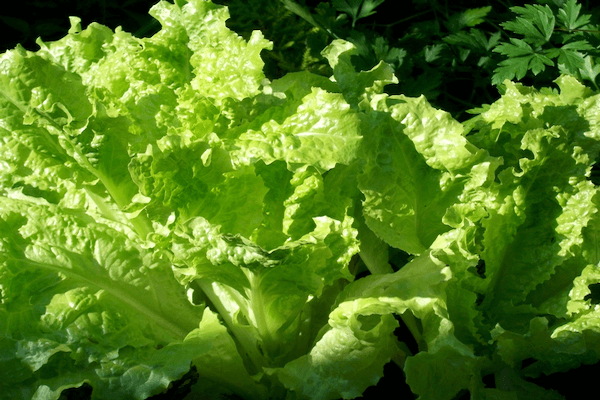
Time to Sow Seeds: Loose leaf lettuce thrives in cool weather. Sow seed 4–6 weeks before your last spring frost for early greens, or 6–8 weeks before the first fall frost for autumn harvests. Because seeds are tiny, broadcast them thinly across the surface of prepared soil or potting mix, then lightly cover or press them in. For container gardens, sow in shallow bands or circles for easy cutting with scissors.
Fertilizing: Loose leaf lettuce appreciates steady, moderate fertility. Use a balanced granular fertilizer or liquid feeds every few weeks, or grow in compost-rich soil that slowly releases nutrients. Excessive nitrogen can cause soft, watery leaves, so aim for moderate feeding and consistent moisture.
Days to Harvest & Regrowth: Many loose leaf lettuces can be harvested in as little as 30–40 days from sowing. Harvest by cutting outer leaves or trimming bands of foliage an inch above the soil. Plants will typically regrow in 1–2 weeks, giving you several rounds of harvest before they eventually bolt in warm weather.
Flavor & Soil: Loose leaf types are prized for their mild, slightly sweet flavor. Cooler temperatures and moist soil help keep greens tender and prevent bitterness. Grow in well-drained soil with a pH of 6.0–7.0, enriched with compost or organic matter. Mulch lightly to keep soil cool and preserve moisture.
Plant Size, Flowers, and Seeds: Loose leaf plants generally reach 6–12 inches tall and wide, with foliage colors ranging from bright green to deep red. When day length and heat trigger bolting, plants form tall stalks with yellow flowers that eventually produce seed. A single plant can yield hundreds of viable seeds—an easy way to preserve your favorite varieties year after year.
Crisphead lettuces, including Iceberg types, form tight, crunchy heads with mild flavor and excellent crunch. They are popular for salads, sandwiches, and burger toppings. Crisphead lettuce takes slightly longer to mature than loose leaf or butterhead types and prefers cool, consistent conditions. Reliable varieties include:
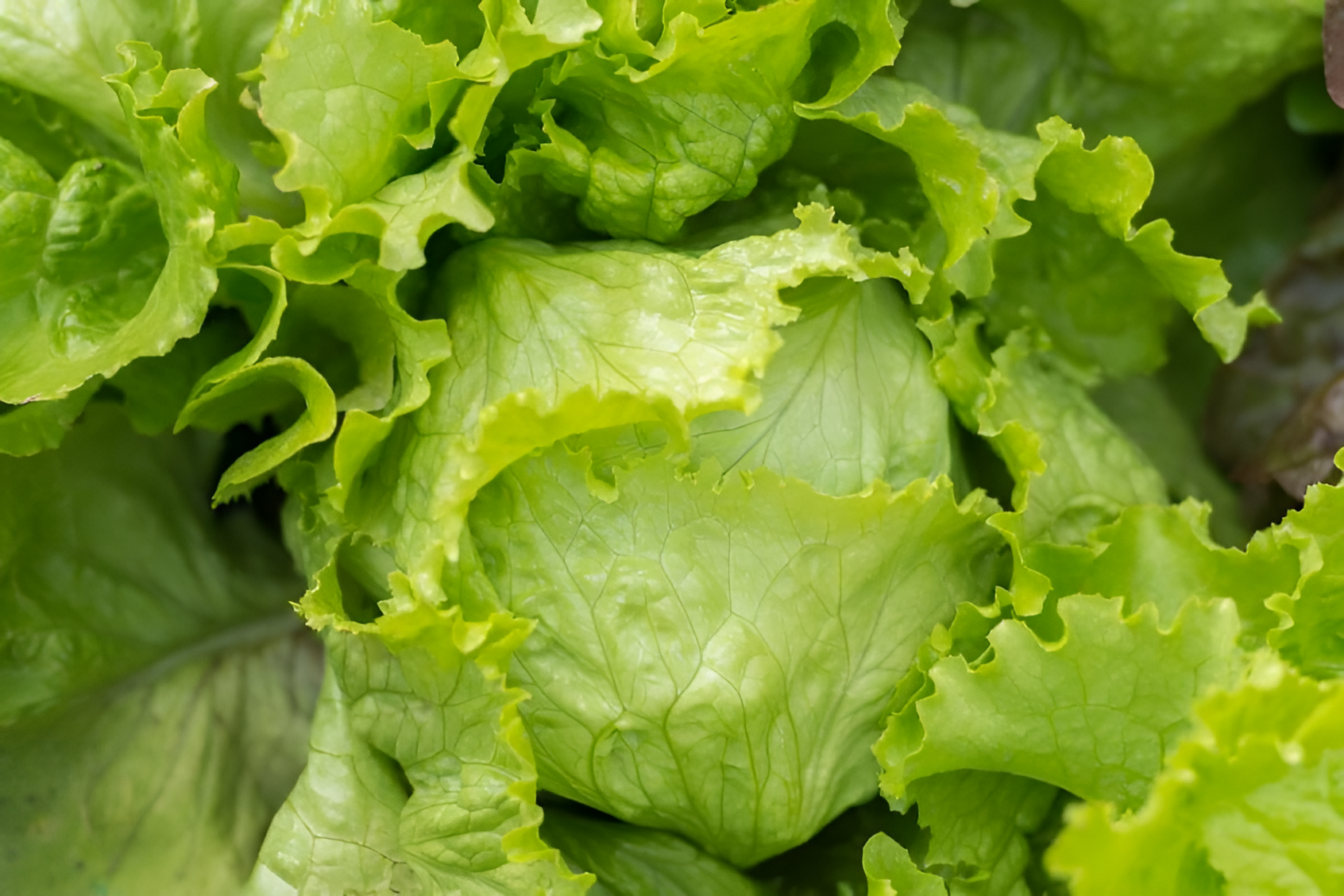
Spring and Fall Planting: Crisphead lettuce needs cool, steady conditions to form firm heads. Plant in early spring or late summer for fall harvest when daytime temperatures range between 60–70°F. Start seed indoors and transplant, or sow directly where plants will mature, spacing 12 inches apart for full heads in a raised bed or Crop Circle Garden ring.
Feeding and Harvesting: Feed with compost and a balanced fertilizer to support head formation. Too much nitrogen without enough light or space can cause loose, leafy growth instead of tight heads. Crisphead lettuce generally matures 70–85 days from sowing; harvest when heads feel firm and solid when gently squeezed.
Flavor & Soil: Iceberg and other crispheads have a mild, neutral flavor that pairs easily with almost any dressing. Grow in rich, loamy soil amended with compost or aged manure, maintaining a pH between 6.0 and 6.8. Consistent moisture and good drainage prevent tip burn and bitter leaves.
Seed Production: When allowed to bolt, crisphead lettuces produce tall stalks with daisy-like blooms that develop into seed-bearing heads. A single plant can produce many pods, each holding 10–25 seeds. Saving seed from heirloom crispheads can help you adapt the variety to your region over time.
Spinach is another cool-season star for container gardens, small beds, and Crop Circle systems. It’s nutrient-dense, fast-growing, and extremely versatile, eaten raw or cooked in soups, sautés, smoothies, and pastries. Spinach comes in three general leaf types: savoy, semi-savoy, and smooth-leaf. Each brings different textures and cleaning requirements, but all can thrive in small-space gardens with the right timing and soil.
Savoy spinach has deeply crinkled, dark green leaves and a rich flavor. Popular savoy varieties include:
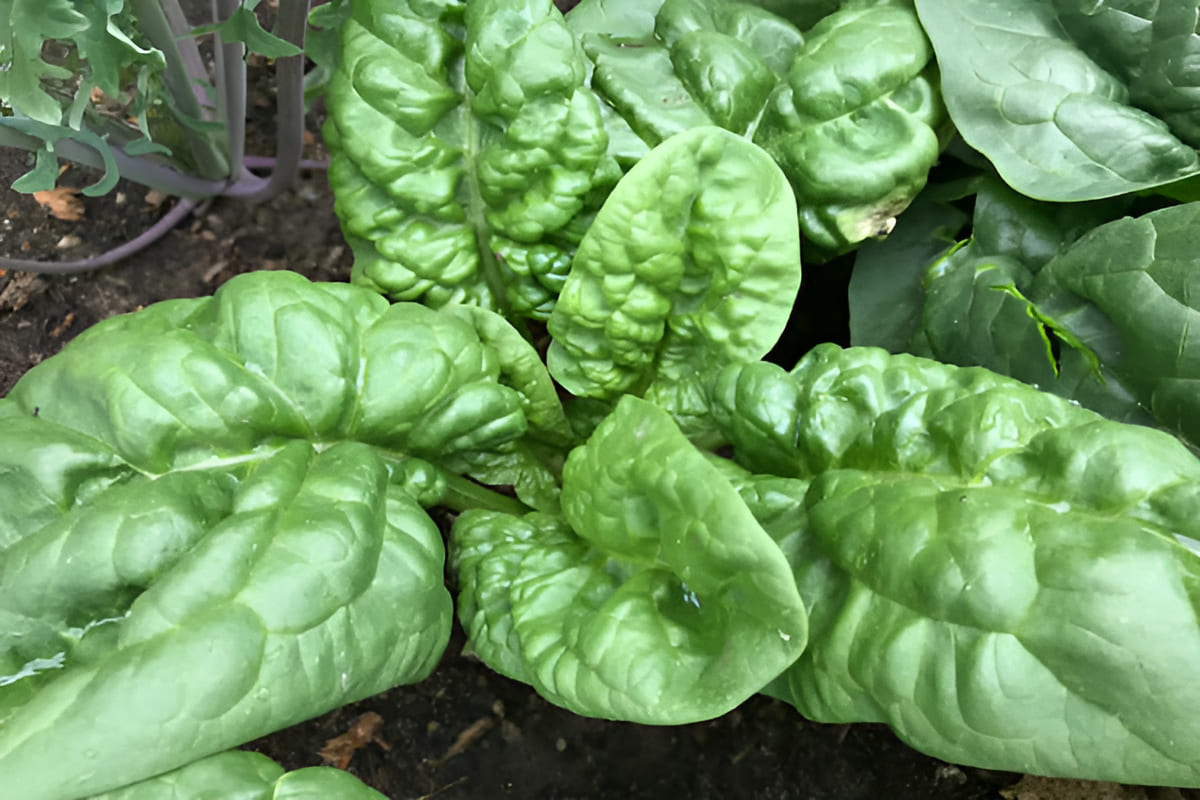
When to Plant: Spinach thrives in cool temperatures and long days of mild weather. Sow seed 4–6 weeks before the last spring frost, or 6–8 weeks before the first fall frost. In many climates you can also grow winter spinach under low tunnels or cold frames. Avoid mid-summer planting in hot regions, as heat quickly triggers bolting and bitter leaves.
Fertilizer and Feed: Spinach is a heavy feeder for its size. Use a balanced fertilizer (10-10-10 or similar) at planting and side dress once or twice during the season. Organic growers rely on compost, aged manure, fish emulsion, or seaweed sprays to keep leaves dark green and nutrient-rich. In Crop Circle Raised Gardens, where soil is engineered for performance, consistent feeding can dramatically boost yields.
Ready to Pick & Regrow: Savoy spinach is often ready in 40–50 days for full-sized leaves, or 25–30 days for baby leaves. Harvest outer leaves first and allow inner leaves to keep growing, or cut bands of leaves above the crown for regrowth. Spinach will often provide multiple cuttings before heat or day length triggers bolting.
Flavor, Soil, and Size: Savoy spinach has a mild, slightly sweet flavor with a hint of mineral richness. Grow in fertile, well-drained soil (pH 6.0–7.0) with plenty of organic matter. Mature plants can reach 12–18 inches tall and 8–12 inches wide, yielding dozens of leaves per plant—perfect for fresh salads and cooking.
Seed Pods per Plant: When allowed to flower, a single spinach plant can produce hundreds of seeds. Saving seed from varieties that thrive in your container or raised-bed setup helps you refine your own local strain over time.
Semi-savoy spinach types offer partially crinkled leaves that are easier to wash than full savoy, while retaining good texture and flavor. Excellent semi-savoy varieties for backyard gardens and Crop Circle systems include:
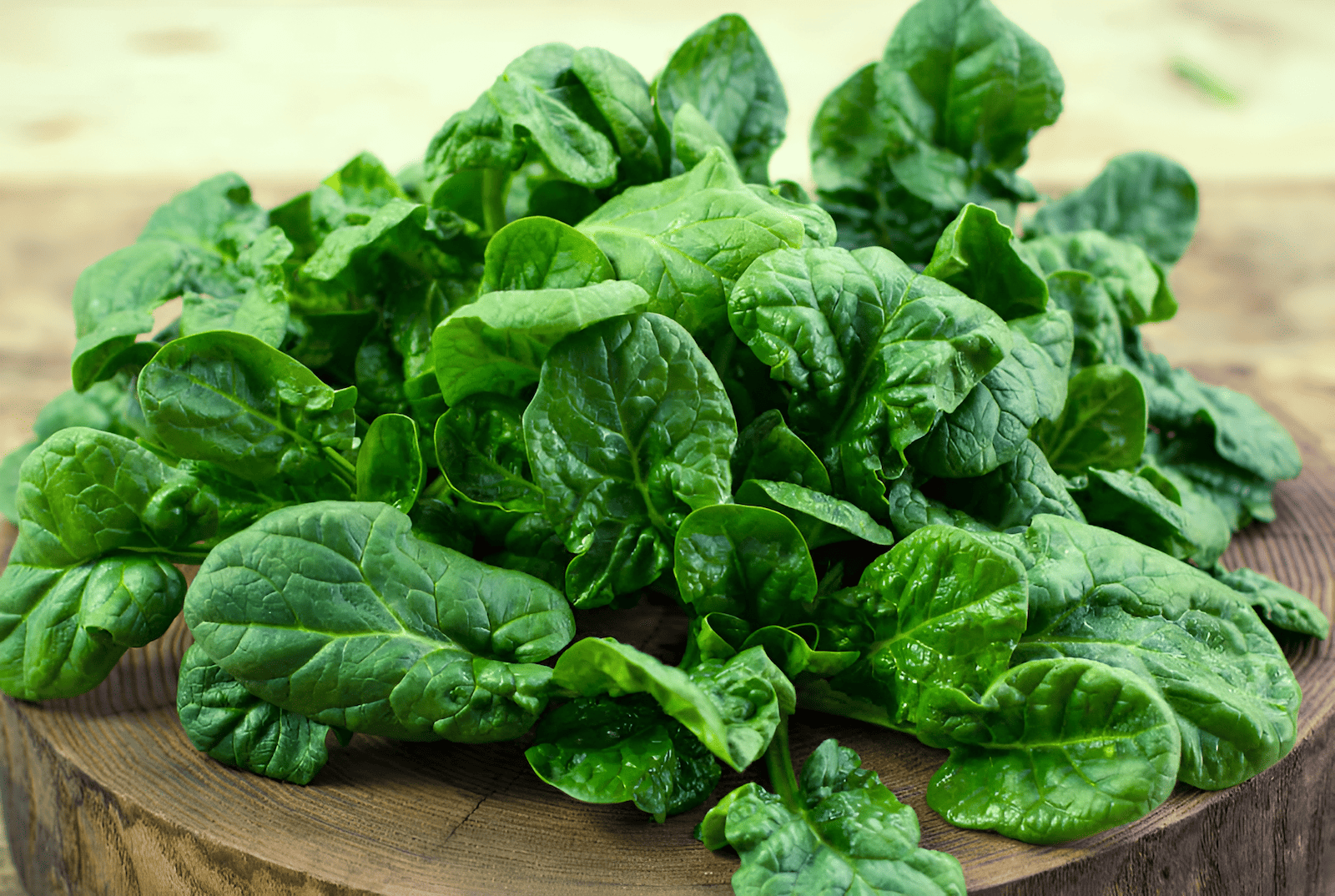
Planting: Plant semi-savoy spinach in early spring or fall, sowing seeds ½ inch deep and spacing plants a few inches apart. For container production, use wide, shallow planters or inner rings of a Crop Circle so harvests are easy.
Feed and Weed: Keep beds weeded and mulched to retain moisture and suppress competition. Feed every 4–6 weeks with compost or balanced fertilizer. Semi-savoy types typically reach harvest in 40–50 days, depending on variety and weather.
Re-Harvesting and Soil: Cut outer leaves and let plants regenerate. Semi-savoy spinach prefers loamy, fertile soils with a 6.0–7.0 pH. It can handle slightly heavier soil if drainage is adequate, making it a good choice for raised beds and urban gardens.
Smooth-leaf spinach types are ideal for baby spinach mixes and commercial washing, thanks to their flat leaves. Favored varieties include:
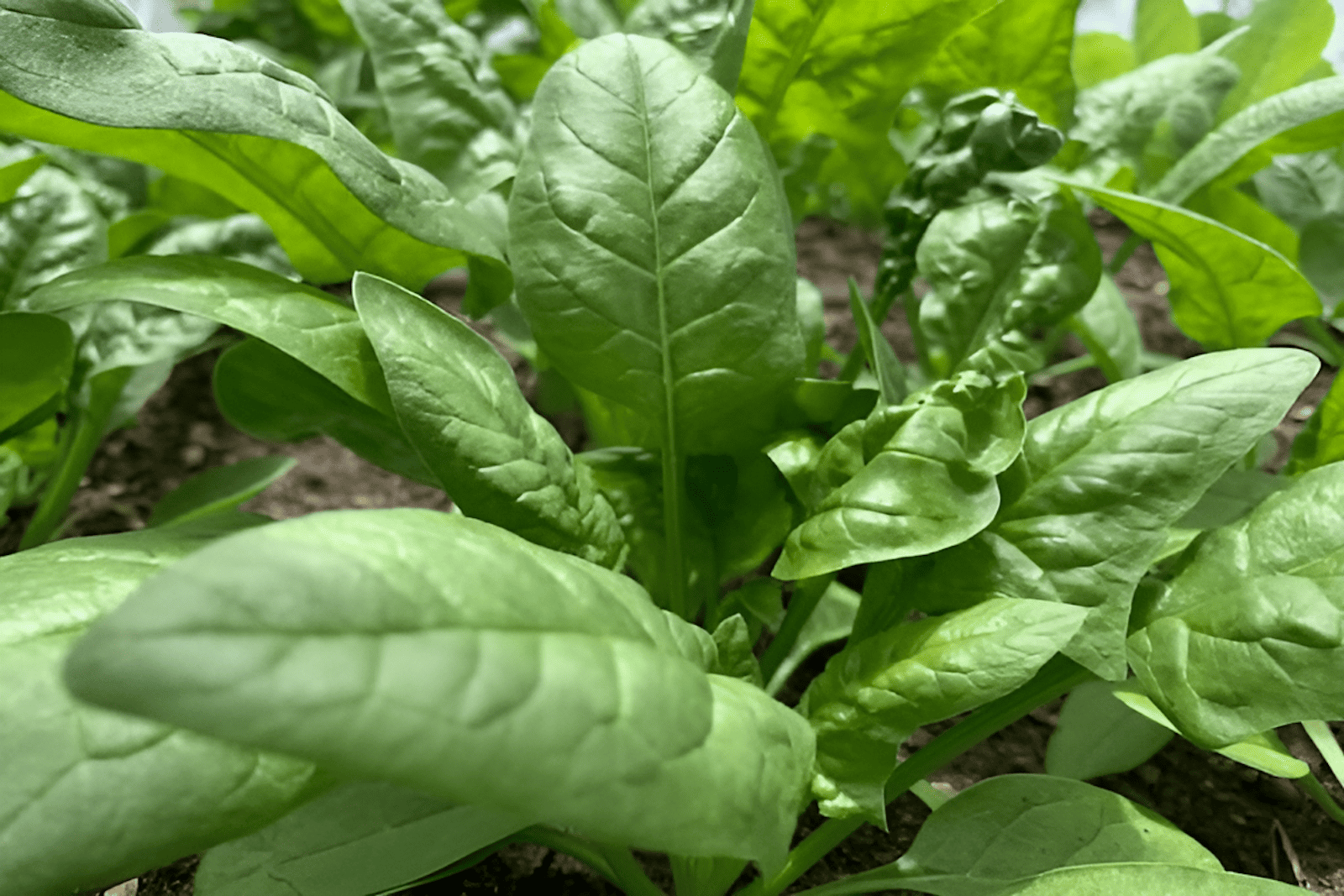
Time of Year to Plant: Smooth-leaf spinach is planted in the same cool windows as other spinach: early spring and fall. Sow seed 3–6 weeks before your last spring frost or 6–9 weeks before the first fall frost. For continuous baby spinach, sow small patches every 1–2 weeks.
Fertilizers and Days to Maturity: Use either quick-release or time-release fertilizers based on your system. Smooth-leaf spinach typically matures in 45–55 days, with many varieties ready as baby leaves in just 25–30 days. Provide consistent moisture and some afternoon shade in warmer climates to maintain tenderness.
Regrow Capability and Flavor: Like other spinach types, smooth-leaf varieties regrow well when leaves are cut above the crown. Flavor ranges from mild to slightly sweet, especially when grown in cool conditions. Younger leaves are best for salads, while older leaves can be cooked.
Soil and Seed Production: Smooth-leaf spinach prefers fertile, well-drained loam with pH 6.5–7.5. Plants typically reach 6–12 inches tall and can produce hundreds of seeds once they bolt, giving you plenty to replant future cool seasons.
Beet greens are an underrated superfood for backyard and container gardens. While most people focus on the root, beet tops are tender, flavorful, and rich in vitamins A, C, and K. You can selectively harvest greens while still allowing the roots to size up—creating a dual-purpose crop for small spaces. Excellent beet varieties for both roots and greens include:
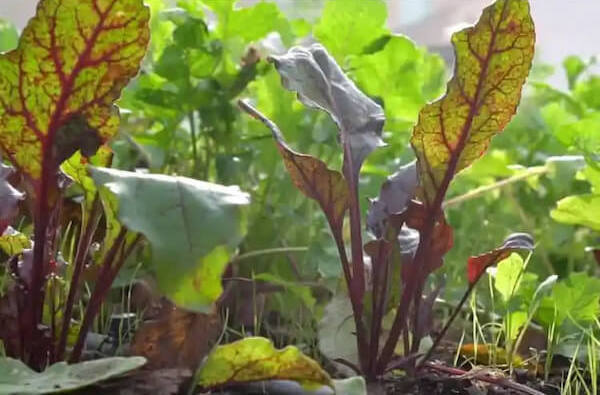
Best Time of Year to Plant: Beets and beet greens prefer cool weather. Sow in early spring or late summer for fall harvests. In many climates, beets can also be succession planted for continuous greens and roots.
Feeding and Soil: Beets need balanced nutrition with strong emphasis on phosphorus and potassium for root development. Grow in loose, stone-free soil to avoid misshapen roots. Beet greens appreciate nitrogen early on but too much late in the season can reduce root quality.
Days to Maturity and Regrowth: Beet greens for baby use can be harvested in as little as 20–30 days; full-size roots typically mature in 55–70 days. Lightly harvesting outer beet leaves allows the plant to continue bulking up the root while still providing greens for the kitchen.
Swiss chard is one of the most ornamental leafy greens you can grow in a backyard or Crop Circle Market Garden. It offers a rainbow of stem colors and glossy, crinkled leaves that stand up to cooking and repeated harvests. Popular chard varieties include:
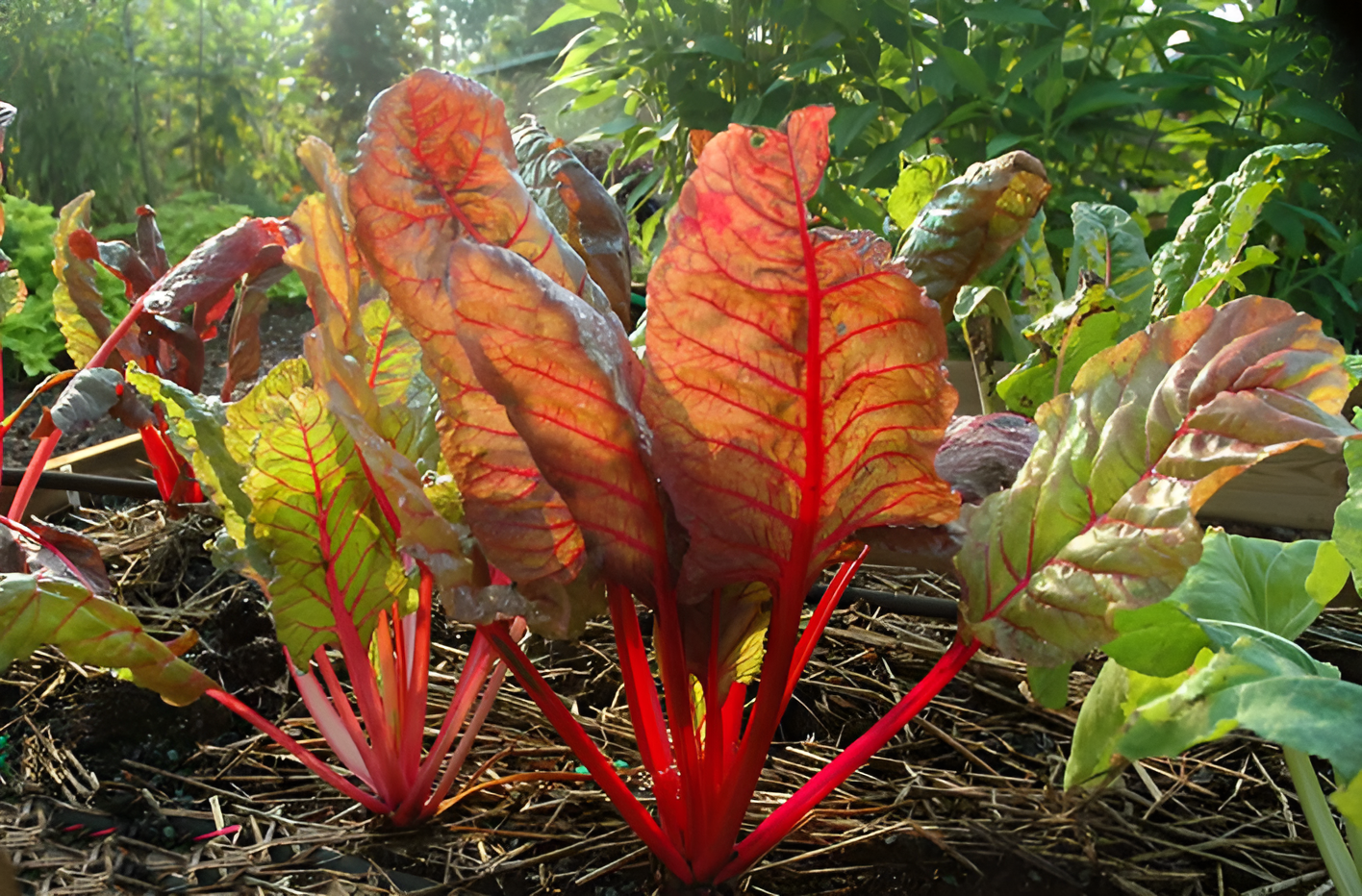
Optimal Planting Times for Chard: Chard tolerates both cool and slightly warm conditions, making it one of the longest-producing greens in a garden. Sow 2–4 weeks before last frost in spring and again 6–8 weeks before first frost in fall for nearly continuous production.
Fertilization and Soil: Chard likes fertile soil with steady moisture. Use a balanced fertilizer at planting and side dress mid-season, especially if you are harvesting often. A pH of 6.5–7.5 and abundant organic matter support vigorous growth and colorful stems.
Time to Maturity and Regrowth: Most chard varieties reach full size in 50–60 days, but you can harvest baby leaves much earlier. Cut outer leaves 3–4 inches above the crown to encourage continuous regrowth. With good conditions, a single chard planting can feed you from spring well into fall.
Plant Size and Yield: Swiss chard grows 2–3 feet tall and 1–2 feet wide. Each plant can produce dozens of leaves over the season, making it an excellent high-yield choice for small-space and container gardens.
Kale has become a staple of kitchen gardens, health-focused diets, and small urban farms because of its exceptional nutrient density and cold hardiness. It’s easy to grow in raised beds, Crop Circle Gardens, and large containers, and can withstand frost better than many other leafy greens. Kale varieties fall into three main groups: curly, Lacinato (Tuscan), and Russian types, each with its own texture and flavor.
Curly kale varieties are known for their ruffled leaves and robust structure. They hold up well in soups, stews, and kale chips, and also bring attractive texture to mixed plantings. Popular curly kale varieties include:
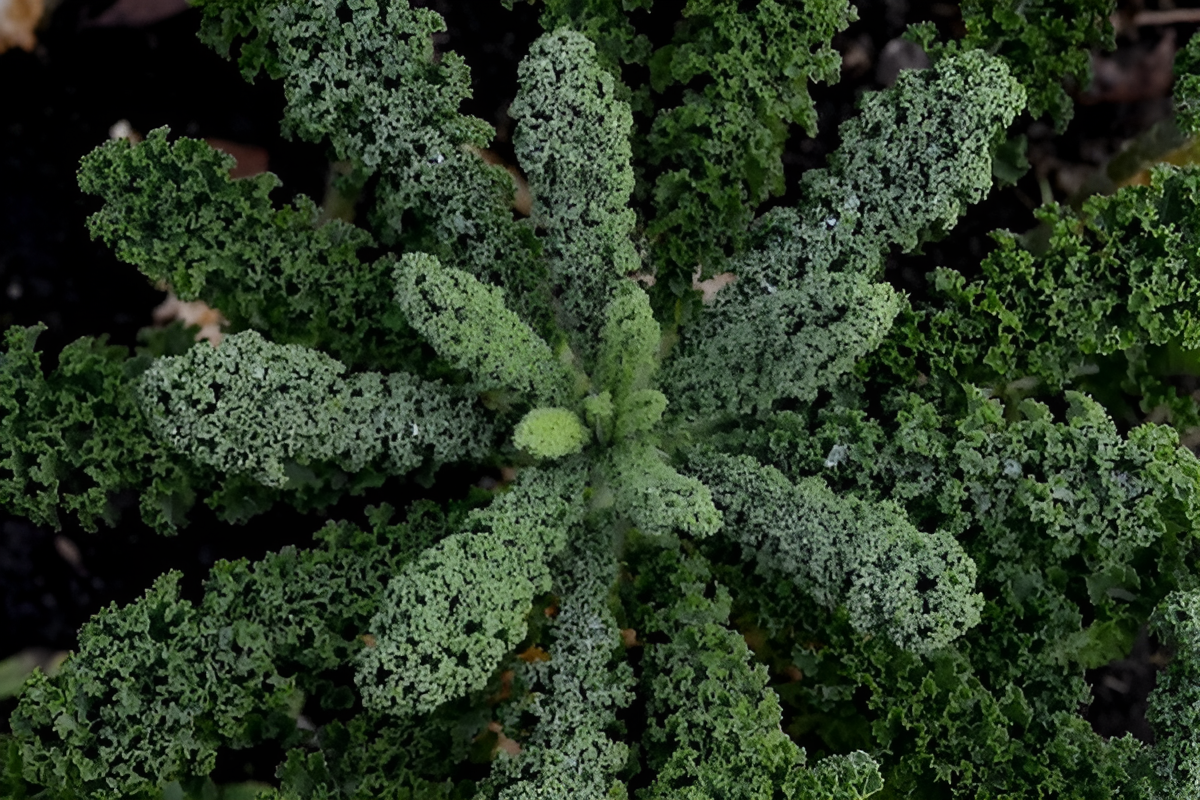
Lacinato kale—also called Tuscan kale, dinosaur kale, or black kale—has long, strap-like leaves with a distinctive wrinkled texture. It is sweeter and more delicate than curly kale and is a favorite in Italian soups, sautés, and salads. Common Lacinato-type varieties include:
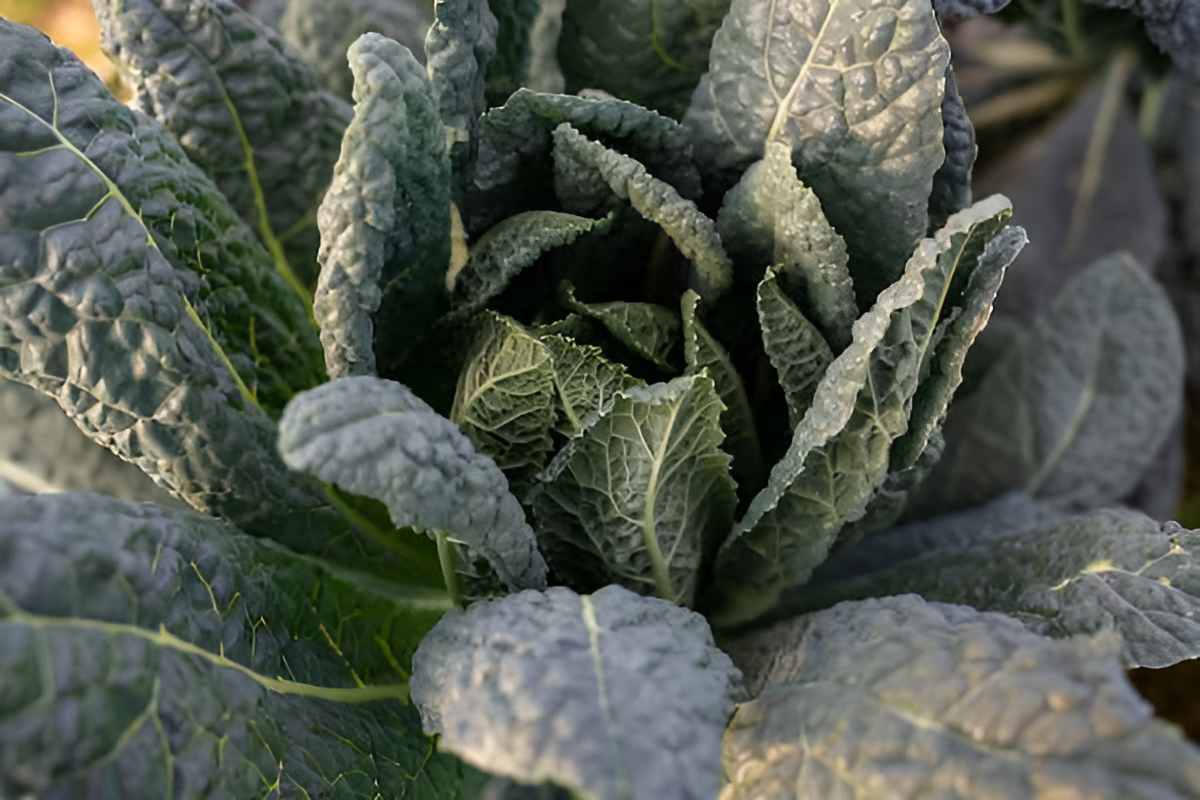
Red Russian kale is easily recognized by its flat, fringed leaves and purple-red stems. It has a mild, slightly sweet flavor that works well eaten raw or lightly cooked. Popular Russian-type kales include:
Kale: A Cool-Season Favorite – Sow kale 4–8 weeks before last frost in spring and 6–8 weeks before first frost in fall. Kale can handle light freezes and often tastes sweeter after frost exposure.
Fertilizing & Soil: Use a balanced fertilizer and rich, well-drained soil (pH 6.0–7.0). Amending beds with compost or aged manure provides the long-term fertility kale needs to perform through multiple harvests.
Plant Size & Yield: Many kale plants reach 2–3 feet tall and 1–2 feet wide. A single plant can provide 25–35 or more leaves over the season, making kale a high-return crop for small gardens, raised beds, and Crop Circle systems.
Flavor & Seed Saving: Kale’s flavor ranges from mild and nutty to more robust and earthy, with cold weather often improving sweetness. Each plant can produce hundreds of seeds once it bolts, giving you plenty of seed for future plantings and for sharing with other gardeners.
Choosing the Perfect Greens for Your Garden
Selecting the right leafy greens for your container garden, backyard beds, or Crop Circle Raised Gardens depends on your climate, available space, and how you like to eat. Mix fast-growing baby leaf lettuces and spinach with longer-season chard, beet greens, and kale for a continuous harvest. Use tools like the Garden Yield Calculator and Plant Yield Calculator to estimate yield per pot, per square foot, or per Crop Circle ring, and plan how many plants you need to feed your household or community.
By growing a diverse mix of lettuces, spinach, beet tops, chard, and kale, you’ll build a resilient, beautiful, and productive garden that delivers fresh, nutrient-rich food for months on end—whether you’re working with a balcony, a backyard, or a full Crop Circle Market Garden .
Ready to transform your land into a high-yield, sustainable farm? Let Crop Circle Farms design and build a custom, low-impact, and water-efficient farm tailored to your site and market. From yield modeling and farm layout to irrigation design and crop selection, we help you double your income and cut your costs in half. Contact Us to explore a Crop Circle Farm design for your property.
Help us expand our mission to revolutionize agriculture globally. We are seeking partners to implement Crop Circle Farms in food-insecure communities, island nations, and water-stressed regions. Together, we can build scalable food production systems that save water, reduce costs, and feed thousands of people year after year. Contact Growing To Give to support an initiative or program.
Use this quick guide to match leafy greens to your climate, garden layout, and harvest goals. Whether you’re planting a few pots on a patio, a Crop Circle Market Garden, or a full backyard bed, these FAQs will help you dial in varieties, spacing, irrigation, and succession planting.
In hot climates and desert regions, like the U.S. Southwest, focus on heat-tolerant greens that resist bolting and bitterness. Great options include:
In hot weather, plant in blocks or bands, use mulch around the plants to cool the soil, and provide afternoon shade using shade cloth or the east side of taller crops. If you are using Crop Circle Raised Gardens, you can position the circles to catch morning sun and avoid harsh late-afternoon heat.
Cool weather is prime time for classic salad and cooking greens. For early spring and fall beds, focus on:
Sow successions every 1–3 weeks, depending on how quickly you eat your greens. In colder regions, low tunnels or simple row covers over beds or Crop Circle Market Gardens can stretch the season several weeks on each side and protect tender leaves from frost and flea beetles.
Most garden greens perform best in a slightly acidic to neutral soil with a pH range of 6.2–7.0. Within this range, key nutrients like nitrogen, phosphorus, and potassium are more available to plants. Before planting, consider a basic soil test so you can correct pH with lime (to raise pH) or elemental sulfur (to lower pH) if needed.
For steady growth and tender leaves, aim for:
In highly efficient systems, like a yield-calibrated container setup, you can fine-tune fertility using drip fertigation to keep EC and pH stable across the season.
Spacing depends on whether you are growing baby leaf or full heads:
For irrigation, drip lines or micro-sprays are ideal. They keep foliage drier (reducing disease), minimize evaporation, and deliver water directly to the root zone. Mulching with shredded leaves, straw, or compost helps keep the soil evenly moist. Avoid overhead watering late in the day, as wet foliage overnight can encourage mildew and leaf spot.
Succession planting is the key to a continuous salad bowl. Instead of sowing one big bed all at once, plant small blocks more often:
Keep a simple garden log with sow dates, varieties, and first harvest dates. If you are using Crop Circle Market Gardens, dedicate each spiral or ring to a different planting date or variety so you always have one section at peak harvest while the next one is coming on.
Common pests on salad and cooking greens include:
Non-chemical strategies work very well in greens beds:
If you need a spray, choose targeted, organic options and apply at dusk when pollinators are not active. Always read and follow the label.
Harvesting at the right time of day and plant stage makes a big difference in flavor:
Immediately after harvest, rinse greens in cool, clean water, spin or pat dry, and chill them quickly. Use ventilated containers or produce bags in the refrigerator. In well-managed raised garden systems, the combination of cool morning harvest and prompt cooling can extend shelf life by several days.