Plant-Based Diet Guide
Protein, Nutrients, Health Benefits & Meal Planning
A plant-based diet focuses on foods derived primarily from plants — including vegetables, fruits, whole grains, legumes, nuts, and seeds — while reducing or eliminating animal products. Rather than being restrictive, plant-based eating emphasizes nutrient-dense foods that provide protein, fiber, vitamins, minerals, and protective phytochemicals that support long-term health.
Research continues to show that well-planned plant-based diets can support muscle maintenance, heart health, metabolic balance, and healthy weight management. Because plant foods are naturally lower in saturated fat and cholesterol and rich in fiber and antioxidants, they can play an important role in supporting overall wellness and disease prevention.
Plant-based diets also offer important environmental advantages. Producing plant foods generally requires less land, water, and energy than raising livestock, making plant-forward eating patterns one of the most resource-efficient and sustainable ways to nourish growing populations.
In this guide, we explore how plant-based diets work, where to find complete plant proteins and essential nutrients, how to build balanced meals, and practical strategies for transitioning toward a plant-centered diet without sacrificing flavor, affordability, or performance.
A plant-based diet is an eating pattern centered on whole or minimally processed plant foods such as vegetables, fruits, whole grains, legumes, nuts, and seeds. While some people choose a fully vegan diet, others follow a flexible or “plant-forward” approach that emphasizes plants while occasionally including small amounts of animal products.
• Diets rich in plant foods are associated with lower risks of heart disease, obesity, and type-2 diabetes.
• Producing plant protein typically requires far less water and land than producing animal protein.
• Many plant foods — including lentils, beans, quinoa, tofu, nuts, and seeds — provide substantial
amounts of protein along with fiber, antioxidants, and essential minerals.
Protein plays a central role in nearly every biological process in the human body. Along with carbohydrates and fats, protein is one of the three primary macronutrients required for human health. It supports tissue repair, immune function, hormone production, enzyme activity, and muscle development. Because of its role in building and maintaining muscle tissue, protein is particularly important for athletes, growing children, and individuals focused on maintaining long-term metabolic health.
One of the most important processes involving protein is protein synthesis—the biological mechanism through which the body builds new proteins to repair cells, grow tissues, and maintain normal body functions. Without adequate protein intake, this process becomes less efficient, which can affect energy levels, recovery, and overall health.
Proteins themselves are built from smaller compounds known as amino acids. There are 20 amino acids used by the body to build proteins, and 9 of these are considered essential amino acids. Essential amino acids cannot be produced by the body, which means they must be obtained from the foods we eat.
For many years, it was widely believed that only animal products could provide all nine essential amino acids in adequate amounts. However, modern nutrition science has shown that a wide variety of plant-based foods can also provide complete amino acid profiles when eaten as part of a balanced diet.
Some plant foods naturally contain all essential amino acids—such as quinoa, soy foods, and hemp seeds. Other plant foods provide complementary amino acid patterns. For example, whole grains tend to be lower in lysine but higher in methionine, while legumes such as beans and lentils are rich in lysine but lower in methionine. When eaten throughout the day, these foods work together to provide a full spectrum of essential amino acids. This concept is known as protein complementation.
Animal-based foods are often described as “complete proteins” because they naturally contain all essential amino acids. While this is true, it does not mean they are nutritionally superior. Many animal proteins are also higher in saturated fat and cholesterol, which can contribute to cardiovascular disease and other metabolic health concerns when consumed in excess.
Plant-based protein sources provide a different nutritional advantage. Foods such as beans, lentils, tofu, seeds, nuts, and whole grains deliver protein alongside fiber, antioxidants, vitamins, and essential minerals. These nutrients support digestive health, metabolic stability, and immune function while helping reduce the risk of chronic disease.
Another key difference lies in environmental sustainability. Producing plant protein typically requires less land, less water, and fewer natural resources than raising livestock. As a result, plant-forward diets are widely recognized as one of the most resource-efficient ways to produce nutritious food while reducing environmental impact.
The infographic below highlights many of the key foods that make up a healthy plant-based diet and shows how diverse plant foods can provide both high-quality protein and a wide range of essential nutrients.
Feel free to share this plant-based diet infographic on your website or blog. Please include a link back to this page as the source.
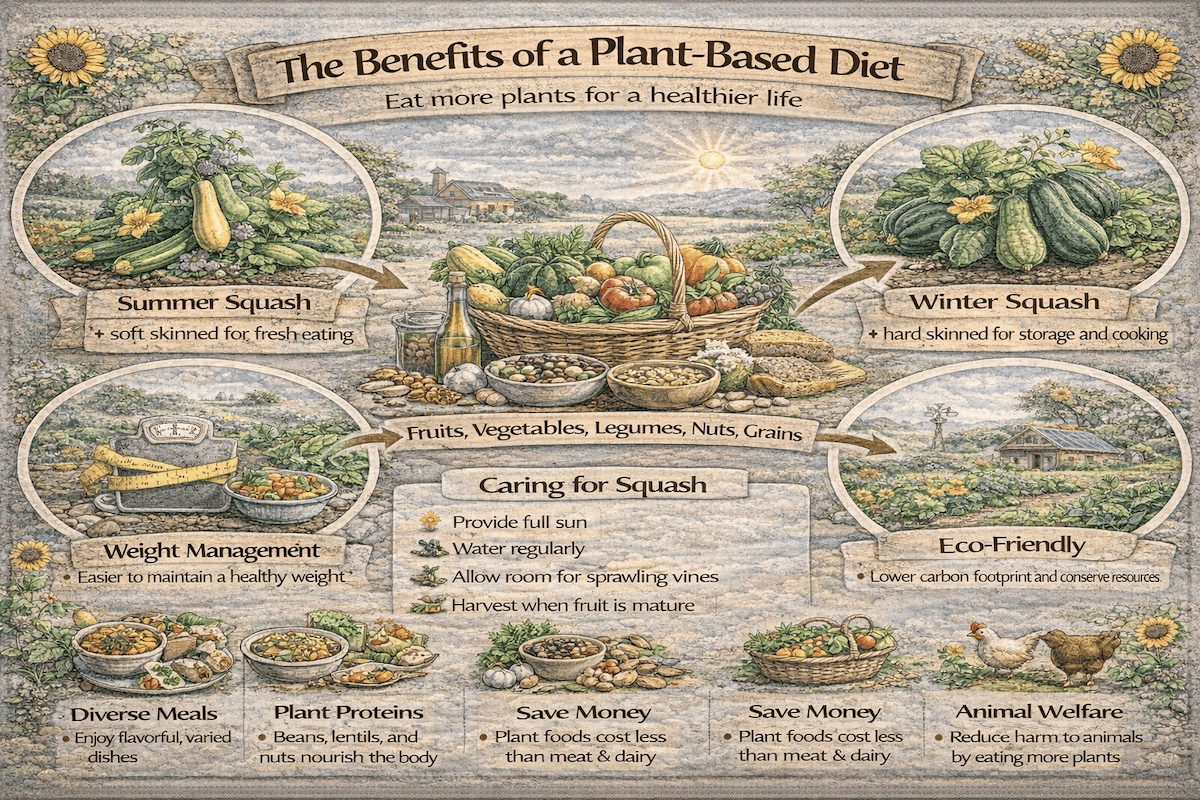
A diet rich in plant-based proteins offers a wide range of health benefits. Foods such as beans, lentils, whole grains, nuts, and seeds provide not only protein but also fiber, vitamins, minerals, and protective plant compounds known as phytochemicals. These nutrients support digestive health, metabolic balance, and immune function while helping regulate blood sugar levels and maintain healthy body weight.
Unlike many animal-based protein sources, plant proteins are naturally lower in saturated fat and contain no dietary cholesterol. They are also rich in antioxidants, compounds that help reduce inflammation and protect the body from oxidative stress that can contribute to chronic disease.
Because of their high fiber content and nutrient density, plant-based proteins can promote long-lasting energy, improved digestion, and greater overall dietary balance.
One of the greatest advantages of a plant-based diet is the incredible variety of protein-rich foods available. Protein can be found in many plant categories, including legumes, whole grains, vegetables, nuts, seeds, and fermented foods. This diversity makes plant-forward eating both nutritionally balanced and enjoyable.
Legumes such as lentils, chickpeas, peas, and beans are among the most concentrated sources of plant protein and fiber. Whole grains such as quinoa, oats, and brown rice also contribute meaningful amounts of protein while supplying important minerals like magnesium and manganese.
Even many vegetables provide modest amounts of protein while delivering powerful micronutrients. Broccoli, spinach, and leafy greens contain valuable antioxidants and vitamins that support immune health. Seeds—including chia, sunflower, hemp, and pumpkin seeds—offer protein alongside healthy fats and essential minerals.
Because plant foods contain such a wide range of nutrients, combining them throughout the day creates meals that are both highly nutritious and satisfying. The variety of plant-based protein foods available ensures that every meal can be flavorful, balanced, and supportive of long-term health.
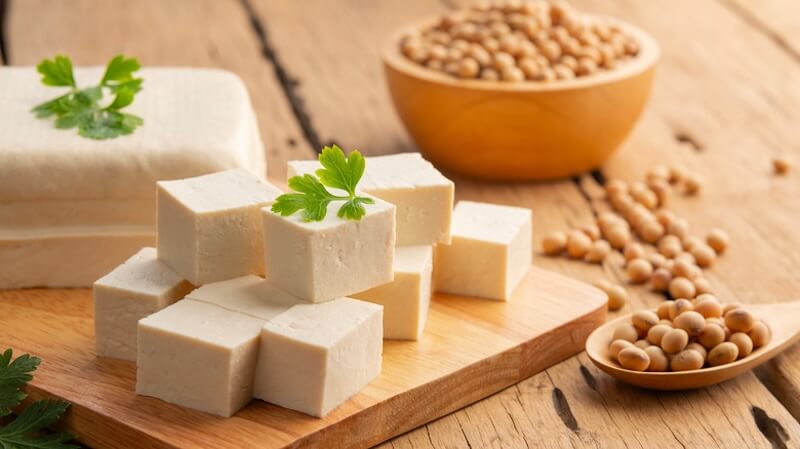
Soy foods deserve special attention because they provide one of the most complete plant-based protein sources available. Soy contains all nine essential amino acids, making it comparable to many animal-based proteins in terms of amino acid profile.
Soy protein appears in several popular plant-based foods, including tofu, tempeh, and seitan.
Tofu, also known as bean curd, is produced by curdling soy milk and pressing it into blocks. It has a mild flavor and a soft texture, making it extremely versatile in cooking. Tofu can be grilled, baked, blended into sauces, or used in both savory and sweet dishes.
Tempeh is made from fermented soybeans and has a firmer texture with a nutty, earthy flavor. Because it is fermented, tempeh also contains beneficial probiotics that support digestive health.
Seitan, often grouped with soy-based foods because of its meat-like texture, is actually made from wheat gluten. It is very high in protein and widely used as a plant-based meat substitute in vegetarian and vegan cuisine. However, seitan is not suitable for people with gluten intolerance or celiac disease.
Legumes are among the most valuable foods in a plant-based diet. This group of plants includes lentils, chickpeas, peas, and many types of beans. Legumes are rich in plant-based protein while also providing large amounts of dietary fiber, complex carbohydrates, and essential minerals. Their combination of protein and fiber helps support healthy digestion, steady energy levels, and long-lasting satiety.
Lentils are one of the most versatile legumes and are widely used in cuisines around the world. They cook quickly and can be added to soups, stews, salads, and grain bowls. Lentils are particularly rich in iron and folate, nutrients that help support healthy blood circulation and energy production.
Chickpeas, also known as garbanzo beans, are another excellent source of plant-based protein. In addition to protein and fiber, chickpeas provide magnesium, potassium, and folate. They are commonly used in dishes such as hummus, Mediterranean salads, roasted snacks, and hearty vegetable stews.
Several well-known chickpea varieties include:
Desi Chickpeas: These chickpeas are smaller and darker in color, often appearing greenish-brown to deep black. Their rough outer coat and rich flavor make them especially popular in South Asian cuisine. Desi chickpeas are frequently used in dishes such as chana masala and are also ground into besan (gram flour), a staple ingredient in many Indian recipes.
Kabuli Chickpeas: Larger and lighter in color, Kabuli chickpeas are the variety most commonly found in Western markets. Their smooth skin and mild, nutty flavor make them ideal for hummus, salads, and Mediterranean dishes. Kabuli chickpeas are widely grown throughout the Mediterranean region, the Middle East, North Africa, and the Americas.
Green Chickpeas: Harvested while still young and fresh, green chickpeas resemble green peas in appearance. They have a tender texture and a slightly sweet flavor. Green chickpeas are rich in vitamins and phytonutrients and can be eaten raw, lightly roasted, or incorporated into salads and stir-fries.
Quinoa has gained worldwide recognition as one of the most nutritious plant-based grains. Unlike many grains, quinoa is considered a complete protein, meaning it naturally contains all nine essential amino acids required by the human body.
Beyond its protein content, quinoa is also rich in dietary fiber and provides a variety of important minerals, including magnesium, iron, and manganese. These nutrients support muscle function, energy production, and overall metabolic health.
Quinoa’s mild nutty flavor and light texture make it extremely versatile in the kitchen. It can be used as a base for grain bowls, added to soups and salads, or served as a nutritious alternative to rice or couscous. Because it pairs well with vegetables, legumes, and seeds, quinoa is a valuable staple in many plant-based meal plans.
In addition to whole foods such as legumes and grains, several concentrated plant proteins are becoming increasingly popular. Pea protein, hemp protein, and rice protein are commonly used in plant-based protein powders and nutritional supplements.
Pea protein is derived from yellow split peas and is valued for its high iron content and hypoallergenic nature. It is widely used in protein powders and plant-based meat alternatives.
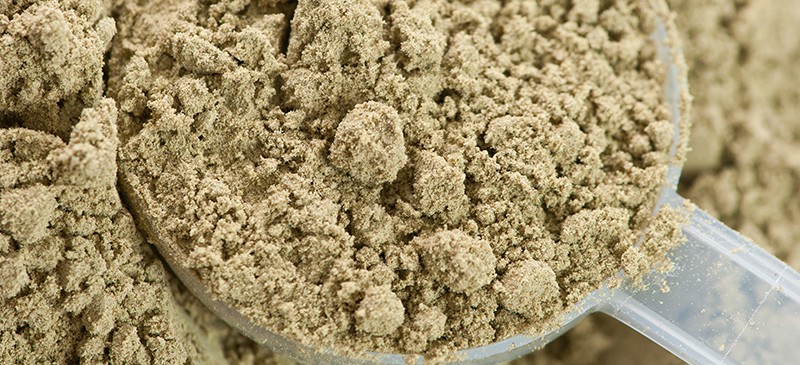
Hemp protein comes from hemp seeds and provides not only protein but also healthy omega-3 and omega-6 fatty acids. These fats support heart health and contribute to a balanced nutritional profile.
Rice protein, while not considered a complete protein on its own, is often combined with pea or other plant proteins to create a balanced amino acid profile. When blended together, these plant proteins can provide an effective and convenient protein source for athletes and individuals with higher protein needs.
While legumes, grains, and soy foods are some of the most recognized plant-based protein sources, there are also several lesser-known foods that can contribute meaningful amounts of protein. Ingredients such as nutritional yeast, spirulina, and nut butters provide both protein and a wide range of important micronutrients, making them valuable additions to a plant-forward diet.
Nutritional yeast is a popular ingredient in plant-based cooking because of its savory, cheese-like flavor. Often sprinkled on vegetables, pasta, or popcorn, nutritional yeast provides protein along with B vitamins and other nutrients that support energy metabolism and overall wellness.
Spirulina, a nutrient-dense blue-green algae, is considered a complete protein because it contains all essential amino acids. In addition to protein, spirulina delivers important vitamins, minerals, and antioxidants. It is commonly consumed in powdered form and added to smoothies or nutritional supplements.
Nut butters such as almond butter, peanut butter, and cashew butter also provide plant-based protein while delivering healthy fats and fiber. These nutrient-dense foods can be spread on whole-grain bread, blended into smoothies, or used in sauces to add both flavor and nutritional value to meals.
Seeds may be small, but they are among the most concentrated plant-based sources of nutrients. Many seeds contain a balance of protein, healthy fats, fiber, and essential minerals, making them a valuable component of a balanced plant-based diet.
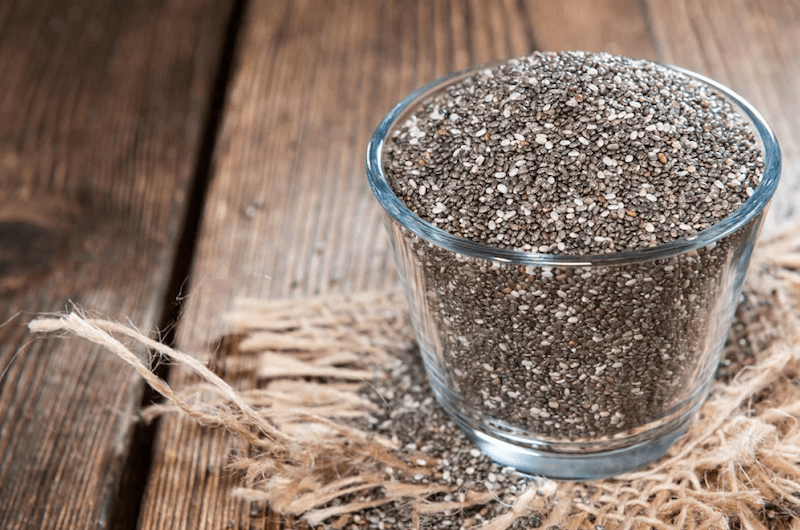
Chia seeds are particularly well known for their impressive nutritional profile. In addition to providing plant protein, chia seeds are rich in dietary fiber and omega-3 fatty acids, nutrients that support heart health and help regulate digestion. They are easy to add to smoothies, oatmeal, yogurt alternatives, or baked goods.
Sunflower seeds are another nutrient-dense option. Along with plant protein, they supply vitamin E, selenium, and other antioxidants that support immune function and skin health. Sunflower seeds can be eaten as a snack, added to salads and grain bowls, or blended into seed butters for a protein-rich spread.
Whole plant foods should remain the foundation of a healthy diet, but protein isolates can be a convenient way to increase protein intake when needed. Protein isolates are dietary supplements in which the protein has been separated and concentrated from its original food source. These products are commonly used by athletes, individuals with higher protein needs, or people seeking an easy way to supplement their diet.
Common examples include pea protein isolate, soy protein isolate, hemp protein, and rice protein. These ingredients are frequently used in plant-based protein powders and nutritional shakes. Because they provide a concentrated protein source, they can help support muscle recovery, training performance, and overall protein intake.
However, supplements should be viewed as an addition to a balanced diet rather than a replacement for whole foods. Whenever possible, prioritize natural sources of protein such as legumes, grains, nuts, seeds, and soy foods. When choosing supplements, look for high-quality products from reputable manufacturers to ensure safety, purity, and nutritional value.
One of the strengths of a plant-based diet is its flexibility. A wide range of plant proteins can accommodate different dietary preferences and health requirements, including gluten-free, dairy-free, and vegetarian or vegan lifestyles.
For individuals following a gluten-free diet, many plant-based proteins remain excellent options, including lentils, chickpeas, quinoa, beans, nuts, and seeds. These foods provide protein while also delivering fiber, vitamins, and essential minerals.
Those avoiding dairy products can rely on plant-derived proteins such as tofu, tempeh, legumes, and nut butters. Meanwhile, individuals seeking alternatives to meat often turn to foods such as tempeh, seitan, and textured vegetable protein (TVP), which is made from soy and provides a hearty texture similar to traditional meat products.
In addition to supporting personal health, plant-based diets can also contribute to a more sustainable food system. Producing plant proteins generally requires less land, less water, and fewer natural resources compared with raising livestock. As a result, plant-forward diets are widely recognized as a practical way to reduce the environmental footprint of food production.
Plant-based eating also appeals to many people for ethical reasons. By reducing reliance on animal products, individuals can help decrease the demand for intensive livestock production and support more humane and sustainable food practices.
For those who are not ready to adopt a fully plant-based lifestyle, the flexitarian diet offers a balanced alternative. This approach emphasizes plant foods while allowing occasional consumption of meat, dairy, or other animal products.
A flexitarian diet makes it easier to gradually shift toward more plant-based meals without feeling restricted. Over time, many people naturally increase their intake of vegetables, legumes, whole grains, and plant proteins while reducing their dependence on animal foods.
Transitioning to a plant-based protein diet does not have to happen overnight. Small, gradual changes can make the process more enjoyable and sustainable. Start by incorporating more plant proteins into familiar meals—such as adding lentils to soups, chickpeas to salads, or tofu to stir-fries.
Exploring new recipes and ingredients can also make the transition exciting. Many traditional cuisines around the world already feature plant-based dishes built around beans, grains, vegetables, and seeds.
Most importantly, remember that a plant-based diet is flexible. Whether you choose to eat fully vegetarian, follow a flexitarian approach, or simply increase your intake of plant proteins, each step contributes to better personal health and a more sustainable food system. The journey from nature to nutrition can begin with even the smallest changes.
Turn your 1 acre into a high-yield, profitable farm.
Crop Circle Farms specializes in designing and building fully engineered, low-impact farm systems that use 90% less water, 85% less fertilizer, and deliver two to three times the yield of traditional farming.
Whether you have a vacant lot, an empty field, a resort, school, island community, or small family farm, we’ll build it from the ground up for you. Our team handles everything from farm layout and installation to irrigation, root systems, training, and first planting.
Contact Us to explore a custom Crop Circle Farm design for your property.
Help us expand our mission to revolutionize agriculture globally. We are seeking partners to implement Crop Circle Farms to feed people in need. Together, we can build scalable food production systems that save water, reduce costs, and feed thousands of people. Contact Growing To Give