Robotic Weed Control:
Precision Agriculture’s Quiet Revolution
Weed pressure is one of agriculture’s oldest and most persistent challenges. For decades, the dominant responses have been mechanical cultivation and chemical herbicides. But rising labor costs, herbicide resistance, soil degradation, and environmental concerns are accelerating a technological shift. Robotic weed control is emerging as a scalable, precision-based alternative that reduces chemical dependency while improving farm efficiency.
Instead of spraying entire fields or relying on large crews for manual removal, robotic systems identify and eliminate weeds plant by plant. Using artificial intelligence, computer vision, GPS guidance, and electric or mechanical tools, these machines are redefining how farms manage unwanted vegetation.
Modern herbicide programs once seemed like a permanent solution. However:
Mechanical tillage, while effective, can disturb soil structure, increase erosion, and reduce microbial integrity. The result is a growing demand for precision systems that suppress weeds without harming soil biology or surrounding crops.
Robotic weed control answers that demand.
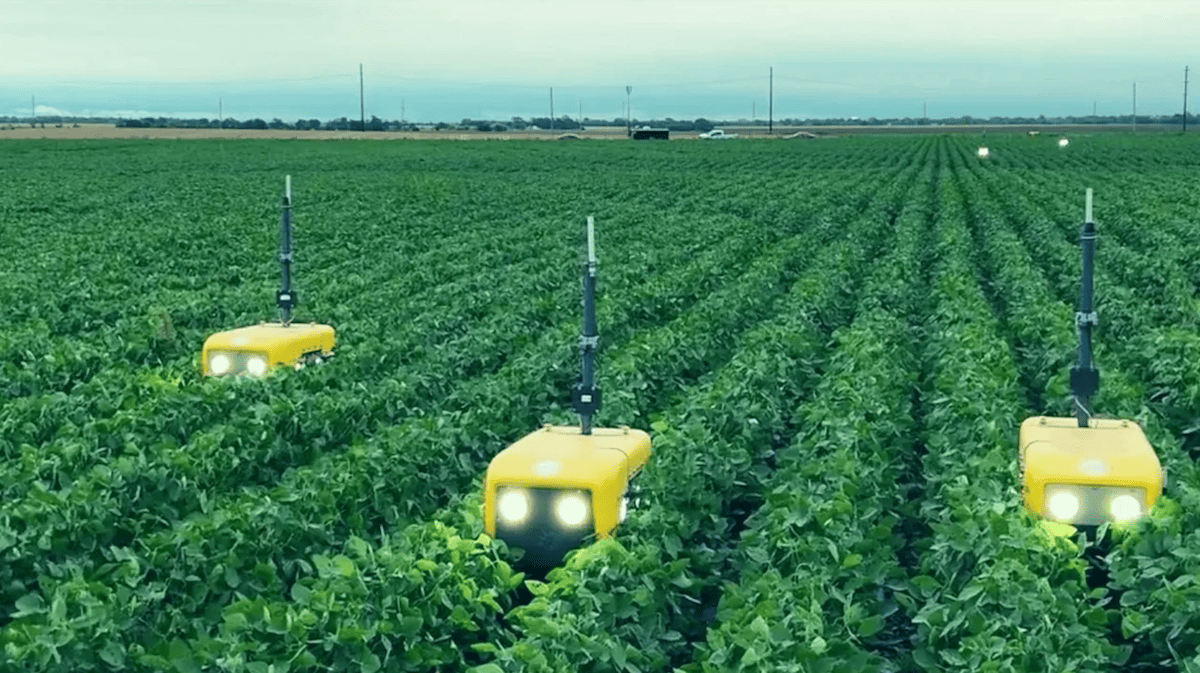
Most robotic weeders rely on four integrated systems:
High-resolution cameras scan crop rows in real time. AI models trained on thousands of images differentiate crops from weeds, even in early growth stages.
The more a robot operates, the more refined its recognition algorithms become. Systems improve accuracy over time, adapting to regional crop patterns.
Instead of blanket spraying, robots can:
Using RTK GPS and field mapping, robotic platforms move precisely between rows, minimizing crop disturbance.
The result is highly selective weed suppression that dramatically reduces chemical usage.
One of the greatest advantages of robotic weed control is its alignment with regenerative agriculture principles.
Many robotic systems reduce herbicide application by 70–95%, depending on crop type and field density.
Because robots can operate with minimal soil disturbance, they protect:
Lightweight autonomous robots often consume less fuel than traditional tractor-mounted sprayers.
When combined with precision irrigation and nutrient delivery, robotic weeders support whole-system efficiency.
Beyond environmental benefits, robotic weed control is economically compelling.
Labor shortages are a major concern for specialty crop producers. Autonomous robots can operate continuously with minimal supervision.
Precision targeting reduces herbicide use and associated input costs. While initial equipment investment can be significant, operational savings often justify the capital expenditure, especially for high-value crops.
Fields managed with reduced tillage and chemical stress tend to maintain higher soil fertility over time, improving yield stability.
While initial equipment investment can be significant, operational savings often justify the capital expenditure, especially for high-value crops.
Robotic weed control performs best when integrated into broader ecological management strategies.
For example, combining robotics with:
creates layered weed suppression while preserving soil integrity.
Modern farms rarely rely on a single tool alone. Effective weed control combines mechanical removal, biological controls, regenerative soil-building practices, and precision technologies to create resilient, low-input systems.
Explore integrated vegetation management approaches on our dedicated resource page: 👉 Weed Control Systems & Strategies
One of the most promising integrations is pairing robotic weed control with biodegradable ground covers.
Biodegradable mulch films suppress weed germination by blocking sunlight while gradually decomposing into the soil. When used strategically:
Robotic systems can then focus on managing breakthrough weeds in uncovered areas or between crop rows.
This layered approach reduces chemical dependency even further and enhances long-term soil structure.
The most resilient weed-control programs use layered design: physical suppression + soil health + precision tools. Biodegradable ground covers can reduce early-season weed pressure, stabilize moisture and soil temperature, and replace plastic mulch waste—making them an ideal companion to low-disturbance and robotic weed-control systems.
Explore materials and use-cases here: 👉 Biodegradable Ground Covers
Specialty Crops
Vegetable producers and orchard managers are early adopters. High crop value justifies precision investments.
Row Crops
Large-scale grain operations are beginning to adopt swarming robotic units that operate across broad acreage with distributed intelligence.
Organic Farming
Organic growers benefit significantly from robotics, as mechanical and electric removal methods reduce labor intensity while preserving certification standards.
Robotic weed control is not without limitations.
However, costs are decreasing rapidly as competition and innovation increase. Battery efficiency, AI modeling, and hardware durability continue to improve annually.
The next generation of agricultural robotics is moving toward:
Eventually, robotic systems may perform weeding, monitoring, and micro-fertilization in a single pass.
The long-term implication is clear: weed control will become a data-driven precision function rather than a broadcast input expense.
Weeds are not merely a nuisance—they are indicators of soil disturbance and ecological imbalance. The future of weed management lies in reducing disruption while increasing precision.
Robotic weed control represents a pivotal shift away from chemical dominance and toward targeted intelligence.
When integrated with regenerative design, biodegradable materials, and data-driven planning, robotics transforms weed management from a reactive cost center into a strategic efficiency advantage.
The farms that embrace robotic precision today are positioning themselves for a future where sustainability, profitability, and technology operate in harmony.
Precision spot-treatment vs broadcast spraying
Typical payback period in high-value specialty crops
Reduced manual or tractor-based weed passes
Autonomous agricultural robotics sector expansion