Agrivoltaics
Renewable Energy and Agriculture
Renewable energy is rapidly reshaping how farms produce food, manage costs, and respond to climate pressure. Across the world, agriculture is evolving from a fuel‑dependent sector into a decentralized energy producer, where power generation and crop production are designed together.
Solar panels shade crops while generating electricity, wind turbines turn open fields into energy assets, and farm waste is converted into usable power through bioenergy systems. Micro‑hydropower and geothermal heat add reliable, site‑specific options that keep irrigation, cold storage, and processing running with far lower emissions and operating costs.
This guide explores how renewable energy technologies integrate with modern farming systems—from agrivoltaics and biogas to net‑zero agriculture and Renewable Energy Certificates—showing how farms can improve resilience, profitability, and environmental performance at the same time.
Conservation agriculture often improves margins by reducing inputs while stabilizing yields. Use these tools to estimate production, spacing, and efficiency gains.
Estimate yield per crop or planting unit.
Model whole-field and farm-scale output.
Tip: Pair residue cover with precise nutrient placement to reduce fertilizer losses.
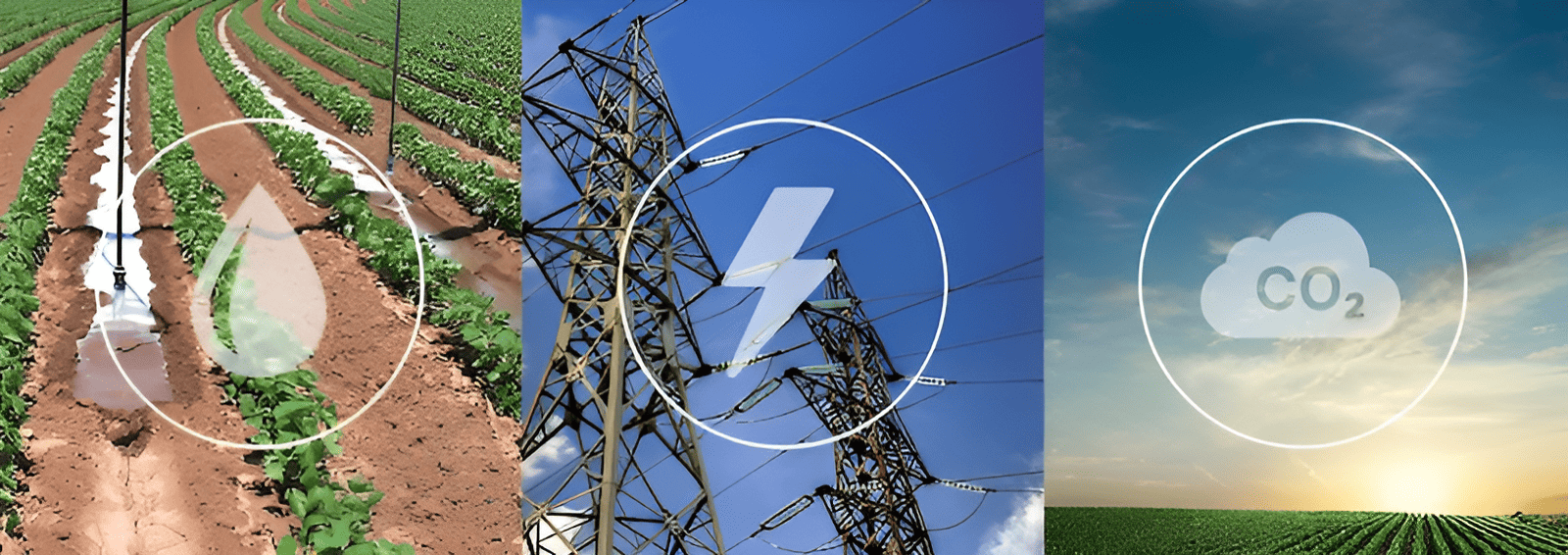
The implementation of renewable energy on farms plays a critical role in the shift toward sustainability and environmental stewardship. Clean energy provides a way to reduce the carbon footprint of agriculture while keeping farms productive, profitable, and efficient. When farmers generate their own energy, they gain more control over their operations and are less vulnerable to external shocks.
By utilizing renewable energy sources, farms can become more energy self-sufficient, reducing their reliance on the grid and fossil fuels. This not only improves their sustainability but also insulates them from fluctuating electricity and fuel prices, grid outages, or supply disruptions. On many sites, renewable energy becomes a form of “climate insurance,” keeping critical systems running when conventional infrastructure fails.
Renewable energy technologies can power irrigation pumps, cold storage, milking parlors, fans, lighting, EV and tractor charging, sensors, and control systems. Coupled with digital tools, these systems enable precision farming techniques such as variable-rate irrigation, automatic ventilation, and remote monitoring. Together they showcase the transformative potential of clean energy in agriculture and the central role it can play in sustainable farming and rural development.
A broad suite of renewable energy sources for farms is now available, including solar power, wind energy, bioenergy, micro hydropower, and geothermal energy. Each technology can be matched to the resources and climate of a specific farm:
Used individually or in hybrid systems, these renewable resources can significantly reduce greenhouse gas emissions on a farm, stabilize long-term costs, and support regenerative agriculture practices.
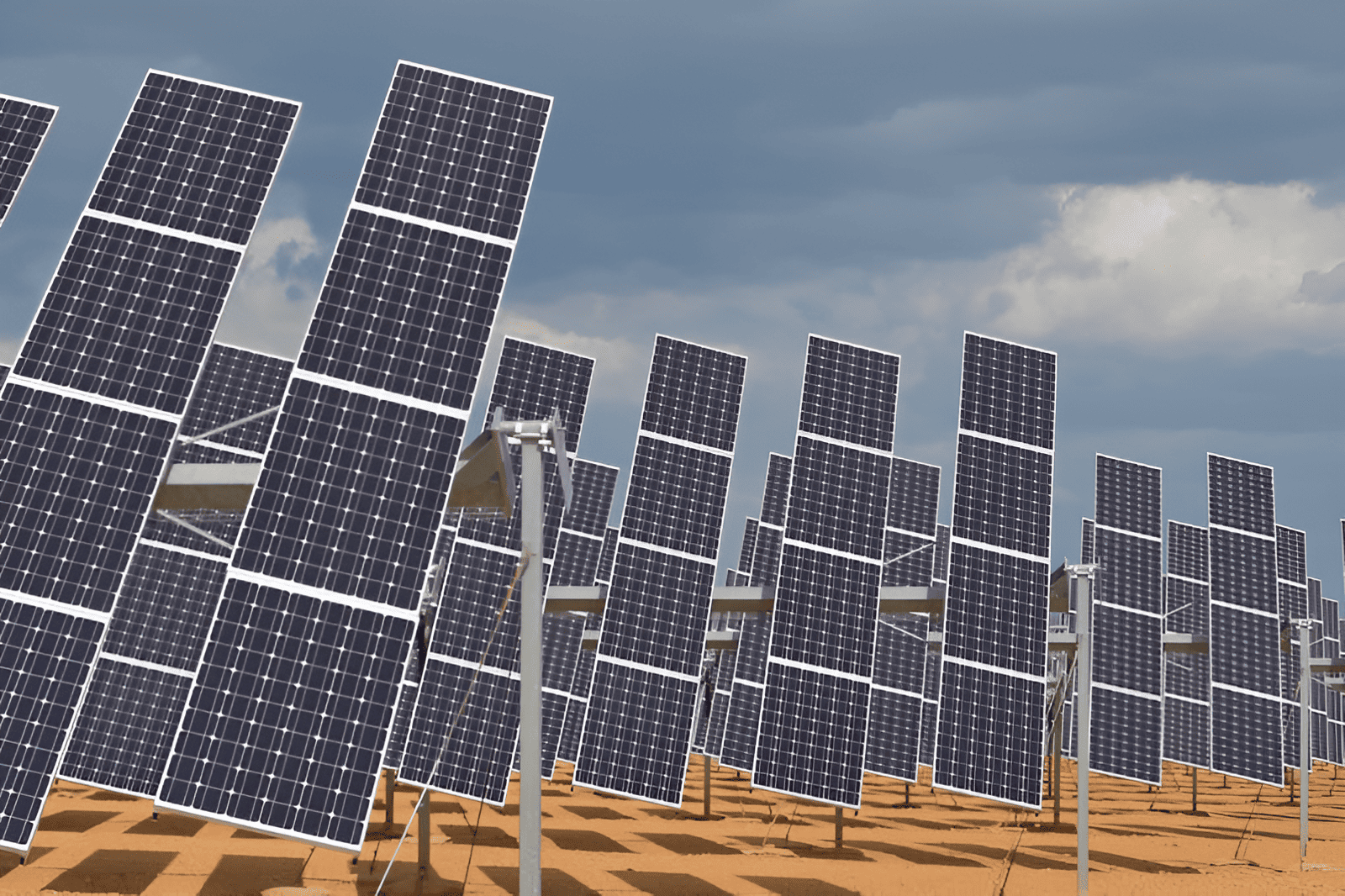
Solar power has become one of the most visible forms of renewable energy in agriculture. Photovoltaic (PV) panels installed on barn roofs, pack sheds, or along field edges convert sunlight directly into electricity. That power can run irrigation systems, pumps, coolers, and on-farm processing equipment, or be stored in batteries for use at night and during cloudy periods.
One of the most innovative applications is solar water pumping, which replaces diesel-powered pumps with quiet, low-maintenance solar systems. These pumps provide a consistent water supply to fields, orchards, and livestock tanks, especially in remote areas with limited grid access. The result is lower operating costs, reduced fuel handling, and fewer emissions.
In another emerging practice, agrovoltaics combine crop production with solar energy generation. Carefully spaced panel arrays allow enough light through for shade-tolerant crops while creating a cooler microclimate underneath. In hot, arid regions, this shade can reduce heat stress and water demand, improving yields and quality for certain crops such as leafy greens, berries, and herbs.
From an economic perspective, once the initial investment in solar infrastructure is recovered, farms can significantly reduce—or even eliminate—their electricity bills. Because the sun is a reliable, locally available resource wherever crops are grown, solar energy for farms offers long-term price stability and a hedge against rising utility rates.
In regions prone to power outages or lacking grid connectivity, solar with battery storage can ensure uninterrupted farm operations. This reliability is crucial for time-sensitive activities like irrigation, refrigeration of perishable products, and automated feeding systems. As solar technology advances, its integration with digital agriculture tools—such as drones, soil sensors, and smart controllers—is paving the way for highly efficient, data-driven precision agriculture.
The sun, it seems, is now doing more than nurturing crops. It is also powering pumps, coolers, and control systems, illuminating a truly sustainable future for agriculture.
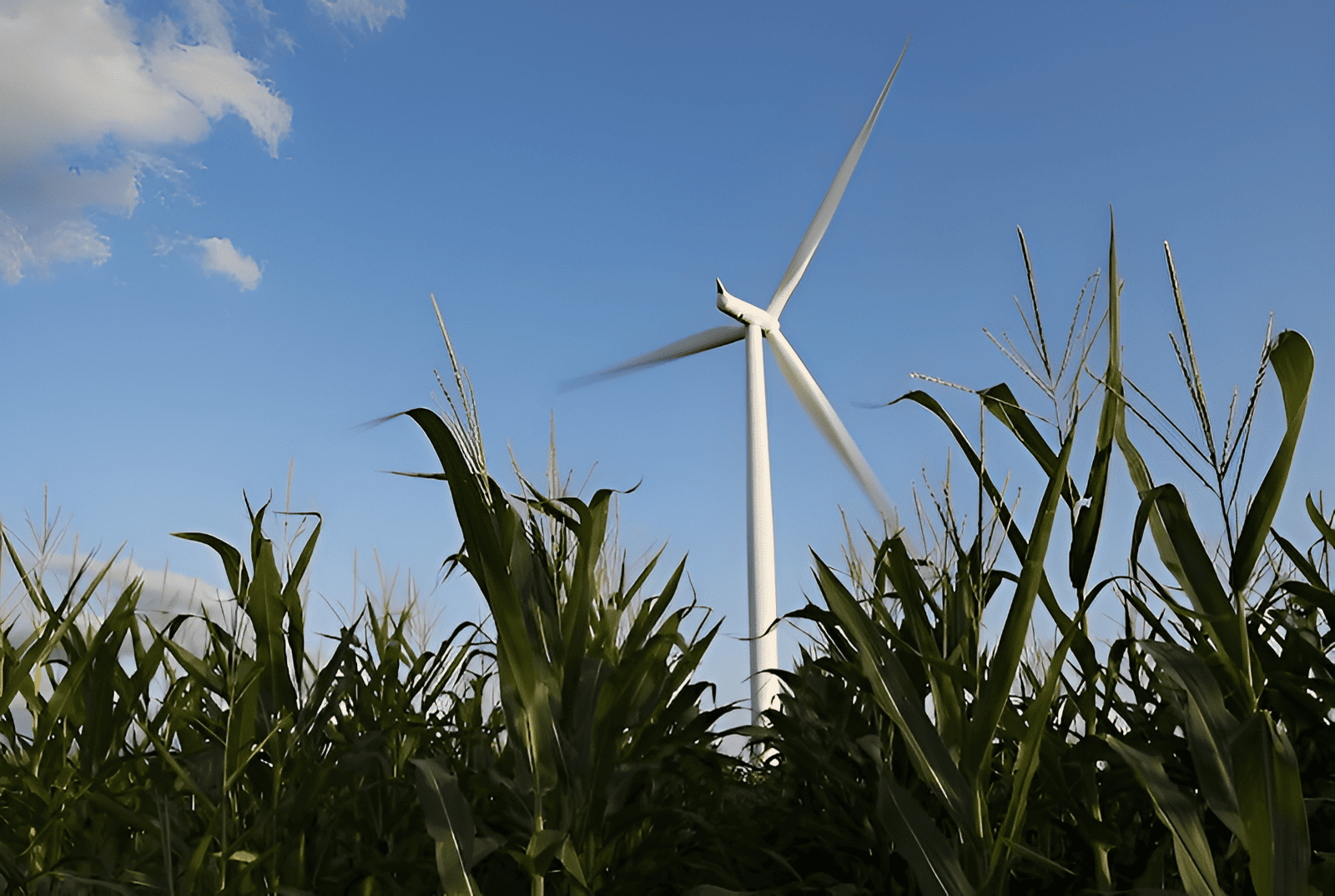
On open stretches of farmland, rows of tall wind turbines now spin gracefully against the sky, capturing the kinetic energy of the wind and converting it into electricity. These installations range from small-scale turbines that power a single farm to larger units that feed clean energy directly into the regional grid.
Many farmers lease parts of their land to wind energy developers, securing a stable, long-term income stream that is independent of crop yields or market prices. Others choose to install their own turbines to offset on-farm demand. A dairy, for instance, can use wind power to run milking machines, milk coolers, and ventilation systems, while a grain operation might use it to power aeration fans and handling equipment.
The integration of wind energy in agriculture offers a two-fold advantage. Economically, it diversifies farm income and reduces exposure to volatile energy markets. Environmentally, wind turbines generate electricity with no fuel combustion and near-zero direct emissions. By replacing or reducing the need for fossil-based electricity, they help cut the carbon footprint of food production and support national climate goals.
Wind turbines occupy relatively little ground space, allowing cropping, grazing, or habitat restoration to continue around the tower bases. In some landscapes, the area between turbines becomes ideal for rewilding projects, pollinator strips, or regenerative grazing systems. As global energy demand grows, farms equipped with wind infrastructure stand at the forefront of a more distributed, resilient, and sustainable energy system.
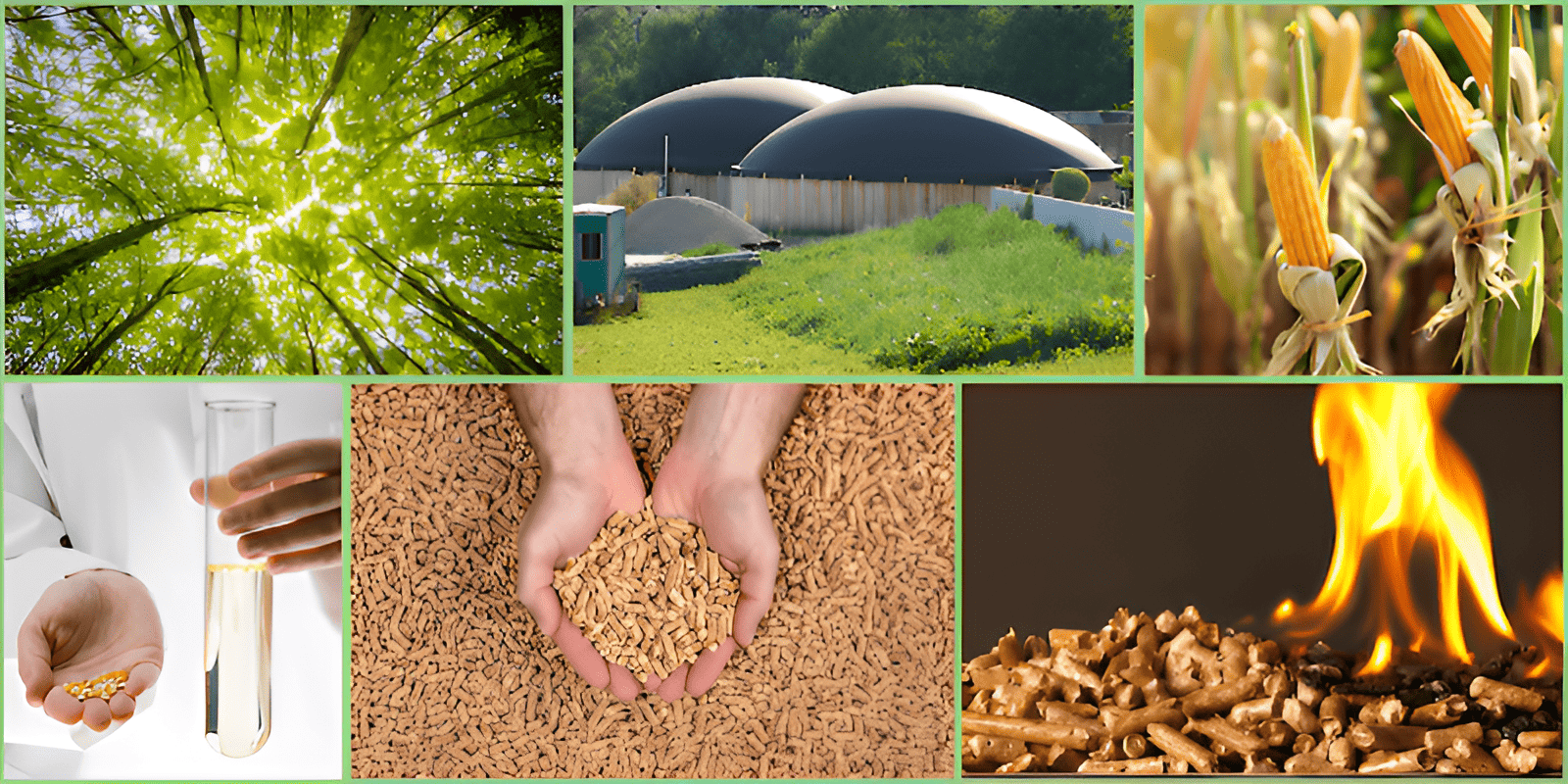
At the heart of many farms lies a potent, often underutilized source of energy: organic waste. Bioenergy, derived from biological materials like crop residues, manure, and processing by-products, allows farms to convert waste streams into valuable on-farm energy.
Anaerobic digesters are frequently employed on livestock farms, converting manure and other organic inputs into biogas, a mixture of methane and carbon dioxide. This biogas can be burned to produce heat or electricity or upgraded to biomethane suitable for grid injection or fueling vehicles and equipment. On crop farms, residues like straw, corn stalks, and prunings can be used for heat, pellets, or advanced biofuels.
Bioenergy balances profit and environmental performance by offering a holistic solution for farms. By converting waste into energy, farms reduce disposal costs and create a reliable, local energy source that lowers their dependence on external suppliers. The digestate from anaerobic digestion can be returned to the soil as a nutrient-rich amendment, closing nutrient loops and supporting soil health and regenerative practices.
Environmentally, the use of bioenergy reduces greenhouse gas emissions, particularly methane—a potent greenhouse gas—by capturing it from manure and using it as fuel rather than allowing it to escape into the atmosphere. This integrated, circular approach minimizes waste, maximizes efficiency, and highlights the symbiotic relationship between different components of a modern farm system.
By embracing bioenergy in agriculture, farms are not just harnessing power; they are championing a vision of sustainability, resource efficiency, and environmental stewardship. The age-old farming adage, “Waste not, want not,” finds renewed relevance in the era of bioenergy and circular farm design.
Micro hydropower systems—typically generating up to 100 kW—are a perfect fit for farms with access to flowing water resources. These systems harness the energy of moving water from streams, small rivers, or irrigation canals to turn a turbine or water wheel and generate electricity.
A classic example is a farm in a hilly or mountainous region where streams flow with enough drop and volume. With a properly sited micro-hydro installation, that kinetic energy can be turned into reliable, 24/7 power for lighting, refrigeration, pumps, and processing equipment.
Once installed, these systems offer a continuous source of renewable energy with very low operating costs, since they do not rely on fuel. For farms in remote areas where grid connectivity is limited or expensive, micro hydropower can be a game-changer, providing reliable and uninterrupted power for decades with minimal maintenance.
Environmentally, micro hydropower is a clean energy source. It produces electricity without combustion or direct greenhouse gas emissions and, when carefully designed, has minimal impact on aquatic ecosystems. Modern turbine designs, fish-friendly intakes, and bypass flows help protect stream health while still delivering valuable energy to the farm.
The concept of using water to power agriculture is not new—water wheels have been part of rural landscapes for centuries. Today’s micro-hydro systems bring modern efficiency and automation to this ancient idea, blending tradition with innovation to support resilient, low-carbon farming.

Geothermal energy taps into the Earth’s internal heat, and farms with access to these underground thermal resources can use them for a wide range of applications. In many regions, ground-source heat pump systems provide efficient heating and cooling by exchanging heat with the stable temperatures below the surface.
One of the most common uses is geothermal greenhouse heating. By circulating fluid through pipes below ground or tapping into geothermal wells, farmers can maintain stable temperatures for year-round vegetable, herb, or flower production—even in cold climates. Geothermal systems can also provide hot water for dairy operations, washing lines, and barn heating, improving animal comfort and productivity.
Once installed, geothermal systems offer relatively low operational costs because the Earth’s heat is a consistent, always-available resource. Unlike solar or wind, it is not affected by weather variability, making it a highly reliable backbone for climate-controlled agriculture.
Environmentally, geothermal systems have a light footprint. They produce energy with minimal emissions and, unlike combustion-based systems, do not release significant greenhouse gases. For farms committed to low-carbon food production, geothermal technologies provide another robust option to cut fossil fuel use.
While geothermal energy might seem ultra-modern, civilizations have been using Earth’s warmth for centuries—from Roman bathhouses to traditional hot springs. In today’s farms, integrating geothermal systems represents the fusion of ancient wisdom with advanced engineering, moving agriculture toward highly efficient and sustainable production.
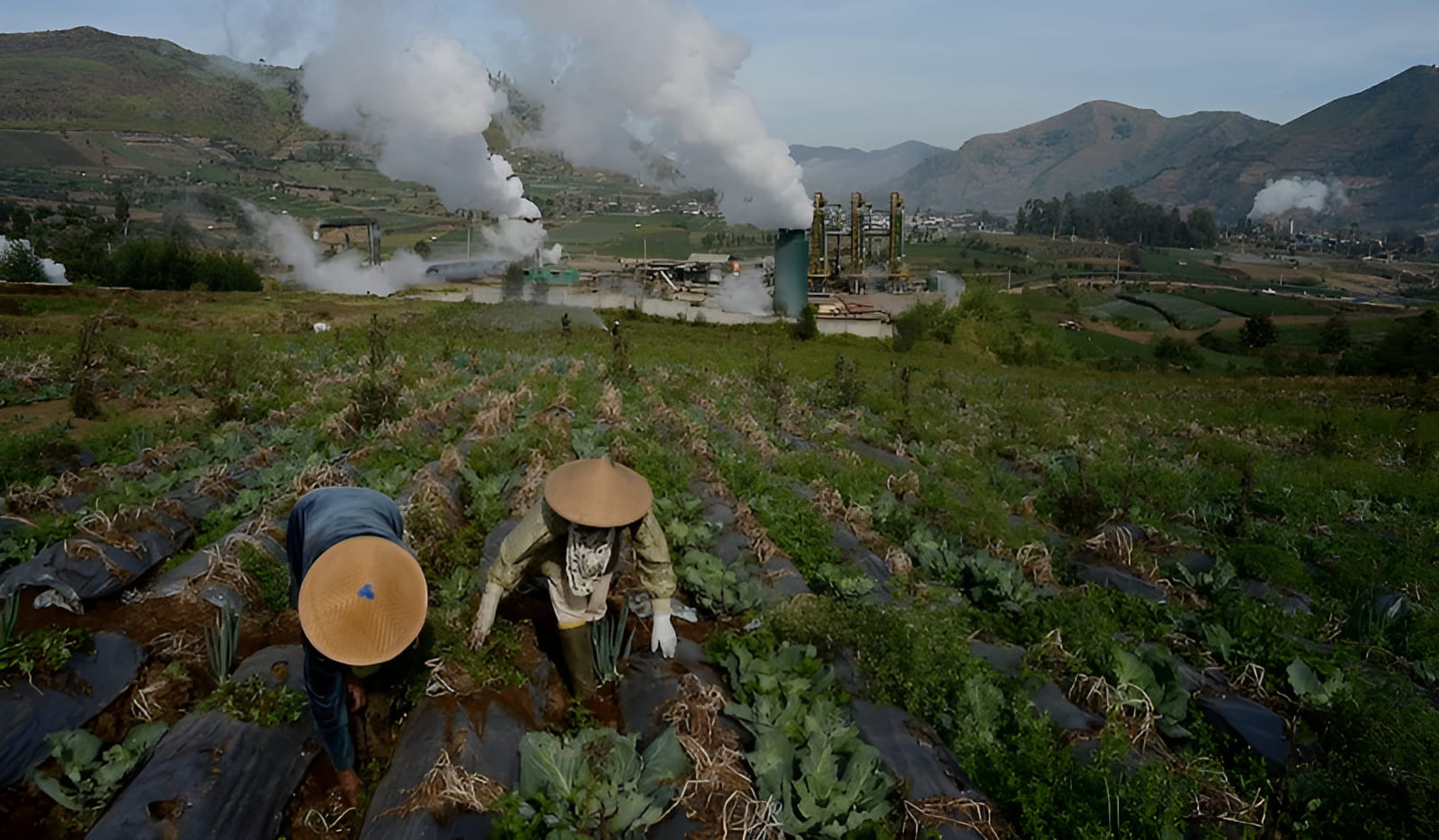
Net-zero agriculture refers to farming systems that balance the greenhouse gases they emit with those they sequester or offset. This involves reducing emissions—by replacing fossil fuels with renewable energy, improving manure management, and optimizing fertilizer use—while increasing carbon capture through practices such as agroforestry, cover crops, and biochar.
Achieving net-zero agriculture is crucial in the global effort to stabilize the climate while feeding a growing population. As demand for food rises, we need ways to expand production that do not expand emissions. The marriage between renewable energy and sustainable agriculture offers one of the most promising pathways to that goal.
The United Nations’ Sustainable Development Goals (SDGs) provide a blueprint for a better, more sustainable future. Renewable energy in agriculture contributes directly to several of these goals:
In this way, clean energy on farms is not only an operational choice—it is a direct contribution to global sustainability targets.
Renewable Energy Certificates (RECs) are market-based instruments that represent the environmental attributes of one megawatt-hour of electricity generated from a renewable source. Farms that produce renewable power may be able to sell RECs, creating an additional income stream on top of energy savings or feed-in tariffs.
RECs help verify and track renewable energy generation, giving buyers confidence that their electricity purchases support real clean energy projects. For farmers, they add financial value to solar arrays, wind turbines, and biogas systems, accelerating payback periods and making renewable energy projects in agriculture more attractive.
The future of renewable energy in agriculture is bright. As the world grapples with climate change, energy insecurity, and the need to adopt more sustainable food systems, clean energy for farms offers a solution that makes both financial and environmental sense. Well-designed systems can lower costs, stabilize operations, and create new revenue streams while cutting emissions.
From solar panels and wind turbines to bioenergy, micro-hydro, and geothermal systems, these sustainable energy sources can power farms, reduce emissions, and promote resilience, productivity, and food security. When combined with regenerative practices—cover crops, reduced tillage, diversified rotations—renewable energy becomes a cornerstone of truly sustainable agriculture.
The journey toward renewable energy in agriculture is not without challenges. It requires up-front investments, supportive policy frameworks, creative financing, and technical training. But the benefits—for farmers, rural communities, consumers, and the planet—are clear and increasingly urgent.
As we move forward, embracing renewable energy in agriculture is a key part of building a climate-resilient food system. By harnessing the power of the sun, the wind, water, and the warmth beneath our feet, we can grow food while caring for our shared home. It is time to transform agriculture—from sun to soil—with renewable energy at the core.
Turn your 1 acre into a high-yield, profitable farm.
Crop Circle Farms specializes in designing and building fully engineered, low-impact farm systems that use 90% less water, 85% less fertilizer, and deliver two to three times the yield of traditional farming.
Whether you have a vacant lot, an empty field, a resort, school, island community, or small family farm, we’ll build it from the ground up for you. Our team handles everything from farm layout and installation to irrigation, root systems, training, and first planting.
Contact Us to explore a custom Crop Circle Farm design for your property.
Help us expand our mission to revolutionize agriculture globally. We are seeking partners to implement Crop Circle Farms to feed people in need. Together, we can build scalable food production systems that save water, reduce costs, and feed thousands of people. Contact Growing To Give
Answers to common questions about how farms are using solar, wind, bioenergy, micro hydropower and geothermal to cut fossil fuel use, stabilize costs, and move toward sustainable, net-zero agriculture.
Renewable energy is turning farms into clean power hubs. Instead of relying solely on grid electricity or diesel, modern farms install solar panels, wind turbines, biogas systems, micro-hydro and geothermal to run irrigation pumps, cold storage, fans, lights and processing equipment.
By pairing renewables with crops and livestock systems , farmers can:
In short, clean energy in agriculture is no longer a niche idea—it’s becoming a core part of resilient, profitable farm design.
Most farms can tap into at least one form of renewable farm energy, and many benefit from hybrid systems:
A good starting point is to review your farm’s loads and layout, then explore which resources (sun, wind, water, biomass, sub-surface heat) are most available on-site. A renewable system can then be integrated into your broader sustainable agriculture plan.
Agrivoltaics (also called agri-PV) is the co-location of solar panels with crops or grazing animals, so the same land produces both food and electricity. Panels are elevated or spaced to allow light, equipment access, and animal movement under and between arrays.
Agrivoltaics works especially well when:
Done well, agrivoltaics becomes a powerful tool for land-use efficiency and climate-smart agriculture. For more on integrating solar with food systems, see Growing To Give’s renewable energy overview .
Bioenergy systems turn organic materials—such as manure, crop residues and by-products— into useful energy instead of waste. The most common approach is an anaerobic digester that breaks down manure and other feedstocks in an oxygen-free tank.
The digester produces biogas (methane-rich) used for:
The remaining digestate can be separated, stored and land-applied as a nutrient-rich fertilizer that fits into your soil health and regenerative farming plan. Bioenergy is central to circular farm design—turning “waste” into energy and nutrients.
Micro hydropower uses the flow and elevation drop of water in streams, small rivers or irrigation canals to spin a turbine and generate electricity, typically up to 100 kW. It’s most suitable for farms that have:
Once installed, micro hydro can provide 24/7 baseload power for pumps, refrigeration, lights and processing, with minimal operating cost and no fuel deliveries. It is a natural fit where water is already central to farm infrastructure, such as gravity-fed irrigation systems.
Geothermal and ground-source systems tap into the Earth’s stable subsurface temperatures to provide efficient heating and cooling. In agriculture, they are used to:
Because subsurface temperatures are stable, geothermal systems offer reliable performance independent of daily weather. They are a powerful tool in climate-smart farm design, especially when combined with solar or wind electricity to run the pumps.
Net-zero agriculture describes farm systems that balance the greenhouse gases they emit with those they sequester or offset. To move toward net zero, farms work on both sides of the equation:
Renewable energy is one of the fastest levers for cutting on-farm CO₂ emissions and is a cornerstone of net-zero farm planning.
The UN Sustainable Development Goals (SDGs) highlight how energy, food, climate and livelihoods are interconnected. Renewable energy in agriculture supports several SDGs at once:
For a deeper dive into how clean energy fits into sustainable food systems, see our sustainable agriculture page.
Renewable Energy Certificates (RECs) are market instruments that represent the environmental attributes of one megawatt-hour of electricity generated from a renewable source. When your farm produces solar, wind or biogas electricity, you may be able to sell associated RECs.
RECs are important because they:
To understand your options, check regional REC markets, utility programs and any agricultural clean energy incentives that recognize RECs.
Crop Circle Farms designs permanent beds and paths in rings or spirals, which makes it easier to integrate solar arrays, pumps, storage and controls directly into the production layout. For example:
If you’d like help designing a renewable-ready farm layout for your site, you can contact Crop Circle Farms to explore a custom plan.