Growing Herbs
Small-Space Herb Planting Strategies
A small, well-planned backyard herb garden can be surprisingly profitable. While most commercial fresh herb production in the United States is dominated by large California growers using mechanized, furrow-irrigated fields, that model is increasingly vulnerable to water scarcity, drought, and rising input costs. As open-field farms struggle to access affordable water and labor, a new opportunity is emerging for urban farmers, backyard growers, and micro-farm operators to grow premium, high-value herbs in small spaces.
Conventional herb farms are managed much like large-scale flower farms: long parallel rows, trench or overhead irrigation, and heavy dependence on synthetic fertilizers and pesticides. In a climate-stressed world, that production model is expensive to run and difficult to certify as organic, regenerative, or “spray-free.” As water restrictions tighten in places like California, trench irrigation is likely to be phased out, reducing supply and driving up the price of fresh, clean herbs.
How much sun do herbs need? Most Mediterranean herbs (rosemary, thyme, oregano, sage) prefer 6–8+ hours of direct sun. Tender herbs like cilantro and mint tolerate partial shade—especially in hot climates.
What soil is best for herbs? Use well-drained soil or a potting mix with aeration (perlite/pumice). Aim for a pH of ~6.0–7.0 and avoid waterlogged roots.
How often should I water? Mediterranean herbs like to dry slightly between waterings; basil and parsley prefer more consistent moisture. In containers, drainage matters most.
When is the best time to harvest? Harvest in the cool morning, ideally just before flowering when essential oils peak.
| Herb | Annual / Perennial | Sun | Water | Notes |
|---|---|---|---|---|
| Basil | Annual | Full sun | Moderate/consistent | Pinch often; harvest above nodes |
| Cilantro | Annual | Sun/part shade | Moderate | Bolts in heat; succession sow |
| Rosemary | Perennial (zone-dependent) | Full sun | Low | Needs drainage; avoid soggy soil |
| Thyme / Oregano / Sage | Perennial | Full sun | Low–moderate | Lean soil improves flavor |
| Mint | Perennial | Sun/part shade | Moderate | Best in containers—spreads aggressively |
At the same time, demand for fresh culinary herbs and medicinal herbs is growing—fueled by home cooking, farm-to-table restaurants, herbal teas, natural wellness, and small-batch skincare products. For a small grower with a backyard, side yard, rooftop, or community garden plot, that means an opportunity to grow high-margin crops in very little space. A single 4×8 raised bed or compact crop circle spiral can supply a CSA box, restaurant, or neighborhood market with basil, cilantro, mint, parsley, thyme, rosemary, and oregano all season long.
One of the biggest challenges in commercial herb production is the very limited list of approved pesticides and fungicides. Because herbs are sold and consumed as whole leaves, residue tolerance is low and regulations are strict. That limitation becomes a competitive advantage for a small farm that uses organic pest management, companion planting, and structural design rather than synthetic chemicals.
Crop Circle Farms ® has developed herb production systems that replace long rows with geometric planting patterns and circular raised beds. Instead of saturating an entire field with water, liquid nutrient is delivered right at the plant root, boosting water use efficiency to roughly 90% better than conventional row agriculture. Drip lines or proprietary irrigators tucked beneath the canopy feed each plant directly, minimizing evaporation and reducing disease pressure by keeping foliage dry.
Beyond water savings, the spiral and circular layouts create a tight network of healthy plants whose collective vigor helps repel many soft-bodied insects. Strong aromas from mixed plantings of basil, mint, thyme, savory, and garlic chives confuse pests and make it harder for them to locate a single species. With thoughtful variety selection, your small-space herb garden can become a living pest-management system rather than a spraying schedule.
A durable, permeable ground cover or weed-suppressing fabric is laid under Crop Circle herb beds to protect soil structure, hold moisture, and prevent splashing soil onto leaves. This helps create a “food-safe” harvest zone that makes it easier to comply with on-farm washing and handling rules for fresh produce. Clean, mud-free herbs are faster to bunch, pack, and chill—and more attractive on the shelf.
In addition to popular culinary herbs—basil, cilantro, parsley, dill, mint, oregano, thyme, rosemary, sage, and chives—Crop Circle Farm layouts can include medicinal plants like Echinacea, Lavender, and Chamomile, plus specialty herbs for tea and aromatherapy. That mix of crops supports multiple markets: farmers’ markets, restaurant accounts, herbal tea blends, infused oils, and value-added products such as herb salts, vinegars, and salves.
Herbs also shine as companion plants in integrated crop circle systems. Basil is a proven companion for peppers and tomatoes, helping deter some pests and enhancing flavor. Meanwhile, carrots grow well near dill and chives. By weaving herbs into the same spiral or adjacent circles as vegetables, you increase biodiversity, extend harvest windows, and diversify farm income without expanding your footprint.
Explore leafy greens, lettuce, artisanal food production, and companion planting to build a more productive and diverse garden or small farm.
Compare leafy greens by growing conditions, flavor, harvest style, and their suitability for gardens and small farms.
Learn about lettuce varieties, soil, planting, irrigation, succession growing, harvesting, and seasonal production.
Explore how locally grown herbs, vegetables, and specialty crops can support distinctive artisanal and value-added foods.
Explore compatible crop combinations and plan more diverse vegetable, herb, and pollinator-friendly plantings.
Combine herbs, vegetables, leafy greens, and compatible companion plants to create a diverse and productive growing system.
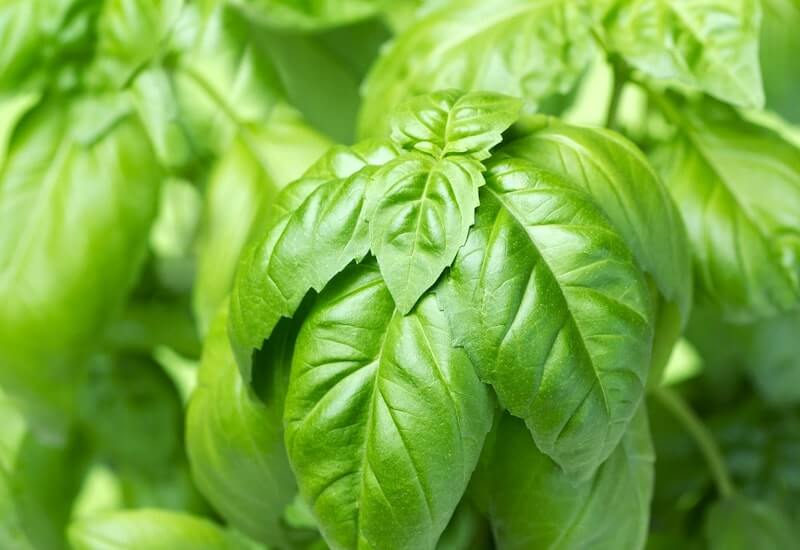
Medicinal plants, sometimes called medicine plants, are grown primarily for herbal teas, tinctures, topical products, and botanical ingredients used by the health, wellness, and cosmetic industries. Long before modern pharmaceuticals, Indigenous healers in North, Central, and South America used native medicinal herbs to treat headaches, digestive issues, bites, rashes, infections, and wounds. Traditional Chinese herbal medicine developed its own rich pharmacopeia thousands of years ago.
Many of those traditional herbs—Echinacea, Chamomile, Lavender, Yarrow, Calendula, Lemon Balm, and Holy Basil (Tulsi)—grow beautifully in small backyard herb gardens and compact urban plots. Today, Echinacea is widely used in teas and extracts to support immune health, Lavender is added to blends for calm and relaxation, and Chamomile remains a classic bedtime tea. Botanical compounds derived from Foxglove have long been used in heart medications, and more than 80 cancer-fighting alkaloids have been isolated from the periwinkle plant.
The potency and quality of a medicinal herb depends heavily on the health of the plant. Stressed plants battling drought, compacted soil, or constant insect pressure devote much of their energy simply to surviving and setting seed. Roots, leaves, flowers, and seeds from these plants contain fewer essential oils and active compounds, resulting in weaker extracts. In wild harvesting, scattered plant populations, overgrazing, and habitat loss make it hard to gather consistent, high-quality medicine—and can put wild species at risk.
On a well-managed backyard medicinal herb farm, plants receive the consistent care they need: balanced soil, regular irrigation, and protection from trampling animals. Traditional medicinal herb farms often grow long rows of plants and water with overhead sprinklers, which can encourage leaf disease, wash soil onto harvestable parts, and make weeding labor-intensive. On a Crop Circle Farm, by contrast, plants are grown in high-density circular beds and spirals, and are watered underneath the plant canopy.
Under-canopy watering keeps leaves dry, reducing the risk of waterborne diseases such as mildews and blights. It also encourages a robust, shaded root zone that supports large, fragrant leaf canopies and abundant flowers—exactly what you want in medicinal herb production. Strong root systems and living ground covers help build soil organic matter over time, turning your backyard into a small but powerful regenerative herb farm.
Traditional herbalism favors a holistic, soil-to-bottle approach to growing and processing plants. That means working with living soil, minimal disturbance, and organic inputs, rather than hydroponic salt solutions or synthetic pesticides. Using man-made chemicals to control pests on medicinal herbs can undermine the very health benefits those herbs are supposed to provide.
In a Crop Circle configuration, urban farmers can grow premium medicinal herbs with far lower input costs than conventional field farms. Water-efficient irrigation, weed-suppressing ground covers, and smart plant spacing reduce the need for constant cultivation. Because the layout is compact and accessible, harvesting can be done by hand at the correct stage—morning harvests for essential oil-rich flowers, or targeted root digging once plants have fully matured. That attention to timing translates directly into higher-value herbal products.
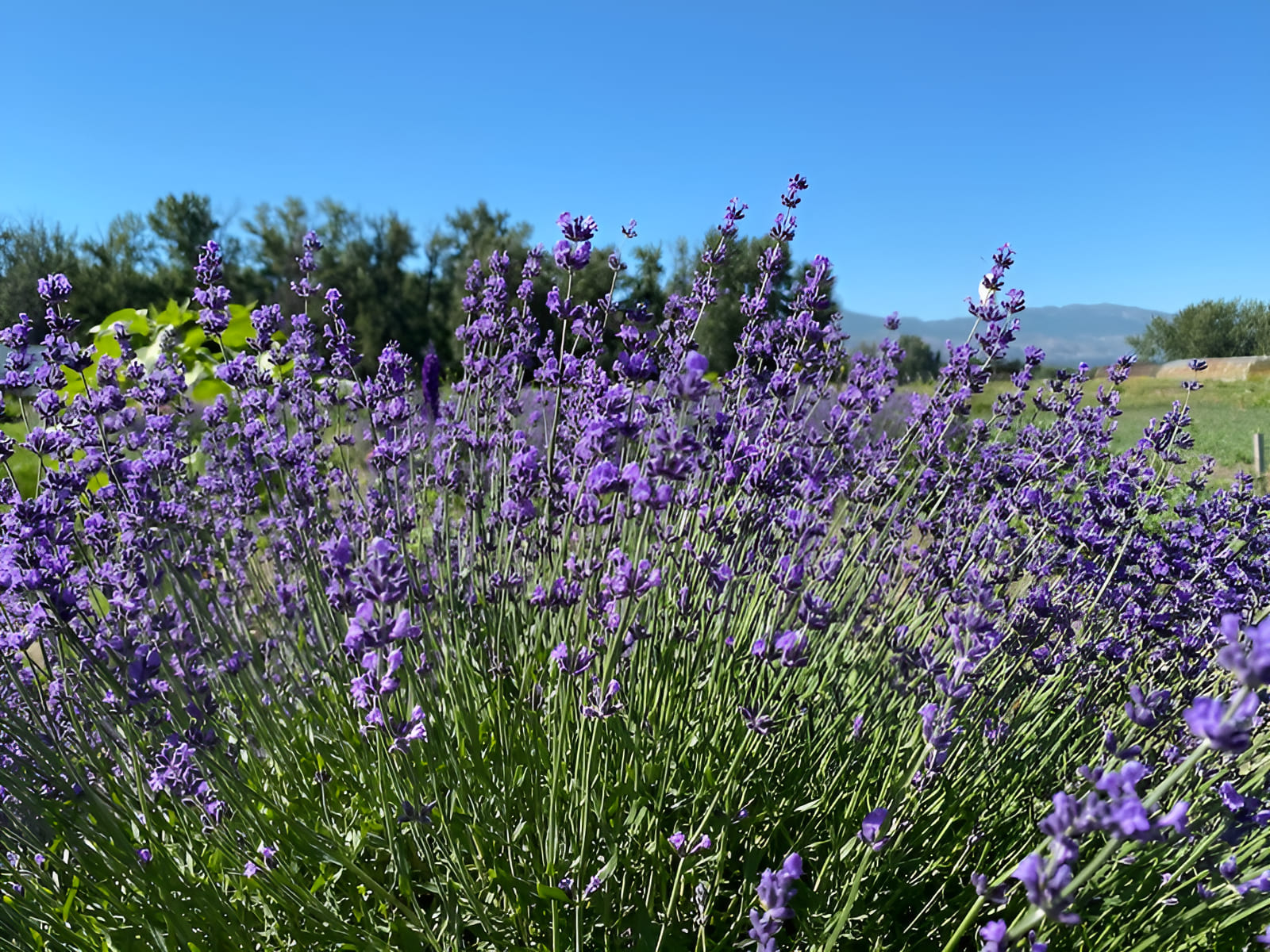
Not all herbs behave politely in the garden. Invasive herbs like mint, lemon balm, and some types of oregano spread aggressively by underground runners and can quickly dominate a bed. To protect the rest of your backyard herb garden, plant these species in containers or sunken pots even on the farm. As the plants become root-bound, they put more energy into leaf production and are less likely to flower and seed everywhere.
Some herbs are cherished not just for flavor but for their more unusual traditional uses. Mugwort (often called the “dreaming herb”) has been used historically by shamans and herbalists in visioning work and dream rituals. While every herbal practice should be approached with respect, mugwort remains a fascinating plant for those exploring traditional or spiritual herbalism. Growing it in a defined crop circle bed or large pot helps keep it contained while you experiment with small, thoughtful harvests for teas or dream pillows.
For culinary use, preservation and product development can dramatically increase the value of a small herb harvest. Fresh herbs can be frozen in ice cube trays with a little water or olive oil. Once thawed, those cubes are as flavorful as the day they were frozen, ready for soups, sautés, marinades, or salad dressings. Drying herbs on screens, in a dehydrator, or in a shaded, ventilated shed lets you package them as loose tea, seasoning blends, or herb salts—premium shelf-stable products for markets and online sales.
Herbs also excel as natural pest repellents and habitat plants. Lavender, basil, citronella-scented geraniums, and lemon balm help repel mosquitoes and other flying insects around patios and outdoor seating areas. Umbelliferous herbs like dill, fennel, coriander, and parsley attract beneficial insects such as lady beetles, lacewings, and parasitic wasps that feed on aphids, caterpillars, and other common garden pests. Planting these “helper herbs” around your tomatoes, peppers, and beans builds a more resilient, low-spray growing system.
In a Crop Circle herb layout, you can design themed rings or spirals: one focused on tea herbs, another on Italian or Mediterranean flavors, another on pollinator support. This makes it easy to market your harvests (“pizza herb bundle,” “sleep tea bundle,” or “pollinator patch starts”) and showcase your small farm as a curated, intentional space rather than a random mix of plants.
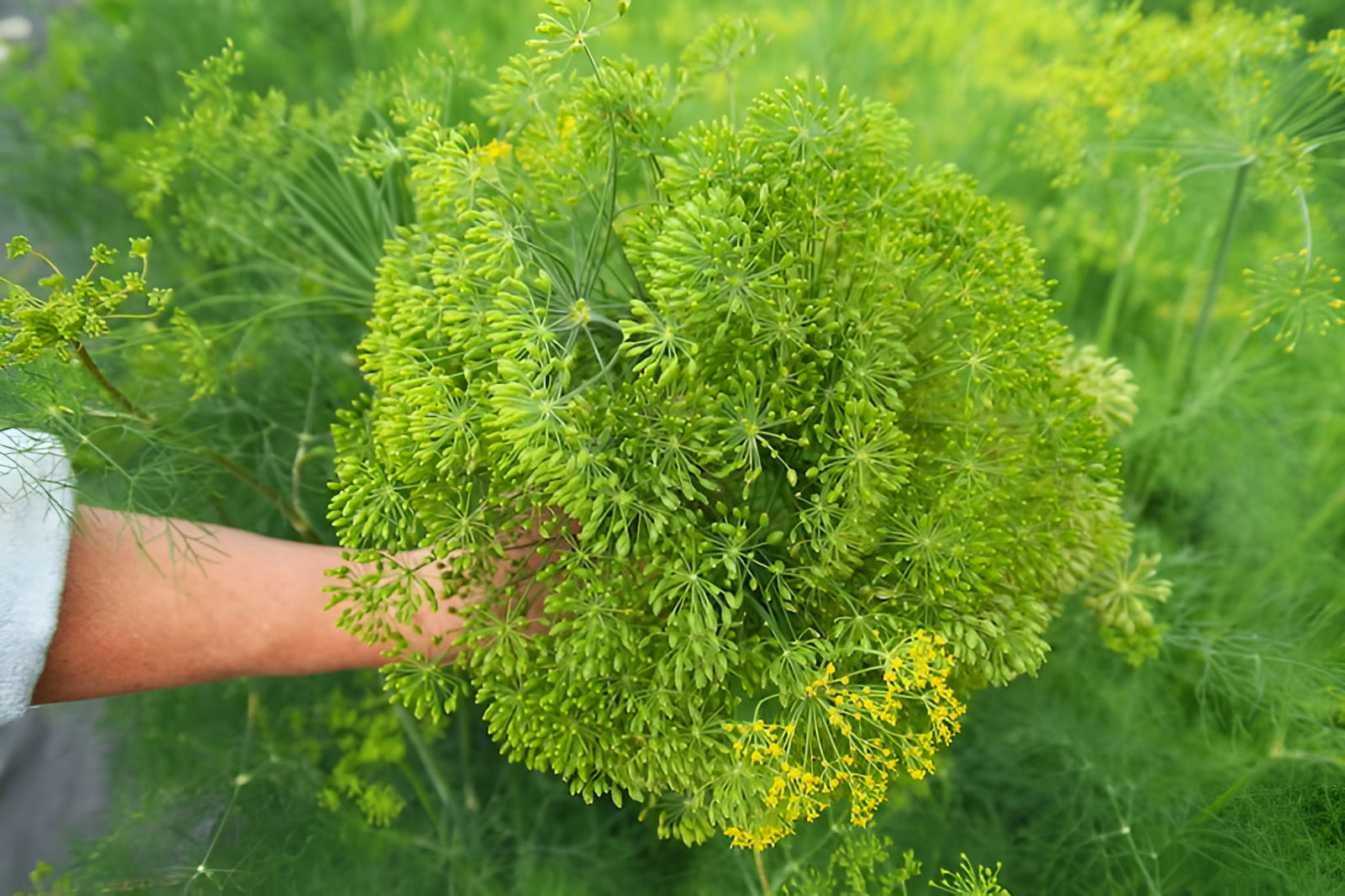
Cannabis, like any specialty crop, requires the right combination of light, genetics, soil, and nutrition to reach its full potential. Where it is legal to do so and within local regulations, small-scale cannabis or hemp cultivation can be integrated into a Crop Circle Farm as part of a diversified, high-value herb portfolio. The same design principles that benefit basil, lavender, and Echinacea—optimized sun exposure, efficient under-canopy irrigation, and living ground covers—also support healthy cannabis growth.
Growing cannabis in Archimedean spiral beds can improve airflow and light penetration around each plant. As the spiral widens from the center, spacing between loops increases, preventing plants from shading one another while still protecting them from strong winds. A dark, permeable ground cover suppresses weeds, protects soil structure, and acts as a gentle heat sink to moderate nighttime temperature swings.
In climates where it is appropriate and lawful to grow cannabis outdoors, a Crop Circle layout can support vigorous vegetative growth and robust branching, providing more sites for flower development. At the same time, water-efficient irrigation and careful nutrient management help reduce environmental impact and runoff compared with many traditional production systems.
Anyone considering cannabis or hemp production should review local laws, licensing requirements, zoning, and testing rules before planting. Many growers also choose to focus on industrial hemp, CBD-rich varieties, or fiber crops rather than high-THC types, depending on regional regulations and market demand. In all cases, the underlying design goal remains the same: produce healthy plants in a compact, efficient, regenerative system that uses far less water and fewer inputs than conventional agriculture.
Turn your 1-acre property into a high-yield, profitable farm.
Crop Circle Farms specializes in designing and building fully engineered, low-impact farm systems that use 90% less water, 85% less fertilizer, and deliver two to three times the yield of traditional farming.
Whether you have a vacant lot, an empty field, a resort, school, island community, or small family farm, we’ll build it from the ground up for you. Our team handles everything from farm layout and installation to irrigation, root systems, training, and first planting.
Contact Us to explore a custom Crop Circle Farm design for your property.
Help us expand our mission to revolutionize agriculture globally. We are seeking partners to implement Crop Circle Farms to feed people in need. Together, we can build scalable food production systems that save water, reduce costs, and feed thousands of people. Contact Growing To Give
Common annual herbs include basil, cilantro, and dill. Parsley is technically a short-lived biennial but is usually grown as an annual. Perennial herbs include rosemary, thyme, oregano, mint, chives, sage, and lemon balm. Always check cold-hardiness to be sure a perennial herb will survive winter in your growing zone.
Most Mediterranean herbs such as rosemary, thyme, oregano, and sage thrive in full sun with at least 6–8 hours of direct light per day. Tender leafy herbs like cilantro, mint, and some parsley varieties tolerate partial shade, especially in hot climates or during intense afternoon heat. In very hot regions, giving herbs morning sun and afternoon shade often produces better flavor and reduces stress.
Herbs prefer a well-drained soil rich in organic matter. Avoid heavy, compacted, or constantly wet soils that cause root rot. In raised beds, blend garden soil with quality compost. For containers, use a peat- or coco-based potting mix with added perlite or pumice for aeration. Aim for a soil pH of 6.0–7.0. Mediterranean herbs like rosemary and lavender prefer slightly lean, gritty mixes, while leafy herbs like basil enjoy a bit more fertility.
Keep moisture even but not waterlogged. Mediterranean herbs (rosemary, thyme, oregano, sage) like to dry slightly between waterings, while basil, cilantro, and parsley prefer more consistent moisture. Overwatering is a common mistake in containers. Feed lightly—too much nitrogen produces lush growth but dilutes essential oils and flavor. A monthly organic feed (such as compost tea, fish emulsion, or a balanced organic fertilizer) or mild fertigation is usually enough for most herb gardens.
Regular pruning encourages herbs to branch and become bushy. Pinch or cut soft tips just above a pair of leaves to stimulate side shoots. For basil, harvest by cutting above a node and avoid letting plants flower too early, which can make leaves bitter. For woody herbs like rosemary and thyme, prune lightly during active growth and avoid cutting deeply into old, woody stems, which may not sprout back.
Harvest in the cool morning once plants are established, ideally just before they flower, when essential oil levels peak. Use clean scissors or pruners and avoid stripping a plant bare—never remove more than one-third of the foliage at a time. Frequent, light harvests keep herbs producing tender new growth and maintain strong flavor throughout the season.
For drying, cut small bundles and air-dry them upside down in a shaded, well-ventilated area, or use a low-temperature dehydrator to preserve color and aroma. You can also freeze chopped herbs in oil or water using ice cube trays—perfect for soups and sautés. Store dried leaves whole in airtight jars away from light and heat, then crumble just before using to release maximum flavor.
Herbs are generally resilient but can still suffer from pests and diseases. Common issues include aphids, whiteflies, spider mites, and powdery mildew. Improve airflow, avoid overhead watering late in the day, and space plants to reduce humidity. If needed, use insecticidal soap or horticultural oils and always remove heavily infested or diseased foliage promptly. Keeping plants healthy with good soil and proper watering is the best long-term defense.
Yes, many herbs grow well indoors with sufficient light. Provide 12–16 hours per day of bright light from a south-facing window or full-spectrum LED grow lights, maintain even moisture, and ensure good airflow. Compact varieties such as basil, chives, thyme, oregano, and mint in its own pot are excellent choices. Use high-quality potting mix and containers with drainage holes to avoid waterlogging.
Yes—mint spreads aggressively via underground runners and can quickly invade nearby beds. To prevent mint from taking over, grow it in containers or in bottomless buried pots that confine the roots. Divide clumps every year or two to keep plants productive and under control. This way you still enjoy fresh mint for teas, desserts, and salads without sacrificing the rest of your herb garden.