Growing Flowers
How to Make a Pretty Profit
Key links: Biodiversity Hub • Pollinators • To Bee or Not To Bee • Microbial Fertilizers • Cover Crops • Sustainable Agriculture • Circular Agriculture • Urban Agriculture • Rooftop Agriculture.
Flower systems can deliver high value per square foot while supporting biodiversity and pollinators. Use this snapshot to guide crop selection and improve snippet extraction.
People have a deep fascination with growing flowers, planting more flowering plants than any other crop on the planet. This obsession, studied by researchers for years, is not only about visual appeal. Flowers engage all our senses: color, fragrance, texture, and even taste. They stimulate desire, spark appreciation for beauty, and for many people have a calming, restorative effect on both mind and body. A simple bouquet on the table can lower stress, brighten a room, and make meals feel more celebratory.
The ubiquity of flowers is evident as they can be found growing everywhere—formal gardens, front yards, balcony planters, rooftop beds, window boxes, rain gutters, parks, schoolyards, empty city lots, repurposed wheelbarrows, cut-in-half oak barrels, and countless pots and planters. Whether it’s a small urban balcony or a multi-acre flower farm, flower gardening is one of the easiest ways to bring beauty, biodiversity, and even food and medicine into our daily lives.
Many flowers are more than just beautiful; they are also delicious, nutrient-dense, and surprisingly versatile in the kitchen. Chamomile, Borage, Nasturtium, Calendula, Pansies, Violets, Hollyhocks, Sunflowers, Lavender, Squash blossoms, and even herb flowers like basil and chives can all be used as edible flowers. These blooms add color, subtle flavor, and gourmet appeal to salads, desserts, drinks, and main dishes.
Edible flowers can be grown in raised beds, in-ground gardens, or container systems such as rooftop planters and patio pots. For market growers, integrating edible flowers as border plantings around vegetables is an easy, high-value add-on. Squash blossoms, for instance, can be fried, stuffed with cheese, scattered over pasta, or used as the main ingredient in a richly flavored squash blossom soup. Chamomile flowers can be dried for a calming herbal tea, turned into jellies, or infused into sorbets and ice cream. Nasturtium leaves and flowers offer a peppery kick similar to watercress, while Calendula petals act as a “poor person’s saffron,” coloring rice and soups.
For best results when growing edible flowers, focus on:
Many medicinal flowers are edible and used in teas, infusions, cordials, and tinctures, but others—especially some tropical species—are harmful when ingested. It’s critical to identify plants correctly and understand which parts are safe for culinary use and which are reserved for carefully prepared herbal medicine.
Angelica, a member of the parsley family, has been used for millennia to alleviate heartburn, joint pain, and headaches. Before modern pharmaceuticals, Bee Balm (Monarda) served as an antiseptic for treating open wounds on medieval European battlefields. The whole Black-Eyed Susan plant can be transformed into a tincture, reportedly stronger than Echinacea, to help reduce inflammation and eliminate parasitic worms. Other classic medicinal flowers include:
When growing medicinal flowers, think beyond the garden bed. Drying, storing, and processing the harvest safely is essential for quality and potency. Outbuildings, shade tunnels, or well-ventilated barns can be adapted into drying spaces for herbal production, and small on-farm apothecaries can create teas, balms, bath products, and tinctures that command premium prices at farmers markets and online.
A host of flowers are used in the pharmaceutical, nutraceutical, and wellness industries for their medicinal properties. These high-value crops can be extremely profitable for specialized flower farms that are willing to grow to specification, meet purity standards, and document growing practices. Cultivated flowers for these markets include Calendula, Chamomile, Echinacea, Lavender, Passionflower, St. John’s Wort, Yarrow, Hawthorn, and Elderberry—each used in teas, capsules, extracts, or topical formulas to support everything from skin health to immune function, mood, and sleep.
For growers, partnering with herbal product companies, supplement makers, or local herbalists can turn a simple patch of flowers into contracted production. Traceability, sustainable growing practices, and consistent quality are key selling points—areas where a Crop Circle Flower Farm can stand out with precise, water-smart irrigation and targeted nutrition.
| Factor | Imported Industrial Flowers | Local / Regional Flower Farms |
|---|---|---|
| Travel distance | Long (air freight + cold chain) | Short (local distribution) |
| Freshness | Reduced | Maximum harvest-to-vase |
| Chemical exposure | Often higher | IPM / organic options |
| Carbon impact | Higher | Lower potential |
| Farmer margin | Lower | Higher (direct + regional) |
Pollinator-first design: visit Pollinators and To Bee or Not To Bee, or explore the Biodiversity Hub.
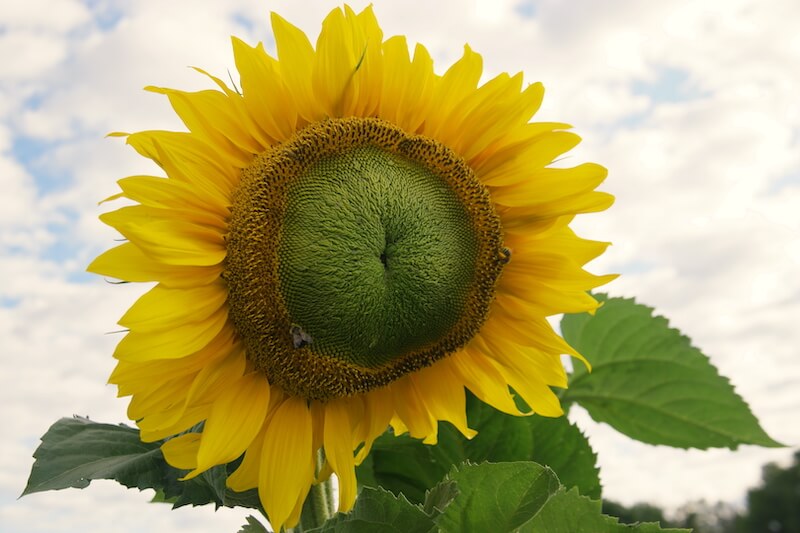
Flower cultivation is about more than color and fragrance. Thoughtfully designed flower gardens and flower farms deliver multiple environmental benefits: providing habitat for pollinators, improving air quality, reducing soil erosion, enhancing biodiversity, beautifying communities, sheltering understory plants, and acting as living carbon sinks.
In short, growing flowers is one of the most accessible ways individuals, schools, and communities can support pollinators, protect soil and water, and create healthier, more resilient landscapes.
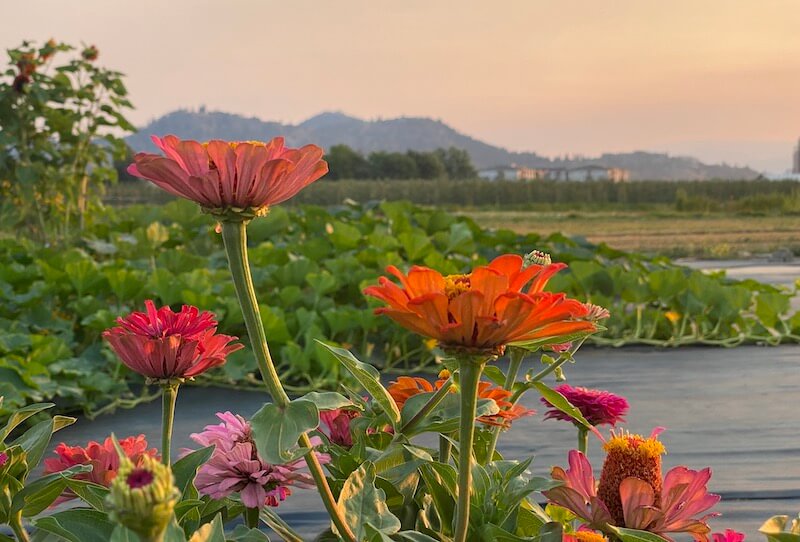
The profitability of flower cultivation has turned flowers into a powerful cash crop for growers. With the potential to earn tens of thousands of dollars per acre, more farmers are transitioning at least part of their land into cut flower production. High-value stems for weddings, events, florists, grocery chains, and U-pick customers can generate strong income on a relatively small footprint—especially when combined with season extension tunnels and succession planting.
Some of the most profitable flowers to grow for cut flower production include:
Other profitable cut flowers include Chrysanthemums, Daisies, Snapdragons, Gladiolus, Dahlias, Zinnias, Lisianthus, and many more. Diversifying varieties and staggering plantings throughout the season helps keep an attractive, marketable offering from early spring through late fall.
Although a majority of cut flowers in the United States and Canada are imported, more local growers are stepping in to supply fresher, more sustainable blooms. U-pick flower farms and bouquet CSA subscriptions are becoming increasingly popular, giving consumers a wide variety of seasonal choices and guaranteeing fresher, longer-lasting stems.
Some of the most beloved cut flower varieties for local flower farms are Lilies, Carnations, Delphinium, Gladiolus, Asters, Black-Eyed Susan, Cosmos, Daffodils, Dahlias, Peonies, Zinnias, Scabiosa, Azaleas, Begonias, Chrysanthemums, Daisies, Freesia, Foxglove, Tulips, Gerberas, Lilacs, and of course, Roses. Thoughtful bed layout, drip irrigation, and targeted nutrition programs help produce long stems, strong colors, and extended vase life— qualities that keep florists, designers, and households coming back.
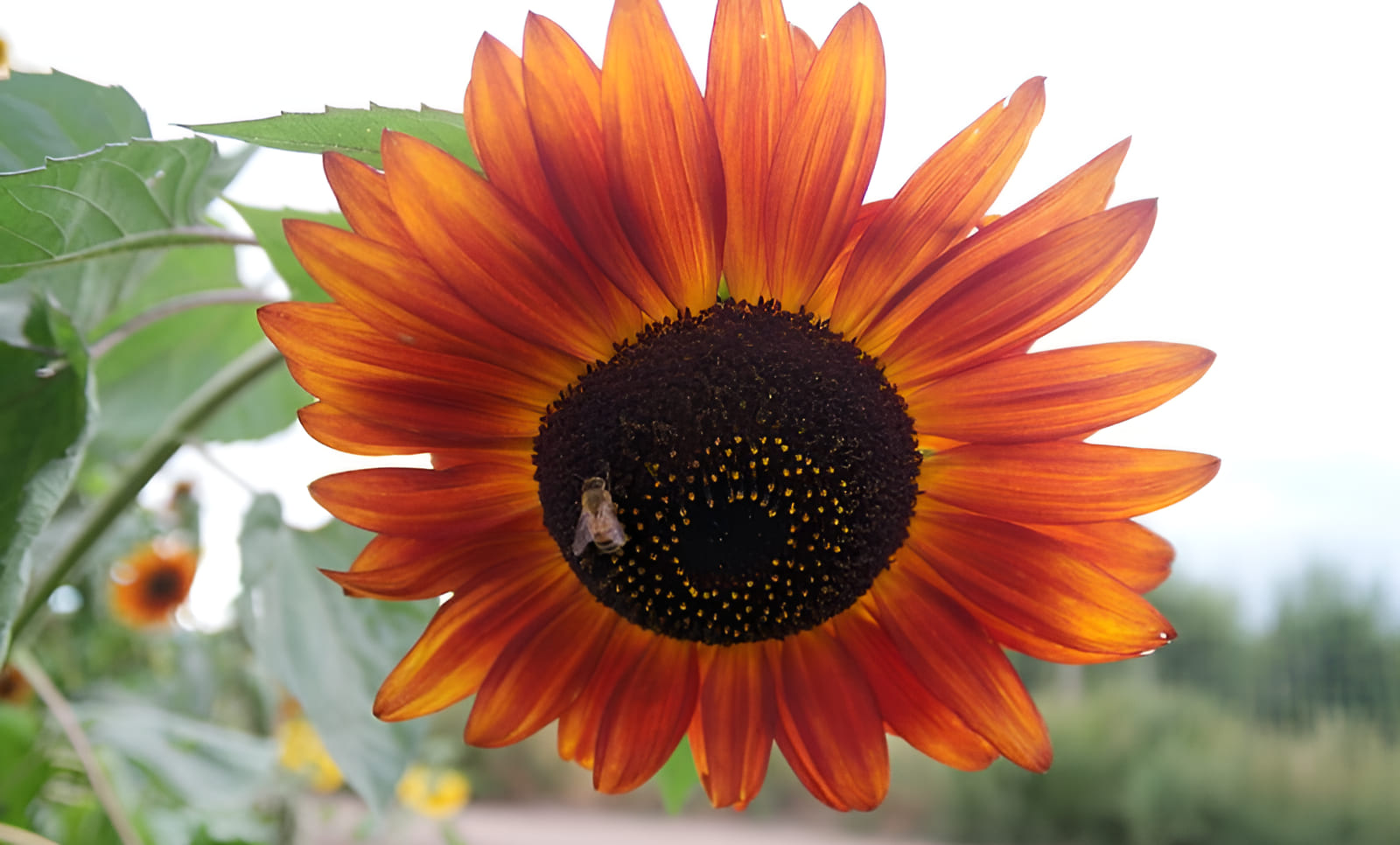
Flower farms, which focus on commercial flower cultivation, make a substantial contribution to the global economy and local communities. They range from small-scale holdings that sell mixed bouquets at farmers markets, to mid-scale operations serving regional florists, all the way up to large farms supplying wholesalers and national retailers. Despite challenges like climate change, pests, diseases, market fluctuations, and shifting consumer preferences, sustainable and innovative farming practices keep the industry resilient and growing.
Today’s most successful flower farms embrace water-smart irrigation, regenerative soil practices, and integrated pest management. By focusing on quality, story, and sustainability, they differentiate themselves from imported flowers that often travel thousands of miles and are treated with heavy chemical preservatives.
Crop Circle Flower Farms are particularly productive thanks to their innovative use of geometric planting patterns, which enhance light penetration, airflow, and plant health. A unique, patented irrigation system delivers precise amounts of water and nutrients directly to the roots of the plants. Each irrigator allows tight clusters of flowers to grow, while the spacing between irrigators provides room for stems and heads to expand without crowding.
This targeted, “root-first” strategy encourages plants to grow vertically in large numbers, ready for efficient harvest. The irrigators are removed only to replenish the nutrient solution, then reinstalled, minimizing disturbance to soil structure. Flowers grown on Crop Circle Farms are robust and vigorous, producing taller stems and large, vibrantly colored heads that command premium prices in the marketplace.
Incorporating a Crop Circle Market Garden alongside a larger field system allows growers to experiment with new varieties and serve both wholesale and direct-to-consumer markets. A single 40-foot Crop Circle Market Garden can produce approximately 6,000 cut flowers, making it a powerful demonstration of high-yield, small-footprint, water-efficient design.
Turn your property into a resource-efficient, high-production farm.
Crop Circle Farms designs and builds resource-efficient agricultural systems tailored to site conditions, crops, water availability, and production goals. Our field-tested systems have demonstrated up to 90% lower water use, up to 85% lower fertilizer requirements, and two to three times the production with selected crops and configurations compared with conventional layouts.
Contact Us to explore a custom Crop Circle Farm design for your property.
Help expand our mission to implement proven farm and garden models in food-insecure communities, island communities, schools, and water-stressed regions. Growing To Give works with partners to develop practical, resource-efficient food production systems designed around local needs, available land, water resources, and community participation.
Contact Growing To Give to learn about supporting smallholder farms, school growing projects, community food-production systems, and related Growing To Give initiatives.
A: Sunflowers, zinnias, calendula, cosmos, and marigolds are reliable in most climates. They germinate quickly, shrug off heat once established, and offer long blooming windows for continuous color and steady cut stems. Many can be direct-sown, making them ideal starter flowers for a new cutting garden.
A: Aim for loose, fertile soil with plenty of organic matter. Work in compost, remove large stones, and level the bed so irrigation is even. For water-smart flower production, pair drip irrigation with mulch to maintain consistent moisture, suppress weeds, and reduce foliar disease caused by wet leaves and overhead watering.
A: For quick crops like zinnias and sunflowers, sow small blocks every 2–3 weeks through the season instead of planting everything at once. Mix early and late varieties to widen the harvest window. Keep a simple calendar or bed map that tracks sow dates, expected bloom windows, and harvest notes so you can refine your succession plan each year.
A: Drip lines or drip tape are ideal for cut flowers because they deliver water directly to the root zone while keeping foliage dry. This reduces foliar disease pressure and saves water compared with sprinklers. Use a timer for consistent scheduling, then add mulch to stabilize soil moisture and help plants ride out heat waves with less stress.
A: Use an integrated pest management (IPM) approach. Scout beds regularly, protect young plants with row covers, and use sticky traps or hand-picking where practical. When controls are needed, choose selective products and apply at dusk or early evening when bees and other pollinators are inactive. Companion plantings and diverse bloom strips help attract beneficial insects that keep pests in balance.
A: Harvest in the cool of the morning at the correct stage for each flower (for example, one-third open for many cuts). Strip any leaves that would sit below the water line, recut stems under clean water, and place them immediately into sanitized buckets with fresh water and a floral preservative or simple sugar/acid solution. Hydrate bouquets in a cool, shaded space before arranging or selling for the best vase life.
Flower production connects closely with pollinator habitat, biodiversity, crop selection, and ecological garden design. Explore these related Crop Circle Farms guides to learn how flowering plants can support productive farms, gardens, and healthy ecosystems.
Learn how bees, butterflies, moths, birds, and other pollinators support flowering plants, food production, biodiversity, and resilient ecosystems.
Explore how plant diversity, habitat, soil biology, pollinators, and ecological farming practices work together in productive landscapes.
Discover how to grow sunflowers for cut flowers, seeds, pollinator habitat, visual impact, and productive farm or garden systems.
Explore the relationship between bees, flowering plants, agriculture, habitat diversity, and the pollination systems that support food production.
Diverse flowering systems can provide marketable crops while also supporting pollinators, beneficial insects, habitat diversity, and seasonal ecosystem resources.