Rotational Chicken Grazing
Regenerative Chicken Farming
Rotational grazing chickens is one of the most powerful yet underutilized regenerative agriculture practices available to small farms, homesteads, and even larger commercial operations. When managed properly, chickens become more than egg or meat producers — they become mobile fertility engines, pest managers, pasture renovators, and carbon-building partners.
Unlike continuous free-range systems, rotational grazing intentionally moves chickens across defined paddocks on a schedule that allows pasture to rest and recover. This structured approach protects soil health, reduces parasite pressure, improves forage productivity, and enhances nutrient cycling.
In an era of soil degradation, rising feed costs, and climate instability, rotational grazing offers a practical pathway toward resilient food production.
Rotational grazing chickens is a management system where birds are moved through multiple pasture paddocks in a planned sequence. Each paddock is grazed briefly, then rested long enough for vegetation and soil biology to recover.
The core principles are simple:
This differs significantly from:
The difference lies in control — control of stocking density, timing, and recovery.
Rotational grazing delivers benefits across multiple dimensions:
Chickens deposit nitrogen-rich manure evenly across pasture rather than concentrating it in one location. When managed correctly, this improves:
Moving birds frequently interrupts parasite life cycles such as coccidiosis and intestinal worms. Rest periods prevent reinfection.
Chickens:
This stimulates pasture regrowth when grazing periods are short.
Pasture provides:
While chickens still require balanced feed, forage can reduce total grain consumption by 5–20% depending on system design.
Rotational grazing allows birds to:
Healthier birds often mean better productivity.
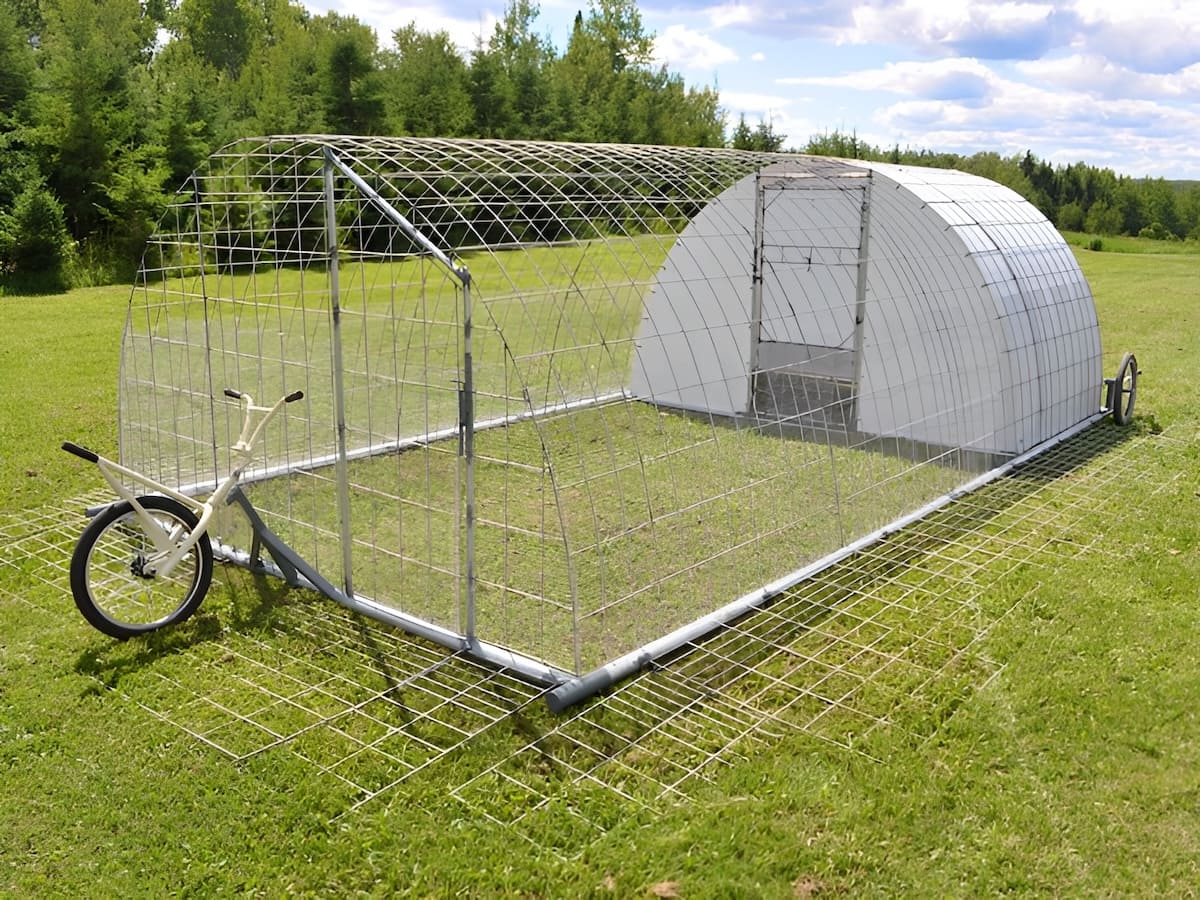
Pasture is divided using:
The goal is flexibility. Paddocks can be resized seasonally.
Density varies by bird type and pasture condition.
Typical starting points:
These numbers are only guidelines. Forage availability, climate, and rainfall matter.
Ideal move schedule:
Signs birds need moving:
Rest periods are critical.
Typical rest range:
Longer during drought or cold weather
Chicken manure is nutrient-dense:
When evenly distributed through rotation:
However, mismanagement can cause:
Balance is everything.
| Factor | Static Chickens | Rotational Grazing |
|---|---|---|
| Grass Health | Declines over time | Improves |
| Manure Distribution | Concentrated | Evenly spread |
| Parasite Risk | High | Reduced |
| Soil Carbon | Minimal gain | Increases |
| Odor | Localized | Distributed |
| Feed Dependency | Higher | Slightly lower |
Rotational design differs between laying hens and meat birds.
Layers require thoughtful shade and nesting management.
Broilers are intense soil impactors but short duration makes recovery manageable.
Rotational grazing is one of the most effective parasite control strategies.
Benefits include:
However, rotation must be consistent. Delays in movement can negate benefits.
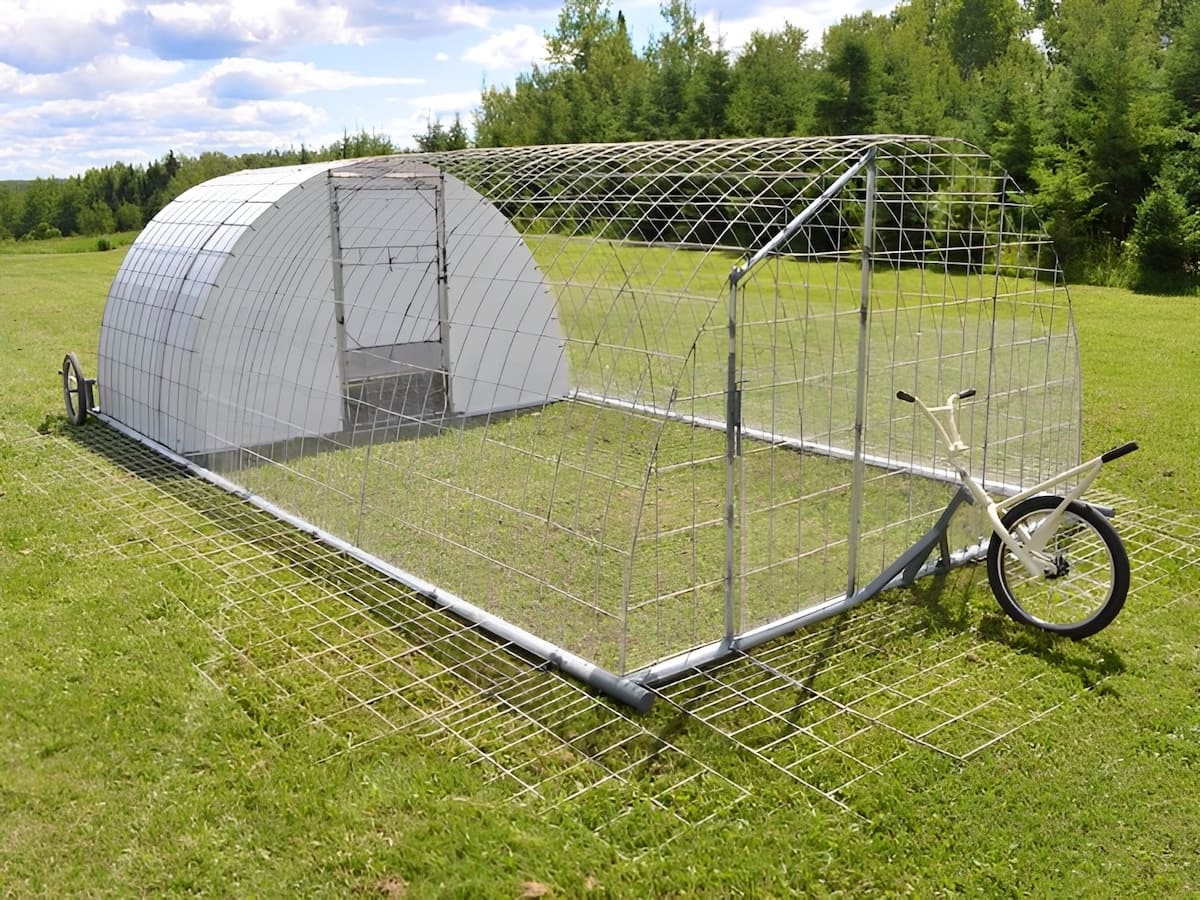
Predators are the primary risk in pasture systems.
Common solutions:
Fence voltage must remain strong. Low voltage invites losses.
Basic system components:
Advanced systems may include:
Simplicity often works best.
Major cost categories:
Potential savings:
Eggs from rotational systems often command higher market prices due to:
Profitability depends heavily on scale and local market demand.
Season strongly influences system design.
Adaptive management is key.
Chickens excel when integrated into multi-species grazing systems.
Following larger livestock such as cattle or sheep allows chickens to:
This stacking of biological functions increases whole-farm efficiency.
Well-managed pasture systems increase:
By replacing synthetic fertilizers and improving soil biology, rotational grazing contributes to climate resilience.
Claims must remain realistic — but measurable soil improvement is achievable.
Rotational systems require management discipline.
Step-by-step outline:
This small system allows testing before scaling.
Many confuse the two.
Chicken tractors:
Rotational paddocks:
Both have value depending on context.
Rotational grazing chickens represents a scalable, regenerative method for producing eggs and meat while rebuilding soil health. It transforms poultry from concentrated nutrient generators into distributed fertility partners.
When designed thoughtfully — with attention to stocking density, move frequency, rest periods, and predator protection — rotational grazing creates:
In an agricultural landscape increasingly pressured by climate change and rising input costs, rotational grazing chickens offers a low-tech, biologically intelligent solution.
The practice is not merely about moving birds. It is about restoring ecological cycles — one paddock at a time.