Growing Lettuce
Farms, Gardens, and Containers
Lettuce is one of the fastest, most forgiving crops you can grow—perfect for backyard beds, containers, and high-efficiency market gardens. The key to consistently tender leaves is matching variety type to season (looseleaf, butterhead, romaine, batavia/summercrisp), keeping moisture steady, and managing heat so plants don’t bolt or turn bitter.
In cool weather, direct sowing every 1–2 weeks creates a dependable “cut-and-come-again” harvest. In warm spells, afternoon shade, cool root zones, and frequent light irrigation help protect texture and flavor. With the right spacing, you can grow baby leaf densely for quick yields or widen spacing for full heads and better airflow.
This guide covers smart lettuce spacing, bolting prevention, soil and nutrient basics, container and urban-farm tips, and how Crop Circle layouts can improve yield while using less water and fertilizer.
Spiraling circles, a recently developed and patented lettuce growth technique by Crop Circle Farms, significantly enhances yield while conserving vital resources like soil and water. Space-efficient spiraling circles are ideal for urban farms which typically cultivate crops within city confines, where the farmable space seldom surpasses an acre.
In contrast, the conventional way of cultivating lettuce in rows demands substantially more land than usually allocated for an urban farm, ranging from a couple to hundreds of acres based on the lettuce variety and market demand. Cultivation in rows consumes 90% more water and fertilizer compared to the spiraling circle approach, and requires fossil fuel-driven machinery like tractors, trucks, and irrigation systems for tilling, fertilization, seeding, and harvesting. Such practices have been shown to adversely impact the environment over time.
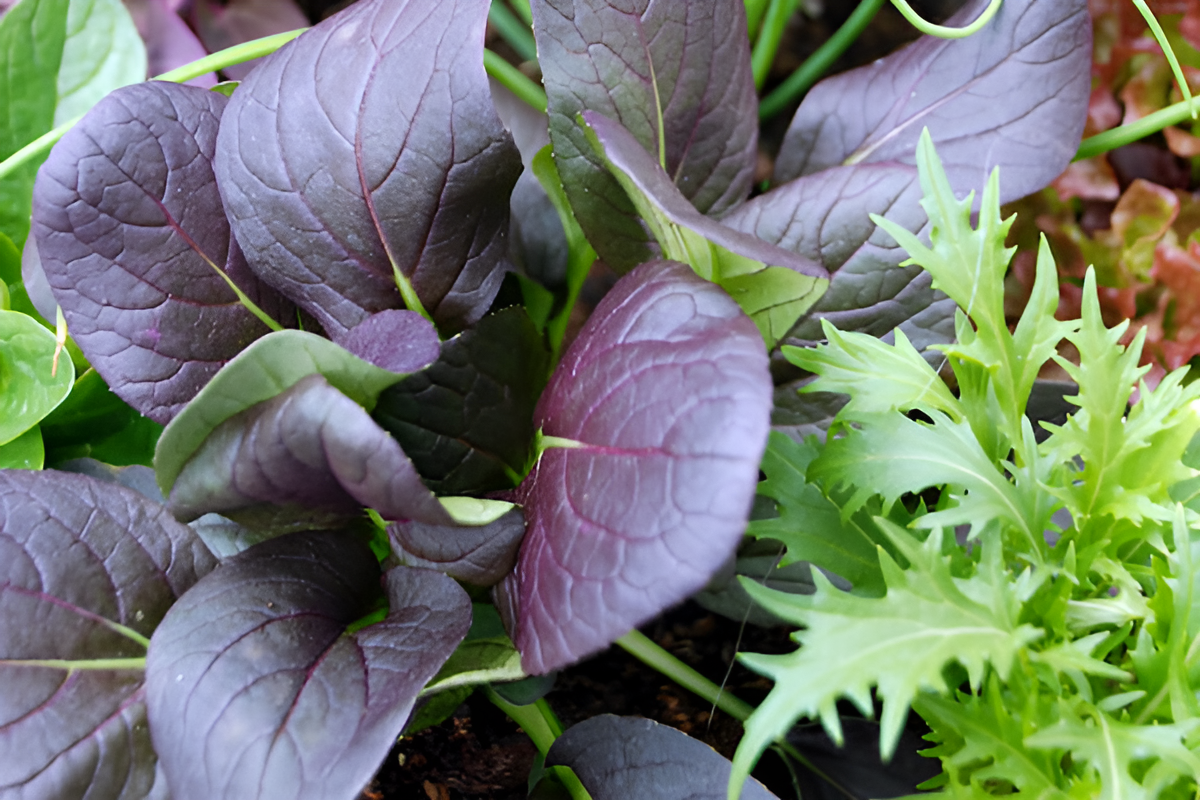
Lettuce, a favored crop for urban farming, is relatively simple to grow and doesn't demand much space. Here are some helpful tips for urban farm lettuce planting:
Adhering to these guidelines can ensure successful lettuce cultivation on an urban farm. Lettuce is an excellent choice for urban farming due to its easy cultivation, minimal space requirement, and continuous harvesting potential.
Conservation agriculture often improves margins by reducing inputs while stabilizing yields. Use these tools to estimate production, spacing, and efficiency gains.
Estimate yield per crop or planting unit.
Plan rows, spacing and total harvest.
Tip:Open pruning and mildew-resistant varieties improve fruit quality and usable yield.
There are six primary types of lettuce to consider: butterhead, crisphead, romaine, loose-leaf, Batavia, and summercrisp. Each variety has unique characteristics in terms of texture, taste, and growing requirements, and the choice will depend on climate, season duration, soil, daily sunlight hours, and irrigation needs.
Butterhead Lettuce
Crisphead Lettuce
Romaine Lettuce
Loose-Leaf Lettuce
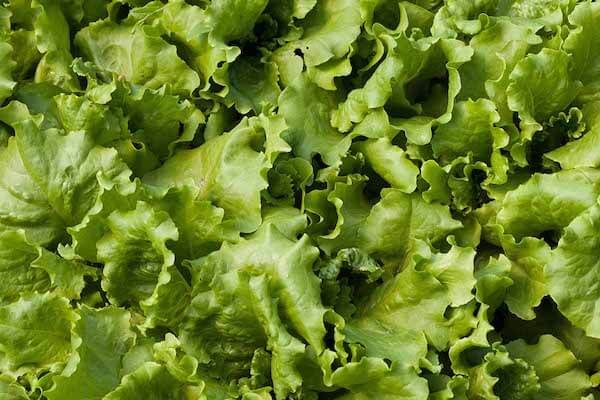
Lettuce seeds are simple to cultivate, collect, and store. Below are some tips for each stage of the process:
Cultivating Lettuce Seeds
Collecting Lettuce Seeds
Storing Lettuce Seeds
Growing lettuce in containers is a fantastic way to enjoy fresh, homegrown lettuce, even with limited outdoor space. Here's how to grow lettuce in garden containers:
Growing lettuce in garden containers is an easy and fulfilling way to enjoy fresh, homegrown lettuce. With the right container, soil, fertilizer, and care, you can enjoy delicious lettuce from your own container garden.
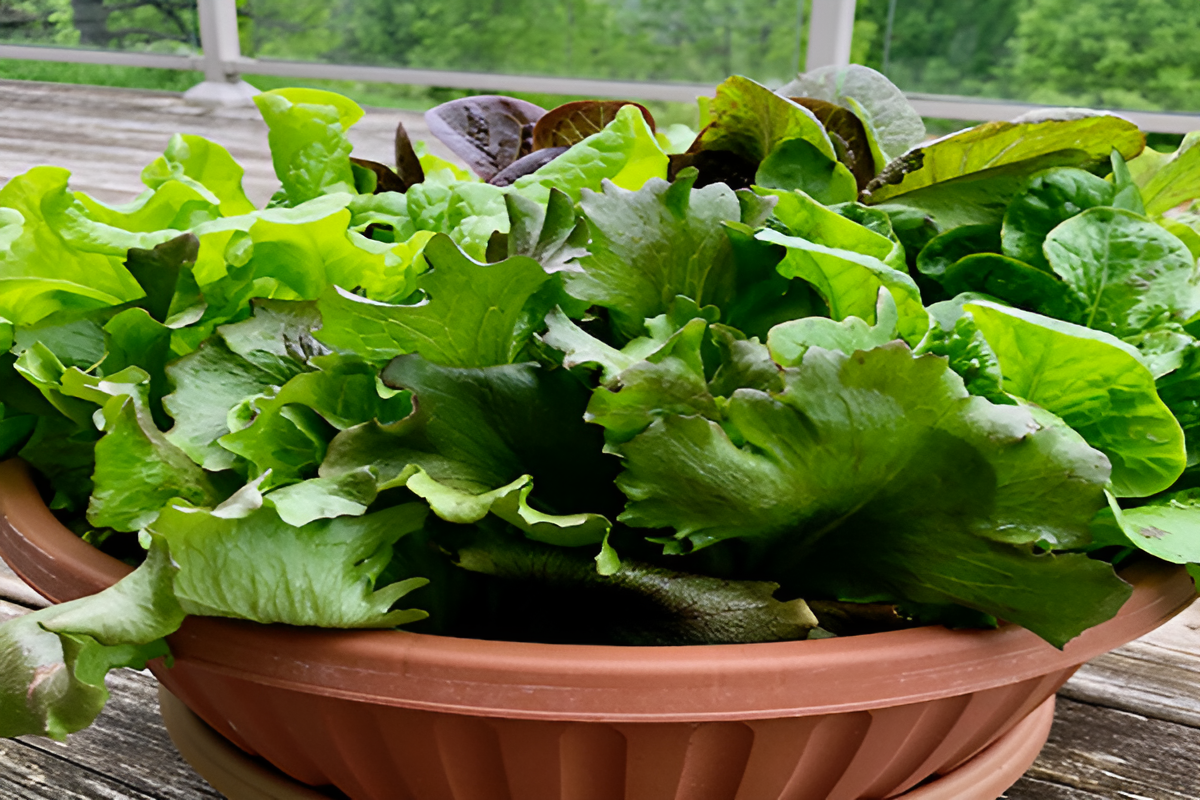
There is a multitude of lettuce types that you can consider planting, each offering a unique blend of flavor and texture. The following are some of the prime lettuce varieties perfect for home gardening:
While deciding which lettuce variety to grow in your garden, factors like sunlight exposure and average temperature should be taken into account. Some varieties thrive in cooler conditions, whereas others can withstand warmer temperatures. Experiment with different types to discover those that flourish best in your garden and align with your personal taste preferences.
If you are new to lettuce cultivation, here are some pointers to get you off on the right foot:
Lettuce can be produced through various methods - organic, hydroponic, and Optimal Varieties of Lettuce for Home Gardening.
Organic lettuce is cultivated without synthetic pesticides or fertilizers. Traditional methods, such as crop rotation and composting, are typically used, and emphasis is placed on soil health. This type of lettuce is generally grown in outdoor fields or greenhouses and requires more labor and time than the other methods. However, many people prefer organic lettuce due to its environmentally friendly cultivation process and perceived health benefits.
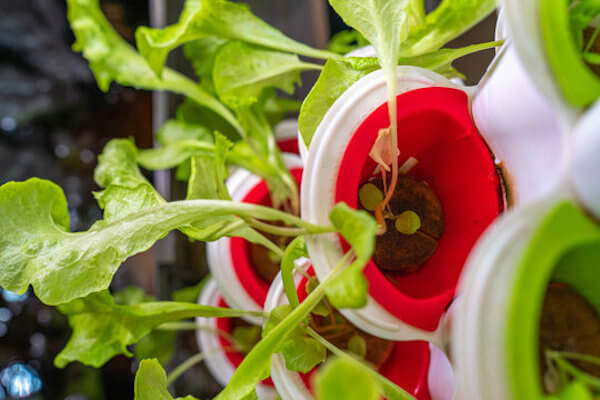
Hydroponic lettuce is grown in nutrient-rich water rather than soil. This method allows for year-round cultivation in controlled environments like greenhouses, making it less susceptible to weather fluctuations and pests. Hydroponic systems also use less water than traditional field growing. On the downside, setting up a hydroponic system can be costly, and the lettuce may lack the taste complexity that comes from soil-grown plants.
Field-grown lettuce is the traditional method, where lettuce is grown in soil in outdoor fields. This method takes advantage of natural sunlight and rainfall, making it cost-effective on a large scale. However, it is more vulnerable to weather changes, pests, and diseases. Also, field-grown lettuce generally requires more water and may contain more pesticide residues than the other two methods, unless organic practices are used.
Regardless of the method you choose for growing lettuce, each has its benefits and challenges. The best method depends on your specific situation, resources, and personal preferences.
Lettuce is low in calories and high in water content. While it is a good source of certain vitamins and minerals, it is also relatively low in other nutrients compared to other vegetables like kale and spinach.
Nutritional Differences Between Types of Lettuce
All lettuce types share common traits such as being low in calories and having a high-water content, but certain nutritional characteristics can vary:
Understanding the different types of lettuce and their specific growth requirements can help you successfully grow lettuce on your farm or in a garden.
Common lettuce types include looseleaf, romaine, butterhead, Batavia, crisphead, and oakleaf varieties. Looseleaf types are often harvested repeatedly as individual leaves, while romaine and butterhead are generally grown for larger heads. Variety choice should reflect climate, harvest method, available space, and intended use.
Lettuce is a cool-season crop that generally performs best in mild temperatures. Extended heat can reduce leaf quality and encourage bolting, while very cold conditions can slow growth. Planting dates, shade, irrigation, and heat-tolerant varieties can help extend the growing season.
Spacing depends on the lettuce type and harvest stage. Baby-leaf and cut-and-come-again crops can be planted relatively close together, while full-size romaine, butterhead, Batavia, and crisphead plants need more room for leaf and head development. Wider spacing can also improve airflow and make harvesting easier.
Lettuce grows best with consistent soil moisture because its relatively shallow root system can dry quickly. Water when the upper soil begins to dry rather than allowing repeated cycles of severe drying and saturation. Drip irrigation and mulch can help maintain even moisture while keeping foliage drier.
Bolting occurs when lettuce shifts from leaf production toward flowering and seed production. Warm temperatures, long days, plant maturity, and environmental stress can contribute to this transition. Once bolting begins, leaves often become more bitter and less desirable for harvest.
Grow heat-tolerant varieties, plant during cooler parts of the season, maintain consistent moisture, and use afternoon shade or shade cloth where appropriate. Succession planting also allows growers to harvest younger plants before prolonged heat causes a large portion of the crop to bolt.
Yes. Lettuce is well suited to containers because many varieties have compact growth habits and relatively shallow roots. Use a container with adequate drainage and enough surface area for the selected variety, and keep the growing medium evenly moist without leaving it waterlogged.
Yes. Lettuce is one of the most widely grown hydroponic crops because it grows quickly and performs well in controlled root-zone environments. Successful hydroponic production depends on balanced nutrients, suitable water quality, oxygen around the roots, appropriate temperature, and adequate light.
Common lettuce pests can include aphids, slugs, snails, cutworms, and leaf-feeding insects. Disease problems vary with climate and production system but can include downy mildew, bottom rot, damping-off, and other fungal or bacterial problems. Good airflow, sanitation, appropriate irrigation, crop rotation, and regular monitoring can reduce risk.
Looseleaf lettuce can be harvested by removing mature outer leaves while allowing the center to continue growing. Baby-leaf plantings may be cut above the growing point for possible regrowth, while head-forming types are usually harvested once they reach the desired size and quality. Harvesting during cooler parts of the day can help preserve crispness.
Turn your 1 acre into a high-yield, profitable farm.
Crop Circle Farms specializes in designing and building fully engineered, low-impact farm systems that use 90% less water, 85% less fertilizer, and deliver two to three times the yield of traditional farming.
Whether you have a vacant lot, an empty field, a resort, school, island community, or small family farm, we’ll build it from the ground up for you. Our team handles everything from farm layout and installation to irrigation, root systems, training, and first planting.
Contact Us to explore a custom Crop Circle Farm design for your property.
Help us expand our mission to revolutionize agriculture globally. We are seeking partners to implement Crop Circle Farms to feed people in need. Together, we can build scalable food production systems that save water, reduce costs, and feed thousands of people. Contact Growing To Give