Fossil Fuels
From Combustion to Contamination
Coal is a carbon-rich fossil fuel formed primarily from ancient plant material that accumulated in wetlands and was gradually transformed by heat and pressure over millions of years. Coal has played a major role in industrialization and electricity generation, but extracting and burning it can create significant environmental and public-health impacts.
Surface and underground coal mining can disturb soils, remove vegetation, alter landscapes, fragment wildlife habitat, and affect surface water and groundwater. Mine drainage can carry sediment, acidity, dissolved metals, and other contaminants into surrounding waterways when sites are not effectively managed and restored.
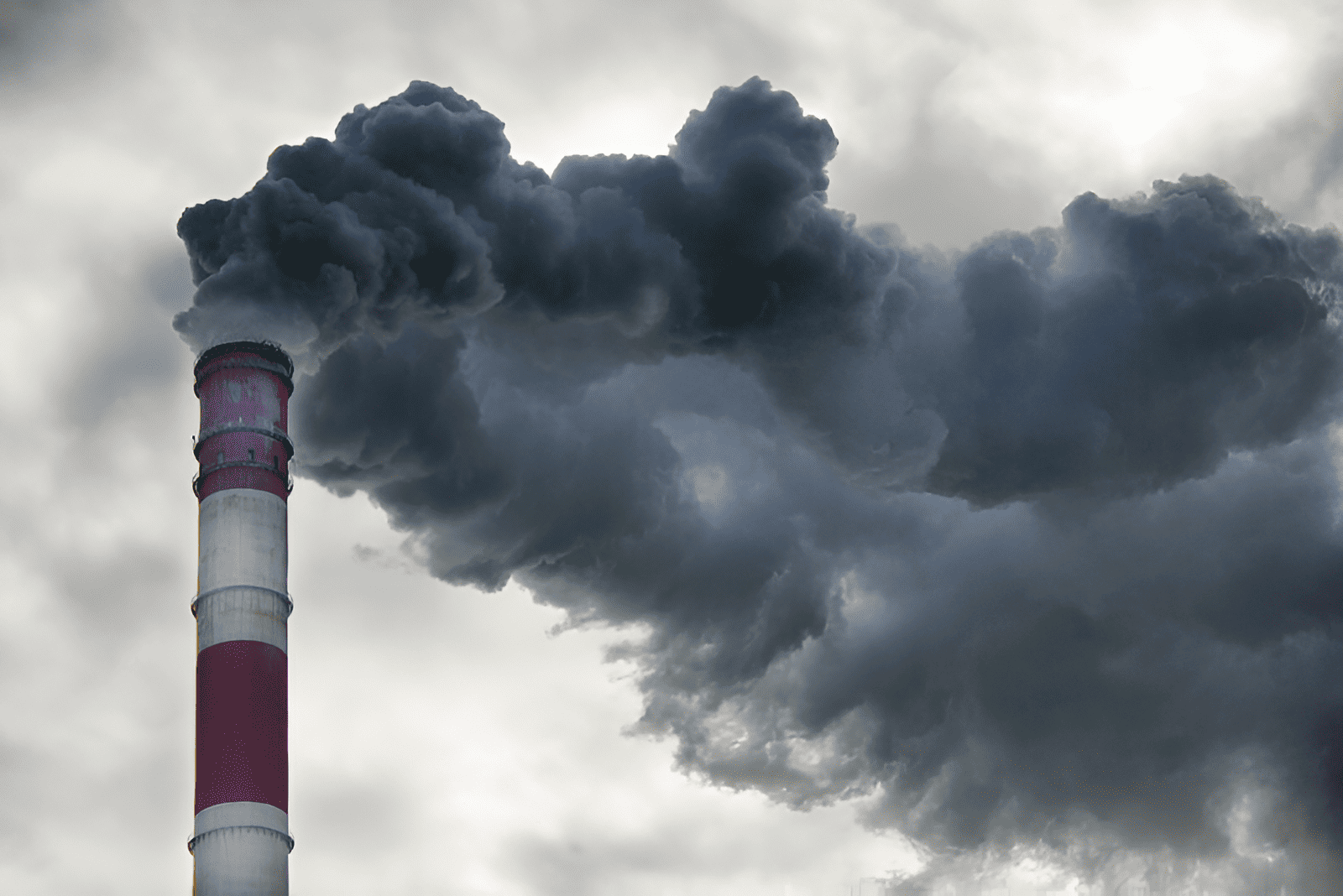
Burning coal releases substantial quantities of carbon dioxide along with pollutants that can include sulfur dioxide, nitrogen oxides, particulate matter, and mercury. Carbon dioxide contributes to climate change, while sulfur and nitrogen compounds contribute to air pollution and can play a role in the formation of acid deposition and fine particulate pollution.
Modern pollution-control equipment can substantially reduce some pollutants from coal-fired power plants, but it does not eliminate the carbon dioxide produced by combustion. This is one reason many energy systems are increasingly combining efficiency improvements with lower-emission electricity sources, energy storage, electrification, and other strategies intended to reduce dependence on high-carbon fuels.
Oil, or petroleum, is deeply integrated into modern economies. Refined petroleum products power cars, trucks, ships, aircraft, construction equipment, agricultural machinery, and industrial processes. Petroleum is also used as a raw material in plastics, chemicals, lubricants, asphalt, synthetic materials, and numerous consumer products.
Its environmental footprint begins before the fuel is burned. Exploration, drilling, extraction, pipelines, shipping, refining, storage, and distribution can all affect land, water, air quality, and ecosystems. Oil spills can be particularly damaging because petroleum can contaminate shorelines, wetlands, soils, rivers, and marine environments and can directly harm birds, fish, mammals, and other wildlife.
Refining crude oil requires substantial energy and can produce greenhouse gases and conventional air pollutants. When gasoline, diesel, jet fuel, heating oil, and other petroleum products are eventually burned, their carbon is released largely as carbon dioxide. Vehicle and equipment exhaust can also contain nitrogen oxides, particulate matter, carbon monoxide, and other pollutants, with the exact emissions depending on fuel composition, engine technology, operating conditions, and emission-control systems.
Agriculture remains closely connected to petroleum because tractors, combines, trucks, pumps, and other equipment have historically relied heavily on liquid fuels. Our Mechanized Agriculture guide looks more closely at how farming is combining conventional machinery with GPS guidance, precision application, electrification, robotics, and practices designed to reduce unnecessary field operations.
Natural gas is composed primarily of methane. When burned in efficient equipment, it generally produces less carbon dioxide per unit of useful energy than coal and can also produce lower emissions of some conventional air pollutants. For this reason, natural gas has often been described as a lower-carbon fossil fuel when compared with coal.
That description, however, does not mean natural gas is environmentally neutral. Methane itself is a powerful greenhouse gas, and releases can occur during production, processing, transmission, storage, and distribution. The total climate impact of natural gas therefore depends not only on carbon dioxide released during combustion but also on how effectively methane emissions are controlled throughout the supply chain.
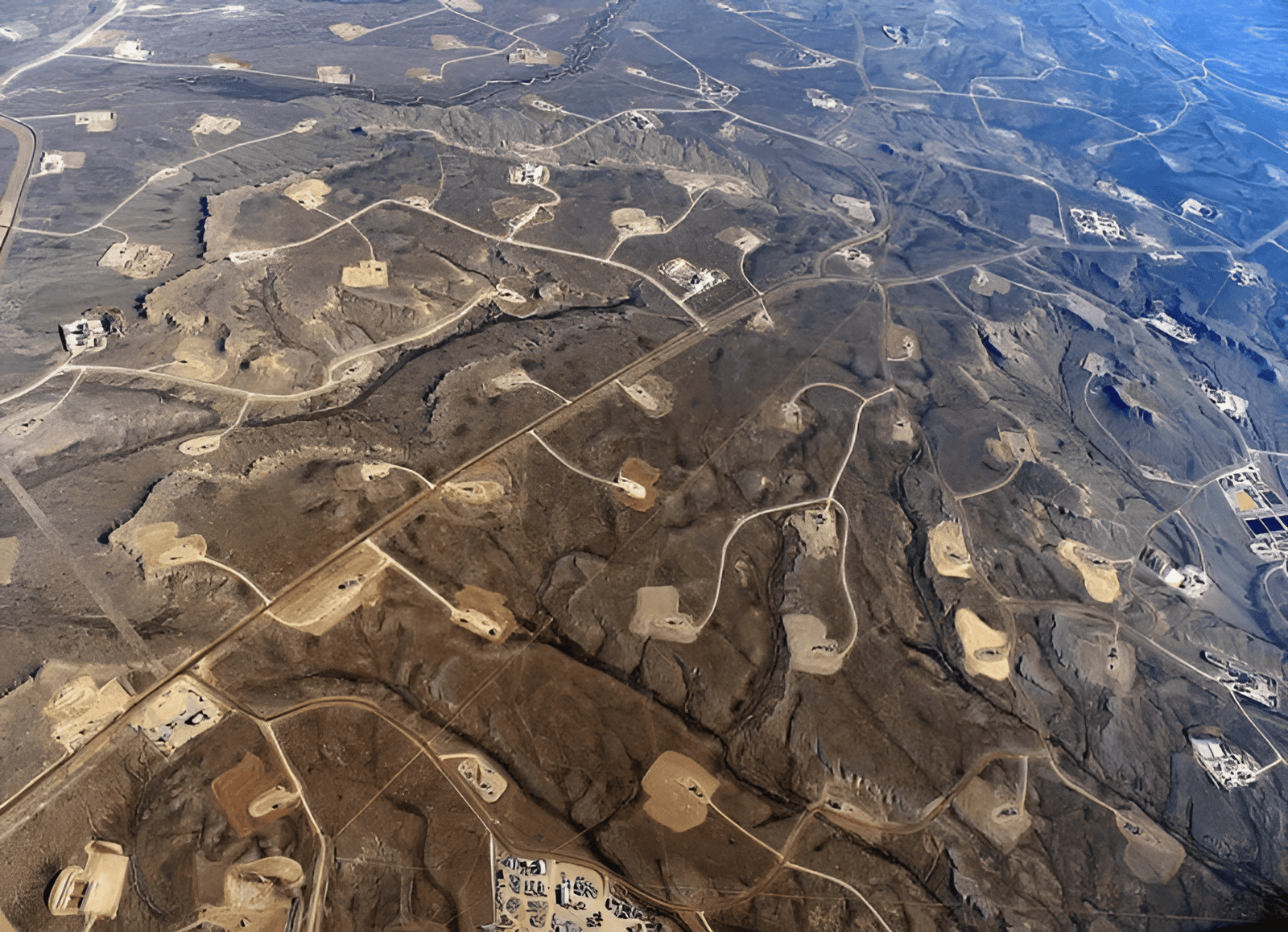
Natural gas extraction can also affect local environments. Wells, access roads, pipelines, compressor stations, water use, wastewater handling, and other infrastructure can disturb land and habitat. In areas where hydraulic fracturing is used, operators must also manage large volumes of water, chemical additives, flowback, produced water, and well integrity throughout the life of the project.
These factors demonstrate why energy sources are best evaluated across their entire life cycle rather than solely by emissions from the point where the fuel is burned. Extraction, processing, transportation, leakage, infrastructure, land use, waste management, and eventual combustion all contribute to the overall environmental footprint.
Diesel is a refined petroleum fuel rather than a separate fossil-fuel resource. Its high energy density and durability in compression-ignition engines have made it especially important for heavy trucks, construction equipment, tractors, combines, irrigation pumps, and other machinery that must operate for long periods under high loads.
Diesel combustion produces carbon dioxide and can also generate nitrogen oxides and fine particulate matter. Modern engines equipped with particulate filters, selective catalytic reduction, cleaner fuels, and other emission controls can greatly reduce many conventional pollutants, but continued diesel consumption still contributes to fossil-fuel use and greenhouse-gas emissions.
Reducing diesel consumption does not necessarily require eliminating farm machinery. Accurate GPS guidance, appropriately sized equipment, fewer field passes, conservation tillage, improved logistics, electric equipment where practical, and better matching of machinery to individual farm operations can all reduce unnecessary energy use.
Modern agriculture depends on energy at nearly every stage of production. Energy is used to manufacture machinery and some agricultural inputs, pump and move water, operate tractors and harvesters, dry and cool crops, manufacture packaging, process food, and transport products through regional and global supply chains. As a result, reducing the environmental footprint of food production requires looking beyond any single tractor, fuel, or farm practice.
Many of the practices associated with sustainable agriculture can complement the transition toward lower-emission energy. Precision irrigation, reduced field passes, soil-health management, renewable electricity, improved nutrient efficiency, conservation tillage, locally appropriate mechanization, and better use of agricultural residues can all contribute to a more resource-efficient food system.
The transition is unlikely to involve a single replacement for coal, oil, or natural gas. Electricity from renewable and other lower-carbon sources, energy storage, efficiency improvements, alternative fuels, electrified vehicles and machinery, methane management, carbon capture in selected applications, and changes in land and resource management are likely to play different roles depending on geography, economics, infrastructure, and energy demand.
Agriculture can also participate in this transition by treating some organic residues as potential resources rather than waste. Crop residues, manure, food waste, and other organic materials can sometimes be used for composting, anaerobic digestion, renewable gas, or other applications depending on the material and local system. Our Organic Waste vs Fossil Fuels Calculator provides another way to explore the relationship between organic materials and conventional fossil-fuel energy.
Fossil fuels helped make modern transportation, manufacturing, mechanized farming, and large-scale energy systems possible. The challenge now is to retain the reliability, productivity, and economic benefits that abundant energy provides while progressively reducing greenhouse-gas emissions, air pollution, environmental damage, and unnecessary consumption. That transition requires improvements in both the way energy is produced and the way it is used.
The practice of hydraulic fracturing, commonly referred to as fracking, is a method used to separate natural gas and oil from underground shale rock formations. However, this technique brings forth substantial environmental issues that cannot be overlooked. The process may lead to water pollution, induce seismic activity, and trigger air pollution. These potential hazards necessitate robust regulatory measures to mitigate environmental and health risks.
Fracking begins by drilling down into the earth, often a mile or more, to reach the shale. The specialized drill mount is then turned horizontally into the shale deposit which contains the gas or oil to create a well. Once the well is drilled, a high-pressure fluid is injected into the wellbore. This fluid causes the shale layer to crack or fracture, hence the term "fracking."
Small sand particles in the fluid then force open the fractures, allowing the trapped gas or oil to flow out, up the well and to the surface. The gas or oil is then separated from the fracking fluid and transported by truck to the refinery. The used fracking fluid, also called flowback or produced water, is stored in surface ponds or tanks before being treated, recycled, or disposed of. Its this flowback that raises concerns.
Agriculture depends on energy throughout the food-production system. Diesel and gasoline power much of the machinery used for planting, cultivation, harvesting, pumping, and transportation, while electricity and other fuels are needed for irrigation, refrigeration, drying, storage, processing, and packaging. Energy is also embedded in the manufacture and transportation of farm machinery, fertilizers, plastics, and other agricultural inputs.
Reducing agriculture's dependence on fossil fuels therefore involves more than replacing a diesel tractor. It requires looking at the entire production system and identifying where energy, machinery, fertilizer, water, transportation, and other resources can be used more efficiently.
Solar, wind, bioenergy, micro-hydropower, and geothermal systems can provide farms with alternatives to fossil-fuel-derived energy for appropriate applications. Solar electricity can power irrigation pumps, sensors, lighting, refrigeration, ventilation, and farm buildings, while batteries can store electricity for periods when renewable generation is unavailable.
Agricultural land can sometimes produce both food and energy. Agrivoltaic systems, for example, combine solar generation with crops or grazing, while manure and some agricultural residues can be processed through anaerobic digestion to produce biogas. The best technology depends on available resources, climate, infrastructure, energy demand, and farm economics.
Our Renewable Energy & Agriculture guide explores solar, wind, bioenergy, geothermal, and other renewable technologies that can be incorporated into agricultural operations.
One of the most practical ways to reduce fossil-fuel consumption is to eliminate unnecessary field operations. GPS guidance, autosteer, section control, field mapping, sensors, and variable-rate technology can help equipment perform work more precisely rather than repeatedly covering the same ground.
Precision systems can also help farmers identify where seed, fertilizer, irrigation, or crop-protection treatments are needed instead of automatically applying the same amount across an entire field. Better targeting does not eliminate energy or material use, but it can help reduce waste and improve the efficiency of each field operation.
Learn more in our Precision Farming guide, which examines GPS, sensors, drones, mapping, variable-rate applications, and other technologies used to make agricultural decisions more site-specific.
Conventional soil preparation can involve several tractor passes for plowing, disking, cultivating, planting, and other operations. Every additional pass requires fuel, labor, machinery time, and maintenance while also increasing the possibility of soil compaction and disturbance.
Reduced tillage, minimum tillage, permanent soil cover, diversified rotations, and carefully planned traffic patterns can reduce some of these operations while protecting soil structure. Where appropriate, farmers can combine field operations or use equipment specifically designed to plant into residues or minimally disturbed soil.
These principles are central to Conservation Agriculture , which emphasizes minimum soil disturbance, continuous soil cover, and diversified crop rotations as part of a longer-term soil-management strategy.
Farm equipment is also beginning to diversify beyond conventional internal-combustion machinery. Battery-powered hand tools, utility vehicles, pumps, compact tractors, autonomous platforms, and robotic equipment are becoming practical for a growing range of agricultural tasks.
Electrification is particularly attractive for equipment that operates close to a farm's electrical infrastructure or performs predictable daily tasks. Heavy field machinery presents greater challenges because of the energy required for long operating periods, but battery technology, charging infrastructure, hybrid systems, and alternative fuels continue to evolve.
Smaller autonomous machines could also change the relationship between mechanization and farm scale. Instead of relying exclusively on one very heavy machine, some operations may eventually use multiple lighter machines capable of performing precise tasks with less operator involvement and potentially less soil pressure.
Fossil-fuel use in agriculture is not confined to machinery. Manufacturing, transporting, and applying agricultural inputs also requires energy. Nitrogen fertilizer production is particularly energy-intensive, making nutrient-use efficiency an important part of reducing the energy footprint of crop production.
Soil testing, precision placement, split applications, drip fertigation, crop rotations, cover crops, compost, organic amendments, and better synchronization between nutrient availability and plant demand can help farmers avoid unnecessary fertilizer applications.
The objective is not simply to minimize fertilizer use regardless of crop requirements. It is to supply nutrients accurately enough that crops receive what they need while reducing losses to air, groundwater, surface runoff, and areas of the field where additional fertilizer provides little benefit.
Energy use continues after crops leave the field. Food may be cooled, washed, processed, packaged, stored, transported to distribution centers, transferred to retailers, and sometimes moved thousands of miles before it reaches the consumer.
Local and regional production cannot replace every part of the global food system, but growing appropriate crops closer to consumers can shorten some supply chains and create opportunities to reduce transportation, storage, and handling requirements. Urban farms, community farms, school gardens, and other distributed food-production systems can therefore contribute to a broader strategy for agricultural resilience.
Fossil fuels remain deeply integrated into contemporary agriculture, transportation, manufacturing, and infrastructure. Replacing them completely cannot happen simply by removing existing machinery or switching every farm to a single alternative technology.
A practical transition involves combining many improvements: more efficient machinery, fewer unnecessary field passes, renewable electricity, precision agriculture, conservation practices, improved nutrient management, electrification where practical, better soil management, and locally appropriate production systems.
The goal is a farming system that continues to produce reliable supplies of food while progressively reducing unnecessary fuel consumption, greenhouse-gas emissions, pollution, soil disturbance, and resource losses. Different farms will reach that goal in different ways depending on their crops, climate, land, infrastructure, financial resources, and access to technology.
Crop Circle Farms approaches farm design by considering how land layout, irrigation, soil management, planting systems, equipment access, and nutrient delivery work together. On appropriate sites, compact equipment, permanent growing areas, precision irrigation, targeted nutrient delivery, and reduced traffic can limit the need for repeated heavy machinery operations.
This type of design can be particularly useful for small farms, urban agriculture projects, schools, resorts, community food projects, and other locations where conventional broad-acre machinery may be impractical. The appropriate design depends on the crop, climate, soil, water supply, production objective, and available infrastructure.
Crop Circle Farms can help evaluate farm layout, crop selection, irrigation, soil-management practices, mechanization requirements, production goals, and site conditions for a more efficient growing system.
Contact Us to discuss a Crop Circle Farm design for your property.
Growing To Give works with partners interested in practical food production, water efficiency, soil health, and agricultural resilience in communities where locally grown food can make a meaningful difference.
Learn More about supporting an initiative or program.
Fossil fuels are carbon-rich energy resources formed from ancient organic material that was transformed by heat, pressure, and geological processes over millions of years. The three major fossil fuels are coal, oil, and natural gas. They are used for electricity generation, transportation, heating, manufacturing, agriculture, and the production of many chemicals and materials.
Coal formed largely from ancient plant material that accumulated in wetlands and was buried and compressed over geological time. Oil and natural gas formed primarily from organic material deposited in ancient marine and lake environments. As sediments buried this material, heat and pressure gradually transformed it into hydrocarbons that accumulated in underground rock formations.
Fossil fuels have high energy density, established transportation and distribution networks, and decades of infrastructure built around their use. Petroleum fuels are particularly convenient for vehicles and heavy machinery, while natural gas and coal have historically supplied large amounts of industrial heat and electricity. Transitioning away from them therefore requires changes to equipment, electricity systems, transportation, storage, infrastructure, and energy markets as well as the development of alternative energy sources.
Coal combustion releases carbon dioxide and can also produce sulfur dioxide, nitrogen oxides, particulate matter, mercury, and other pollutants. Mining can disturb landscapes, soils, waterways, and wildlife habitat. Modern pollution controls can substantially reduce some conventional pollutants, but carbon dioxide emissions from combustion remain an important climate concern.
Oil can affect the environment during exploration, drilling, transportation, refining, storage, and combustion. Spills can contaminate water, wetlands, shorelines, and soils, while burning petroleum fuels releases carbon dioxide and other air pollutants. Oil is also used to manufacture plastics, chemicals, asphalt, lubricants, and many other products, so its environmental footprint extends well beyond vehicle fuel.
Natural gas generally produces less carbon dioxide per unit of useful energy than coal when it is burned efficiently, and it can produce lower emissions of some conventional air pollutants. However, natural gas is primarily methane, a powerful greenhouse gas. Methane leakage during production, processing, transportation, storage, and distribution can increase its overall climate impact, so natural gas should not be considered emission-free.
Hydraulic fracturing, commonly called fracking, uses pressurized fluid to create fractures in underground rock so that oil or natural gas can flow to a well. The technique has greatly expanded access to some hydrocarbon resources, but concerns include water use, wastewater management, methane emissions, surface disturbance, well integrity, truck traffic, and induced seismicity associated with certain wastewater-disposal practices.
Agriculture uses fossil fuels directly in tractors, combines, trucks, pumps, heating systems, and other equipment, and indirectly through the manufacture and transportation of machinery and agricultural inputs. Fuel use can be reduced through better equipment selection, GPS guidance, fewer unnecessary field passes, precision applications, electrification where practical, and other approaches discussed in our Mechanized Agriculture guide.
Carbon capture can potentially collect a portion of the carbon dioxide produced by certain industrial facilities or power plants before it enters the atmosphere, but it does not eliminate every environmental impact associated with fossil fuels. Extraction, methane leakage, mining disturbance, fuel transportation, water use, conventional air pollutants, energy requirements, and long-term carbon storage must also be considered. Carbon capture is therefore one possible tool rather than a complete solution by itself.
Farms can reduce fossil-fuel dependence through a combination of energy efficiency, renewable electricity, precision farming, reduced machinery passes, improved irrigation, better nutrient management, conservation practices, and electrification where appropriate. Our Renewable Energy & Agriculture and Sustainable Agriculture guides explore how these approaches can be integrated into productive farming systems.