Soil Health Monitoring Technology
Measuring the Living Foundation of Agriculture
Healthy soil is the foundation of productive agriculture, resilient ecosystems, and long-term food security. For generations, farmers evaluated soil quality through observation—plant vigor, moisture retention, texture, and yield performance. While experience remains invaluable, modern agriculture now faces challenges that require far more precise understanding. Climate variability, nutrient depletion, water scarcity, and intensive land use demand measurable insights into how soil systems function over time.
Soil health monitoring technology is transforming agriculture by allowing farmers, researchers, and land managers to continuously measure biological, chemical, and physical soil conditions. Instead of guessing how soil responds to management practices, growers can now track real-time changes beneath the surface and make data-driven decisions that improve productivity while restoring ecological balance.
In many ways, soil monitoring represents a shift from managing crops alone to managing entire living soil ecosystems.
Soil health monitoring technology refers to integrated tools and digital systems used to measure soil conditions continuously or periodically across agricultural landscapes. These systems combine sensors, laboratory analysis, satellite imaging, artificial intelligence, and data platforms to evaluate how soil performs as a biological system.
Modern monitoring technologies commonly measure:
Data collected from these measurements helps farmers understand not just current soil conditions, but long-term trends influencing crop productivity and environmental sustainability.
Healthy soil is dynamic—it changes daily with rainfall, plant growth, microbial activity, and management practices. Monitoring technology allows these changes to become visible.
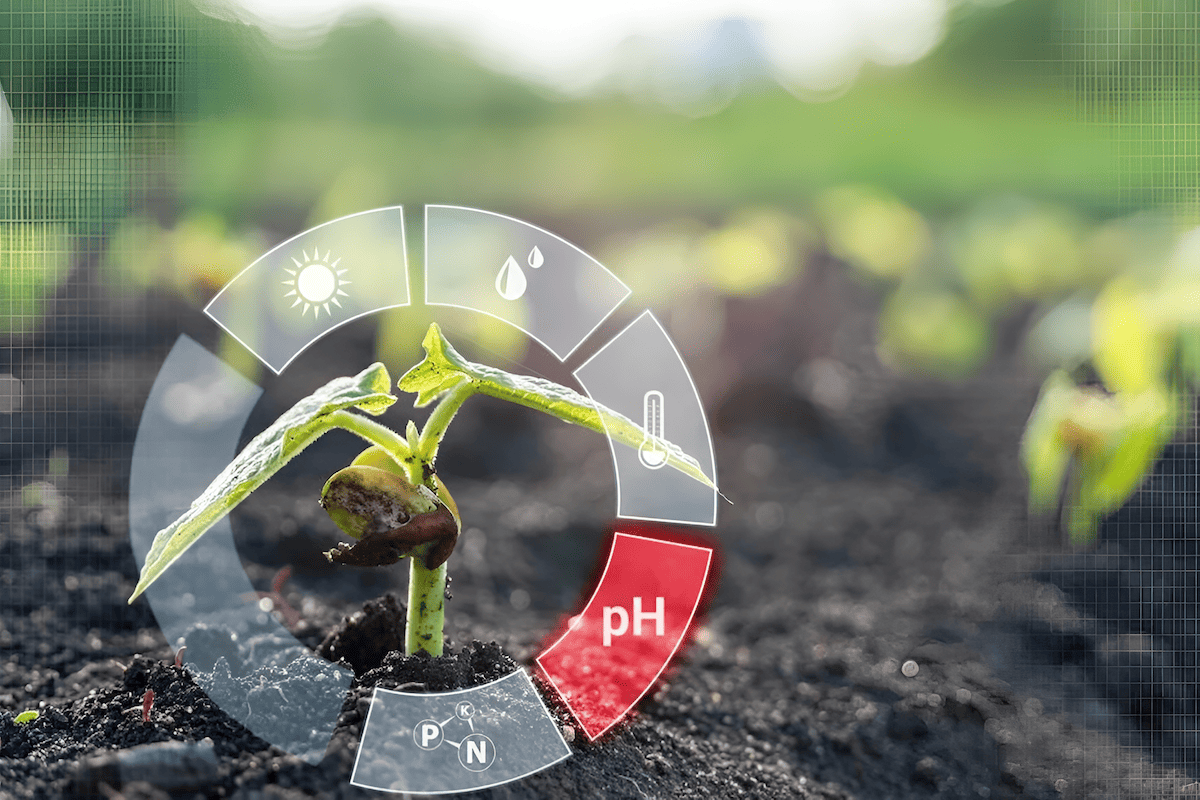
Agriculture today must produce more food using fewer natural resources while reducing environmental impact. Traditional soil testing conducted once per season often fails to capture real-time conditions affecting plant performance.
Modern farming systems require continuous feedback.
Key drivers behind soil monitoring adoption include:
Soils with strong biological activity and organic matter retain water more effectively during drought and drain better during heavy rainfall. Monitoring systems help farmers build resilient soils capable of adapting to climate extremes.
Fertilizer and irrigation decisions can be optimized when growers understand actual nutrient availability and moisture conditions rather than relying on fixed schedules.
As agriculture becomes central to climate solutions, accurate measurement of soil carbon sequestration is increasingly important for sustainability reporting and carbon market participation.
Healthy soils reduce crop stress and improve consistency across growing seasons.
Monitoring turns soil health into a measurable management asset rather than an abstract concept.
Several rapidly advancing technologies are driving this transformation.
Wireless probes installed at various depths continuously measure moisture, temperature, salinity, and nutrient dynamics. These sensors transmit real-time data to farm dashboards accessible via mobile devices.
Farmers can immediately detect irrigation needs or stress conditions developing below the surface before crops show visible symptoms.
Satellite imagery combined with vegetation indices such as NDVI helps identify areas where soil performance may be limiting plant growth. Variability maps allow targeted soil improvement strategies instead of treating entire fields uniformly.
AI platforms analyze soil data alongside weather forecasts and crop growth models to predict nutrient demand, water requirements, and yield outcomes.
These systems increasingly function as decision-support tools guiding regenerative land management.
Advanced spectroscopy and modeling tools estimate organic carbon levels across large landscapes. These technologies are becoming essential for verifying regenerative agriculture practices and environmental performance.
Monitoring tools are most powerful when paired with management practices designed to actively improve soil biology.
One of the most effective ways to improve measurable soil health indicators is through compost integration. Compost introduces beneficial microorganisms, stabilizes nutrients, improves structure, and increases water retention capacity.
Modern soil monitoring systems often show measurable improvements after compost applications, including:
Digital monitoring allows growers to observe how compost applications influence soil recovery over months and years rather than relying solely on visual results.
When compost systems and monitoring technologies work together, soil regeneration becomes measurable and repeatable.
Soil health monitoring plays a central role in emerging regenerative farming systems that prioritize ecosystem restoration alongside food production. Rather than maximizing short-term yields alone, regenerative agriculture focuses on improving soil function year after year.
Data-driven soil monitoring helps farmers evaluate regenerative outcomes such as:
These insights allow regenerative systems to scale beyond experimental practices into commercially viable agricultural models.
Technology helps validate regenerative outcomes and encourages broader adoption across agricultural regions.
Soil health monitoring technology provides advantages far beyond individual farms.
Farmers
Researchers
Governments and Climate Programs
Investors and Food Companies
Healthy soils support resilient food systems, and monitoring technology provides the data needed to manage them responsibly.
The next generation of agriculture will likely treat soil as a monitored living infrastructure system. Networks of sensors, satellite analysis, and AI-driven models will continuously evaluate soil conditions across farms, watersheds, and entire regions.
Farm managers may soon operate soil dashboards showing biological activity, carbon trends, nutrient cycles, and water efficiency in real time. Decision-making will increasingly focus on maintaining soil function rather than correcting problems after yields decline.
Ultimately, soil health monitoring technology allows agriculture to align productivity with ecological restoration. By making the invisible processes beneath our feet measurable, farmers gain the ability to protect one of humanity’s most valuable resources—the living soil that sustains life itself.
Soil health monitoring technology includes sensors, laboratory testing, remote sensing, satellite imagery and digital analysis used to measure physical, chemical and biological conditions in soil. These tools help growers understand current conditions and track how soil changes over time.
Depending on the equipment and testing method, soil monitoring can measure conditions such as moisture, temperature, electrical conductivity, nutrient availability, organic matter, compaction and other characteristics of the root zone. Some laboratory and specialized monitoring systems can also evaluate biological activity and soil carbon.
In-ground sensors can provide frequent measurements of conditions such as soil moisture and temperature at selected depths. This information can help farmers identify changing root-zone conditions and make more informed irrigation and crop-management decisions before plant stress becomes visually obvious.
Satellite and aerial imagery can reveal differences in crop vigor, vegetation cover and field variability. These observations do not replace direct soil measurements, but they can help identify areas that may need closer investigation, soil testing or different management.
Artificial intelligence can analyze information from sensors, weather records, imagery, crop data and soil tests to identify patterns and support management decisions. AI can assist with irrigation, nutrient and crop monitoring, but its recommendations still depend on data quality, local conditions and appropriate interpretation by the grower.
Soil carbon can be evaluated through soil sampling and laboratory analysis, while spectroscopy, remote sensing and modeling may support broader carbon estimates. Because soil carbon can vary across a field and change slowly, consistent sampling methods and repeated measurements are important when tracking long-term trends.
Yes. Soil-moisture measurements can help growers understand when water is available in the root zone and how quickly it is being depleted. When combined with crop requirements, weather conditions and local soil characteristics, this information can support more targeted irrigation scheduling.
Appropriately produced and applied compost can add organic matter and nutrients to soil and may influence soil structure, water retention and biological activity. Soil testing and monitoring can help growers evaluate how those characteristics change following compost applications rather than relying only on visual observations.
Soil monitoring can help regenerative growers evaluate whether management practices are changing soil conditions over time. Measurements may be used to track indicators such as soil organic matter, moisture, infiltration, nutrient status and other characteristics related to soil function. Results depend on the soil, climate, crops, management practices and measurement methods used.
No. Monitoring technology provides information about soil conditions, but improvements come from management decisions based on that information. Practices such as maintaining soil cover, managing irrigation, adjusting nutrient applications, adding appropriate organic materials and reducing unnecessary disturbance may improve soil function when suited to the site.