Refugee Camps
117.8 Million Displaced Worldwide
A refugee camp is a temporary settlement established to provide protection and essential services to people who have fled their country and require international protection. Refugee camps can provide shelter, safe water, sanitation, food assistance, healthcare, education, and protection while longer-term solutions are pursued.
Refugees are one part of the much larger population of people who have been forcibly displaced. Internally displaced people remain within their own countries, while refugees have crossed an international border seeking safety and protection.
| Camp / settlement | Country | Notes |
|---|---|---|
| Cox’s Bazar Rohingya camps | Bangladesh | One of the world's largest concentrations of refugees, spread across numerous camps. |
| Dadaab Refugee Complex | Kenya | Long-running refugee-hosting complex consisting of multiple camps. |
| Kakuma Refugee Camp and Kalobeyei Settlement | Kenya | Major refugee-hosting area supporting people from numerous countries. |
| Zaatari Refugee Camp | Jordan | Long-established camp with extensive community and humanitarian infrastructure. |
Refugee populations change frequently as people arrive, return, relocate, or move through resettlement and other durable-solution programs. Consult current UNHCR and government operational dashboards for specific population figures.
Reliable access to safe drinking water, toilets, handwashing facilities, drainage, wastewater management, and hygiene services reduces disease risk and supports health, safety, and dignity.
Shelter quality, spacing, drainage, fire breaks, accessible pathways, lighting, and community-oriented site planning influence safety, protection, privacy, and livability.
Food assistance, nutrition services, market access, and where appropriate local food production can help protect nutrition, particularly for children, pregnant and lactating women, older people, and other nutritionally vulnerable populations.
Primary healthcare, vaccinations, maternal and child health services, disease surveillance, mental-health support, safeguarding, safe spaces, and appropriate lighting can reduce preventable illness and protection risks.
Humanitarian donors and implementing organizations commonly evaluate programs based on demonstrated need, feasibility, cost effectiveness, protection considerations, community participation, measurable outcomes, and the ability to maintain services over time. Clear baselines and monitoring plans make it easier to evaluate results and determine whether successful programs can be expanded.
| Outcome | Example KPI | How to Measure |
|---|---|---|
| Fresh food availability | Servings or kilograms of fresh produce distributed | Harvest and distribution records |
| Water efficiency | Liters of irrigation water used per kilogram harvested | Water-meter readings and harvest records |
| Local food production | Kilograms harvested per month | Harvest logs and periodic verification |
| Skills development | Number of participants trained and actively participating | Training attendance and follow-up records |
| Local food availability | Percentage of participating-program produce grown locally | Harvest, distribution, and procurement records |
| System reliability | Percentage of growing systems remaining operational | Routine inspections and maintenance records |
For broader context, see Food Crisis. For resilient production models that reduce water and fertilizer dependency, explore Crop Circle Gardens and Circular Agriculture, plus Water-Smart Technologies. If you’re building program funding models, review Farm Subsidies.
Refugee camps and settlements exist across Africa, Asia, the Middle East, Europe, and the Americas. They vary considerably in size and structure, from temporary emergency sites to large settlements that have developed schools, health facilities, markets, water systems, roads, and other community infrastructure over many years.
Refugees are part of the broader global population of forcibly displaced people. Refugees have crossed an international border because they require protection, while internally displaced people have been forced from their homes but remain within their own countries.
Bangladesh’s Cox’s Bazar region contains one of the world’s largest concentrations of refugees. As of June 30, 2026, approximately 1.17 million Rohingya refugees were living in the Cox’s Bazar refugee-hosting area. Most are Rohingya who fled Myanmar and continue to rely heavily on humanitarian assistance, community infrastructure, and services provided by the Government of Bangladesh and international humanitarian organizations.
Cox’s Bazar is not a single camp. Rohingya refugees live across numerous highly populated camps within the district, creating substantial demands for shelter, clean water, sanitation, healthcare, food assistance, education, protection, and disaster preparedness.
Other major refugee-hosting locations include the Dadaab and Kakuma refugee complexes in Kenya and Zaatari Refugee Camp in Jordan. These settlements have operated for many years and have developed extensive humanitarian services and community infrastructure.
There is no single permanent worldwide count of refugee camps. Camps open, close, expand, consolidate, and change status as conflicts develop, people return home, new displacement occurs, or refugees move through resettlement and other durable-solution programs.
Refugees also do not necessarily live in camps. Many live in cities, towns, villages, informal settlements, or alongside host communities. For this reason, the number of refugee camps alone does not provide a complete picture of global refugee displacement.
Camp populations can also change significantly over relatively short periods. Current UNHCR and government operational dashboards should therefore be used when evaluating the population of a particular refugee camp, settlement, country, or humanitarian response.
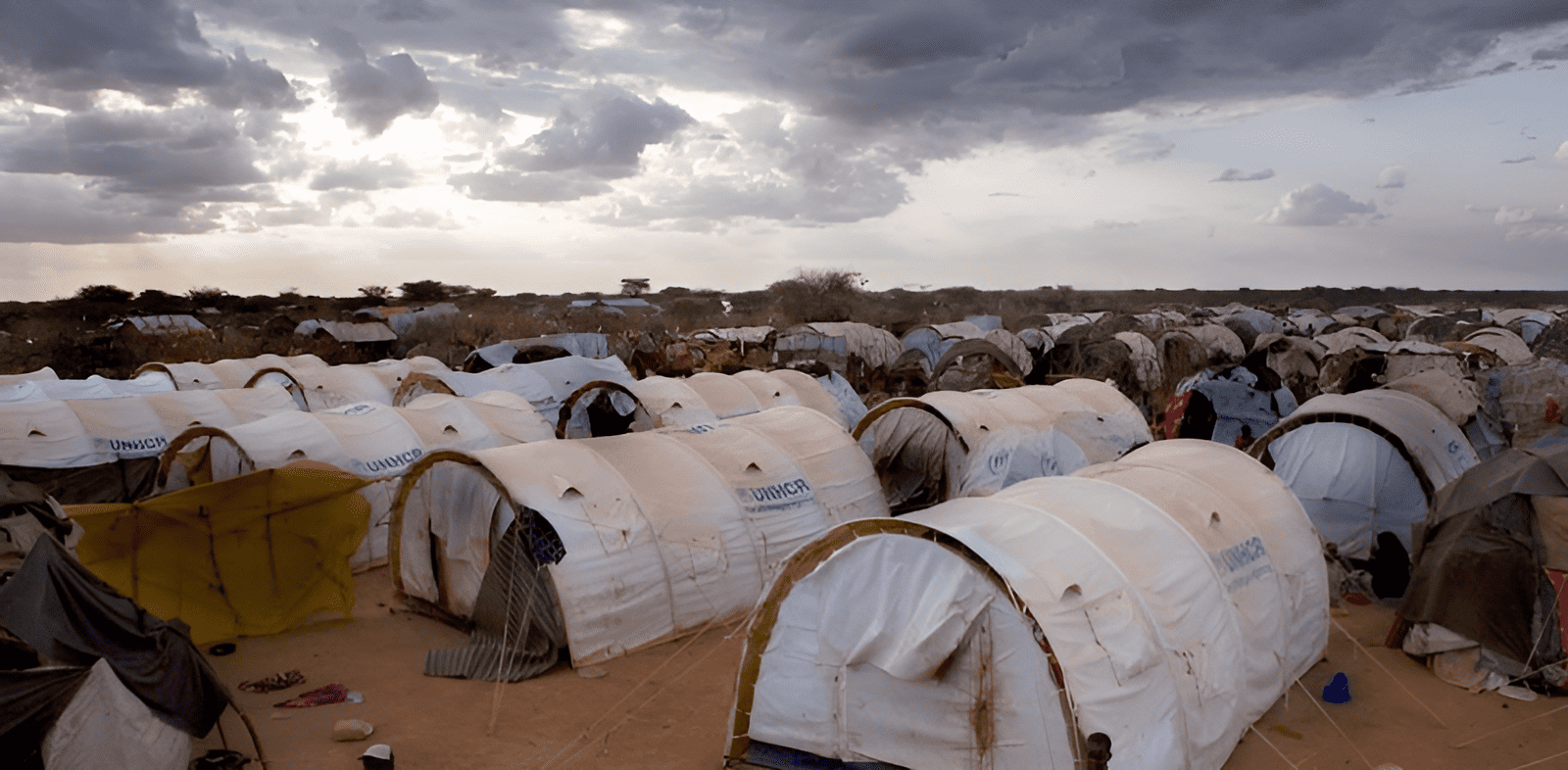
Refugee camps and settlements can provide immediate protection and essential services when large numbers of people are forced to cross international borders because of conflict, persecution, violence, or serious instability. They can provide access to shelter, clean water, sanitation, food assistance, healthcare, education, and protection while longer-term solutions are pursued.
Refugee camps are generally intended to be temporary. However, displacement can continue for many years, and some settlements develop substantial community infrastructure over time. In prolonged displacement situations, investment in reliable water systems, sanitation, healthcare, education, energy, livelihoods, and food production can significantly improve living conditions for refugees and surrounding host communities.
Refugee camps can face serious challenges including overcrowding, inadequate sanitation, limited water supplies, food insecurity, insufficient healthcare, fire risk, disease outbreaks, and shortages of educational and employment opportunities.
Crowded living conditions and inadequate WASH services—water, sanitation, and hygiene—can increase the risk of illnesses such as cholera and other waterborne diseases. Reliable clean-water systems, drainage, toilets, handwashing facilities, waste management, and healthcare are therefore essential components of humanitarian camp planning.
Protection is equally important. Women, children, older people, people with disabilities, and other vulnerable populations may face additional risks. Safe lighting, accessible facilities, community participation, education, safeguarding programs, and secure public spaces can help reduce these risks and improve quality of life.
Humanitarian food assistance remains essential in many refugee settings, but where land, water, security, and local regulations permit, small-footprint farms and gardens can provide an additional source of fresh vegetables, herbs, and other nutritious foods.
Local growing systems can also support agricultural training, community participation, livelihoods, and practical skills that remain useful whether people eventually return home, integrate into host communities, or relocate elsewhere.
Crop Circle Farms develops compact, water-efficient growing systems that can be adapted to locations where conventional agricultural land and water are limited. Crop Circle Gardens and larger farm systems can be designed for community-scale food production while reducing water and fertilizer requirements.
In refugee and host-community settings, these systems could supplement—not replace— humanitarian food assistance by producing fresh food close to where it is consumed. They can also provide opportunities for agricultural education, skills development, and community-led food production.
Crop Circle Farms and Growing To Give are working to expand access to scalable, water-efficient food-production systems for communities facing food-security challenges.
The first priorities are protecting life and providing safe access to essential services. This includes appropriate site selection, safe access routes, emergency shelter, clean drinking water, sanitation and handwashing facilities, healthcare, food assistance, registration, and protection services.
Early involvement of refugees and host communities can also help identify local needs, improve site planning, and build trust between residents and humanitarian organizations.
WASH stands for water, sanitation, and hygiene. Refugee settlements need reliable supplies of safe drinking water, appropriate toilets and sanitation facilities, handwashing stations, drainage, wastewater management, and solid-waste collection.
Water points and sanitation facilities should be accessible, safely located, properly maintained, and designed with protection needs in mind. Routine testing, inspections, repairs, and community hygiene programs help keep these systems functioning.
Shelter requirements depend on climate, location, available materials, expected length of displacement, and local regulations. Emergency tents and temporary shelters may be necessary initially, while longer-term situations may require more durable, weather-appropriate structures.
Good site planning should also consider ventilation, drainage, fire breaks, accessible pathways, privacy, lighting, community spaces, and protection from extreme heat, cold, wind, flooding, and other hazards.
Refugee food security can be supported through reliable food assistance, cash or voucher programs where appropriate, local purchasing, functioning food markets, nutrition screening, therapeutic feeding, and access to diverse and nutritious foods.
Where land, water, security, and local regulations permit, small gardens and water-efficient growing systems can supplement humanitarian food assistance with fresh vegetables and herbs. Local food production should complement rather than replace essential humanitarian support.
Education and livelihood opportunities become increasingly important when displacement continues for months or years. Schools, temporary learning centers, language programs, vocational training, and skills development can help children and adults maintain education and prepare for future employment.
Livelihood programs such as agriculture, food production, construction, sewing, repair work, and other locally appropriate skills can also support household income, community participation, and greater self-reliance.
Protection measures can include safe public spaces, lighting, safeguarding programs, accessible facilities, complaint and feedback systems, community participation, healthcare, psychosocial support, and services designed for people facing additional risks.
Women, children, older people, people with disabilities, and other vulnerable groups should be included in planning and decision-making so that facilities and services reflect their safety, mobility, healthcare, and accessibility needs.
Refugee settlements can incorporate climate resilience through flood-aware site selection, effective drainage, shade structures, heat-resistant shelter design, wind protection, drought-tolerant landscaping, efficient irrigation, renewable energy, and reliable water-storage systems.
Trees, vegetation, shaded community areas, and green corridors can also help reduce heat while improving the local environment where space and water resources permit.
Humanitarian programs use measurable indicators to determine whether services are functioning and whether conditions are improving. Common indicators include water availability and quality, sanitation functionality, shelter adequacy, health outcomes, nutrition, school attendance, protection incidents, energy access, and participation in livelihood programs.
Food-production projects can also track kilograms harvested, irrigation water used, people trained, system reliability, produce distributed, and other measurable outcomes. Clear baselines and repeatable reporting help donors and implementing partners evaluate effectiveness.
Crop Circle Farms develops compact, water-efficient growing systems designed for locations where conventional agricultural land, water, or infrastructure may be limited. Crop Circle Gardens and larger Crop Circle Farm systems can be adapted for community-scale production of fresh vegetables and other crops.
In refugee and host-community settings, these systems could supplement humanitarian food assistance while also supporting agricultural training, skills development, community participation, and local food production.
Projects can be designed around available land, water, infrastructure, local growing conditions, and measurable goals such as food produced, water efficiency, people trained, and system reliability.
Turn your 1 acre into a high-yield, productive farm.
Crop Circle Farms specializes in designing and building fully engineered, low-impact farm systems that use 90% less water, 85% less fertilizer, and can deliver two to three times the yield of traditional farming under suitable conditions.
Whether you have a vacant lot, an empty field, a resort, school, island community, humanitarian site, or small family farm, we can design a system around the available land, water, infrastructure, and production goals. Our team can assist with farm layout, installation, irrigation, root systems, training, and initial planting.
Contact Us to explore a custom Crop Circle Farm design for your property or project.
Help us expand access to resilient local food production. Growing To Give works with partners to implement Crop Circle Farms and Gardens for communities facing food-security challenges. Together, we can build scalable food-production systems that conserve water, reduce input requirements, strengthen local skills, and produce fresh food close to the people who need it. Contact Growing To Give to explore a potential partnership.