Ornamental Plants
Landscape Grasses & Ornamental Herbs
Ornamental plants are the jewels of any garden, offering an array of colors, textures, and forms that can transform any space into a colorful oasis. This comprehensive guide is designed to help both novice and experienced gardeners select the perfect ornamental plants for gardens and garden containers. The guide explores the basics of garden design, suggesting ways to grow and combine different plants in a variety of growing spaces. Whether you have a cozy balcony or an expansive backyard, this guide will offer practical tips on selecting the right ornamental plants that suit your space and climate, ensuring your garden thrives. This guide covers a wide range of plant options, offering insights into maintenance and care to keep your ornamental garden looking its best throughout the year.
Garden containers give gardeners a unique opportunity to grow ornamental vegetables and herbs in both large and small containers. Small containers are ideal for growing a variety of ornamental vegetables and herbs, allowing gardeners to mix and match plants to create visually appealing and aromatic displays. These compact containers can easily be rearranged, offering the flexibility to refresh the garden's appearance or accommodate the changing needs of the plants as the seasons change. This is especially beneficial for those living in the city where space is limited.
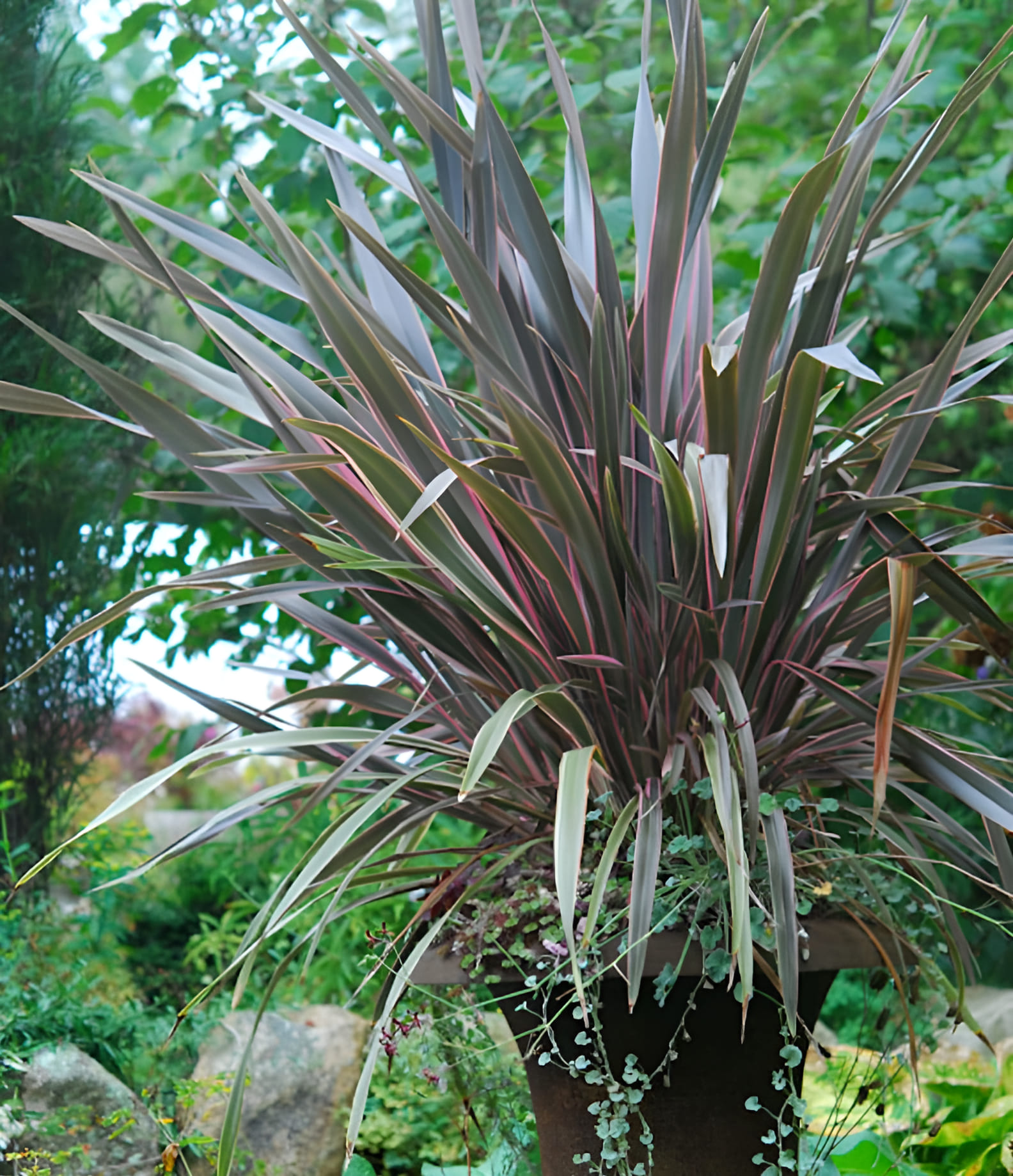
Large containers are perfect for growing ornamental grasses. These grasses, with their varied textures and heights, can add an element of drama and movement to your garden space. Large containers provide ample room for these grasses to spread. A large garden container brimming with colorful grasses creates a dynamic and ever-changing landscape as the grasses sway in the wind and change throughout the seasons. Whether you use tall grasses as a standalone feature or as part of a broader garden design, large containers filled with ornamental grasses can transform an ordinary space into an extraordinary one.
Before, growing ornamental plants in the garden you need to determine what plants grow best in the shade, partial shade or the sun. Plants for shaded areas thrive in lower light conditions, making them ideal for spots under trees or in the shadow of buildings. These plants often have lush, green foliage and can add a serene and cool ambiance to your garden. Fescue grass, sweet peas, catmint, and tutti frutti anise are excellent choices for shaded areas. They require less direct sunlight and can flourish in the dappled light that filters through canopies or in areas that receive only indirect light. When selecting plants for shade, it's important to consider their water needs as well, as shaded areas typically require less water.
By contrast, plants for sunlit areas are perfect for areas of your garden that are exposed to full sunlight for most of the day. Sun-loving plants like Fountain grass, millet, feather grass, Indian corn, scarlet runner beans, ornamental peppers, ornamental oregano, sage and cardoon, tend to have a high tolerance for heat and dry conditions, making them a great choice for gardeners in warmer climates. They can provide bright splashes of color and attract pollinators like bees and butterflies, enhancing the biodiversity of your garden. When planting in sunlit areas, it's crucial to ensure that the plants receive adequate water to prevent them from drying out, especially during the peak heat of summer.
Ornamental grasses are becoming more popular for gardens and garden containers because incredible beauty. Among these, Fountain Grass, Millet, Fescue Grass, and Feather Grass stand out for their low maintenance and re-grow capabilities.
Fountain Grass (Pennisetum) is known for its graceful, arching form that resembles a fountain. Its fluffy, brush-like flowers add a soft texture to garden landscapes, and it is available in a wide range of sizes and colors, from dwarf varieties to larger specimens with deep burgundy foliage. This grass is particularly striking when planted in mass or as a border or in a large container, and its movement in the breeze creates a dynamic visual effect. Fountain Grass thrives in full sun and well-drained soil, making it a great choice for many garden settings.
Millet, often used as an annual in colder climates, adds a dramatic touch with its tall, thick stalks and broad leaves. Some varieties, like the ornamental Purple Majesty Millet, offer striking dark purple foliage and can be a focal point in both gardens and container plantings. Millet is drought-tolerant once established and prefers full sun, making it an excellent choice for adding height and contrast in sunny garden beds or open patio containers.
Fescue Grass (Festuca) is a diverse group of grasses, often characterized by their compact, mound-forming habit and fine, needle-like leaves. Blue Fescue is particularly popular for its striking blue-gray color, providing a cool hue that contrasts well with other plants. Fescue is ideal for rock gardens, medium sized containers, raised gardens, borders, and as ground cover, thriving in well-drained soil and tolerating a range of light conditions from full sun to partial shade.
Feather Grass (Stipa), including the well-known Mexican Feather Grass, is prized for its delicate, feathery plumes that sway gracefully in the wind. This grass creates a soft, airy texture in the garden and is beautiful when backlit by the sun. Feather Grass prefers full sun and well-drained soil, and its fine texture makes it a perfect choice for creating a sense of lightness and movement in the landscape.
Ornamental vegetables bring a unique blend of beauty and barely a hint of being edible. Among the most popular are Indian Corn, Scarlet Runner Beans, Sweet Peas, and Ornamental Peppers, each adding distinct colors, textures, and forms to a garden or container garden landscape.
Indian Corn, known for its vibrant and varied colored kernels, is a type of maize that adds a rustic and autumnal charm to the garden. Unlike the typical yellow sweet corn, Indian Corn features a spectrum of colors including red, blue, orange, and purple, making it an ideal plant for decorative purposes. It can be used in fall displays, wreaths, and as dried arrangements. Indian Corn requires similar growing conditions to regular corn, thriving in full sun with well-drained soil, and it serves as a wonderful backdrop or focal point in a vegetable or containerized garden.
Scarlet Runner Beans are not only productive but also beautifully ornamental. They are loved for their striking red flowers, which not only add a splash of color to the garden but also attract hummingbirds and beneficial pollinators. As a climbing plant, Scarlet Runner Beans can be grown on trellises, fences, or arbors, creating a beautiful and functional green screen. Unlike most ornamental vegetable plants, the beans themselves are edible and can be harvested young for snap beans or left to mature for dried beans.
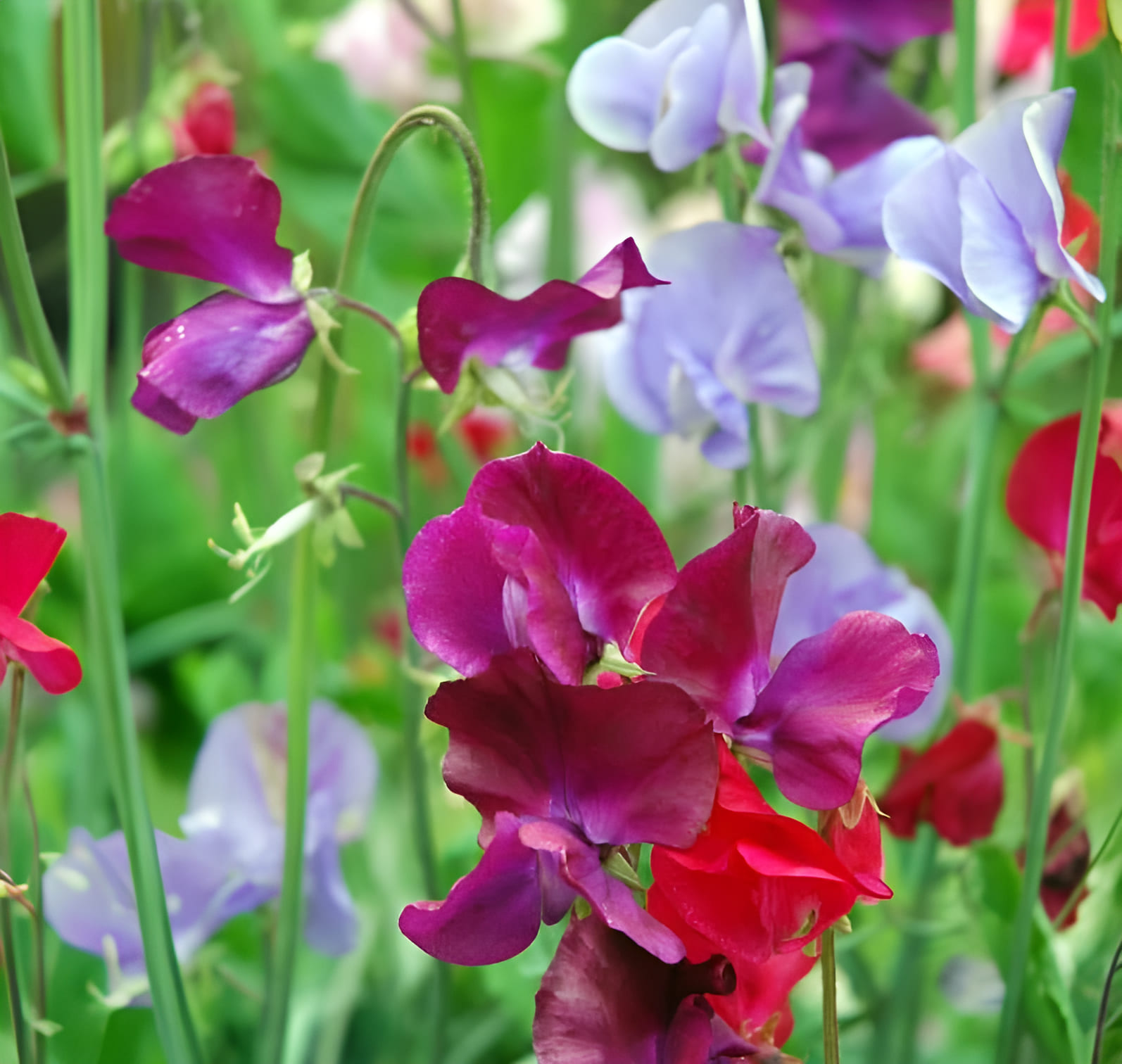
Sweet Peas, while technically a flowering plant, are often included in vegetable gardens for their fragrant, bee pollinating flowers. The are available in a wide range of colors and make excellent plants for cutting gardens. Sweet Peas are climbers, so they require the support of a trellis or fence. They prefer cooler temperatures, so planting them in early spring ensures a longer blooming period. The allure of Sweet Peas lies in their multi-color blooms and the sweet fragrance they bring to any growing space.
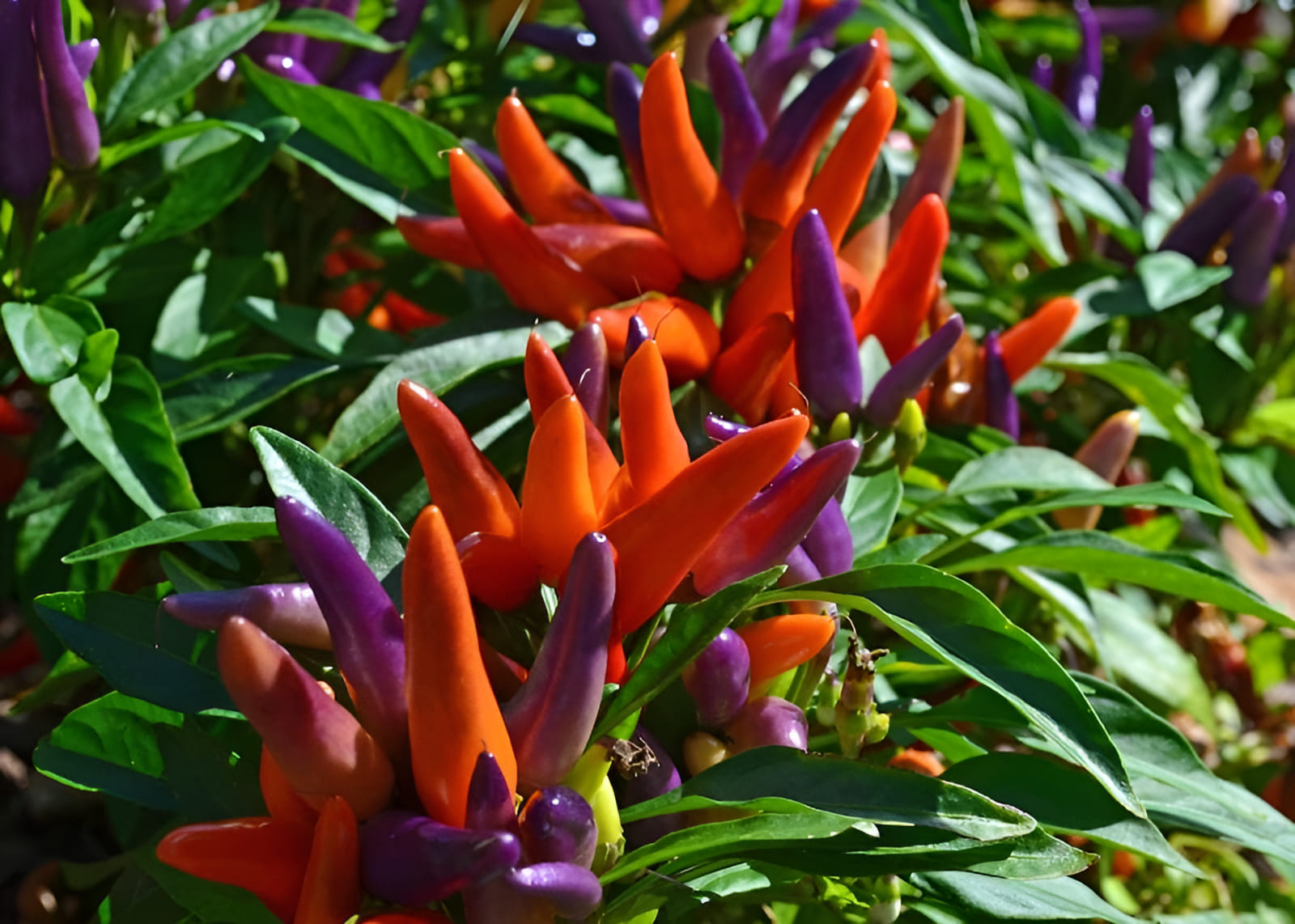
Ornamental Peppers are a visually stunning addition to any garden or garden container, with varieties producing peppers in a multitude of shapes, sizes, and colors, ranging from reds and yellows to purples and even black. These peppers provide a striking contrast when planted alongside plants with green foliage. While some ornamental peppers are edible, they are often very hot and primarily grown for their decorative value. They thrive in full sun and well-drained soil and are relatively easy to grow, making them a popular choice for adding a pop of color.
Ornamental herbs provide the visual appeal of decorative flora, offering a unique and attractive addition to any growing space. Among these, Ornamental Oregano, Catmint, Sage, Cardoon, and Tutti Frutti Anise stand out for their distinctive look and versatility when it comes to gardening and container gardening.
Ornamental Oregano, unlike its culinary counterpart, is valued more for its decorative qualities than its flavor. Varieties such as Kent Beauty Oregano produce cascading bracts of colorful, hop-like flowers that are striking in hanging baskets, rock gardens, or as ground cover. The intricate blooms, often in shades of pink, purple, and cream, are attractive to pollinators and can last from mid-summer to fall, adding long-lasting interest to the garden.
Catmint (Nepeta) is a beloved herb for its fragrant foliage and profusion of lavender-blue flowers that bloom throughout the summer. It is a versatile plant that can be used in borders, containers, as a low hedge, or in cottage gardens. Once it is established, Catmint is drought-tolerant, making it a great choice for low-maintenance, water-challenged landscapes. Its flowers attract bees and butterflies, and despite its name, it's less attractive to cats than true catnip, making it a better choice for gardeners.
Sage, particularly ornamental varieties like Purple Sage or Tricolor Sage, offers both visual beauty and limited culinary use. These varieties have variegated or colored foliage, adding a splash of color to herb gardens, borders, or container plantings. In some instances, the leaves can be used in cooking, imparting a weaker flavor than common sage, while the plant itself provides beauty with its striking foliage and seasonal blooms.
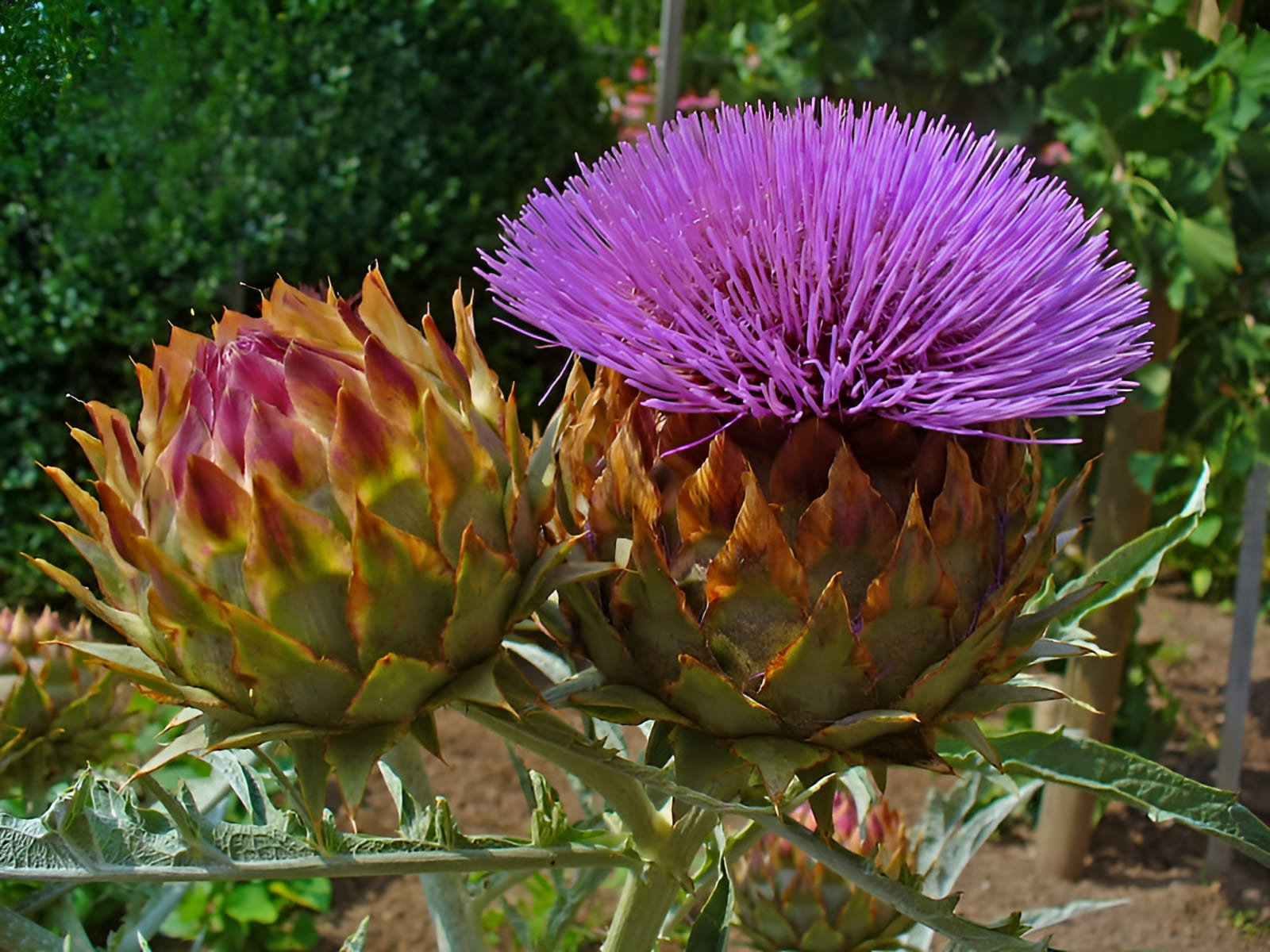
Cardoon, closely related to the artichoke, is grown for its bold, architectural form. It features large, silvery-gray, thistle-like leaves that can make a dramatic statement in any garden setting. Cardoon can grow quite tall and wide, so it's best suited for larger spaces and large containers where it can be fully appreciated. Its striking appearance is most effective when grown as a focal point in a garden setting.
Tutti Frutti Anise, known for its licorice-scented foliage, is another ornamental herb that combines fragrance with visual appeal. This variety of anise hyssop produces tall flower spikes in shades of pink, purple and blue during the growing season. Its flowers can attract bees, butterflies and other pollinators and can also be used as cut flowers. Tutti Frutti Anise works well in perennial borders, herb gardens, containers and pollinator-friendly plantings.
Adding ornamental plants to a growing space can provide color, texture, fragrance and seasonal interest. Ornamental grasses, flowering herbs, edible ornamentals and container plants can be combined to create attractive landscapes that support both visual design and useful garden functions.
Crop Circle Farms designs site-specific growing systems that can combine food production with ornamental planting, water-efficient irrigation, permanent growing beds and accessible layouts.
Depending on the site, ornamental plants can be incorporated around production areas, pathways, entrances, pollinator zones and gathering spaces to add seasonal color and habitat while maintaining practical access for irrigation, maintenance and harvesting.
Whether you are developing a vacant lot, open field, resort, school, community property or small farm, we can help create a layout suited to your growing goals, climate, water availability and available space.
Contact Us to explore a custom Crop Circle Farm or landscape design for your property.
Growing To Give works with communities and partners to develop practical food-production projects focused on food access, water efficiency, resilient growing systems and community participation.
Learn More about supporting a Growing To Give initiative.
Practical answers about choosing ornamental plants, matching plants to sun and soil, watering, pruning, containers, pollinators and creating year-round garden interest.
Ornamental plants are grown primarily for their visual, structural, seasonal or sensory qualities. They include flowering annuals and perennials, shrubs, ornamental grasses, vines, foliage plants, small trees and even edible plants with attractive flowers, fruit or foliage. Good ornamental planting combines color, texture, height, form and seasonal interest with the practical conditions of the site.
Start by observing how many hours of direct sunlight the planting area receives during the growing season. Full-sun plants generally need substantial direct light, while part-shade and shade-tolerant plants are better suited to areas with fewer hours of sun or filtered light. Matching a plant to its actual light conditions usually produces better growth and flowering than trying to force a sun-loving plant into a shaded location.
Soil requirements vary considerably among ornamental species. Many perform well in reasonably well-drained soil with sufficient organic matter, while others are adapted to dry, sandy, clay, alkaline or moisture-retentive conditions. Before planting, consider drainage, soil texture, pH and existing fertility, then choose plants suited to those conditions rather than relying on heavy soil modification alone.
Watering frequency depends on the plant, climate, soil, container size, root development and weather. Newly planted ornamentals generally need more consistent moisture while roots establish, whereas established plants suited to the local climate may require less supplemental irrigation. Deep, appropriately spaced watering is often preferable to frequent shallow watering, but soil moisture should guide irrigation rather than a fixed schedule.
The best pruning time depends on the species and whether it flowers on new or older growth. Dead, damaged or diseased material can often be removed when identified, but major shaping should follow the growth and flowering cycle of the particular plant. Some spring-flowering shrubs are pruned after flowering, while many plants that bloom on new growth can be pruned during dormancy or before active growth begins.
Flowering ornamentals can provide nectar and pollen for bees, butterflies and other beneficial insects. A pollinator-friendly garden usually includes several flower shapes and species that bloom at different times of year. Native and regionally adapted plants can be especially useful because local pollinators may already be associated with them. Avoid assuming that every ornamental cultivar provides the same habitat or food value.
Yes. Many ornamental grasses, herbs, flowering plants, compact shrubs and edible ornamentals grow well in containers when the pot provides adequate root volume and drainage. Container plants usually need closer attention to moisture and fertility because the root zone is smaller and can dry out more quickly than garden soil. Choose container size according to the mature size and root system of the plant.
Some plants are less attractive to deer because of strong fragrances, tough or fuzzy foliage, thorns, or particular plant compounds, but no ornamental plant should be considered completely deer-proof. Browsing pressure changes with season, food availability and local deer populations. In areas with heavy pressure, plant selection may need to be combined with fencing or other protective measures.
Combine plants that provide interest during different seasons rather than relying only on flowers. Spring bulbs and early bloomers can be followed by summer perennials, ornamental grasses, fall color, berries, evergreen foliage and plants with attractive winter stems or seed heads. Layering plants by height and form also helps maintain structure in the landscape when individual species are not in bloom.
Yes. Ornamental plants can be integrated with vegetables, herbs and fruit to add color, structure, fragrance and habitat around productive growing areas. Flowering herbs, ornamental peppers, edible flowers and pollinator plants can make food gardens more visually diverse while supporting broader landscape goals. Plant placement should still account for light, irrigation, mature size and access for maintenance and harvesting.