Nutrient-Dense Foods
A Pathway to Wellness
When you think about your diet, you might consider the taste, cost, and convenience of the foods you consume. But have you ever considered the nutrient density of your meals? Probably not!
By the time fruits and vegetables reach the supermarket, they have lost 90% of their nutritional value and the remaining 10% virtually disappears after cooking them at home for a meal.
Studies have found that most middle-class families are malnourished due to the lack of vitamins, minerals and digestive enzymes in their fruits and vegetables.
All of this changes however with the consumption of nutrient dense foods that are packed with body absorbable vitamins, minerals, and other beneficial compounds like gut friendly digestive enzymes. They are the true superstars of the fresh produce world, providing the most health benefits per bite.
Incorporating nutrient-dense foods into your daily diet sets you on a path to wellness that is simply unachievable by any other means.
Unfortunately, nutrient-dense foods like free range meat and eggs, wild caught fish, whole grains, blueberries, kale, spinach, tomatoes, potatoes and beans are often overlooked in favor of more processed, zero nutrition options like the chips I am eating as I write this article.
But with a little knowledge and discipline, you can start prioritizing these power-packed foods in your diet. This comprehensive guide will provide you with the tools you need to make nutrient-dense foods a staple of your daily diet.
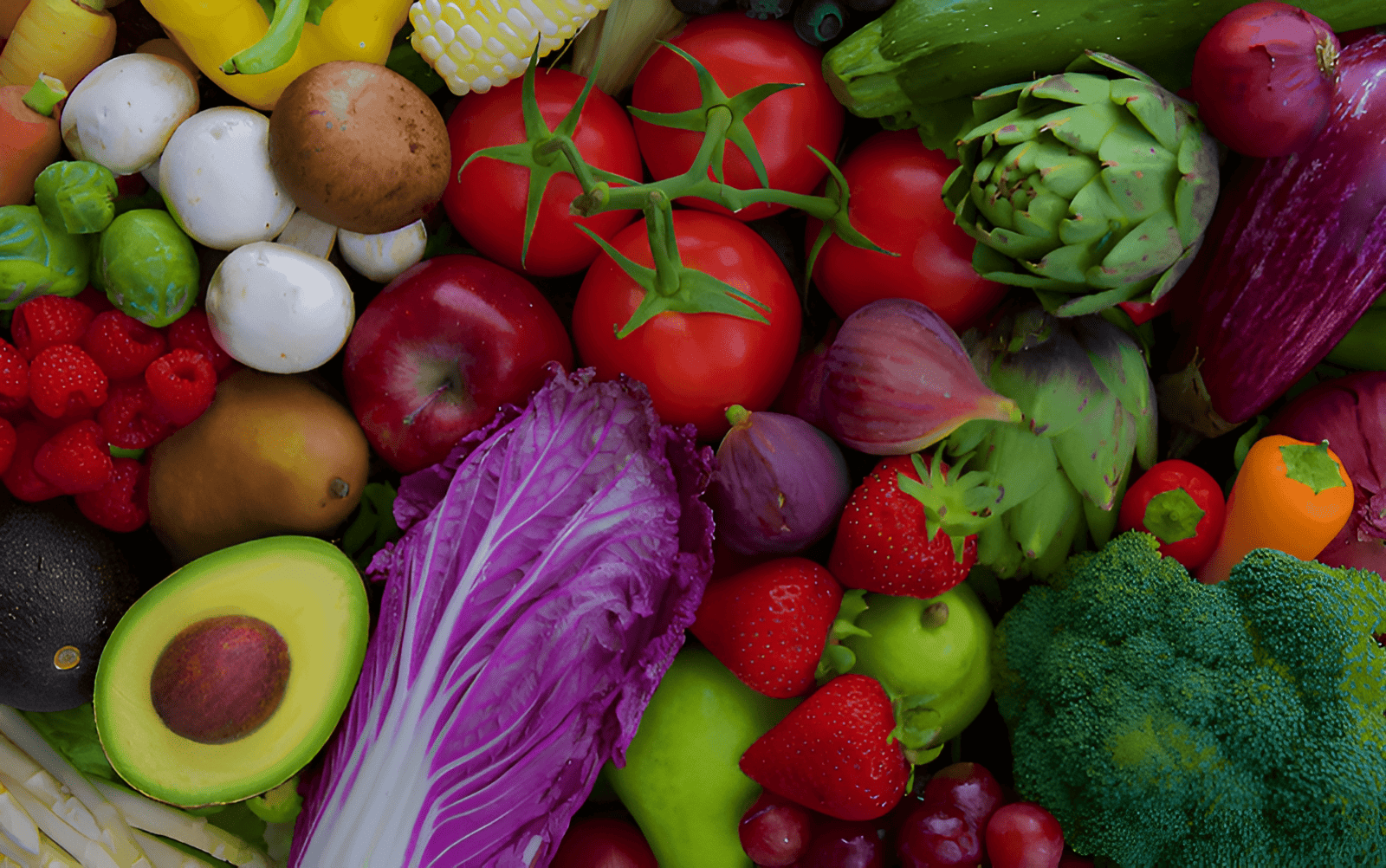
The impact of nutrient-dense foods on health and wellness can be profound.
First and foremost, the consumption of nutrient-dense foods offers the essential nourishment your body requires for peak performance. This includes key nutrients that bolster the immune system, enhance skin health, assist in digestion, and fuel energy production, among other functions. Providing your body with these necessary nutrients lays the groundwork for your path to wellness.
Next, these nourishing foods play a vital role in weight management. Generally low in calories but rich in fiber and protein, they help you feel satisfied for extended periods, decreasing the chances of eating too much. Moreover, they aid in stabilizing blood sugar, minimizing those snack cravings.
Finally, adopting a diet abundant in nutrient-dense foods is a pre-emptive strategy to stave off chronic illnesses, like heart disease and cancer. A substantial number of these foods contain antioxidants, which have the potential to reduce or eliminate inflammation, a principal factor in the development of heart disease, diabetes, and cancer.
By choosing food over snacks, you're actively taking measures to safeguard your health.
In recent years, there's been a growing interest in organic foods and superfoods for their potential health benefits. Organic foods are grown without the use of synthetic pesticides and fertilizers, while superfoods are foods that are nutritionally dense compared to some others and thus are better for a person’s health.
Both organic foods and superfoods can play a role in a nutrient-dense diet. Organic foods can be a healthier choice if you are concerned about pesticide exposure, while superfoods, like berries, leafy greens, and nuts, are packed with nutrients to give your body a boost and supercharge the immune system.
However, it's crucial to remember that the most important factor in your diet is not whether a food is organic or a superfood, but rather its overall nutritional value within your diet. A balanced diet featuring a variety of nutrient-dense foods will provide the most health benefits.
Many people confuse calorie-dense foods with nutrient-dense foods, but they are not the same. Calorie-dense foods provide a large amount of energy (calories) per serving, often from fats, refined carbohydrates, or added sugars. Examples include fried foods, pastries, chips, and sugary snacks—foods that deliver high energy but relatively few essential vitamins and minerals.
In contrast, nutrient-dense foods provide high levels of vitamins, minerals, fiber, protein quality, and phytonutrients relative to their calorie content. Leafy greens, berries, legumes, pasture-raised eggs, wild-caught fish, and colorful vegetables are examples of foods that deliver more micronutrient value per bite without excess calories. Choosing nutrient-dense foods over calorie-dense processed options supports better metabolic health, stable energy, and long-term wellness.
Explore what plants are actually made of—carbon, water, minerals, trace elements, and the biological systems that power growth, yield, and nutrient density.
Food security is a major issue worldwide, with millions of people lacking access to sufficient, safe, and nutritious food. One way to combat this issue is through the promotion of nutrient-dense foods.
Nutrient-dense foods, particularly those that are locally sourced and sustainably grown, can play a crucial role in achieving food security. They can provide communities with access to highly nutritious foods while also supporting local economies and sustainable agriculture.
An acre devoted to cultivating nutrient-dense foods can yield the same number of vitamins and minerals that a 10-acre farm might produce with lower-density fruits and vegetables. This efficiency in land usage can be a significant step towards resolving the problem of hidden hunger, a type of undernutrition where individuals might be consuming adequate quantities of food but are still deficient in essential nutrients.
Sustainable agriculture is a farming system that's environmentally friendly, socially responsible, and economically viable. It involves practices that protect the environment, support local farmers, and provide nutrient packed fruits and vegetables.
Combined with innovative resource-smart technologies provided by Crop Circle Farms, sustainable agriculture can contribute significantly to nutrient-dense food systems. By prioritizing soil health, adopting no-till agriculture methods, promoting biodiversity, and low water and fertilizer use, we can produce foods that are not only healthier for all of us but also better our planet.
Including agricultural soil building activities, such as crop rotation, organic farming, and targeted agriculture methods, can increase the nutritional value of crops in a sustainable way. By supporting sustainable agriculture, we're investing in a food system that can provide us with nutrient-dense produce anywhere we grow.
Dietary guidelines set out by health provisional and government officials play a crucial role in shaping our food choices and recommended diet. By adapting these guidelines to include more nutrient-dense foods, the correct recommendations can promote healthier eating habits and improve public health.
Many dietary guidelines already recommend consuming a variety of nutrient-dense foods. However, there's room for improvement. For example, guidelines could provide more specific recommendations for the types and amounts of nutrient-dense foods people should be eating.
Clearly, dietary guidelines would place greater emphasis on the importance of consuming whole foods and the avoidance of processed foods for better health and by doing so, they can encourage individuals to choose foods that are better for them and avoid connivence foods with added sugars, unhealthy fats, and sodium.
While nutrient-dense foods should form the basis of your diet, nutritional supplements can play a role in certain situations. For example, if you have a nutrient deficiency, are pregnant, or follow a restrictive diet, supplements can help ensure you're getting the nutrients you need.
However, supplements should not replace a healthy, balanced diet. It's always best to get your nutrients from whole foods whenever possible, as they provide a broad range of nutrients that work together to support your health.
It’s important to remember that not all supplements are created equal, so do your research and compare ingredients on the product labels.

Nutrition education can help children and adults understand food labels, food groups, portion sizes, meal planning, and the role different nutrients play in a balanced diet. Developing these skills can make it easier to choose nutrient-dense foods while still allowing for personal preferences, culture, availability, and budget.
Learning to read food labels can also help consumers compare products for nutrients, added sugars, saturated fat, sodium, serving size, and other important information.
Nutrition education can be provided through schools, community programs, healthcare settings, gardens, cooking programs, and online resources. The goal is to give people practical information they can use to build varied and nutritionally balanced eating patterns.
Building a more nutrient-dense eating pattern does not require changing everything at once. Small, consistent changes can make meals more varied and nutritionally balanced.
A nutrient-dense eating pattern emphasizes a variety of vegetables, fruits, whole grains, legumes, nuts, seeds, and appropriate sources of protein while limiting foods that provide large amounts of added sugars, sodium, or saturated fat relative to their nutritional value.
Eating this way can help people meet vitamin, mineral, fiber, protein, and other nutritional needs within an appropriate calorie intake. Individual needs vary according to age, activity level, health, pregnancy, medications, allergies, and other factors.
Rather than pursuing a single “perfect” food, the practical goal is to build meals around a varied selection of nutritious foods that can be enjoyed and maintained over time.
Nutrient-dense foods provide useful amounts of vitamins, minerals, fiber, protein, healthy fats, or other beneficial food components relative to the calories or serving size they provide.
Examples can include vegetables, fruits, legumes, whole grains, nuts, seeds, fish, eggs, dairy foods, and other minimally processed foods. Nutrient density varies among individual foods, so a varied diet is more important than relying on one particular food.
Nutrient concentrations in crops can be influenced by plant genetics, soil properties, nutrient availability, water, temperature, sunlight, crop maturity, plant health, and growing conditions.
Soil testing, appropriate fertilization, organic matter management, crop rotation, irrigation management, and other agronomic practices can support healthy plant development, but no single farming practice guarantees higher nutrient levels in every crop.
Yes. Maturity at harvest, temperature, exposure to light and oxygen, storage time, transportation, and handling can influence the concentration of some vitamins and other food compounds.
Effects vary by crop and nutrient. Prompt cooling and appropriate storage can help preserve quality, while prolonged storage or unsuitable conditions may reduce certain nutrients.
Look for a varied selection of vegetables, fruits, whole grains, legumes, nuts, seeds, and appropriate protein sources rather than depending on one food or marketing label.
Nutrition Facts labels can also help compare packaged foods for fiber, protein, vitamins, minerals, added sugars, saturated fat, sodium, serving size, and calorie content.
A refractometer can measure Brix, which primarily indicates soluble solids in plant juice, including sugars and other dissolved compounds. It can be useful for comparing maturity, sweetness, or crop quality under consistent conditions.
Brix is not a complete measurement of vitamins, minerals, protein, or overall nutrient density. Laboratory plant-tissue or food analysis is required when precise nutrient concentrations are needed.
Cooking can reduce some heat-sensitive or water-soluble nutrients, especially when foods are cooked for long periods in large amounts of water. Other nutrients and plant compounds may remain stable or become more available after cooking.
Steaming, roasting, microwaving, sautéing, freezing, and other preparation methods affect foods differently. Nutrient retention depends on the food, nutrient, temperature, cooking time, and preparation method.
Animal-derived foods can provide protein and nutrients such as vitamin B12, iron, zinc, calcium, iodine, vitamin D, and omega-3 fatty acids, depending on the food.
Nutritional composition can vary with species, feed, production system, processing, and preparation. Animal foods are one possible component of a nutrient-dense diet rather than a requirement for every individual.
Meal planning can make it easier to include foods from several food groups and maintain variety throughout the week. Keeping vegetables, fruit, whole grains, legumes, nuts, seeds, and suitable protein sources available can simplify nutritious meal preparation.
Rather than searching for a single perfect meal, aim for variety across the overall eating pattern and choose foods that fit individual nutritional needs, preferences, culture, and budget.
No. Organic or regenerative production does not automatically guarantee higher concentrations of vitamins, minerals, or other nutrients.
Farming practices can influence soil conditions and crop development, but food composition also depends on genetics, crop variety, weather, maturity, yield, soil characteristics, harvest timing, storage, and other factors. Nutritional differences should therefore be evaluated crop by crop.
Crop Circle farming systems can be designed to support efficient irrigation, soil management, crop rotation, nutrient management, diversified planting, and timely harvesting.
These practices can help create favorable growing conditions and improve production efficiency, but nutrient content should be measured rather than assumed. Crop variety, soil conditions, climate, maturity, and post-harvest handling remain important determinants of food composition.
Related topics: Explore soil health, nutrient cycling, cover crops, regenerative farming, and sustainable agriculture for more information about soil, crop production, and food systems.