Monoculture
Why Mono-Cropped Fields Resemble Biological Deserts
Monoculture (mono-cropping) is the practice of planting a single crop across a field—or across an entire region—often repeating the same crop year after year. It can simplify planting and harvest, support mechanized workflows, and help farms scale production. But the tradeoff is risk: uniform landscapes tend to amplify pests and diseases, reduce soil biology, and increase reliance on fertilizers and pesticides when rotations and cover are missing.
This guide explains where monoculture can work, why it often degrades soil and water quality over time, and what practical alternatives look like—crop rotation, cover crops, buffer strips, intercropping, and diversified layouts that improve resilience without sacrificing order and efficiency.
The widespread practice of mono-cropping, or the cultivation of a single type of crop across vast stretches of land, is the result of prioritizing quantity over diversity. This approach is largely guided by the goal of optimizing yields to increase profits and achieve economies of scale, largely favoring efficiency over food quality and ecological balance. It is a model that looks at farming through the lens of industrial production, treating agricultural landscapes as factories instead of the fragile ecosystems we all depend on.
The meteoric rise of mono-cropping is due in part to advancements in mechanized agriculture and the efficient removal of water from underground aquifers. Aquifer irrigation has become so efficient at removing water that half of the world’s underground water reserves are permanently depleted placing a billion people in a state of food insecurity.
A vast array of farm machinery has been invested to sow, plant, weed, pesticide, and harvest a wide variety of crops including beets, corn potatoes, tomatoes, growing peppers, and beans and with the development of AI, much of this can be automated.
Even the crops themselves have been genetically modified to adapt to mechanical harvesters. Bush beans for example, are bred specifically to grow more upright and set pods at the top of the plant making it easier for a mechanical harvester to pick.
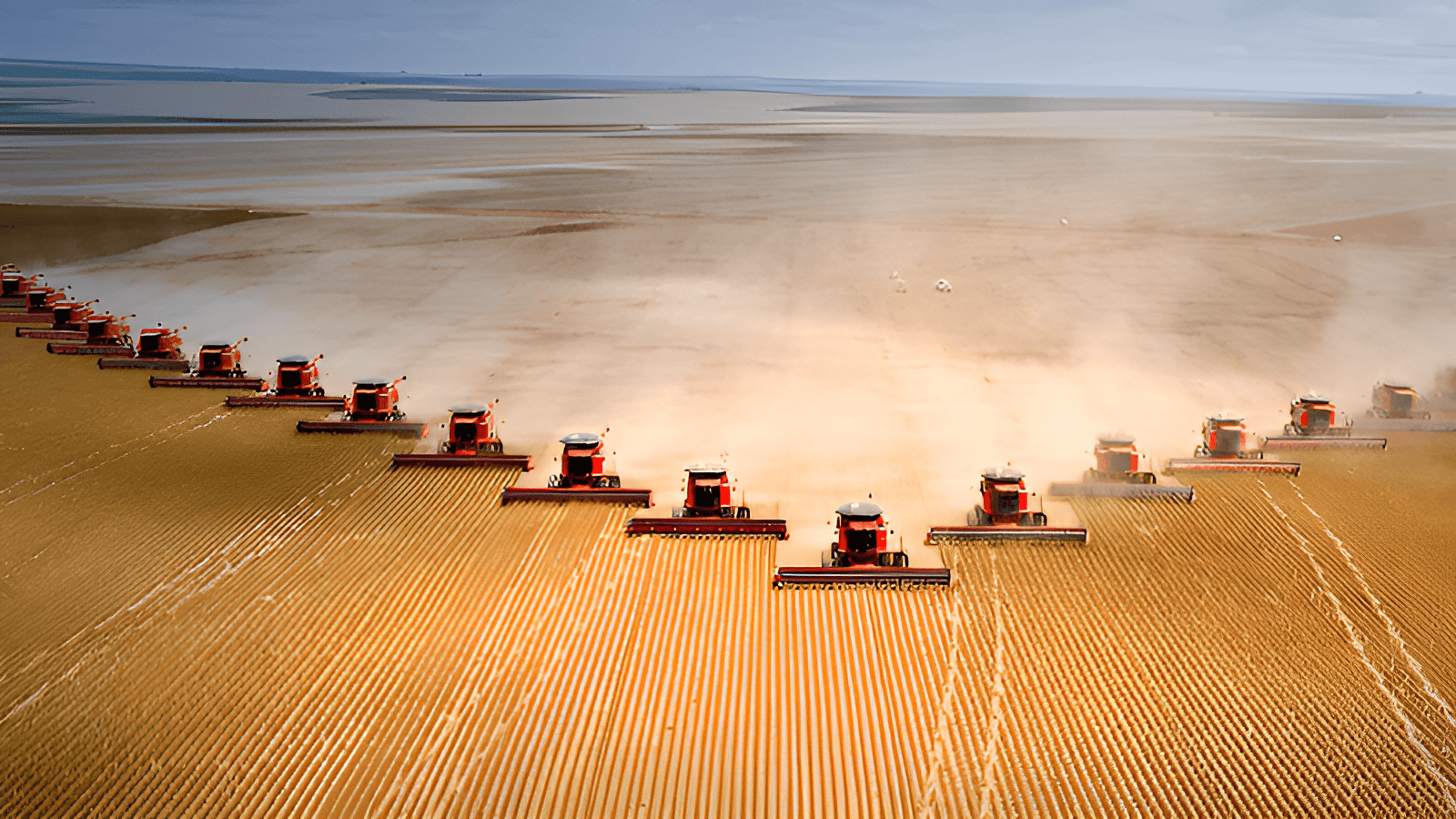
Monoculture has significant environmental implications that manifest in a variety of ways. One of the most pressing of these concerns pertains to soil health. Continuous cultivation of the same crop on the same land exhausts nutrients that are vital for the plant's growth in as little as 3 years. This forces farmers to resort to the use of synthetic fertilizers in an effort to replenish the soil.
However, this solution can have devastating consequences for the environment. For example, eutrophication, a condition where fertilizers leach into rivers, lakes, or oceans, destroy native aquatic ecosystems. In coastal regions, the uncontrolled run-off of fertilizers into oceans is killing coral reefs and creating state-sized algal blooms.
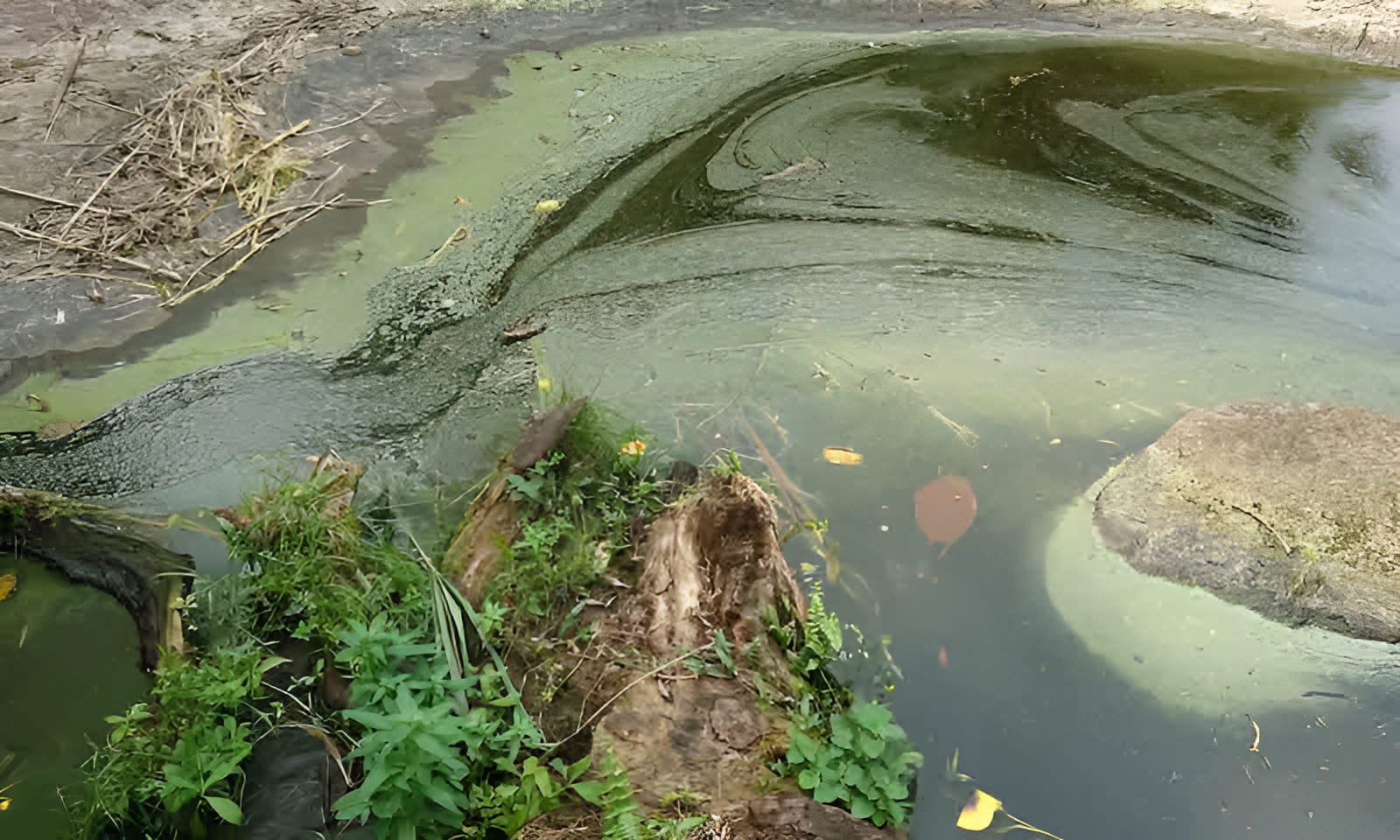
Most water bodies adjacent to monocultured fields are not fit to drink, polluted with a chemical soup not even suitable for wildlife both terrestrial and aquatic.
Intentionally decreasing plant diversity by growing a single plant type impacts the surrounding ecosystem. In a biodiverse environment, numerous plant and animal species coexist, interacting in ways that create a robust and resilient ecosystem. These interactions, including pollination, pest control, and nutrient recycling, are virtually non-existent in a monocultured field.
Mono-cropped fields often resemble biological deserts, where few species can thrive. The lack of diversity in these landscapes undermines ecological stability, making the system more vulnerable to diseases and pests. A single pest or disease can wipe out an entire crop, as all plants are genetically similar and susceptible to the same threats. This lack of ecological resilience is a significant drawback of monoculture farming, demonstrating the need for more diverse and sustainable agricultural practices including the adoption of buffer strips.
When examined from an economic viewpoint, monoculture farming can be seen as a high-stakes gamble with a host of inherent risks. This system often puts farmers in a precarious position as they become dependent on the success of a single crop for their livelihood. Such an arrangement leaves them exposed to the whims of market dynamics and unpredictable biological or climatic events.
For instance, price volatility is one concern for monoculture farming enterprises. Should the market price for a specific crop plunge due to oversupply, international competition, or changes in consumer demand, the farmer with a monoculture field will bear the full brunt of this downturn, and his bottom line.
As referred to earlier, the threat of crop failure due to disease outbreaks or extreme weather events present a significant risk as well. Since all the plants in a monoculture are genetically identical, a single pest or disease could potentially devastate the entire crop. Similarly, a severe weather event, such as a drought, windstorm, or an early frost, could cause widespread crop failure, as the lack of in field diversity means that there's no species in the system that is there to help the farmer to partially recover the loss of income.
Furthermore, mono-cropping often involves substantial reliance on agrochemicals like fertilizers and pesticides, as well as specialized machinery designed to propagate a specific crop. This dependency introduces additional layers of financial vulnerability. The high costs of these inputs can place a significant financial burden on farmers, especially if crop yields fail to meet expectations or if prices of these inputs rise.
Moreover, machinery specifically designed for a single crop type limits the farmer's ability to diversify their production or switch to different crops, further locking them into the single crop grown monoculture system. All of these factors amplify the economic risks associated with monoculture farming, revealing a paradox where the pursuit of efficiency and yield maximization may lead to increased vulnerability and instability for the farmer.
While monoculture offers some notable advantages such as maximizing crop yield and helping to fulfill global food demands, it's also crucial to acknowledge that there needs to be a more balanced approach to industrialized agriculture.
The introduction of buffer strips, crop rotation, intercropping, and polyculture would help off-set the negative effects on native ecosystems, including rivers, lakes, and oceans.
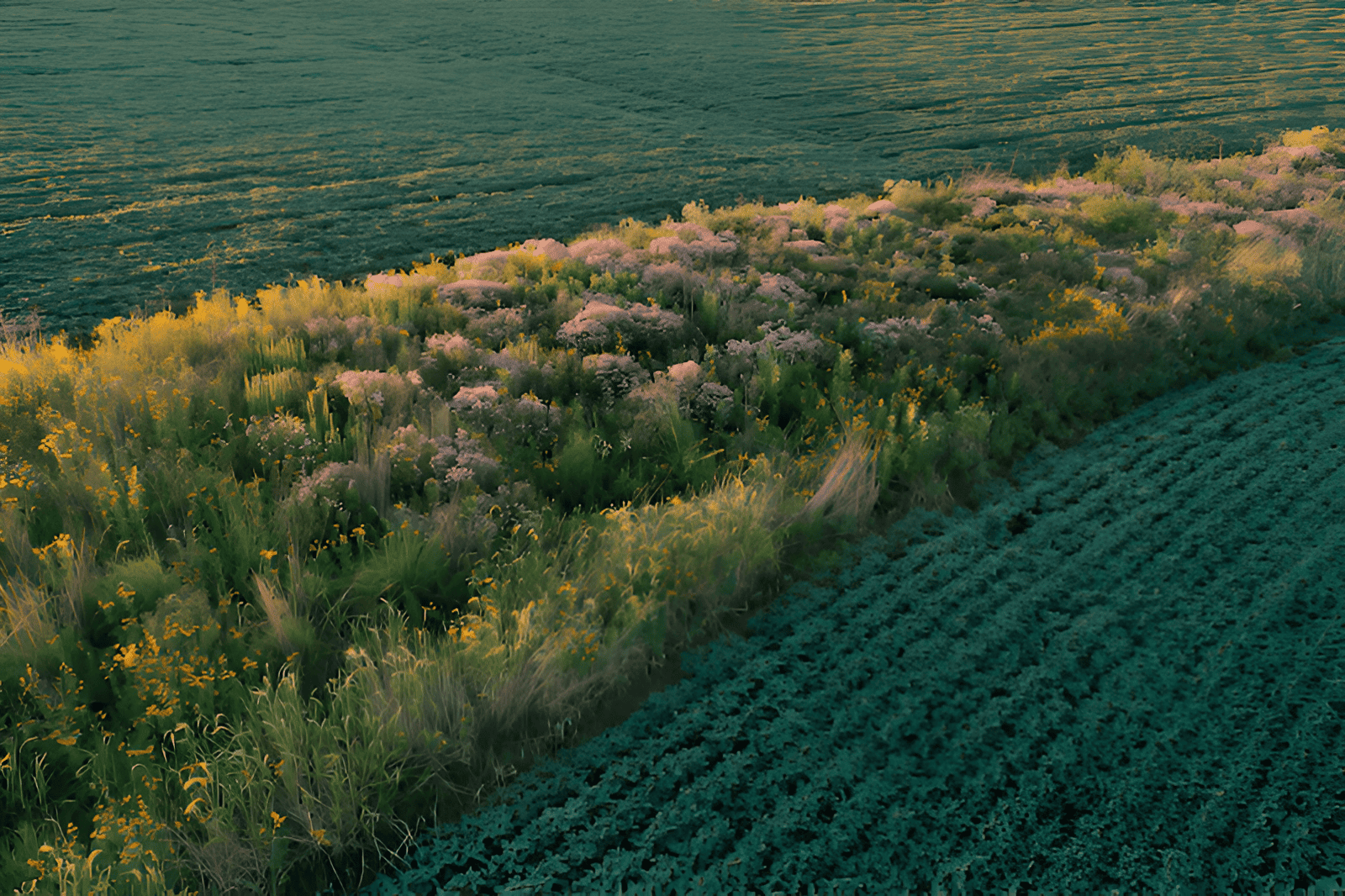
Buffer strips, for instance, are areas left unplanted with native plants to assist in the incubation of localized flora and fauna. They also serve as protective barriers against soil erosion, nutrient runoff, and even as habitats for beneficial insects including pollinators. A ribbon of native plants tilled across a monocultured field creates a biodiverse farm ecosystem that is more environmentally friendly.
Crop rotation can also be an effective strategy, where different crops are planted in the same area in sequential seasons. This practice not only replenishes the soil with diverse nutrients but also disrupts the life cycles of pests and pathogens, reducing the likelihood of disease outbreaks.
Similarly, intercropping and polyculture—methods that involve growing different crops near one another—can bolster soil health, enhance pest resistance, and again increase biodiversity.
These techniques promote a symbiotic relationship among different plant species, enabling them to grow and build a resilient ecosystem.
In view of the problems associated with monoculture, it’s clear that there is an urgent need to embrace a holistic and balanced approach to agriculture. It's a call to action to evolve farming methods that not only ensure food security for a growing global population but also uphold the preservation of our environment.
Monoculture farming is the practice of growing a single crop species across a field or production area. The same crop may also be planted repeatedly over successive seasons, although a farm can use monoculture during one season while rotating to other crops in later years.
Monoculture can simplify planting, irrigation, fertilization, pest management, harvesting, storage, and marketing. Uniform crops also work efficiently with specialized machinery and can make large-scale production easier to organize. These operational advantages help explain why monoculture is common in commodity agriculture.
Repeatedly growing the same crop can increase vulnerability to certain pests and diseases, narrow biological diversity, and repeatedly draw on similar soil nutrients. The degree of risk depends on crop rotation, genetics, soil management, irrigation, pest management, climate, and other farming practices.
Continuous production of one crop can reduce the diversity of roots, residues, and biological inputs entering the soil. Depending on tillage, residue management, fertilizer use, erosion, and other factors, this can influence soil organic matter, nutrient cycling, soil structure, microbial communities, and water infiltration over time.
Not necessarily. However, large areas of the same susceptible crop can provide abundant habitat and food for particular pests or pathogens. Crop rotation, resistant varieties, biological controls, integrated pest management, habitat for beneficial organisms, and careful monitoring can help reduce pest pressure and reliance on chemical controls.
Agricultural runoff can carry sediment, nitrogen, phosphorus, pesticides, and other materials into nearby waterways when they are not adequately retained in the field. Monoculture itself does not automatically cause water pollution, but soil exposure, nutrient management, irrigation, drainage, slope, weather, and the absence of protective vegetation can increase runoff and nutrient-loss risks.
Crop rotation is the practice of growing different crops in sequence on the same land. Well-designed rotations can interrupt some pest and disease cycles, diversify root systems and crop residues, change nutrient demands, and improve overall production resilience. The benefits depend on which crops are included and how the rotation is managed.
Cover crops can protect soil between cash crops, reduce erosion, add organic residues, capture some residual nutrients, and support soil biological activity. Vegetated buffer strips can slow runoff, trap sediment, intercept some nutrients, and provide habitat along field margins or waterways.
Monoculture grows one crop species within a production area. Intercropping grows two or more crops together in a planned arrangement, while polyculture generally refers to growing multiple crop species within the same agricultural system. Each approach has different requirements for equipment, labor, crop competition, harvesting, and management.
Yes. Farmers can retain the operational advantages of uniform crop fields while incorporating practices such as crop rotation, cover crops, reduced soil disturbance, integrated pest management, precision irrigation and nutrient management, resistant crop varieties, buffer strips, hedgerows, and other forms of habitat diversification.
Crop Circle Farms can help evaluate farm layout, crop selection, irrigation, soil-management practices, production goals, and site conditions for a more efficient growing system.
Contact Us to discuss a Crop Circle Farm design for your property.
Growing To Give works with partners interested in practical food production, water efficiency, soil health, and agricultural resilience in communities where locally grown food can make a meaningful difference.
Learn More about supporting an initiative or program.