Artificial River Fish Farming
Where land and water work together
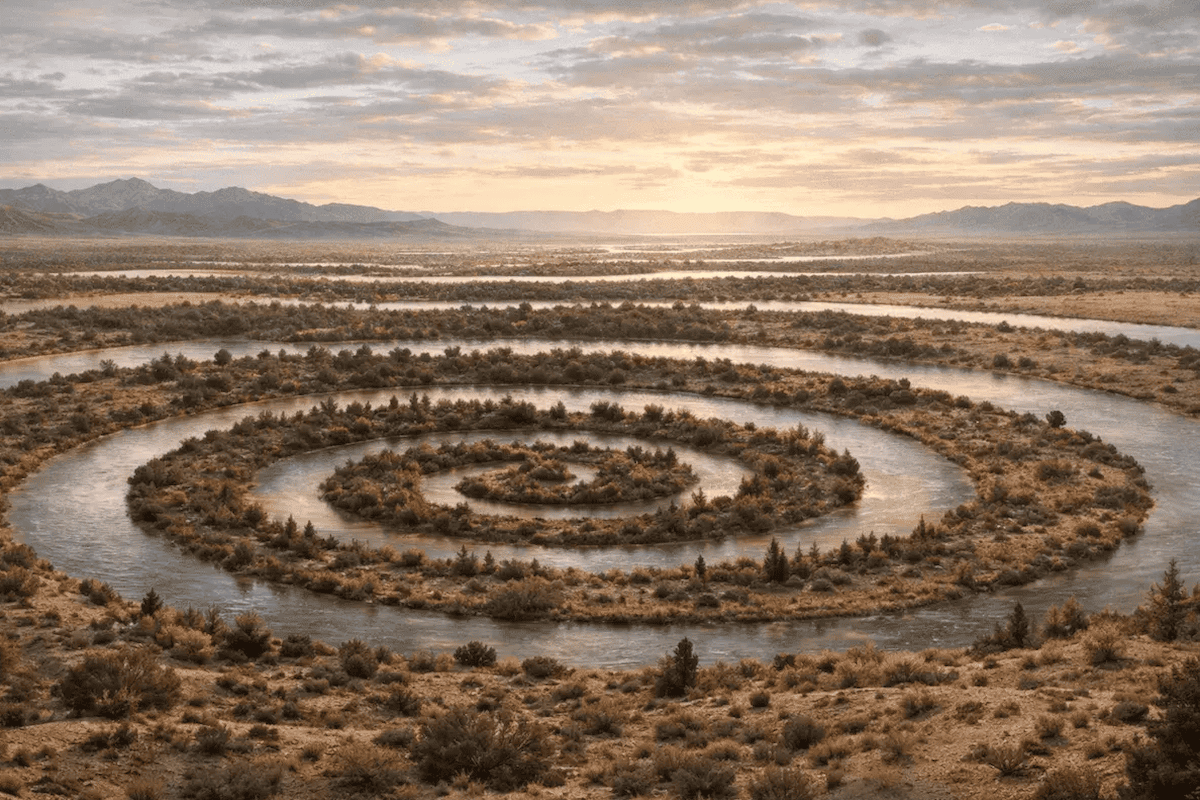
Artificial river fish farming represents a powerful evolution in land-based aquaculture. Instead of static ponds or offshore cages, this system mimics the hydrology, oxygenation, and ecological complexity of a natural flowing river—while operating within a fully controlled, land-based recirculating aquaculture system (RAS).
At its core, artificial river aquaculture creates a continuous, oxygen-rich current inside engineered channels or raceways. Water flows in loops, passing through biological filtration zones, sediment capture basins, aeration chambers, and even constructed wetland segments before returning to the fish habitat. The result is a dynamic, regenerative water ecosystem that supports fish health, restores degraded land, and produces high-quality protein with dramatically lower environmental impact than conventional systems.
This model has the potential to transform aquaculture from a resource-extractive practice into a regenerative land-restoration tool.
Artificial river fish farming is a land-based aquaculture system that:
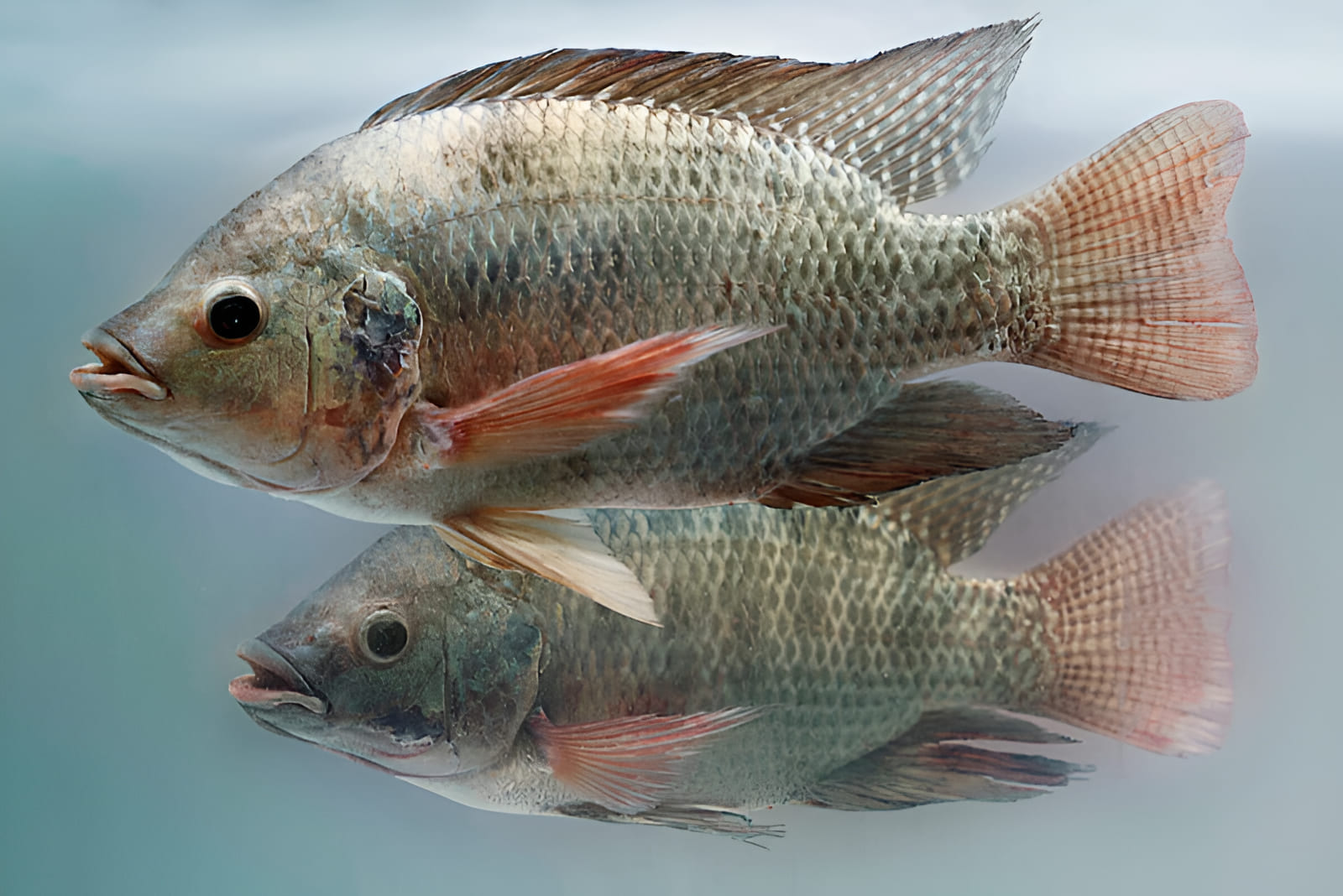
Unlike traditional ponds where water may stagnate, artificial rivers keep fish in constant current. This improves oxygen levels, strengthens fish muscle development, reduces stress, and mimics natural habitat conditions for species like trout, salmon, tilapia, barramundi, carp, and hybrid striped bass.
Water circulates through mechanical filters (to remove solids), biofilters (where nitrifying bacteria convert ammonia into less toxic forms), oxygenation towers, and optional plant-based filtration zones such as reed beds or wetlands.
In advanced designs, the system becomes a closed-loop ecological machine.
Fish evolved in moving water. Flow improves:
In stagnant ponds, waste accumulates quickly, leading to ammonia spikes, algae blooms, and disease outbreaks. In artificial river systems, continuous flow reduces pathogen load and improves overall ecosystem stability.
Additionally, the natural river-like current encourages healthier fish behavior patterns, lowering stress and improving feed conversion ratios (FCR).
Land-based aquaculture has gained momentum due to growing concerns over ocean fish farms, including sea lice, antibiotic use, escaped farm fish, and marine ecosystem damage. Artificial river systems enhance the RAS model by:
This allows high-quality seafood production in deserts, degraded farmland, abandoned industrial zones, or even near urban centers.
Imagine transforming non-productive land into a living-water protein farm.
Artificial river fish farming goes beyond food production—it can serve as a biological land restoration engine.
Water circulating through constructed wetlands can:
Over time, formerly compacted or nutrient-depleted land can regenerate into productive ecosystems.
Fish waste contains nitrogen, phosphorus, and organic matter. Instead of discharging this into rivers (where it can cause eutrophication), artificial river systems capture and repurpose it:
Waste becomes a resource.
Integrated wetland filtration zones provide habitat for:
This increases biodiversity even within a food production system.
Artificial river fish farming offers powerful secondary benefits that extend far beyond ecological reclamation and protein production.
Flow-based systems can incorporate:
Energy use can be offset by on-site renewable systems.
When paired with:
The system can sequester carbon while producing protein—creating a dual-output climate solution.
Because the system recirculates water:
In regions facing water scarcity, artificial rivers may provide protein with less water per kilogram than beef, pork, or poultry.
Compact artificial river systems can be built near cities:
Urban aquaculture can help stabilize supply chains during global disruptions.
Land-based systems:
This reduces reliance on antibiotics and improves traceability.
Artificial river systems can be:
Modules can be replicated and expanded in phases.
Artificial river fish farming creates multiple revenue streams:
High-value species grown in clean, traceable systems can command premium market pricing.
Additionally, controlled environments reduce mortality losses, stabilizing production yields and improving investor confidence.
Traditional industrial aquaculture often separates production from ecology. Artificial river systems reconnect them.
The design can incorporate:
This aligns with regenerative agriculture principles and circular economy design.
Instead of extracting from ecosystems, artificial rivers help rebuild them.
Flow-based artificial rivers are well suited for:
Different species require specific flow velocities and oxygen concentrations, but modular channel design allows customization.
A successful artificial river aquaculture system includes:
Advanced systems integrate AI-driven water monitoring to maintain ideal conditions.
Artificial river systems can:
Community-scale systems could supply schools, hospitals, and local markets with clean, traceable fish.
In developing nations, modular artificial rivers may help reduce reliance on imported protein.
As oceans warm and wild fisheries decline, climate-resilient food systems become essential.
Artificial river fish farming offers:
Because production is insulated from marine ecosystem collapse, supply chains become more stable.
Looking ahead, artificial river aquaculture could become part of integrated land-use design:
These systems could form biological “arteries” across restored landscapes—circulating nutrients, building soil, and producing food simultaneously.
Artificial river fish farming represents a philosophical shift.
It reframes aquaculture from:
to:
When engineered thoughtfully, these systems can:
And importantly, they offer a scalable blueprint for producing protein without degrading oceans or waterways.
Artificial river fish farming stands at the intersection of ecology, engineering, and food resilience. By mimicking the dynamic intelligence of natural rivers within controlled land-based systems, we unlock a powerful new model of aquaculture—one that restores land while producing sustainable protein.
It is not merely fish farming.
It is water ecology designed for regeneration.
In a world facing water scarcity, climate instability, and declining wild fisheries, artificial rivers may become one of the most promising pathways toward resilient, restorative food systems.