Animal Feed Guide
Nutrients • Forage Quality • Ration Formulation • Pasture • Feed Safety
Animal feed is more than “what animals eat.” A feeding program is a system that matches species, life stage, and production goal (growth, milk, eggs, finishing) to the right balance of energy, protein, fiber, minerals, vitamins, and water. When feed is balanced and consistent, animals perform better, health problems decline, and waste (cost) tends to drop.
Feed is any material consumed by an animal that contributes nutrients and supports maintenance, growth, production, and reproduction. In practice, feed is often a blend of: forage (pasture, hay, silage), energy ingredients (grains, fats), protein ingredients (meals, legumes), and mineral/vitamin supplementation.
Feed is not “one recipe.” A feed that works for a finishing steer may be wrong for a lactating dairy cow, a laying hen, or a pregnant ewe. The same ingredients can also behave differently depending on forage quality, processing, and how quickly animals transition to a new diet.
Energy fuels maintenance and production. Most diets supply energy from carbohydrates (grain or forage) and fats.
Protein supplies amino acids for tissue growth, milk, eggs, and enzymes. Protein quality and amino acid balance matter most for poultry and pigs.
Fiber is essential for ruminants (cattle, sheep, goats) to support rumen function and prevent digestive upsets.
Minerals include macro minerals (calcium, phosphorus, magnesium, potassium, sodium, chloride) and trace minerals (zinc, copper, manganese, selenium, iodine, iron).
Vitamins support immunity, reproduction, and metabolism; some are synthesized in the rumen, but many systems use premixes for consistency.
Water is the most overlooked nutrient. Poor water quality can look like a “feed problem” in performance and manure consistency.
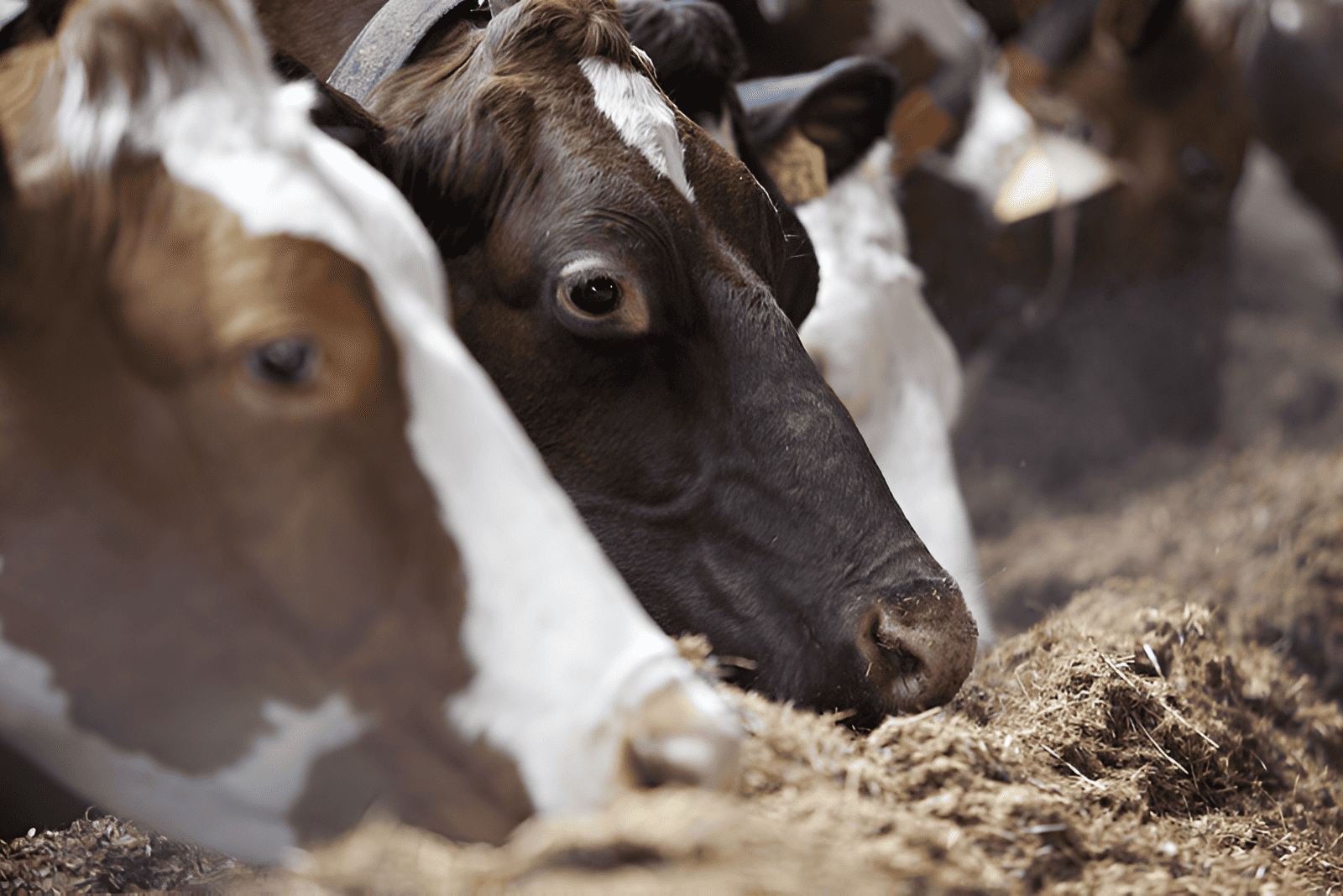
Forage is the nutritional foundation of most ruminant systems, including cattle, sheep, and goats. High-quality pasture, hay, and silage provide fiber and nutrients that support normal rumen function. Rotational grazing, adequate recovery periods, appropriate stocking rates, and forage testing can improve the consistency and nutritional value of forage-based feeding systems.
Poultry and pigs can also consume pasture, greens, and other forage materials, but these generally supplement rather than replace a species-appropriate balanced ration. Their digestive systems do not utilize high-fiber forage in the same way that ruminants do.
Processed feeds are often used to deliver consistent energy and protein density or to simplify feeding logistics. They can be effective when formulas are species-appropriate and minerals are correctly matched. The main risks are imbalance (too much rapidly fermentable starch), poor ingredient quality, and abrupt transitions.
Rather than labeling feeds as “good” or “bad,” focus on three measurable factors: ingredient quality, nutrient balance, and feed safety. Many farms use a blend: forage as the base and concentrates to meet specific production goals.
These ranges are provided only as general orientation and are not ration formulations. Nutrient requirements vary by genetics, age, body weight, production level, climate, forage quality, health status, and feed intake. Use species-appropriate feed recommendations and consult a qualified livestock nutritionist or veterinarian when formulating complete rations.
| Species / Stage | Typical Crude Protein Range | Fiber Needs | Key Notes |
|---|---|---|---|
| Laying hens | ~16–18% | Low–moderate | Calcium balance is critical for shell quality; amino acid balance (e.g., methionine) matters. |
| Broilers / meat birds | ~18–22% (varies by phase) | Low | Energy density and amino acid profile strongly influence growth and feed conversion. |
| Dairy cows (lactating) | ~15–18% | High (effective fiber) | Rumen stability matters; forage quality and consistent intake are major drivers of milk performance. |
| Beef cattle (growing/finishing) | ~11–14% (varies) | Moderate–high | Finishing diets require careful transitions; avoid sudden increases in grain. |
| Sheep | ~10–16% | High | Watch mineral tolerances—sheep can be sensitive to copper excess. |
| Goats | ~12–18% | Moderate–high | Often thrive with access to browse; manage parasite pressure and mineral balance. |
| Pigs | ~14–20% (varies by phase) | Low | Amino acid balance is key; fiber levels depend on age and system. |
Forage quality determines how much energy and protein animals can extract from hay, silage, or pasture. Two hay bales that look similar can perform very differently—especially in crude protein and fiber digestibility.
A lab forage test typically reports crude protein and fiber fractions (often listed as NDF/ADF) and may include minerals. Testing helps you: (1) reduce overfeeding grain, (2) target supplementation accurately, and (3) avoid performance “mysteries” that are really forage variability.
Rotational grazing supports higher-quality regrowth and protects root systems. Core practices include: maintaining recovery periods, avoiding repeated grazing to the same height, providing water and shade, and matching stocking rates to seasonal growth.
Wet feeds include freshly harvested greens (“green chop”), some silages, and high-moisture byproducts. Wet feed can be valuable when pasture is abundant or when hay is limited, but it requires careful handling because spoilage can happen quickly—especially in heat.
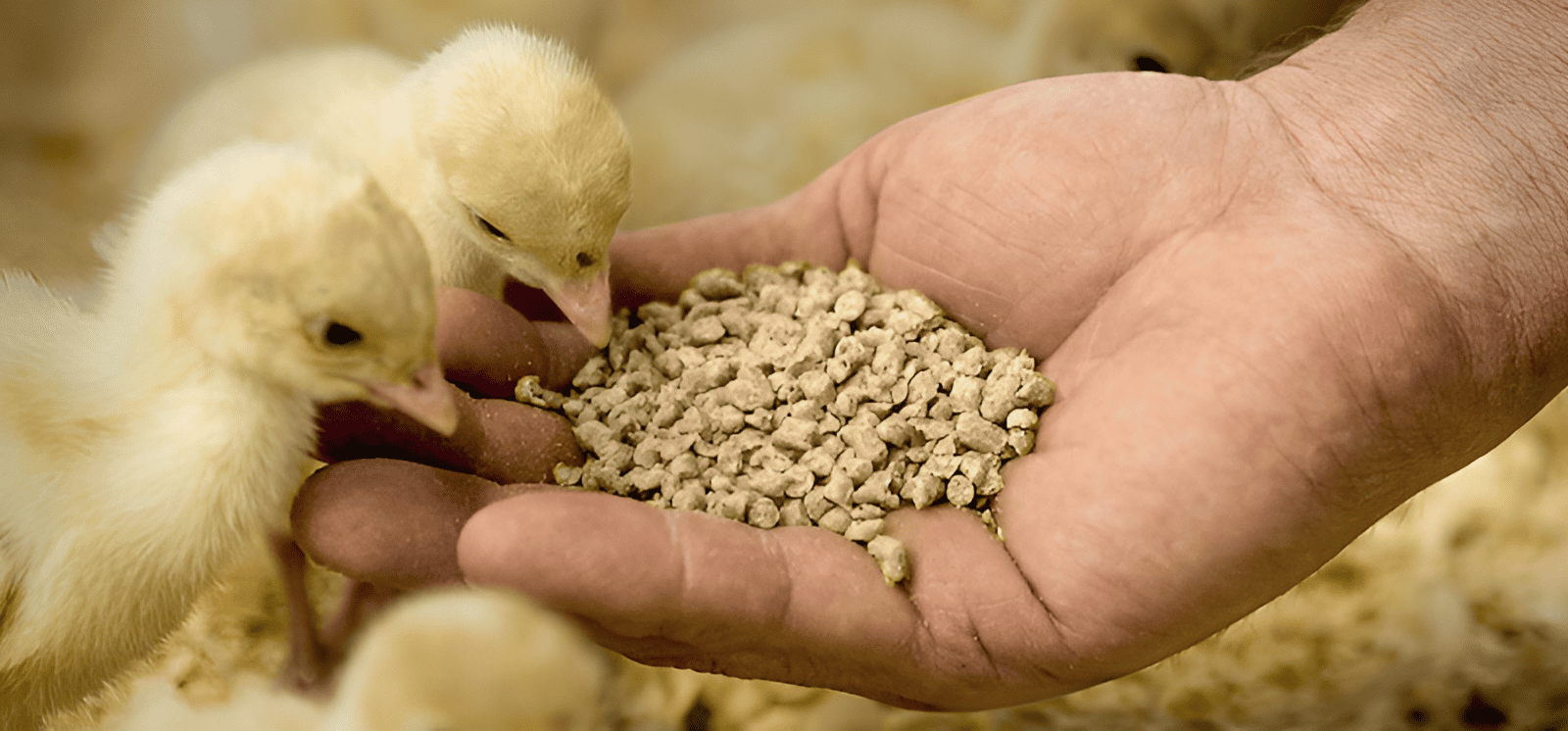
Dry feeds are easier to store and measure consistently. Pellets and cubes can reduce sorting and simplify feeding, but they should still be balanced around the needs of each species and stage.
A simple ration-building workflow keeps you from “chasing problems” later. Here’s a practical process you can adapt:
Local ingredients can lower cost and improve resilience—especially where imported feed is expensive. Options depend on region and species, but may include: legumes (field peas, faba beans), oilseed meals (sunflower, canola), distillers grains, bakery byproducts, and insect protein such as black soldier fly larvae.
When using alternatives: introduce slowly, confirm nutrient composition, and watch moisture/contamination risks. If you rely heavily on byproducts, consistency and storage become even more important.
Many performance and health problems are not “nutrition” problems but feed safety problems. Mold growth, heat damage, rancid fats, rodent contamination, and moisture intrusion can reduce intake and increase illness risk.
Mycotoxin note: The absence of visible mold does not guarantee that feed is free of mycotoxins. If contamination is suspected because of crop history, storage conditions, feed quality, or animal symptoms, consider laboratory testing and consult a veterinarian or livestock nutrition professional before feeding it.
| Symptom | Common Causes | What to Check First |
|---|---|---|
| Poor growth / low production | Low energy/protein, poor forage quality, mineral imbalance | Forage test, mineral program, consistent intake and water quality |
| Diarrhea / loose manure | Sudden ration change, spoiled feed, too much rapidly fermentable starch | Transition speed, feed freshness, grain level, fiber adequacy |
| Bloat (ruminants) | Rapid diet shifts, lush pasture without adaptation, inadequate fiber | Grazing management, step-up protocols, effective fiber |
| Abnormal eggshells (layers) | Low calcium, vitamin D issues, stress, inconsistent feeding | Calcium source/particle size, premix quality, feeding schedule |
| Off-feed events | Heat stress, water issues, spoiled feed, illness | Water, temperature, feed smell/appearance, health check |
Turn your 1 acre into a high-yield, profitable farm.
Crop Circle Farms specializes in designing and building fully engineered, low-impact farm systems that use 90% less water, 85% less fertilizer, and deliver two to three times the yield of traditional farming.
Whether you have a vacant lot, an empty field, a resort, school, island community, or small family farm, we’ll build it from the ground up for you. Our team handles everything from farm layout and installation to irrigation, root systems, training, and first planting.
Contact Us to explore a custom Crop Circle Farm design for your property.
Help expand our mission to improve food resilience and community-scale growing systems. We welcome partners to implement proven farm and garden models to feed people in need. Contact Growing To Give.
Most feeding programs balance energy, protein, fiber, minerals, vitamins, and water. Protein supplies amino acids needed for growth, milk, eggs, and tissue maintenance, while energy supports maintenance and production.
Fiber is particularly important for cattle, sheep, goats, and other ruminants because it supports normal rumen function. Nutrient requirements vary considerably by species, age, body weight, genetics, health, climate, and production stage.
Yes. Forage testing is one of the most useful steps when building livestock rations because hay, silage, and pasture can vary substantially in nutrient content even when they look similar.
A laboratory forage analysis can provide information such as crude protein, fiber fractions including NDF and ADF, moisture, and selected minerals. Knowing what the forage already supplies helps determine how much additional energy, protein, minerals, or other supplementation may be required.
Major feed changes should generally be introduced gradually rather than made suddenly. Many modest diet changes can be introduced over roughly 7–14 days, progressively increasing the new feed while reducing the previous ration.
Monitor appetite, manure consistency, behavior, body condition, and production during the transition. High-concentrate ruminant diets may require a longer adaptation period, so transition schedules should always reflect the species, feed type, and production system.
Keep animal feed cool, dry, clean, and protected from pests. Store bags off floors and away from damp walls, use sealed containers where practical, and rotate inventory using a first-in, first-out system.
Regularly inspect feed for moisture, clumping, insects, unusual odors, heating, discoloration, or visible mold. Feed showing signs of spoilage should not simply be blended into fresh feed.
The absence of visible mold does not guarantee that feed is free of mycotoxins. If contamination is suspected because of crop history, storage conditions, feed quality, or animal symptoms, laboratory testing and professional veterinary or nutrition advice may be appropriate.
Some feed ingredients can be used across several livestock species, but a single complete ration is rarely appropriate for every animal. Nutrient requirements differ substantially between poultry, pigs, cattle, sheep, goats, and other livestock.
Mineral requirements are especially important. For example, sheep can be sensitive to excessive copper, while laying hens require considerably more calcium for eggshell formation. Use species-appropriate feeds, supplements, and mineral programs rather than assuming one formula can safely meet every animal's needs.
Next steps: Explore carbon-smart farming, circular agriculture, and farm transparency systems for additional ways to connect livestock feeding with whole-farm efficiency and resilience.