Blockchain Farm Traceability
Food System Trust & Transparency
As global food supply chains become more complex, the ability to track agricultural products from farm to consumer has become increasingly important. Food today often travels thousands of miles, passes through multiple handlers, and crosses international borders before reaching store shelves. While this global system improves availability and efficiency, it also introduces risks related to food safety, fraud, sustainability claims, and supply chain transparency.
Blockchain farm traceability is emerging as a powerful solution to these challenges. By creating secure, tamper-resistant digital records of agricultural production and movement, blockchain technology allows every stage of food production to be verified, recorded, and trusted. Rather than relying on fragmented paperwork or isolated databases, blockchain enables a shared and transparent system where information follows the product itself.
In essence, blockchain traceability transforms agriculture into a verifiable ecosystem built on data integrity.
Blockchain farm traceability refers to the use of distributed ledger technology to record agricultural activities, product origins, handling events, and supply chain transactions in a secure digital system.
A blockchain functions as a decentralized database shared across multiple participants. Once information is recorded, it cannot easily be altered without consensus across the network. This creates a permanent and auditable history of events.
Within agriculture, blockchain systems can document:
Each step becomes a verified entry linked chronologically, forming a transparent chain of custody from seed to consumer.
Conventional agricultural traceability systems typically rely on paper documentation or disconnected digital platforms managed by individual companies. Information is often stored in silos, making verification slow and sometimes unreliable.
When problems occur—such as contamination outbreaks or mislabeled products—tracking the source can take days or weeks. During this time, entire product categories may be recalled, causing economic losses and damaging consumer confidence.
Common weaknesses in traditional systems include:
Blockchain addresses these challenges by establishing a shared record that all authorized participants can access and trust.
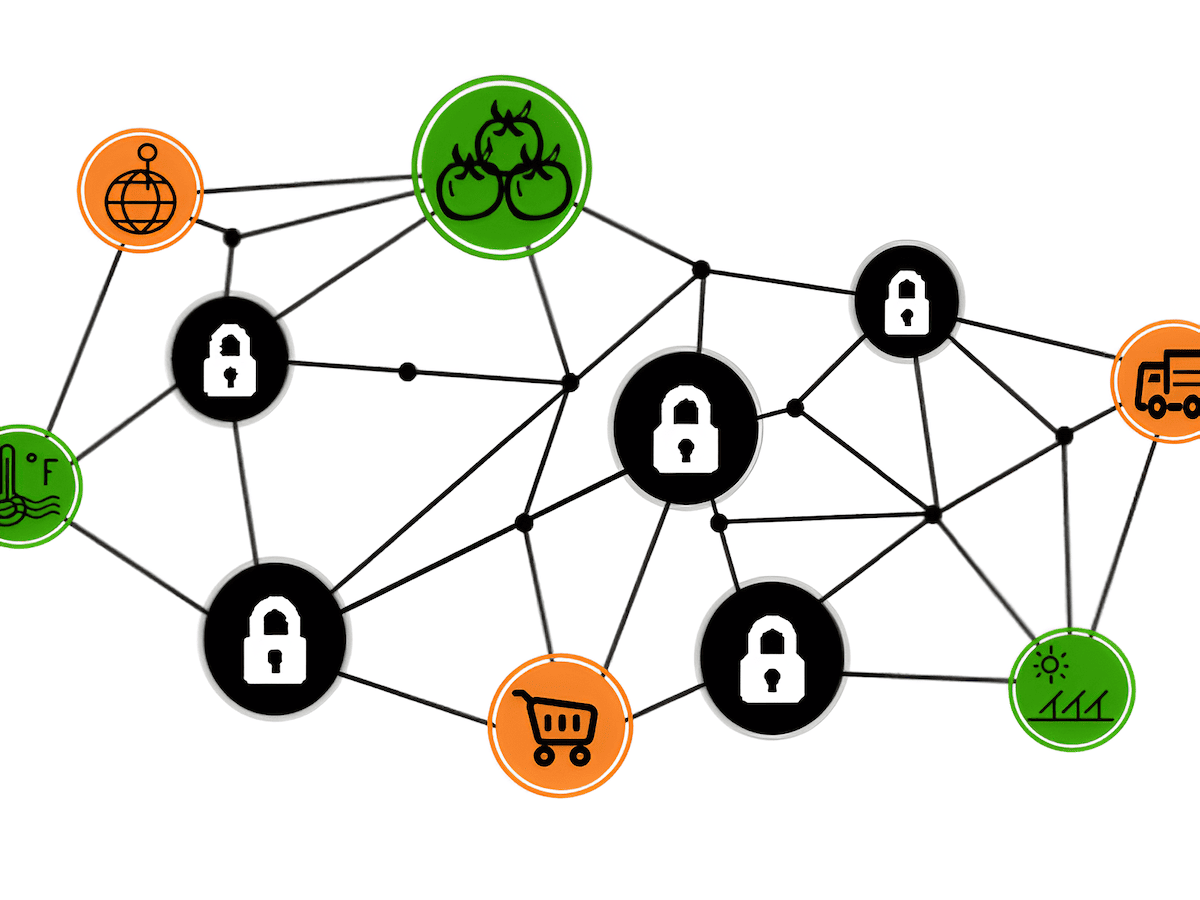
Blockchain technology strengthens transparency in several important ways.
Once farm data is recorded on a blockchain, it becomes extremely difficult to modify retroactively. This prevents falsification of production practices or certification claims.
Farmers, processors, distributors, regulators, and retailers can access verified information within a unified system. Transparency replaces fragmented reporting.
Products can be traced instantly back to their origin farm, allowing rapid response during safety investigations or recalls.
QR codes or digital product passports allow consumers to view verified production information, strengthening trust in food brands.
Transparency moves from marketing language to data-backed verification.
Blockchain farm traceability is already being implemented across multiple agricultural sectors.
Major food retailers use blockchain platforms to trace fruits and vegetables back to specific farms within seconds. This dramatically reduces the time required to isolate contamination sources during food safety events.
Blockchain systems help verify fair-trade sourcing and ethical labor practices. Farmers receive digital identities tied to production records, improving payment transparency and reducing intermediary fraud.
Animal health records, feed sources, and movement histories can be securely documented throughout an animal’s lifecycle, improving disease monitoring and export compliance.
Blockchain allows continuous verification of farming practices rather than relying solely on periodic inspections. Environmental claims become measurable and auditable.
Blockchain traceability becomes even more powerful when integrated with modern digital agriculture systems.
Sensors installed in fields can automatically upload soil moisture, temperature, or irrigation data. Satellite monitoring can confirm crop growth patterns. AI analytics platforms can validate yield forecasts and environmental performance.
Instead of manual reporting, farm transparency becomes automated.
For example, a farm using precision irrigation systems could automatically log water-use efficiency data onto a blockchain ledger. Carbon sequestration measurements from agroforestry systems could also be verified and linked to environmental markets or sustainability reporting frameworks.
This integration connects blockchain with:
Together, these technologies create digitally verifiable agriculture.
Blockchain farm traceability offers advantages across the agricultural ecosystem.
For Farmers
For Retailers and Brands
For Governments and Regulators
For Consumers
Traceability strengthens the entire food system rather than benefiting only one participant
Despite its promise, blockchain implementation in agriculture faces several challenges.
Small farms may lack digital infrastructure or connectivity required to participate fully. Standardization across regions and supply chains remains a developing process. Data privacy concerns must also be carefully managed so farmers retain control over sensitive operational information.
Additionally, blockchain alone does not guarantee accurate data; reliable input systems and verification technologies remain essential.
However, as digital agriculture expands and costs decline, adoption barriers continue to decrease.
In the coming years, blockchain farm traceability may evolve into what some experts call a digital passport for food. Every agricultural product could carry a verified production history accessible through simple scanning technologies.
Investors may rely on blockchain records to finance climate-smart agriculture projects. Carbon markets may depend on verified land management data. Consumers may increasingly choose products backed by transparent supply chains.
Ultimately, blockchain farm traceability represents more than a technological upgrade—it represents a transformation in how trust operates within agriculture.
As food systems grow more global and environmental accountability becomes essential, the farms and supply chains that succeed will be those capable of proving their practices, protecting their data, and sharing verified information with confidence.
Blockchain offers agriculture something it has historically lacked at scale: trusted transparency from seed to table.
Blockchain farm traceability uses distributed ledger technology to record agricultural production, handling and supply-chain events in a shared digital system. Records can follow a product from its farm of origin through processing, transportation, distribution and retail.
A traceability system can record information such as farm identity, planting and harvest dates, production practices, certification records, fertilizer or pesticide applications, processing events, storage conditions, transportation and distribution. The information recorded depends on the system, participants and verification requirements.
Blockchain can provide a shared chronological record of supply-chain events that is difficult to alter retroactively. When participating organizations use compatible systems and accurate data, this can make it easier to verify product history and follow products through multiple stages of the food supply chain.
Yes. Detailed digital chain-of-custody records can help investigators identify where a product originated and which lots or shipments moved through specific supply-chain stages. Faster access to reliable records may help organizations narrow the scope of an investigation or recall.
Blockchain can store certification records, production data and other documentation associated with sustainability or agricultural practices. It can strengthen the audit trail, but the ledger does not independently prove that the original information was accurate. Reliable inspections, sensors, certifications and other verification methods may still be needed.
Consumer-facing traceability systems may use QR codes or digital product records that allow shoppers to view information about a product's origin, handling history, certifications or production practices. The amount of information available depends on what supply-chain participants choose to record and share.
Blockchain systems can receive information from digital farm technologies such as soil sensors, irrigation systems, weather stations, satellite imagery and farm-management software. Where systems are properly integrated, some records can be captured automatically rather than entered manually.
No. Blockchain can help protect records after they are entered, but it cannot guarantee that incorrect or misleading information was not entered in the first place. Data quality still depends on reliable measurement, verification, system design and the people or devices supplying the data.
Smaller farms may face challenges involving software costs, internet connectivity, technical skills, recordkeeping requirements and compatibility with systems used by buyers or distributors. Adoption is generally easier when technology is simple, affordable and integrated with existing farm workflows.
Traceability systems do not have to make every farm record publicly available. Systems can be designed with permissions that determine which participants can view particular information. Data governance, ownership, security and privacy rules should therefore be established before sensitive farm or business information is added to a traceability network.