Vertical Produce Delivery Systems
Rooftop-to-market vertical produce delivery
Vertical produce delivery systems are reshaping how fresh food moves from cultivation to consumption. As cities densify and climate volatility pressures traditional agriculture, food systems are shifting upward—literally. These systems combine stacked growing environments with integrated internal transport, automated harvesting, and ultra-short supply chains. Rather than shipping produce hundreds or thousands of miles, vertical systems compress production and delivery into tightly managed, multi-level environments where crops travel vertically through buildings instead of horizontally across highways.
“Vertical produce delivery systems are logistics pathways that move fresh produce through buildings and compact urban hubs using elevators, dumbwaiters, conveyors, and staged floors. Their goal is to compress harvest-to-cooling-to-sale time, reducing handling, spoilage, and transport miles.”
The result is fresher produce, lower spoilage rates, improved biosecurity, and reduced transportation emissions. Below are the major types of vertical produce delivery systems, explained through real-world examples and operational models.
Indoor vertical farms are the most recognized form of vertical produce delivery. Companies such as AeroFarms and Plenty pioneered large-scale stacked hydroponic and aeroponic systems inside climate-controlled warehouses.
In these facilities, crops are grown in vertically layered trays under LED lighting. What makes the system unique is the integrated internal delivery flow. Seeds may begin in upper-level germination rooms before moving via automated conveyors into mid-level grow chambers. Once mature, greens descend through robotic harvesting lines into packaging areas located on lower floors. Gravity assists movement, reducing handling and contamination risk.
From there, produce often travels only a short distance to urban grocery chains. Because these farms are frequently located near metropolitan markets, the external distribution component is minimal compared to conventional supply chains.
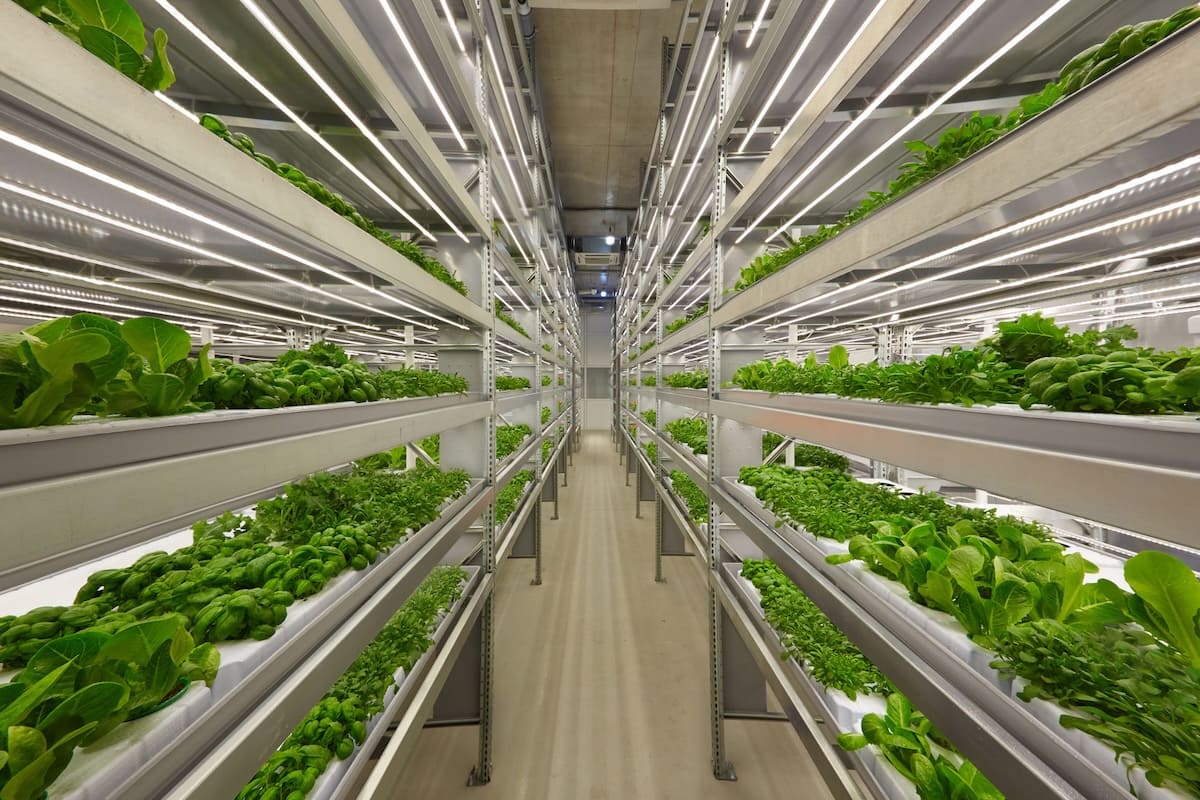
In dense cities such as Singapore, vertical farming is integrated directly into urban high-rises. Here, hydroponic towers grow leafy greens within residential or commercial buildings.
The defining feature is ultra-short vertical transport. After harvest, produce may travel a few floors down via elevator, chute, or automated lift system to reach restaurants or retail outlets inside the same structure. Instead of trucks navigating traffic, vertical movement replaces horizontal transportation.
This farm-to-building integration reduces logistics costs and ensures peak freshness. In some developments, smart inventory systems coordinate harvest timing with real-time retail demand, further streamlining delivery.
Modular shipping container farms represent a flexible and scalable vertical produce delivery model. These self-contained units stack crops vertically within compact environments and can be placed in parking lots, school campuses, or underserved urban neighborhoods.
Once harvested, produce is typically distributed within a tight geographic radius. Electric bicycles, small delivery vans, or even pedestrian couriers transport crops directly to consumers or local restaurants.
Because production occurs near end users, the external delivery network is short and highly localized. The vertical stacking inside the container maximizes output per square foot, while proximity minimizes spoilage and fuel consumption.
Warehouse-scale vertical farms often resemble automated fulfillment centers. Multi-tier racks hold crop trays, while robotic shuttles move vertically and horizontally to retrieve mature plants.
This design borrows from advanced logistics systems used in e-commerce distribution centers. Autonomous robots transport trays to centralized harvesting stations, where produce is processed and packaged.
The internal vertical mobility system ensures precise timing, optimized airflow, and reduced labor costs. After packaging, just-in-time distribution routes align with grocery demand forecasts. This synchronized delivery model reduces the need for long-term cold storage and cuts waste throughout the supply chain.
Rooftop greenhouses above supermarkets represent a highly efficient vertical integration model. In several European cities, grocery stores operate hydroponic greenhouses directly above retail floors.
Harvested tomatoes, herbs, and greens are transported downstairs through elevators or dedicated shafts. The vertical link between cultivation and point-of-sale can reduce the time from harvest to shelf to mere hours.
This delivery method eliminates cross-country trucking and preserves flavor, nutritional quality, and product shelf life. Because produce travels only within the building, packaging requirements are often reduced as well.
High-tech plant factories developed by companies such as Spread in Japan demonstrate fully automated vertical produce delivery systems.
These facilities integrate seeding lines, stacked grow racks, robotic harvesting arms, and conveyor-based packaging systems. Crops move through vertically tiered growth phases, then flow directly into cold-chain packaging areas before shipment.
Because the entire environment remains sealed and climate-controlled, produce moves from seed to shipping dock without exposure to external contaminants. The vertical design supports biosecurity, consistency, and energy efficiency.
Some retailers now install compact vertical grow units directly inside grocery stores. Customers can observe lettuce and herbs growing behind glass walls and purchase them immediately after harvest.
In this model, delivery is nearly instantaneous. The produce travels vertically within the unit and horizontally only a few steps to the display shelf.
This hyperlocal system dramatically reduces transportation emissions and offers unparalleled freshness. It also enhances consumer transparency by reconnecting shoppers with visible food production.
Hospitals, universities, and corporate campuses are increasingly adopting indoor hydroponic towers within their facilities. These systems integrate directly with food service operations.
Harvested greens travel via service elevators or internal corridors into kitchens for meal preparation. The building itself becomes a closed-loop ecosystem where production, delivery, and consumption occur within a unified structure.
This approach improves food security, supports nutrition programs, and reduces reliance on external supply chains during disruptions.
The next generation of vertical produce delivery systems will likely combine artificial intelligence, predictive analytics, and automated cold-chain logistics. Sensors already monitor nutrient flow, humidity, and plant growth rates in stacked environments.
Emerging innovations may include autonomous electric delivery fleets linked directly to harvest schedules, blockchain-based traceability systems, and building-integrated agricultural floors in residential towers. In highly dense cities, entire neighborhoods may incorporate vertical growing infrastructure that feeds residents directly.
A vertical produce delivery system is a farm-to-consumer logistics design where fresh produce moves through buildings or compact urban hubs using vertical pathways—such as service elevators, dumbwaiters, lifts, conveyors, and staged floors—reducing transport distance, handling, and spoilage.
Many rooftop agriculture projects use rooftop-to-market pathways including service elevators, dumbwaiters, and staging areas that move harvested produce down to retail spaces or loading docks quickly while preserving freshness.
Shorter harvest-to-sale time reduces moisture loss and quality decline. Vertical delivery compresses supply chains from days to hours.
Leafy greens, herbs, tomatoes, peppers, strawberries, and compact fruiting crops perform especially well in vertical delivery environments.
Rooftop agriculture becomes far more scalable when paired with vertical delivery pathways, allowing produce to move directly from roof to tenants, restaurants, or nearby retail spaces.