Synthetic Foods
Alternative Proteins & Printed Meat
Food production has always changed alongside agriculture, science, culture, and technology. Today, new approaches such as cultivated meat, precision fermentation, plant-based alternatives, microbial proteins, algae, insects, and 3D food printing are expanding the range of ways food ingredients and finished products can be produced.
The phrase synthetic foods is often used informally, but it does not describe one single scientific or regulatory category. Technologies grouped under the term can be very different from one another. Cultivated meat grows animal cells, precision fermentation uses microorganisms to produce specific ingredients, plant-based alternatives use crops and food-processing techniques, and 3D food printing is primarily a method for shaping edible materials.
Each technology should therefore be evaluated on its own merits. Important considerations include food safety, nutritional quality, allergens, labeling, affordability, production scale, consumer acceptance, energy and water use, greenhouse gas emissions, land requirements, and impacts on farmers and existing food systems.
Some emerging food technologies may reduce particular resource demands or create new ways to produce protein and specialty ingredients, while others may require substantial energy, processing, infrastructure, or specialized inputs. Their overall benefits and trade-offs depend on the specific product and how it is produced.

Alternative proteins is a broad term covering protein sources and food products that provide alternatives to conventional livestock-derived meat, dairy, or eggs. The category can include plant proteins, fungi and mycoprotein, algae, insects, precision-fermented proteins, microbial proteins, and cultivated animal cells.
These technologies are being developed for many reasons, including consumer choice, food security, animal-welfare concerns, diversification of protein supplies, and efforts to reduce particular environmental impacts. Their nutritional, environmental, and economic performance varies substantially by product and production system.
Alternative proteins may contribute to future food supplies alongside improvements in conventional agriculture, crop and livestock management, food distribution, waste reduction, and dietary diversity.
Biotechnology and food science include a wide range of technologies, from conventional fermentation and food processing to genetic engineering, precision fermentation, cellular agriculture, enzyme technology, and advanced ingredient design.
Genetic engineering can introduce specific traits into crops or microorganisms, while fermentation technologies can produce enzymes, proteins, vitamins, flavors, and other food ingredients. Natural and artificial flavoring substances are regulated according to applicable food-safety requirements, and neither category should automatically be considered healthier simply because of how the flavor is described.
Researchers are also studying how foods, fibers, probiotics, and other dietary components interact with the gut microbiome. These relationships are complex and remain an active area of nutrition and medical research.
Precision fermentation can use microorganisms to produce specific proteins traditionally obtained from milk, such as whey proteins. The microorganisms are grown in controlled fermentation systems and the desired proteins are then separated and purified for use as food ingredients.
These proteins can be incorporated into beverages, frozen desserts, nutritional products, and other formulations. Because the resulting proteins may be identical or similar to dairy proteins, relevant milk-allergen labeling requirements may still apply even though cows were not used to produce the ingredient.
Environmental performance depends on factors such as feedstocks, fermentation efficiency, energy source, processing requirements, and manufacturing scale.

Artificial flavors and genetically modified foods are different technologies and should be evaluated separately. Artificial flavoring substances are compounds used to reproduce or create particular flavors in foods. Their safety depends on the specific substance, exposure level, intended use, and applicable food-safety regulations.
Genetically modified foods are produced from organisms whose genetic material has been altered using biotechnology. Individual GM products are evaluated according to the characteristics of the organism, introduced traits, intended use, potential allergenicity, nutritional composition, and other relevant safety considerations.
Major food-safety authorities evaluate genetically modified foods on a product-by-product basis. GM foods currently approved for sale have undergone safety assessments, although environmental impacts, seed ownership, labeling, agricultural practices, and market concentration remain subjects of public policy and debate.
Artificial flavors and genetically modified foods can both play roles in modern food production, but neither technology should be treated as inherently safe, unsafe, sustainable, or unhealthy simply because of the category it belongs to. Individual products and uses should be evaluated on the available evidence.
Cultivated meat—also called cell-cultured or cell-based meat—is produced by growing animal cells in controlled conditions rather than raising an entire animal for slaughter. The technology may reduce some requirements associated with conventional livestock production, but its environmental and economic performance depends heavily on production scale, culture media, energy use, facility design, and the source of electricity.
Cultivated meat also has its own food-safety considerations. Production systems must control biological, chemical, and physical hazards during cell collection, cell growth, harvesting, processing, storage, and distribution.
The technology also creates opportunities to develop products with different structures, fat compositions, textures, and ingredient combinations. Some products may consist primarily of cultivated animal cells, while others may combine cultivated cells with plant-derived ingredients or other food components.
Cultivated meat remains an emerging industry. A limited number of products have received regulatory approvals in certain markets, while companies continue working to improve production efficiency, scale manufacturing, reduce costs, and develop products that consumers will accept.
3D food printing uses computer-controlled equipment to deposit edible materials layer by layer into specific shapes and structures. Depending on the system, printable materials may include doughs, purees, chocolate, protein mixtures, gels, plant-based ingredients, or formulated cellular materials.
Potential applications include customized textures, portion sizes, shapes, ingredient combinations, and nutrient profiles. Researchers are also investigating applications for specialized nutrition, institutional food service, and products designed for people with particular chewing or swallowing needs.
Nutrient fortification is already widely used to add vitamins or minerals to foods. Future food manufacturing may allow more targeted formulations, but personalized nutrition recommendations should be based on validated nutritional and medical evidence rather than unsupported dietary theories.
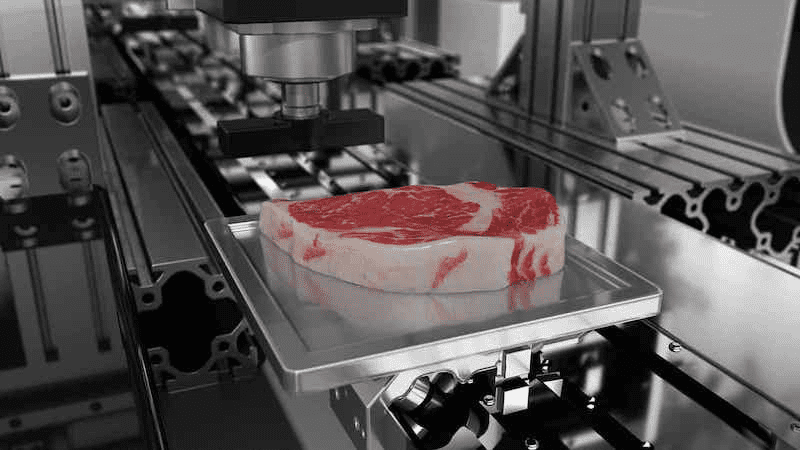
Tissue-engineering techniques are central to cultivated meat and seafood research. Animal cells can be grown under controlled conditions and organized into food products using culture media, scaffolds, bioreactors, and other processing technologies.
Precision fermentation uses microorganisms such as yeast or fungi as production systems for specific proteins or other ingredients. This approach can produce proteins that are functionally similar or identical to proteins traditionally obtained from animals.
For example, The EVERY Company, formerly known as Clara Foods, uses precision fermentation to produce egg proteins without raising chickens. Other companies are developing fermentation-derived dairy proteins, fats, enzymes, flavors, and specialty ingredients.
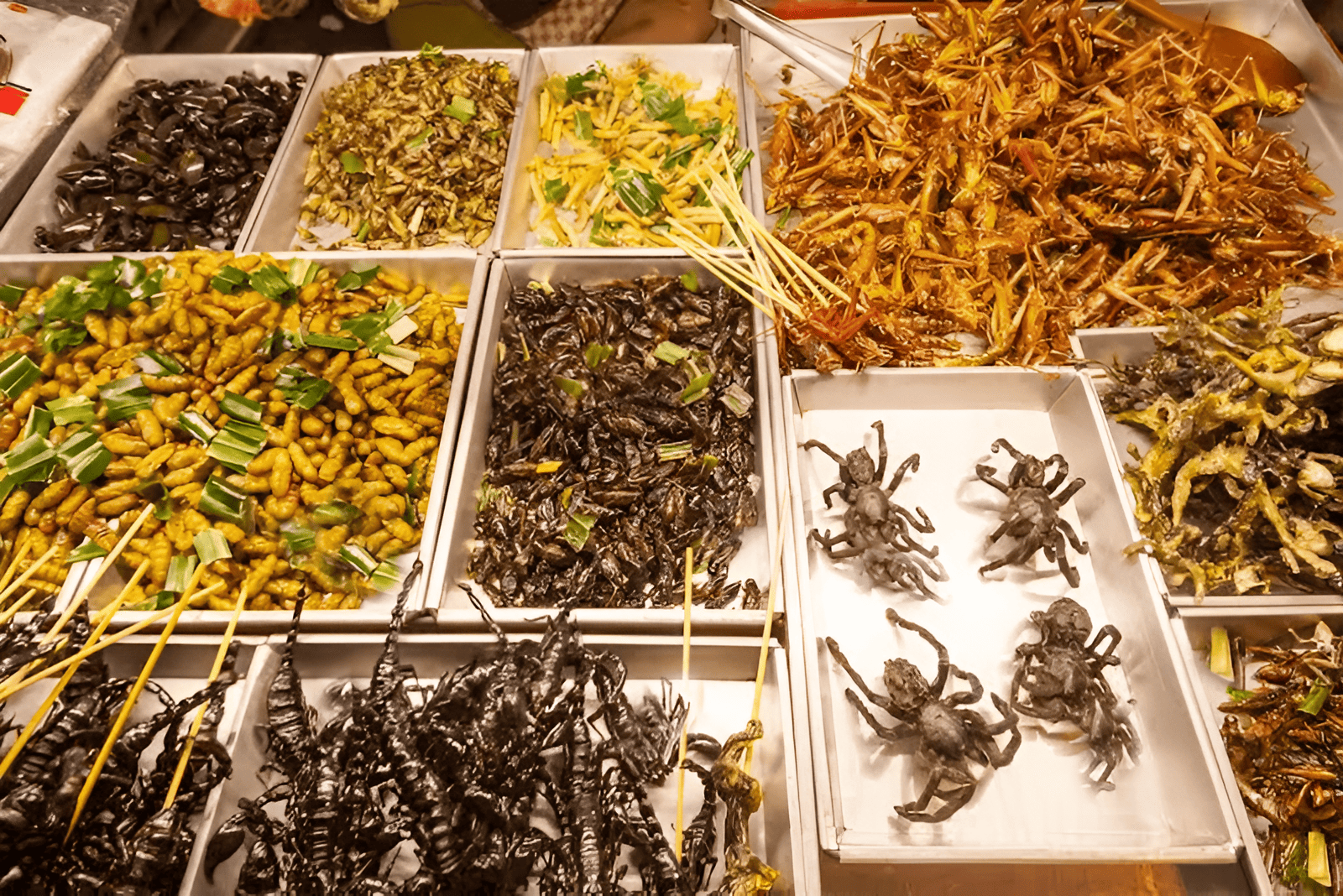
Insects are traditional foods in many parts of the world and are also being investigated as alternative sources of protein, fats, vitamins, and minerals. Their environmental performance depends on species, feed source, energy requirements, production system, processing, and what food they replace.
In the European Union, a novel food is generally a food that was not consumed to a significant degree in the EU before 15 May 1997. The category can include newly developed foods, foods produced using new technologies, certain insects, and foods traditionally consumed outside the EU.
Novel foods generally require authorization before being placed on the EU market, including safety evaluation and appropriate labeling.
Functional foods are generally foods or ingredients that may provide benefits beyond basic nutrition. Examples include foods containing added fiber, certain probiotics, plant sterols, or omega-3 fatty acids. Any specific health benefit depends on the ingredient, dose, overall diet, and supporting scientific evidence.
Plant-based alternatives include products designed to replace or resemble meat, milk, cheese, eggs, and other animal-derived foods. Their nutritional profiles vary widely, so protein quality, sodium, saturated fat, fiber, vitamins, minerals, allergens, and ingredient composition should be evaluated product by product.
Seaweeds and microalgae can provide protein and other nutrients, although composition varies significantly among species and products. Some algae can be produced without conventional farmland and may offer useful food-production opportunities where suitable cultivation and processing systems are available.
Their overall sustainability depends on cultivation method, water source, nutrients, processing, drying, energy use, transportation, and production scale.
Consumer acceptance is one of the major factors that will determine how quickly emerging food technologies reach mainstream markets. Familiarity, taste, price, nutrition, perceived naturalness, environmental claims, food-safety confidence, and labeling can all influence whether consumers are willing to try a new product.
Acceptance also varies among technologies. A familiar plant-based protein may be viewed very differently from cultivated meat, insect protein, precision-fermented dairy proteins, or a 3D-printed food.
Clear labeling and transparent information about ingredients, production methods, nutritional characteristics, allergens, safety review, and environmental performance can help consumers make informed choices.
Food technology continues to expand the range of ways proteins, ingredients, and meals can be produced. Cultivated meat, precision fermentation, plant-based foods, algae, insects, and 3D food printing each use different technologies and have different nutritional, economic, environmental, and regulatory considerations.
These technologies may complement conventional agriculture rather than replace it. Their future role will depend on safety, nutrition, affordability, consumer acceptance, energy use, environmental performance, regulation, manufacturing scale, and how well individual products meet real food-system needs.
Turn your 1 acre into a high-yield, profitable farm.
Crop Circle Farms specializes in designing and building fully engineered, low-impact farm systems that use 90% less water, 85% less fertilizer, and deliver two to three times the yield of traditional farming.
Whether you have a vacant lot, an empty field, a resort, school, island community, or small family farm, we’ll build it from the ground up for you. Our team handles everything from farm layout and installation to irrigation, root systems, training, and first planting.
Contact Us to explore a custom Crop Circle Farm design for your property.
Help us expand our mission to revolutionize agriculture globally. We are seeking partners to implement Crop Circle Farms to feed people in need. Together, we can build scalable food production systems that save water, reduce costs, and feed thousands of people. Contact Growing To Give
Synthetic foods is an informal umbrella term rather than one specific scientific or regulatory category. It is often used to describe foods or ingredients produced with newer technologies such as cultivated animal cells, precision fermentation, microbial proteins, plant-based formulations, and advanced food-processing methods.
These technologies are very different from one another. Cultivated meat grows animal cells, precision fermentation uses microorganisms to produce particular proteins or ingredients, and 3D food printing primarily shapes edible materials into specific structures. Each should therefore be evaluated separately.
Safety and labeling requirements depend on the technology, ingredient, product, and country where the food is sold. Regulators may evaluate manufacturing processes, ingredient composition, potential contaminants, allergens, nutritional characteristics, intended uses, and other food-safety factors.
Emerging products may also require specific pre-market reviews or approvals. Labels must comply with applicable laws, including requirements concerning ingredients, allergens, nutrition, product identity, and other disclosures.
Not necessarily. Environmental performance depends on the particular product, production method, energy source, feedstocks, water use, land requirements, processing, transportation, and what conventional food the product replaces.
Some emerging technologies may reduce certain land, water, animal, or resource requirements, while others can require substantial energy and specialized infrastructure. Life-cycle assessments can help compare greenhouse gas emissions, energy demand, water use, land use, and other environmental impacts.
They represent different approaches to food production. Organic agriculture operates under defined production standards where certification is used, while regenerative agriculture generally emphasizes soil health, biodiversity, nutrient cycling, and ecosystem function through farm-management practices.
Technologies such as cultivated meat and precision fermentation focus on producing specific foods or ingredients through cellular, microbial, or manufacturing processes. Future food systems may include conventional, organic, regenerative, and technology-based production rather than relying exclusively on one approach.
Consumers may already encounter fermentation-derived enzymes, flavors, vitamins, specialty proteins, and other ingredients in everyday foods. Precision fermentation is also being used to produce selected dairy and egg proteins without raising the animals traditionally associated with those ingredients.
Plant-based meat and dairy alternatives are widely available, while cultivated meat remains much more limited and is available only where products have met applicable regulatory requirements. Availability varies considerably by country and market.
Important questions include how the product is made, what ingredients it contains, how its safety was evaluated, whether allergens are present, how its nutritional profile compares with alternatives, and whether its labeling clearly explains what consumers are buying.
Environmental and economic questions are also important, including energy and water use, greenhouse gas emissions, land requirements, production scale, affordability, supply-chain resilience, impacts on farmers, ownership of production technologies, and whether sustainability claims are supported by appropriate evidence.
Related topics: Explore genetically modified crops, sustainable agriculture, climate-smart agriculture, and diversified farming systems for additional perspectives on modern food production.