Digital Twin Farming
The Next Evolution of Agriculture
Agriculture is entering a new technological era where farms are no longer managed solely through observation and experience in the physical world. Instead, farmers, researchers, and investors are beginning to manage living agricultural systems through virtual replicas known as digital twins. Digital Twin Farming represents one of the most powerful convergences of artificial intelligence, sensors, satellite data, robotics, and predictive analytics ever applied to food production.
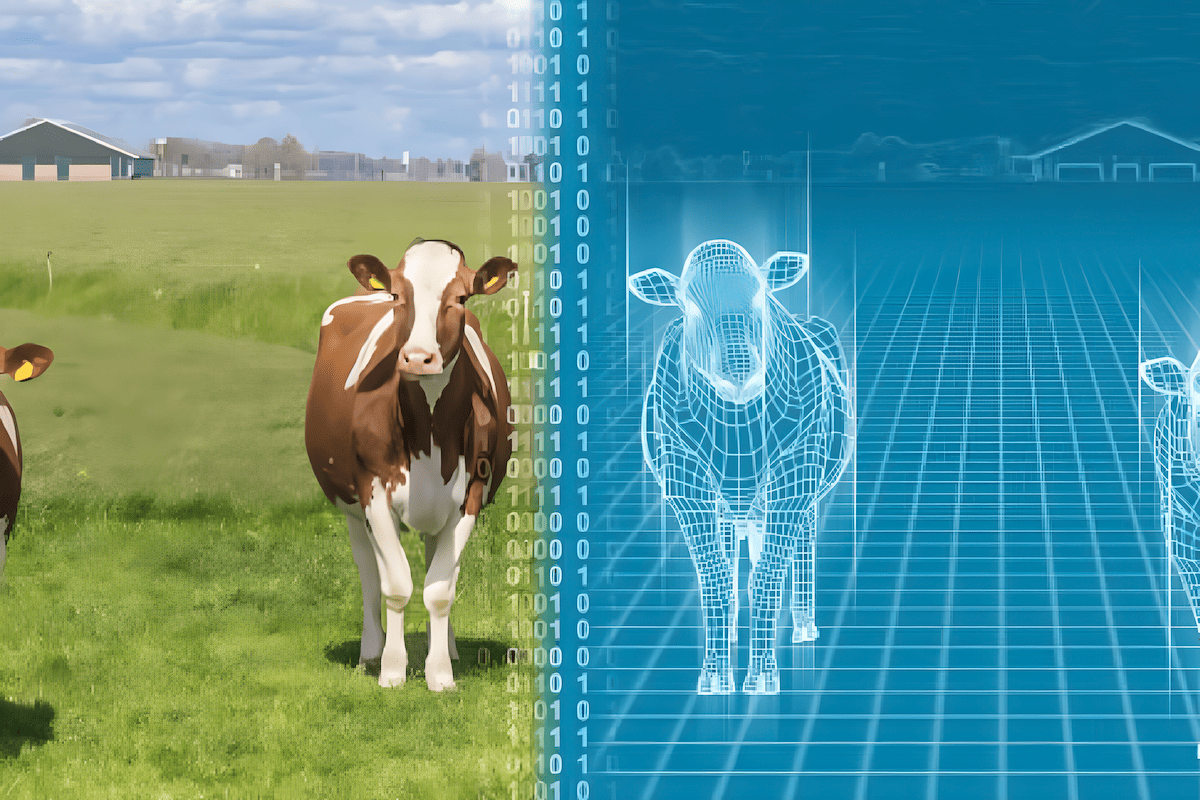
A digital twin is a dynamic, real-time digital model of a physical asset or system. In agriculture, this means creating a continuously updated virtual version of a farm, field, greenhouse, orchard, or even an individual plant or tree. Data collected from sensors, drones, weather stations, soil probes, and imaging systems feeds into the digital model, allowing farmers to simulate decisions before applying them in the real world.
Rather than reacting to problems after they occur, digital twin farming enables growers to predict outcomes, optimize inputs, reduce risk, and increase productivity with unprecedented precision.
Digital twin systems combine several technologies:
These components continuously update the digital replica of the farm. The system learns how crops respond to variables such as moisture, temperature, sunlight, soil biology, fertilizer application, and pest pressure.
Farmers can then run simulations such as:
The digital twin answers these questions before physical resources are committed.
One of the earliest successful applications of digital twin farming has emerged in high-value vineyards.
Wine grape producers face extreme sensitivity to microclimate conditions. Slight variations in soil moisture, sunlight exposure, or temperature can dramatically influence grape chemistry and wine quality. Using digital twins, vineyards now create virtual models of entire estates down to individual vine rows.
Sensors placed throughout the vineyard measure soil moisture, nutrient availability, canopy temperature, and evapotranspiration rates. Drone imagery analyzes leaf health and growth patterns. All data feeds into a digital vineyard twin that predicts vine stress levels and fruit development stages.
Growers can simulate irrigation strategies weeks in advance. Instead of watering uniformly, irrigation is applied only where the model predicts quality improvements. Some vineyards have reported:
The digital twin effectively becomes a decision intelligence system for terroir management, preserving both quality and sustainability.
Controlled-environment agriculture is particularly suited to digital twin implementation because environmental variables can be precisely managed.
In advanced greenhouse operations producing tomatoes, peppers, and leafy greens, digital twins monitor every aspect of plant growth — from root-zone oxygen levels to light absorption efficiency.
The virtual greenhouse continuously compares predicted plant growth against real-time plant performance. If plants begin deviating from optimal growth curves, the system automatically recommends adjustments such as:
For example, a greenhouse operator may simulate three nutrient recipes in the digital twin before applying one in reality. The system predicts yield, growth speed, and energy consumption outcomes.
This approach has produced measurable results:
Digital twins essentially allow greenhouse managers to experiment safely in a virtual environment instead of risking an entire harvest.
Perhaps the most transformative long-term application of digital twin farming lies in forestry and agroforestry systems, where biological timelines extend over decades rather than seasons.
In modern tree plantations and regenerative landscapes, digital twins can track individual trees throughout their lifecycle. Each tree may have a digital identity containing data such as:
Satellite monitoring, ground sensors, and AI growth models allow plantation managers to simulate forest development decades into the future.
A digital twin forest can forecast:
This capability is particularly important for investment-backed reforestation projects and climate finance initiatives. Investors gain transparency, while land managers optimize ecological and financial performance simultaneously.
Digital twins transform forests from static assets into living, measurable infrastructure systems.
Digital twin farming does more than increase yields. It fundamentally changes agricultural risk management and sustainability.
Key advantages include:
Water, fertilizer, and energy inputs can be precisely matched to plant needs, reducing waste and environmental impact.
Farmers can simulate extreme weather scenarios and prepare mitigation strategies before events occur.
Supply chains gain verified production data, supporting certification, carbon markets, and sustainable finance.
Best-performing farm models can be replicated globally, accelerating agricultural innovation.
As computing power expands and AI models improve, digital twins will likely evolve from farm-level systems into planetary-scale agricultural intelligence networks. Entire regions may eventually operate interconnected digital ecosystems where water resources, crop production, biodiversity, and carbon sequestration are optimized together.
In the near future, farmers may manage operations through dashboards resembling air traffic control systems — monitoring thousands of biological variables in real time while AI continuously recommends optimal actions.
Digital twin farming represents a shift from traditional agriculture toward predictive, data-driven stewardship of living systems. By merging the physical and digital worlds, agriculture moves closer to producing more food, restoring ecosystems, and managing natural resources with scientific precision.
The farm of the future will exist in two places at once: in the soil — and in its digital twin.