Geo-Engineering
Geo-Engineering & Agriculture
Key links: Cover Crops • Carbon Farming • Reforestation • Afforestation • Agroforestry • Silvopasture • Circular Agriculture • Climate Stress Resilience Calculator • Food Security Calculator.
Geo-engineering or climate intervention is an umbrella term used in some literature for deliberate large-scale interventions intended to influence the climate system. Two very different categories are often discussed: Carbon Dioxide Removal (CDR), which removes atmospheric CO2 and durably stores it, and Solar Radiation Modification (SRM), which seeks to alter Earth's radiation balance to limit warming.
These approaches should not be treated as equivalent. CDR is considered a form of climate mitigation, while SRM does not reduce atmospheric greenhouse-gas concentrations and is not classified by the IPCC as mitigation or adaptation. Their risks, timescales, governance requirements, and potential roles in climate policy differ substantially.
Geo-engineering, also referred to as climate engineering or climate intervention, involves the intentional modification of Earth's natural systems to mitigate the impacts of climate change. These strategies employ a range of advanced technologies and approaches, such as Solar Radiation Management (SRM) and Carbon Dioxide Removal (CDR), with the goal of regulating global climate and influencing weather patterns. While offering potential solutions to the pressing challenges posed by climate change, geo-engineering also raises significant scientific, ethical, and ecological considerations that require careful exploration.
| Dimension | CDR | SRM |
|---|---|---|
| Primary target | Atmospheric CO₂ concentration | Incoming solar radiation / temperature |
| Speed of effect | Slower (builds with scale) | Fast (potential rapid cooling) |
| Reversibility | Depends on storage durability | High sensitivity to stopping (termination shock) |
| Co-benefits | Can support ecosystems (nature-based CDR) | Limited; may introduce ecological side effects |
| Governance intensity | High (MRV + accounting) | Very high (global externalities + geopolitical risk) |
Solar Radiation Management (SRM) represents a category of geo-engineering techniques aimed at reducing the amount of solar energy absorbed by Earth's surface. By reflecting a portion of incoming solar radiation back into space, SRM seeks to alleviate the effects of global warming by cooling the planet. Techniques under SRM include strategies such as stratospheric aerosol injection, marine cloud brightening, and space-based reflectors. However, SRM does not tackle the underlying cause of climate change—excessive greenhouse gas emissions—but rather addresses its symptoms. This approach offers the potential for rapid temperature regulation but comes with uncertainties about regional impacts, unintended consequences, and the ethical implications of altering natural climate systems.

Stratospheric Aerosol Injection: Stratospheric aerosol injection involves releasing reflective aerosols, such as sulphate particles, into the stratosphere to mimic the natural cooling effects observed after volcanic eruptions. This technique aims to reduce the amount of solar radiation reaching Earth's surface, thereby counteracting global warming. While computer simulations indicate its potential effectiveness, significant concerns remain about its potential to deplete the ozone layer, alter precipitation patterns, and disrupt regional climates, necessitating extensive research before deployment.
Marine Cloud Brightening: Marine cloud brightening involves spraying seawater into clouds to increase their albedo, or reflectivity, which enhances their ability to reflect sunlight away from Earth's surface. By brightening clouds, this method could help cool the planet. However, the technique requires further study to assess its long-term impacts on cloud dynamics, precipitation patterns, and broader climate systems, as uncertainties persist about its ecological and atmospheric consequences.
Space-Based Reflectors: Concepts involving mirrors, shades, or other reflective structures in space have also been proposed as forms of solar radiation modification. These ideas remain highly speculative because of their enormous scale, cost, engineering requirements, deployment challenges, and potential effects on the orbital environment.
Despite the potential effectiveness of SRM in mitigating global warming, these techniques raise critical ethical and practical concerns. SRM could cause uneven climate effects, disproportionately impacting certain regions while benefiting others. For example, changes in rainfall patterns could exacerbate water scarcity or flooding in vulnerable areas, leading to environmental and societal challenges. Additionally, intervening in natural systems poses moral dilemmas, questioning humanity’s right to manipulate global processes.
Governance and international collaboration are essential to prevent unilateral implementation, which could lead to geopolitical tensions and conflicts over unintended regional climate impacts. Furthermore, there is a risk that reliance on SRM might reduce global efforts to address the root cause of climate change—greenhouse gas emissions. To responsibly evaluate and potentially implement SRM, rigorous scientific research, transparent policymaking, and enforceable regulations are necessary to ensure ethical and sustainable applications of these technologies.

Carbon Dioxide Removal (CDR) refers to human activities that remove carbon dioxide from the atmosphere and durably store it in geological, terrestrial, ocean, or product reservoirs. CDR includes biological, geochemical, and technological approaches that differ widely in maturity, cost, potential scale, and environmental impacts.
CDR differs from Solar Radiation Modification (SRM). CDR lowers atmospheric CO2 concentrations, while SRM seeks to alter Earth's radiation balance without removing carbon dioxide from the atmosphere. CDR can complement deep greenhouse-gas emissions reductions, particularly where residual emissions remain difficult to eliminate.
Direct Air Carbon Capture and Storage (DACCS): Direct air capture uses chemical processes to separate CO2 from ambient air. For the process to provide carbon dioxide removal, the captured CO2 must then be durably stored, such as in suitable geological formations. Captured CO2 that is quickly released back into the atmosphere does not provide durable carbon removal.
The overall climate performance of DACCS depends on factors including energy demand, the carbon intensity of the energy source, capture efficiency, transportation, storage availability, storage durability, infrastructure requirements, and cost.
Ocean Iron Fertilization (OIF): Ocean iron fertilization involves adding iron to nutrient-limited ocean waters to stimulate phytoplankton growth. Phytoplankton absorb CO2 during photosynthesis, but only a portion of the resulting organic carbon may reach deeper ocean waters where it could remain isolated from the atmosphere for longer periods.
The amount of durable carbon removal that ocean fertilization could achieve remains uncertain, as do its potential effects on marine ecosystems, nutrient cycling, oxygen concentrations, food webs, and greenhouse-gas production. Ocean fertilization is also subject to significant international marine-governance restrictions, particularly for activities outside legitimate scientific research.
Afforestation and Reforestation: These land-based carbon dioxide removal approaches increase carbon stored in vegetation and soils by establishing or restoring forests. Afforestation generally involves establishing forest on land that has not recently been forested, while reforestation restores forest cover on previously forested land. Their climate benefits depend on location, previous land cover, tree species, ecosystem effects, fire and disturbance risk, permanence, water availability, biodiversity, management, and competing land uses.
Despite their potential, CDR techniques face significant challenges and ethical dilemmas. Large-scale afforestation requires substantial land, which may conflict with agricultural or conservation needs. Ocean iron fertilization raises ecological concerns, such as disrupting marine food chains and altering oxygen levels. The high energy and financial costs of DAC further limit its accessibility and scalability.
Additionally, the long-term storage of captured carbon presents risks of leakage and raises questions about the integrity and security of sequestration methods. Unequal access to CDR technologies could exacerbate global inequality, as wealthier nations may benefit disproportionately from these solutions. To address these challenges, it is essential to develop internationally coordinated policies, enforceable regulations, and transparent frameworks to guide the responsible deployment of CDR techniques.

Solar Radiation Modification (SRM): Large-scale SRM could affect more than global average temperature. Climate-model studies indicate that altering Earth's radiation balance could change regional precipitation, atmospheric circulation, hydrological cycles, cloud behavior, and other climate variables.
The magnitude and geographic distribution of these effects would depend on the SRM method, deployment strategy, background greenhouse-gas concentrations, and the response of the climate system. A reduction in global mean temperature would therefore not guarantee uniform climate conditions across regions.
Precipitation and Water Resources: Changes in precipitation are an important concern because regional rainfall responses could differ substantially. Some regions could experience changes in seasonal rainfall, drought risk, or water availability even if global average temperatures were reduced.
These potential hydrological changes are particularly important for agriculture, drinking-water supplies, ecosystems, and communities that depend on predictable seasonal rainfall. Effects on monsoon systems and other major circulation patterns remain active areas of scientific research.
Agricultural Implications: Agricultural outcomes would depend on more than temperature alone. Changes in precipitation, sunlight, humidity, atmospheric circulation, soil moisture, and extreme-weather patterns could affect crops differently among regions.
This means an SRM deployment that reduced some climate risks at the global level could still create different benefits, tradeoffs, or risks among agricultural regions and communities.
Carbon Dioxide Removal Has a Different Risk Profile: CDR should not be grouped with SRM as a direct form of weather modification. Carbon dioxide removal lowers atmospheric CO2 rather than intentionally changing incoming solar radiation.
The environmental risks of CDR depend on the particular method and can include land requirements, water use, energy demand, nutrient use, ecosystem effects, competition with food production, carbon-storage durability, and the possibility of stored carbon being released back into the atmosphere.
Because climate interventions can have environmental, economic, and social effects that extend beyond the location where they are implemented, careful scientific assessment, transparent governance, international coordination, and ongoing monitoring are important when evaluating large-scale approaches.
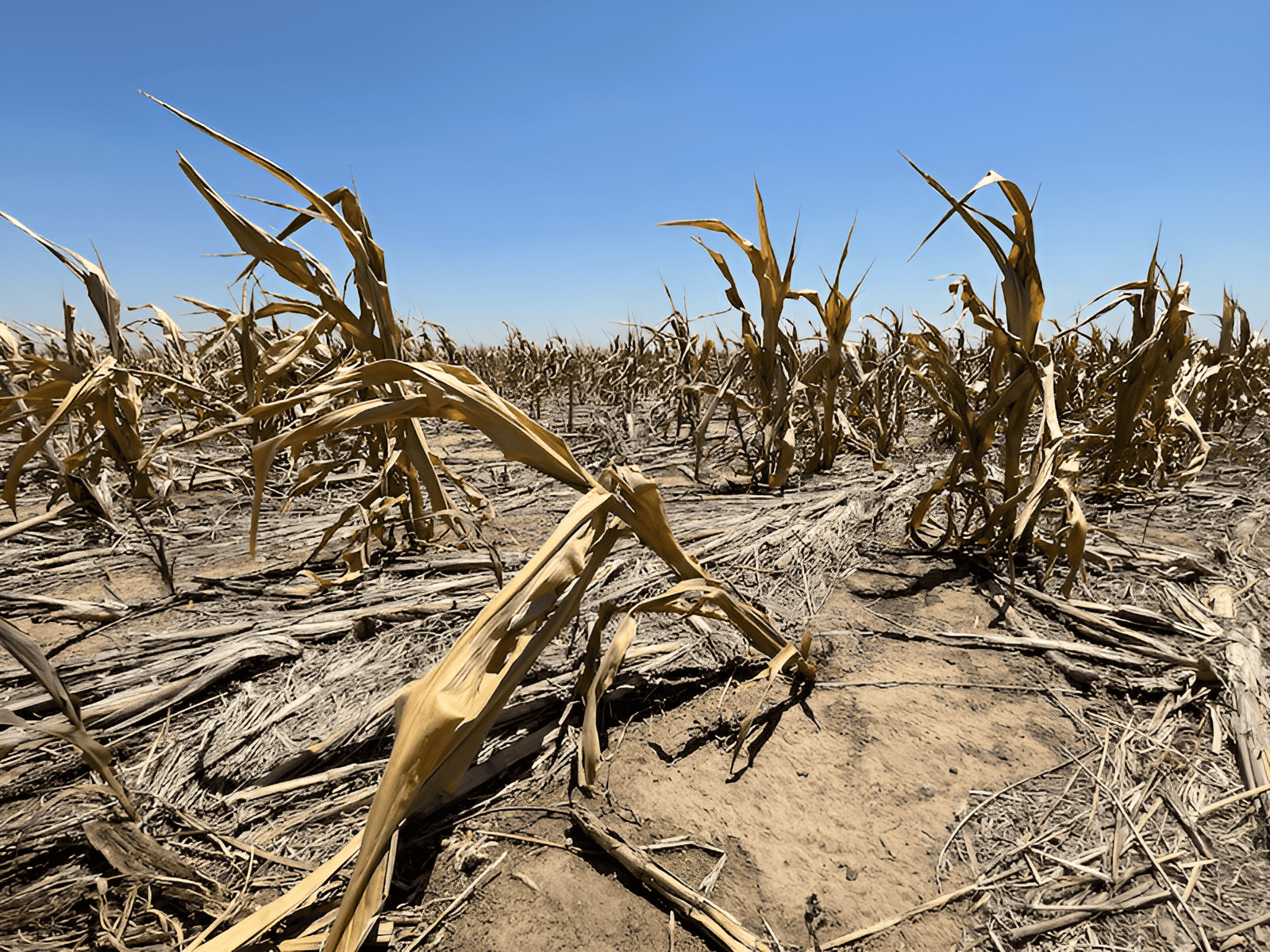
Diversion from Emissions Reduction: Solar geoengineering could potentially reduce some climate impacts associated with warming, but it would not eliminate the need to reduce greenhouse-gas emissions. Because Solar Radiation Modification (SRM) changes Earth's radiation balance rather than removing atmospheric carbon dioxide, it would not address all consequences of elevated CO2, including ocean acidification.
Reliance on climate intervention could also create a risk of diverting political attention, investment, or public support away from emissions reductions, energy efficiency, renewable energy, ecosystem protection, and other established climate mitigation and adaptation strategies. Climate intervention is therefore generally considered a potential supplement to broader climate action rather than a substitute for it.
Technological Lock-In: Large-scale deployment of some climate-intervention technologies could create long-term institutional, financial, and technological dependencies. Infrastructure, monitoring, international agreements, operational systems, and affected communities could become increasingly dependent on continued management of an intervention.
This concern is especially important for SRM because its cooling effect would generally depend on continued deployment while greenhouse-gas concentrations remained elevated.
Termination Risk: If a substantial SRM program offset a significant amount of warming for an extended period and were then stopped abruptly while atmospheric greenhouse-gas concentrations remained high, global temperatures could rise rapidly. This potential rapid warming is commonly referred to as termination shock or termination effect.
Termination risk does not mean that SRM would permanently alter the climate in a single, predictable way. Rather, it highlights the potential consequences of becoming dependent on an intervention whose cooling influence may need to be maintained over long periods.
CDR Risks and Durability: Carbon Dioxide Removal (CDR) presents a different set of risks. These depend on the particular removal method and may include land and water requirements, energy use, ecological impacts, competition with food production or conservation, carbon-storage leakage, and reversal of stored carbon through events such as wildfire or land-use change.
The durability of carbon storage varies among CDR approaches. Geological storage can potentially retain carbon for very long periods when properly managed, while biological storage in forests and soils can be more vulnerable to disturbance and reversal.
Governance and Ethical Considerations: Large-scale climate interventions raise significant questions about fairness, transparency, public participation, scientific oversight, liability, and the distribution of risks and benefits among countries and communities.
These governance questions are particularly important for SRM because climate effects could extend across national borders and may differ among regions. Decisions about research, possible deployment, monitoring, modification, and termination would therefore require substantial international coordination and consideration of affected populations.
CDR also requires credible governance, including measurement and verification of carbon removal, assessment of storage durability, environmental safeguards, land-use considerations, and transparent accounting of net climate benefits.
Responsible climate-intervention research should therefore include transparent decision-making, independent scientific assessment, public and stakeholder engagement, ongoing monitoring, and clearly defined criteria for evaluating whether particular approaches should continue, change, or be discontinued.
Geo-engineering presents innovative possibilities for mitigating climate change but is fraught with uncertainties and risks. Striking a balance between technological advancement, ethical considerations, and ecological sustainability is essential for a responsible and effective approach. As research advances and debate evolves, geo-engineering's role within a global climate strategy will require continuous scrutiny, comprehensive planning, and careful integration with other mitigation and adaptation efforts.
Agriculture, forestry, and land-management practices can contribute to climate mitigation while also supporting soil health, water management, biodiversity, food production, and resilience.
Some of these approaches can qualify as forms of biological carbon dioxide removal when human activities increase the removal of atmospheric CO2 and store that carbon in vegetation, soils, or other reservoirs. Their effectiveness and durability vary by practice, ecosystem, climate, management, and monitoring.
Use the Climate Stress Resilience Calculator and Food Security Calculator to support planning and reporting.
Ready to transform your land into a high-yield, sustainable farm? Let Crop Circle Farms design and build a custom, low-impact, and water-efficient farm tailored to your site and market. From yield modeling and farm layout to irrigation design and crop selection, we help you double your income and cut your costs in half. Contact Us to explore a Crop Circle Farm design for your property.
We support impact-aligned climate-resilience and regenerative land projects. Inquire via Growing To Give.
Help us expand our mission to revolutionize agriculture globally. We are seeking partners to implement Crop Circle Farms in food-insecure communities, island nations, and water-stressed regions. Together, we can build scalable food production systems that save water, reduce costs, and feed thousands of people year after year. Contact Growing To Give to support an initiative or program.
Geo-engineering, sometimes called climate intervention, is an umbrella term used for deliberate large-scale actions intended to influence the climate system.
Two very different categories are often discussed: Carbon Dioxide Removal (CDR), which removes atmospheric carbon dioxide and stores it, and Solar Radiation Modification (SRM), which seeks to alter Earth's radiation balance to reduce warming.
Carbon Dioxide Removal (CDR) removes carbon dioxide from the atmosphere and stores it in geological, biological, ocean, or product reservoirs.
Solar Radiation Modification (SRM) attempts to reduce warming by reflecting a portion of incoming solar energy or otherwise altering Earth's radiation balance. SRM does not remove atmospheric carbon dioxide.
Yes. Carbon dioxide removal can contribute to climate mitigation when human activities remove CO2 from the atmosphere and durably store it.
CDR is generally considered a complement to deep emissions reductions rather than a substitute for reducing greenhouse-gas emissions.
CDR approaches include afforestation, reforestation, agroforestry, soil-carbon management, biochar, enhanced weathering, direct air carbon capture and storage, and several proposed ocean-based approaches.
These methods differ substantially in cost, maturity, land and energy requirements, storage durability, environmental impacts, monitoring needs, and potential scale.
Solar Radiation Modification is a group of proposed climate interventions intended to reduce the amount of solar energy retained by the Earth system.
Frequently discussed concepts include stratospheric aerosol injection and marine cloud brightening. Large-scale deployment could potentially lower global mean temperature relatively quickly, but regional effects and broader consequences remain uncertain.
No. SRM would alter Earth's radiation balance rather than remove carbon dioxide from the atmosphere.
Because atmospheric CO2 would remain elevated, SRM would not directly address problems caused by excess carbon dioxide such as ocean acidification.
Termination shock refers to the possibility of rapid warming if a substantial SRM program were maintained for an extended period and then stopped abruptly while greenhouse-gas concentrations remained high.
This potential dependence on continued intervention is one of the major risks considered when evaluating large-scale solar geoengineering.
MRV stands for Monitoring, Reporting, and Verification. It is used to determine how much net atmospheric carbon dioxide has actually been removed, where it is stored, and how durable that storage is expected to be.
Credible MRV should also account for uncertainties, emissions associated with the removal process, leakage, reversals, and other factors that affect the net climate benefit.
No. Ocean fertilization has been studied as a possible way to stimulate marine biological activity and increase carbon uptake, but the amount of durable carbon removal and the ecological consequences remain uncertain.
Ocean fertilization is also subject to significant international marine-governance restrictions, particularly for activities outside legitimate scientific research.
Yes. Reforestation, afforestation, agroforestry, improved soil management, and other land-based practices can increase carbon stored in vegetation and soils under appropriate conditions.
Their climate benefits depend on factors such as location, ecosystem type, permanence, fire and disturbance risk, water availability, land competition, management practices, and reliable measurement of carbon gains.
Large-scale climate interventions can create risks and benefits that cross national borders, making governance, transparency, public participation, scientific oversight, liability, and international coordination important.
Governance questions are particularly significant for SRM because deployment could affect regional climate conditions differently across countries and communities. CDR also requires governance for carbon accounting, storage durability, environmental impacts, land use, and verification.